
Kenya is an absolutely stunning and captivating country, renowned for its lush green valleys and the breathtaking Rift Valley that stretches from north to south. It is home to 64 of Africa’s lakes, and I had the chance to visit two of them: Lake Nakuru and Lake Naivasha.
Nairobi, the capital and main commercial hub, is less appealing due to safety concerns. While certain areas are safe to walk around, using taxis or Uber is generally recommended for getting around. Nairobi was founded by the British East Africa colonial administration in 1899 and quickly grew, replacing Machakos as the capital in 1907. During colonial times, Nairobi became the center of coffee and tea production. Initially, Mombasa served as the capital of the British protectorate in 1905, but as colonists explored Kenya, Nairobi became the primary entry point, leading to the relocation of the capital.
For wildlife enthusiasts, Nairobi offers several key attractions. The Giraffe Centre allows visitors to feed and interact with giraffes up close, while the David Sheldrick Wildlife Trust provides a sanctuary for orphaned baby elephants. Nairobi National Park offers a convenient game drive within the city, allowing visitors to experience Kenya’s wildlife without venturing far. The Kenyatta International Conference Center (KICC), a 28-story building designed by Norwegian and Kenyan architects, provides a 360-degree panoramic view of the city, surrounding mountains, and valleys.
Kenya can be a relatively expensive country to visit. The exchange rate is roughly $1 to 100 Kenyan Shillings, and many hotels, restaurants, and services price in USD. Typical costs include around $10 for lunch, $20 for a taxi ride, $50 for gas, and $10 for park entry fees, making budgeting essential for travelers exploring the country.


Kenya produces truly exceptional coffee, renowned for its unique SL28 and SL34 varietals, which are rarely found outside the country. Grown in high-altitude regions, these coffees are celebrated for their complexity, luscious body, vibrant acidity, explosive berry-like flavors, silky mouthfeel, and a classic red-wine–like finish.
During my visit to Kenya, alongside exploring the country and going on safari in Maasai Mara National Park, my main focus was to dive into the coffee production scene and explore the future potential of Kenyan coffee. Interestingly, despite SL28 and SL34 being widely acclaimed within the specialty coffee community, many local farmers are hesitant to grow these varietals on their own farms.
SL28 and SL34 were developed in 1930 by Scott Labs, hence the “SL” designation. The Kenyan government had commissioned Scott Labs to survey and catalog the best coffee varietals in the region, prioritizing both cup quality and productivity for commercial cultivation. After extensive research and evaluation, the lab assigned numbers 28 and 34 to the varietals deemed superior in terms of quality, economic viability, and agricultural performance, cementing their legacy in Kenya’s coffee heritage.


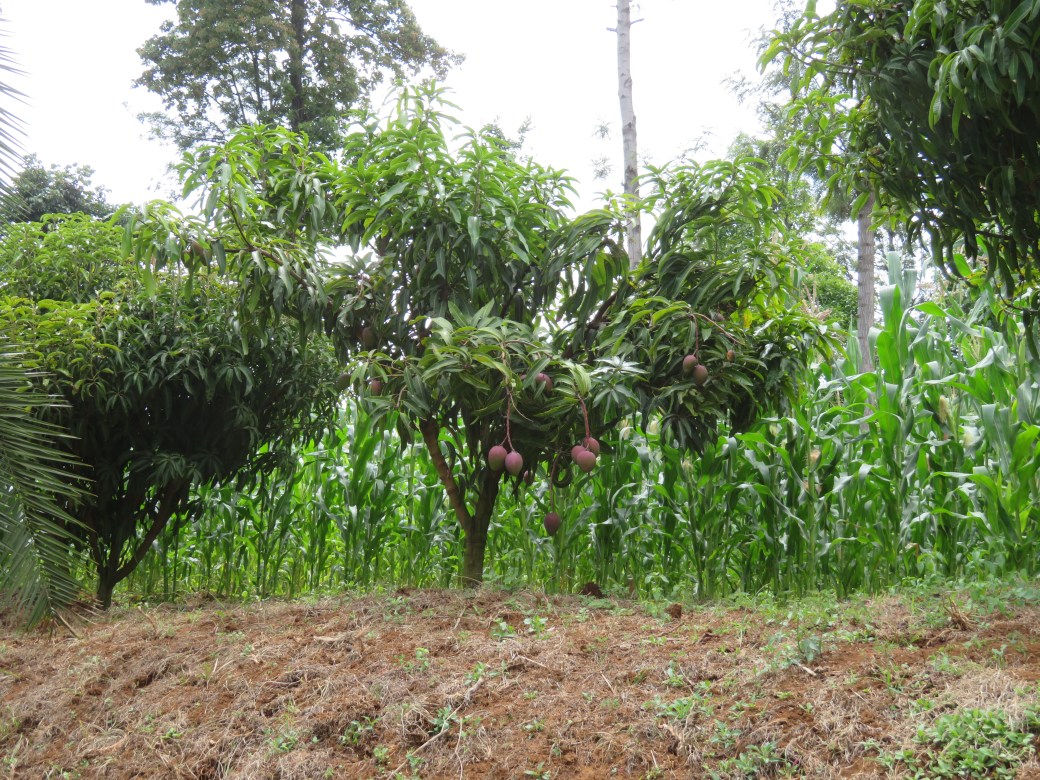
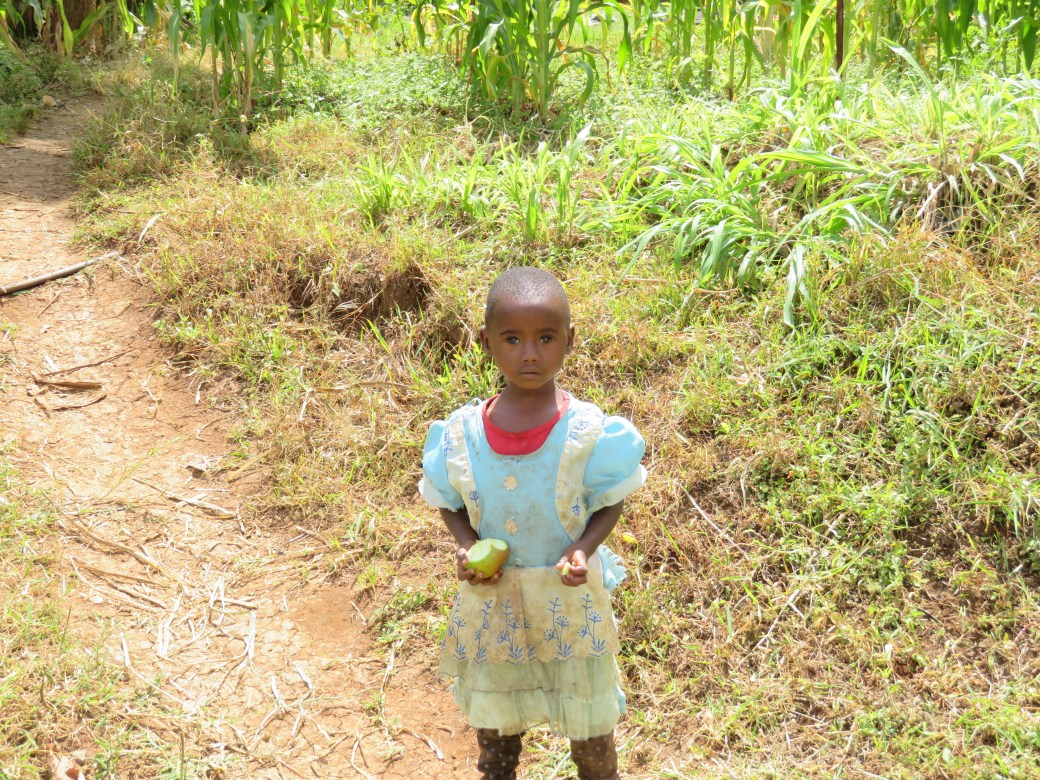
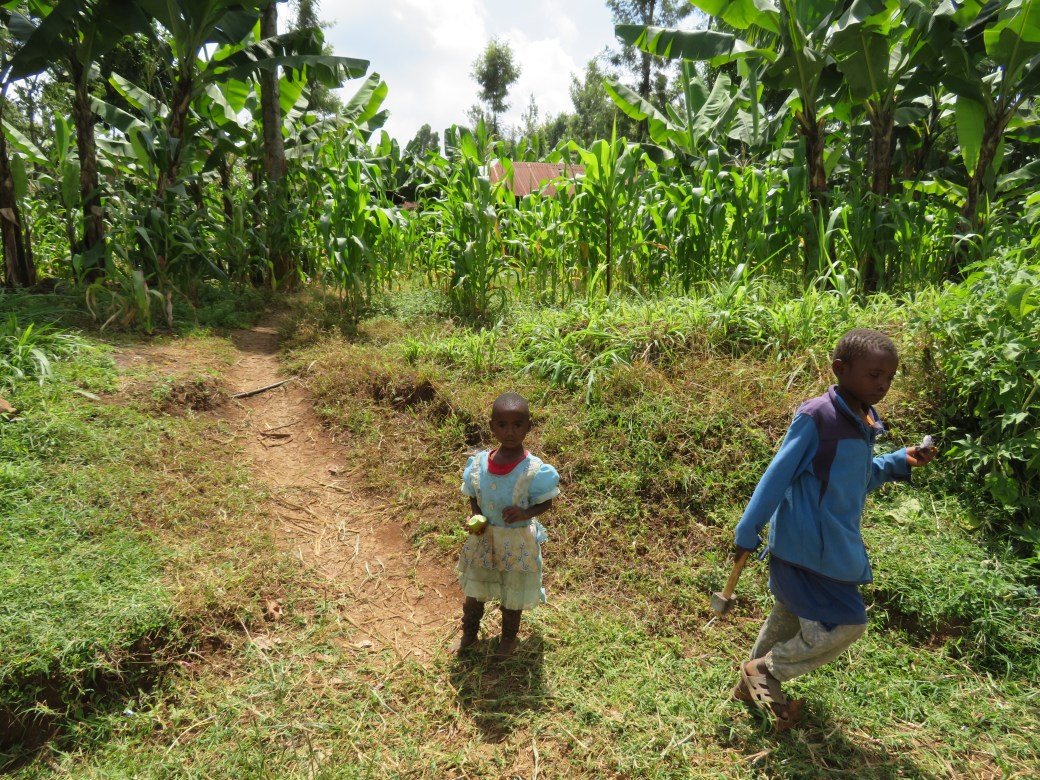

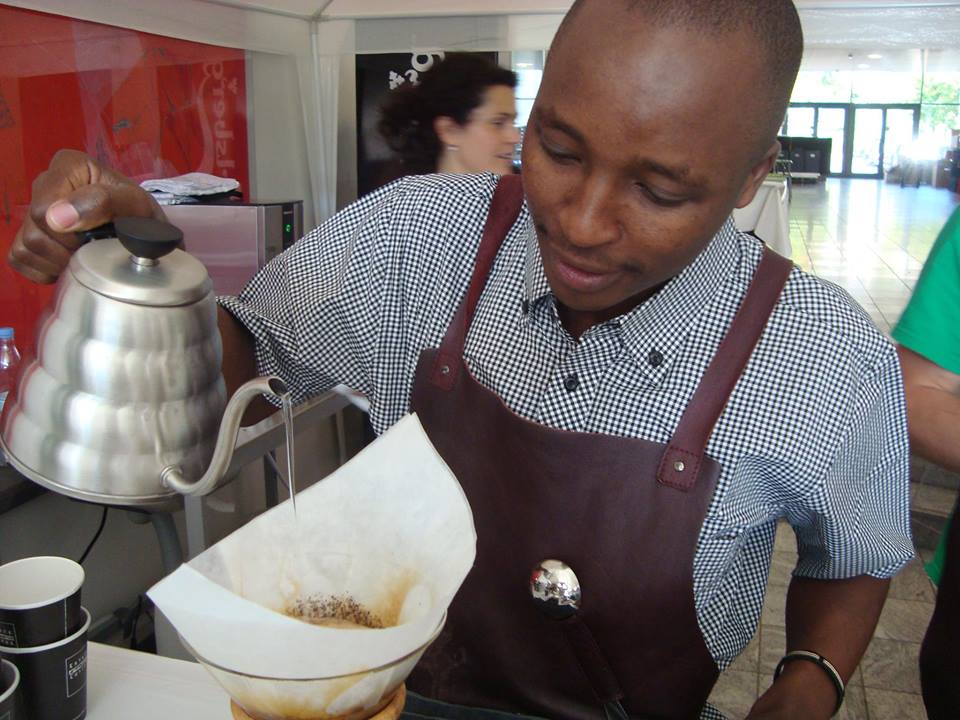
To explore Kenyan coffee production in depth, I reached out to John Makau, the Kenyan Barista Champion for 2007, 2008, and 2009, to help organize visits to coffee farms and processing stations. While I couldn’t meet him in person because he was in Addis Ababa, Ethiopia, working on coffee training projects and setting up a modern roastery, we stayed in constant contact. With the assistance of his partner, Steve Kirimi, we arranged the schedule to fully explore the coffee of Kenya.
John Muli Makau, a professional barista, rose from working behind the counter to becoming a national champion. He is passionate about mentoring emerging baristas and introducing them to the world of specialty coffee. John began his coffee career in 2006, quickly achieving recognition at the World Barista Championship as Kenya’s representative. By 2009, he became a national barista trainer in Kenya and eventually a judge. John works across the entire coffee supply chain, from farm to cup, focusing on innovation, training, and promoting the value of specialty coffee. His future goal is to deepen his expertise in coffee processing and eventually open his own specialty coffee shop.
“Africa at large is raising the bar in the specialty coffee market,” John explained. “Progress has been remarkable, from farm to barista level, driven by competition, fair pricing, and incentives from buyers and private investors who support farmers directly.”
John’s insights offered a valuable perspective on how Kenya’s coffee industry is evolving, emphasizing the importance of quality, training, and collaboration throughout the coffee chain.
At that time, I was staying near Lake Naivasha, about a three-hour drive northwest of Nairobi, situated within the Great Rift Valley. This lake lies at the highest elevation in the Kenyan Rift Valley at 1,884 meters (6,181 ft) and is surrounded by breathtaking scenery, home to over 400 bird species and a sizable population of hippos.
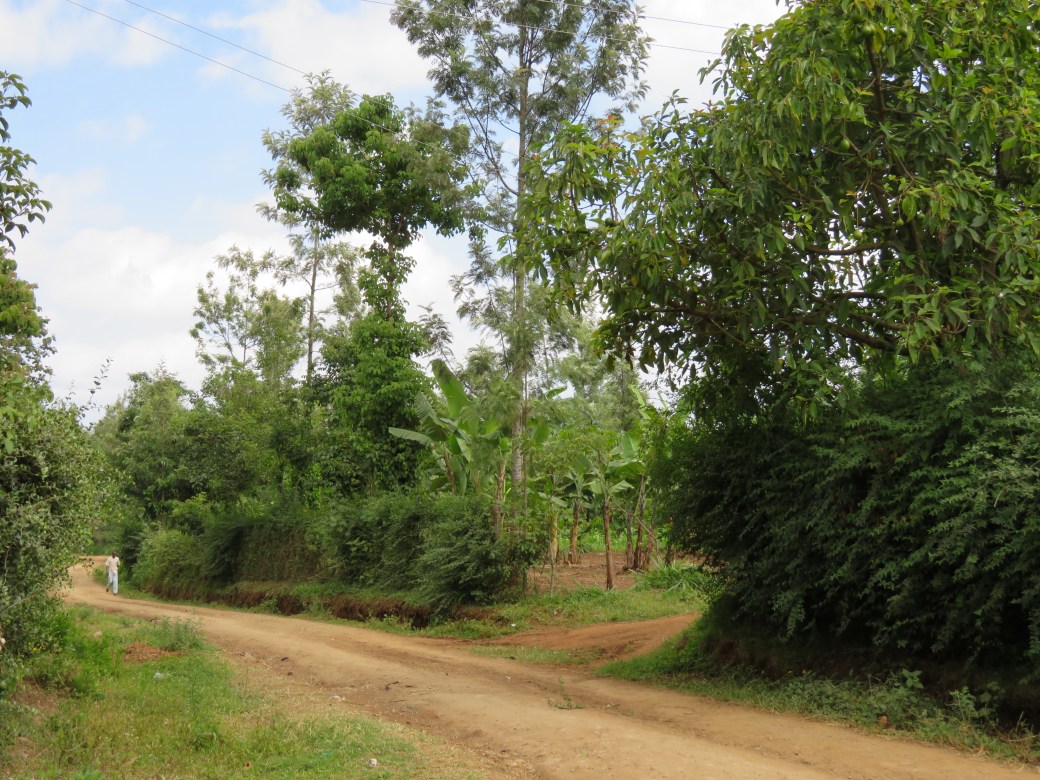
On December 29, 2017, I met with Steve Kirimi, and together we drove to the Meru region, approximately 269.9 km (about 4.5 hours) northeast of Nairobi. The moment I saw the lush, expansive green fields and stunning landscape, my excitement soared—I was stepping into one of Kenya’s true jewels of coffee country.

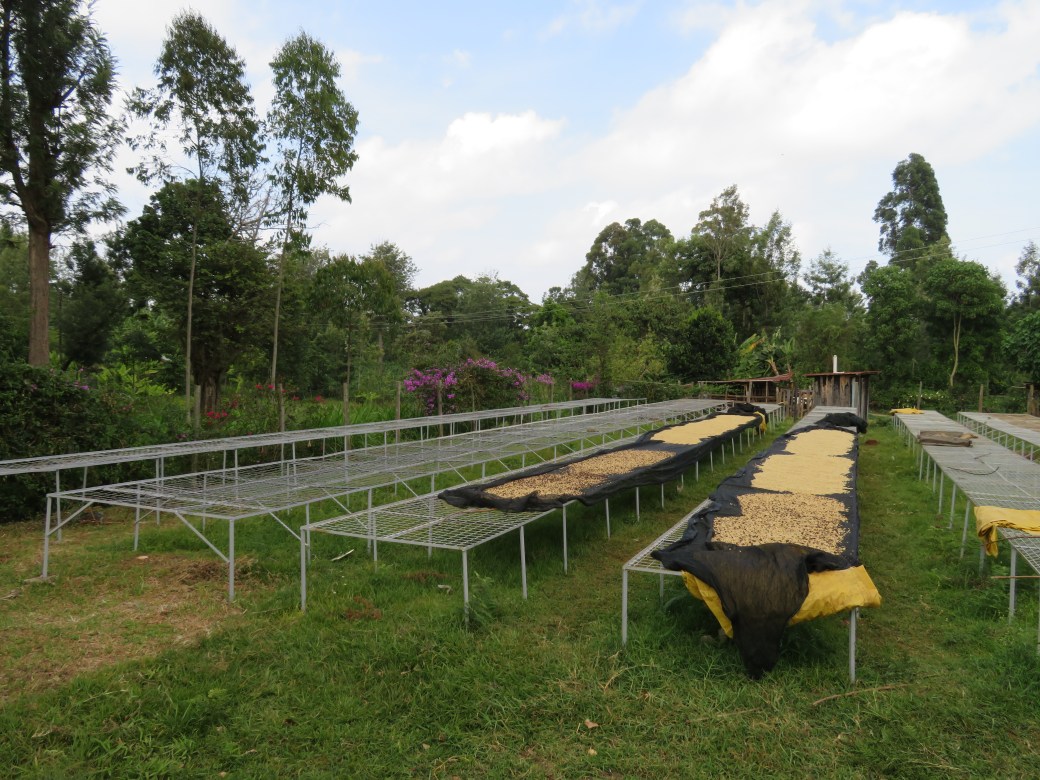
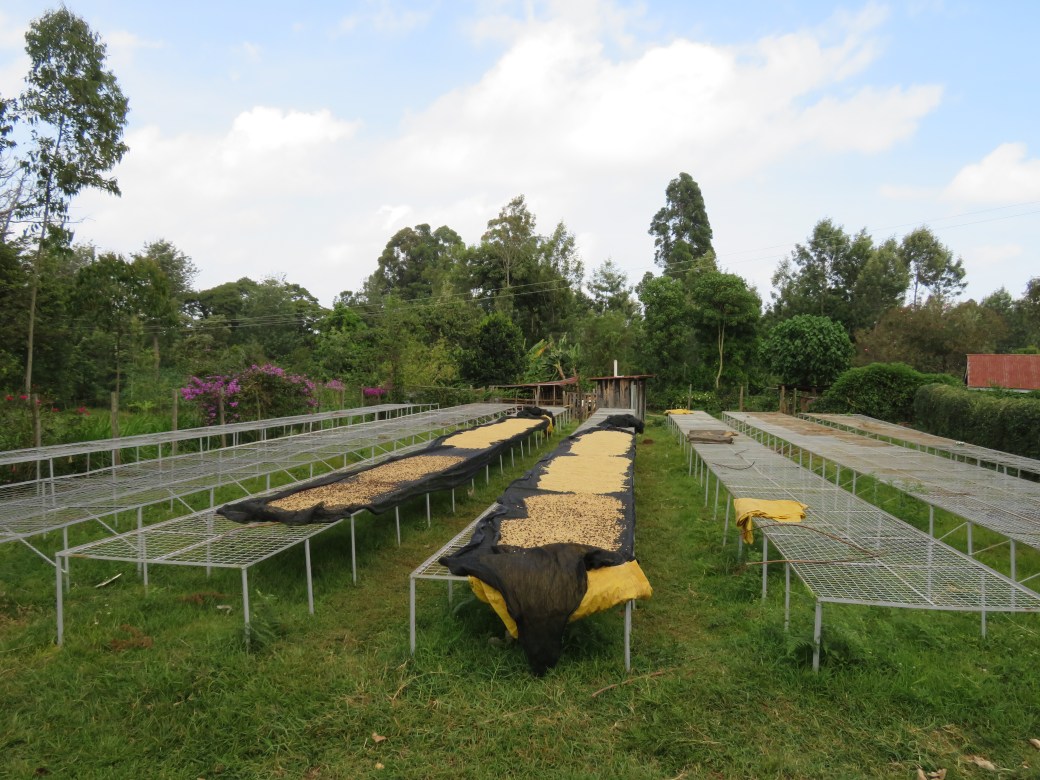
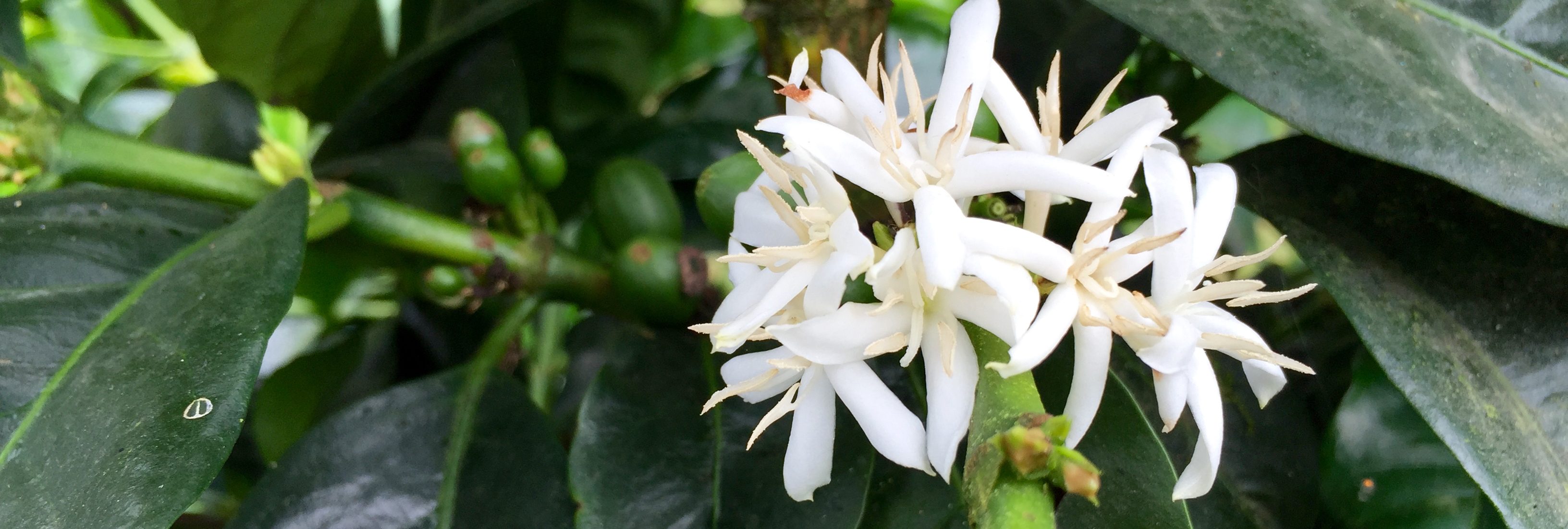
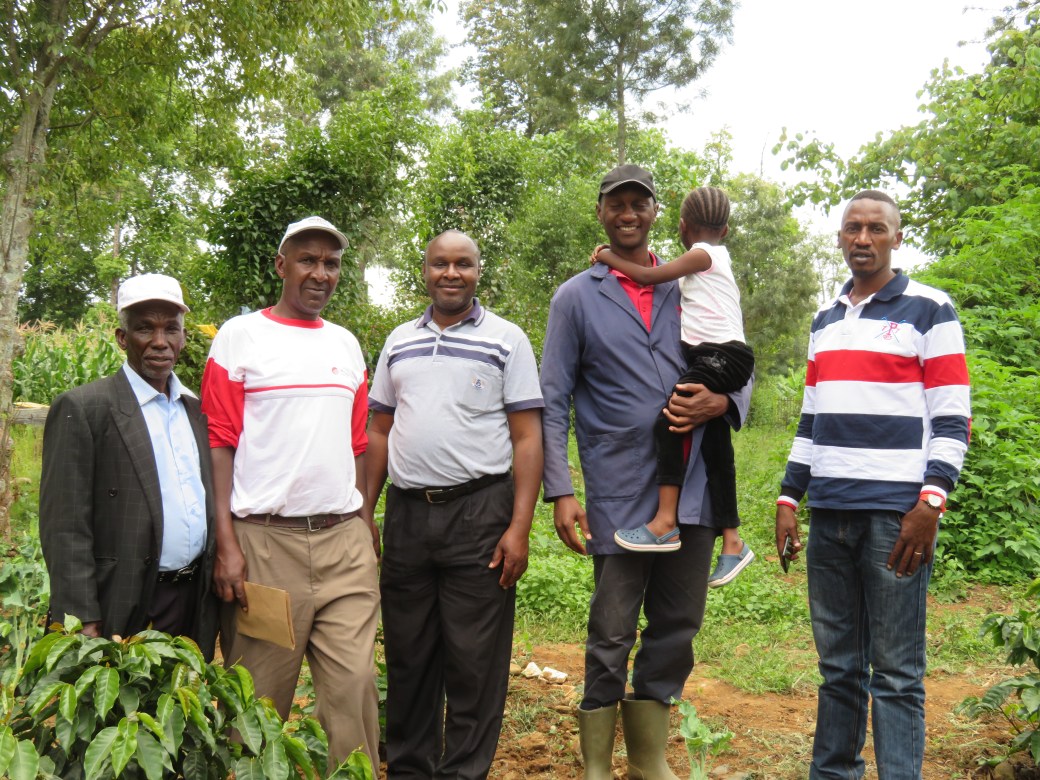
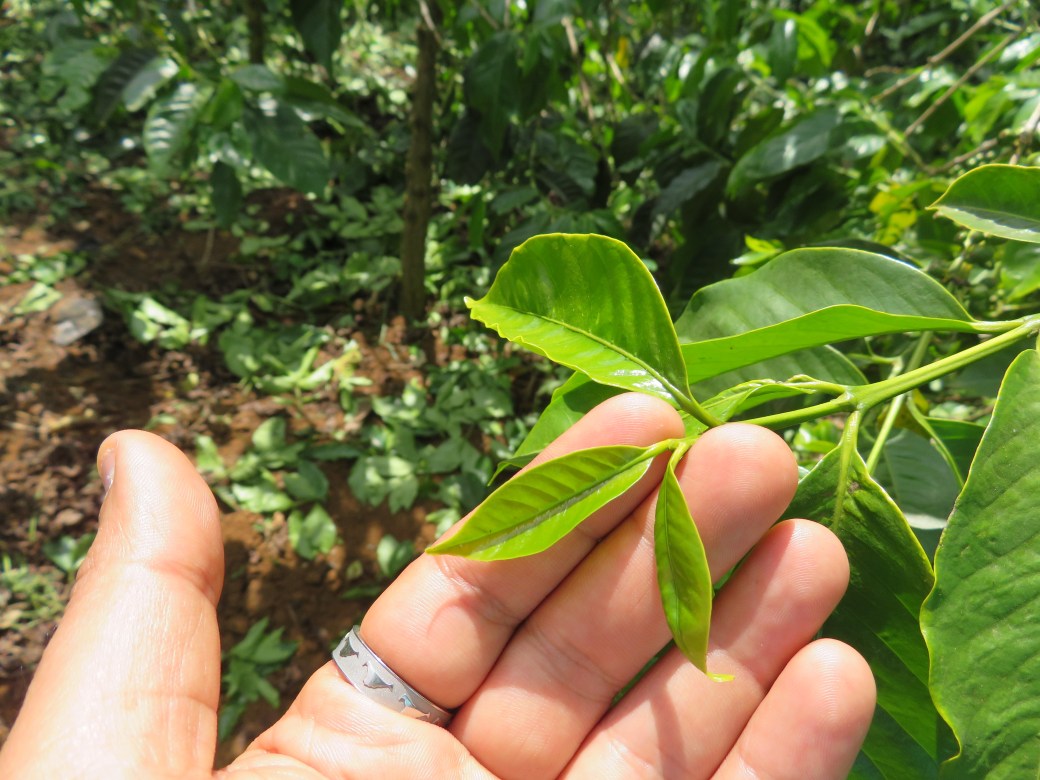
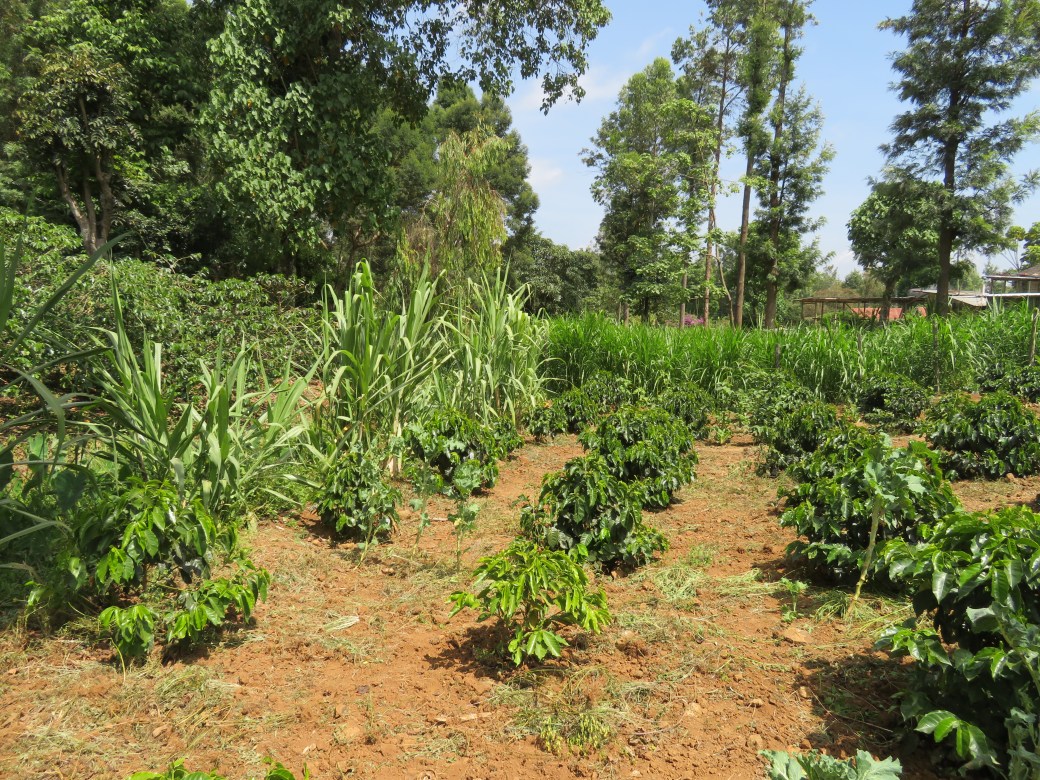
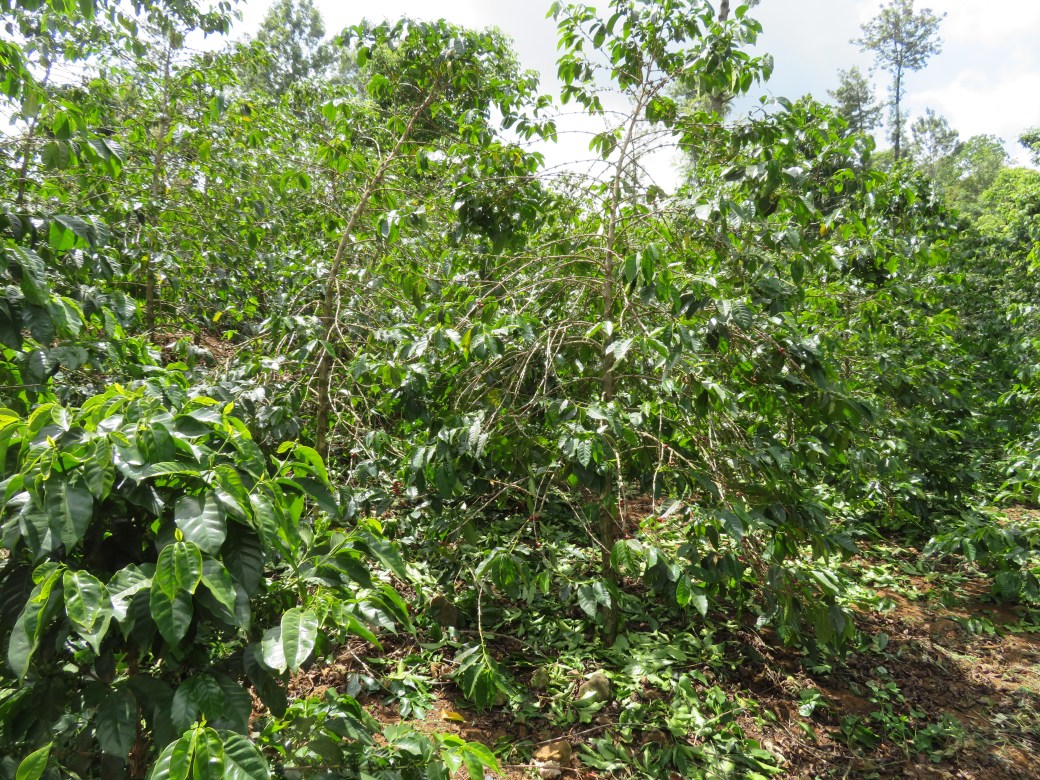
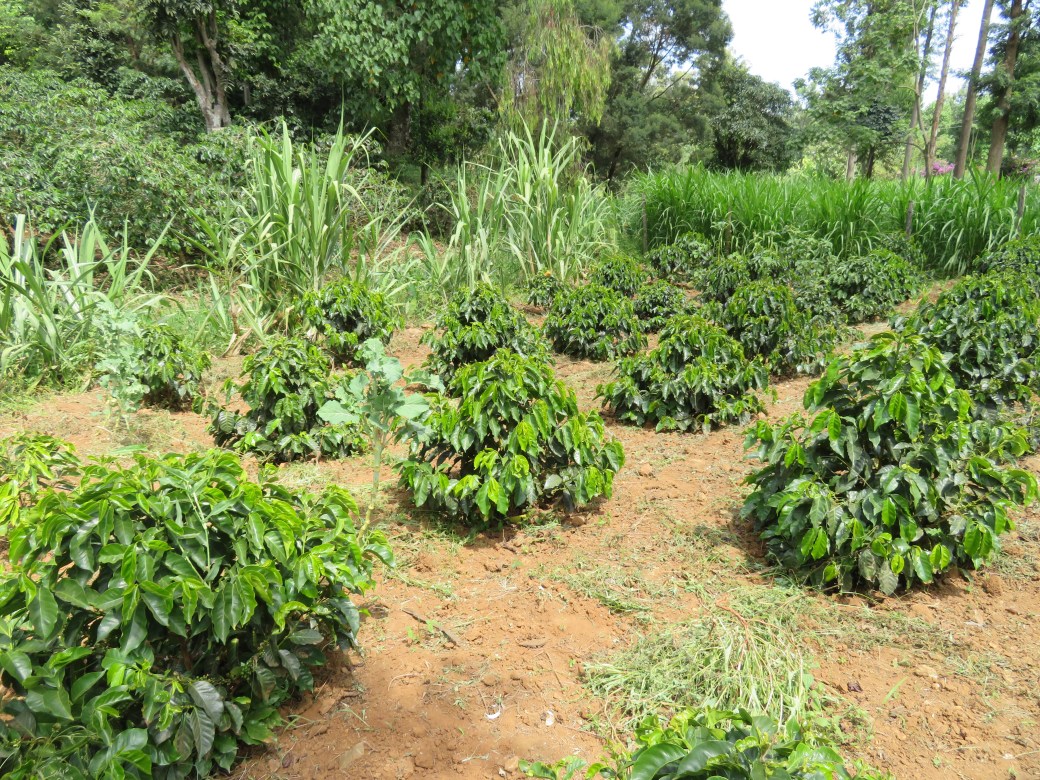
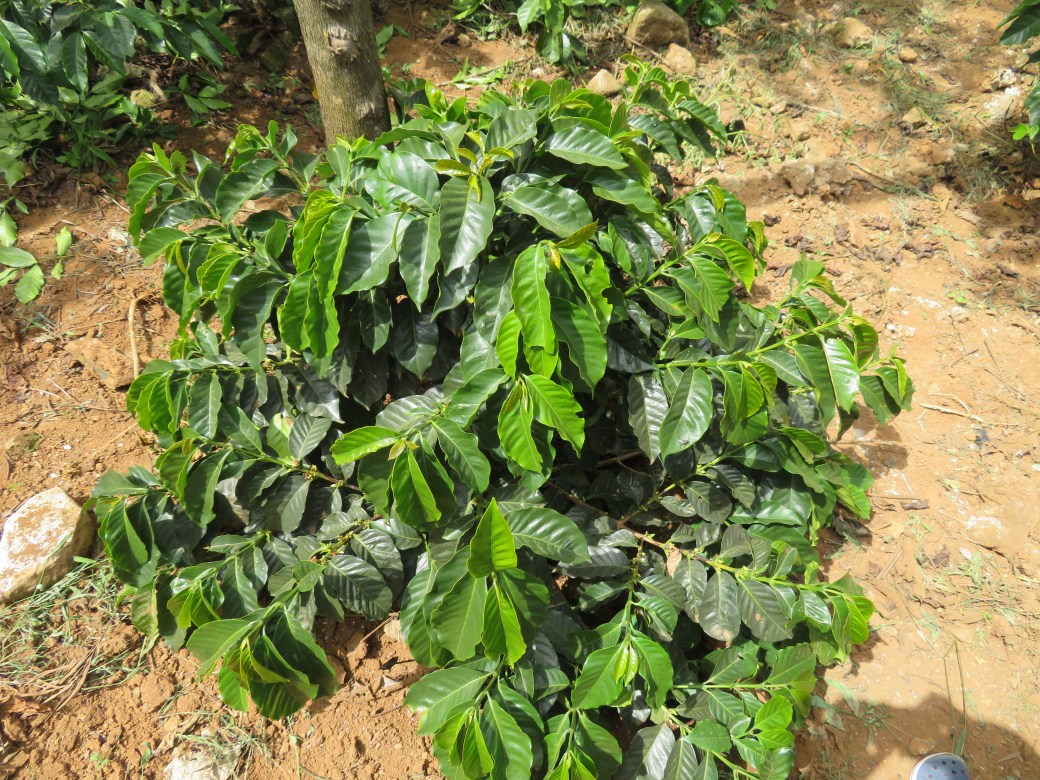
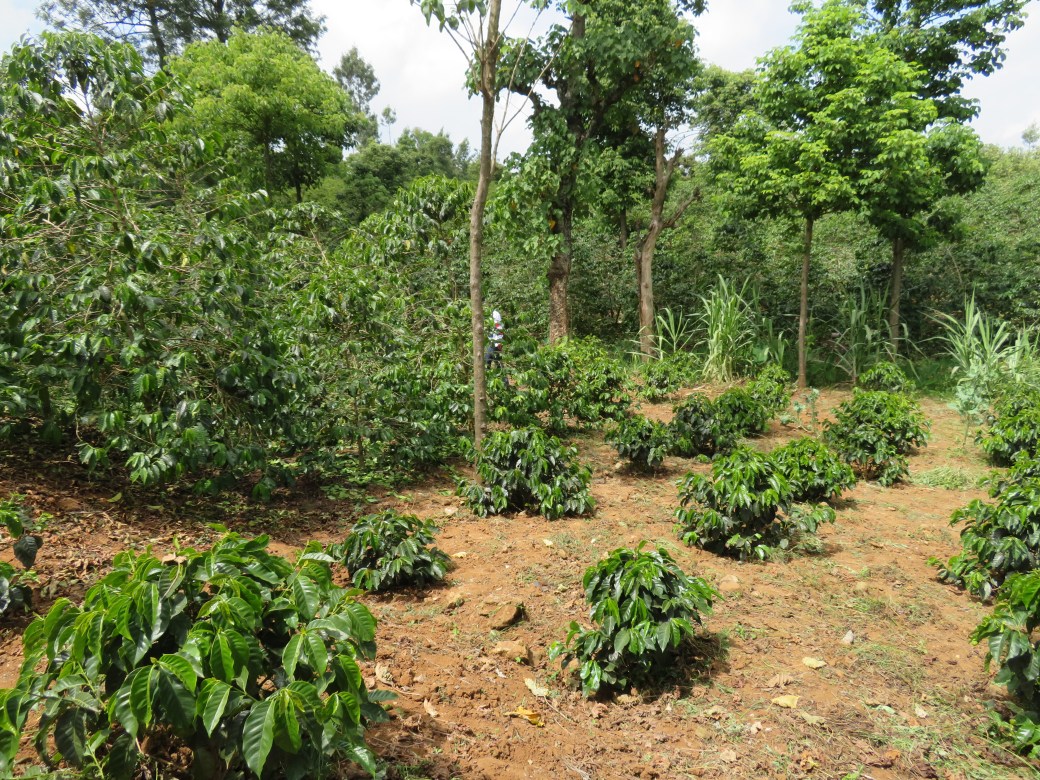
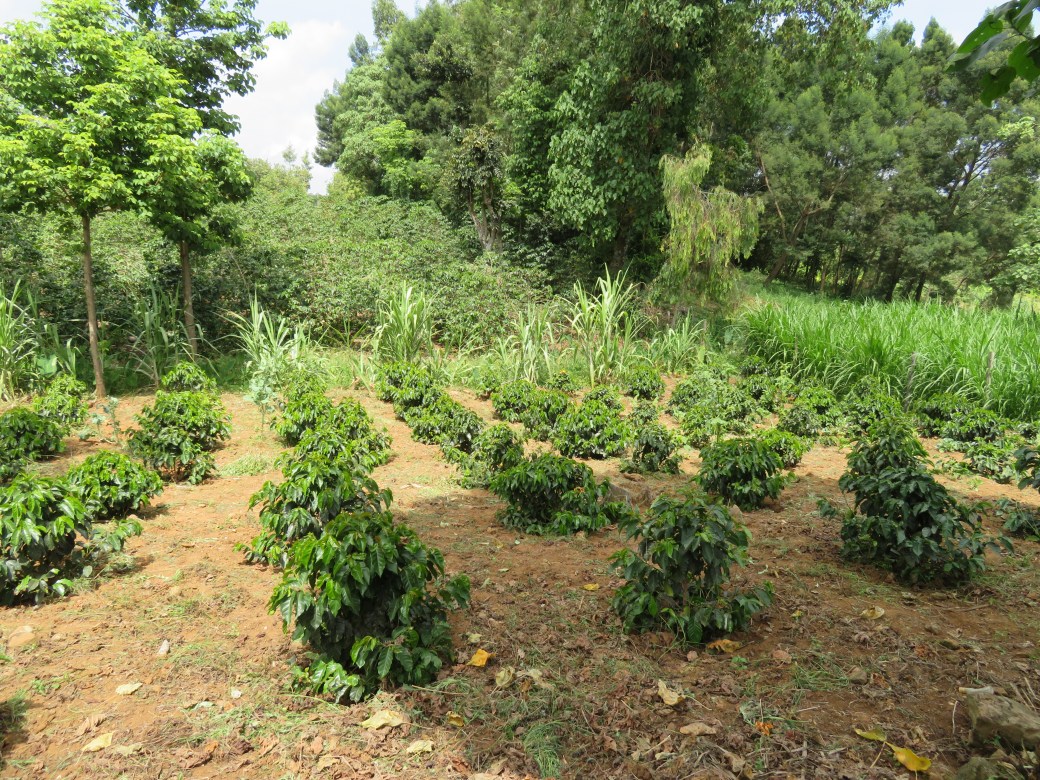
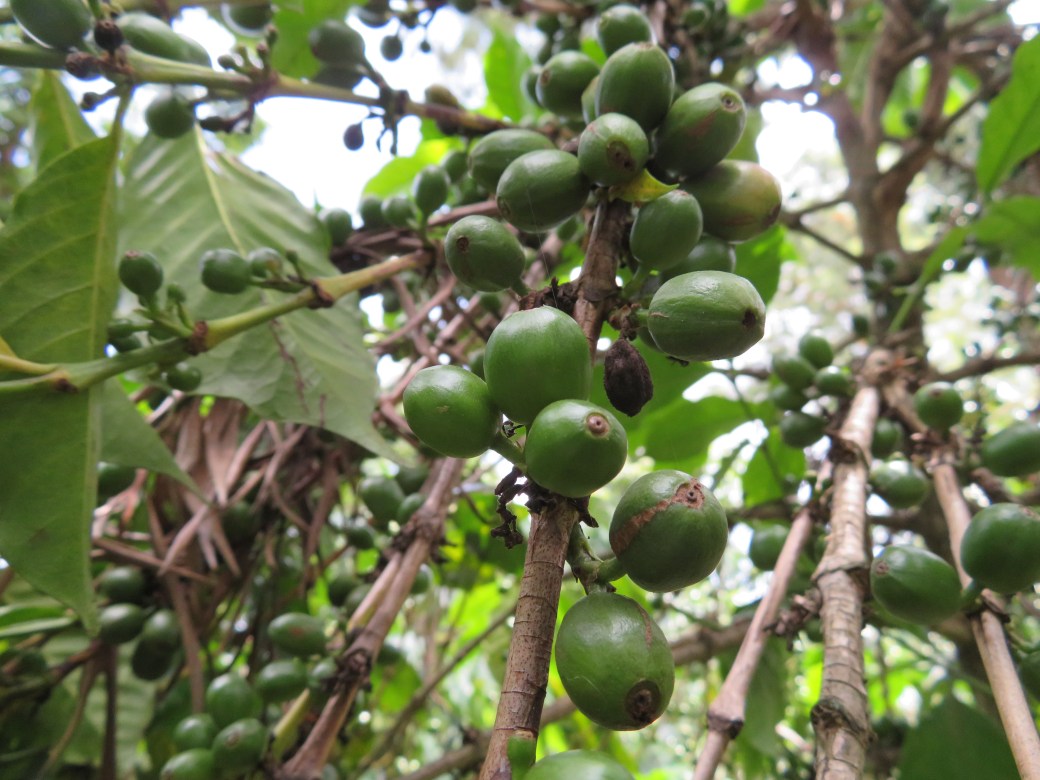
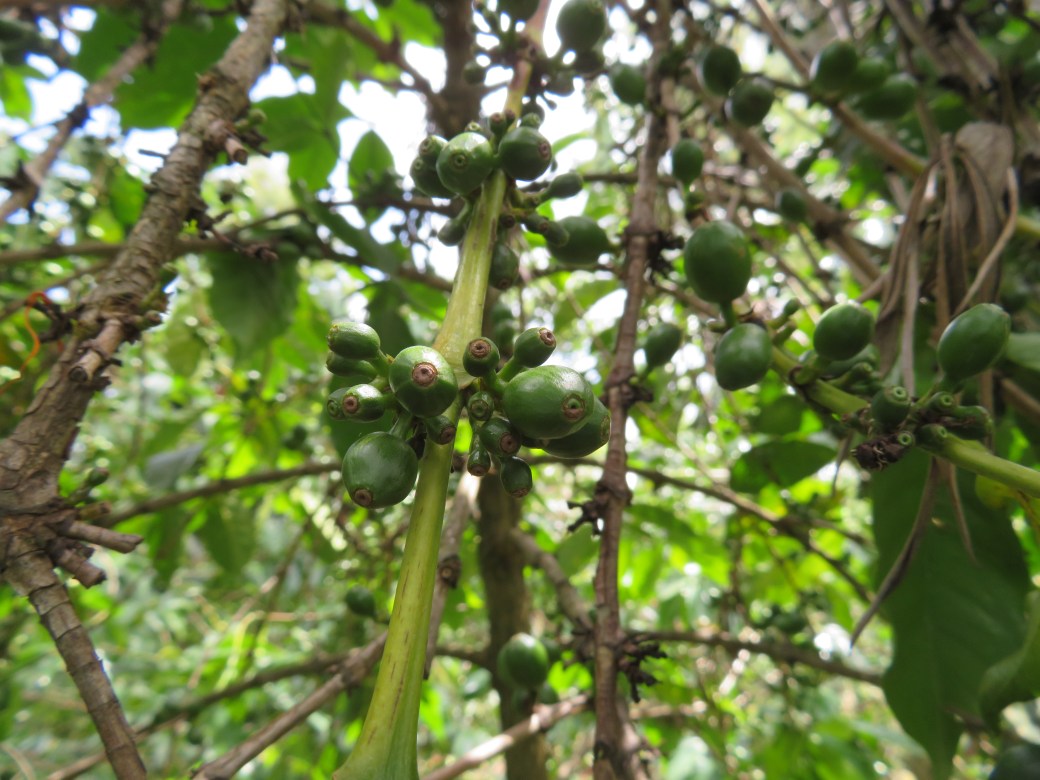
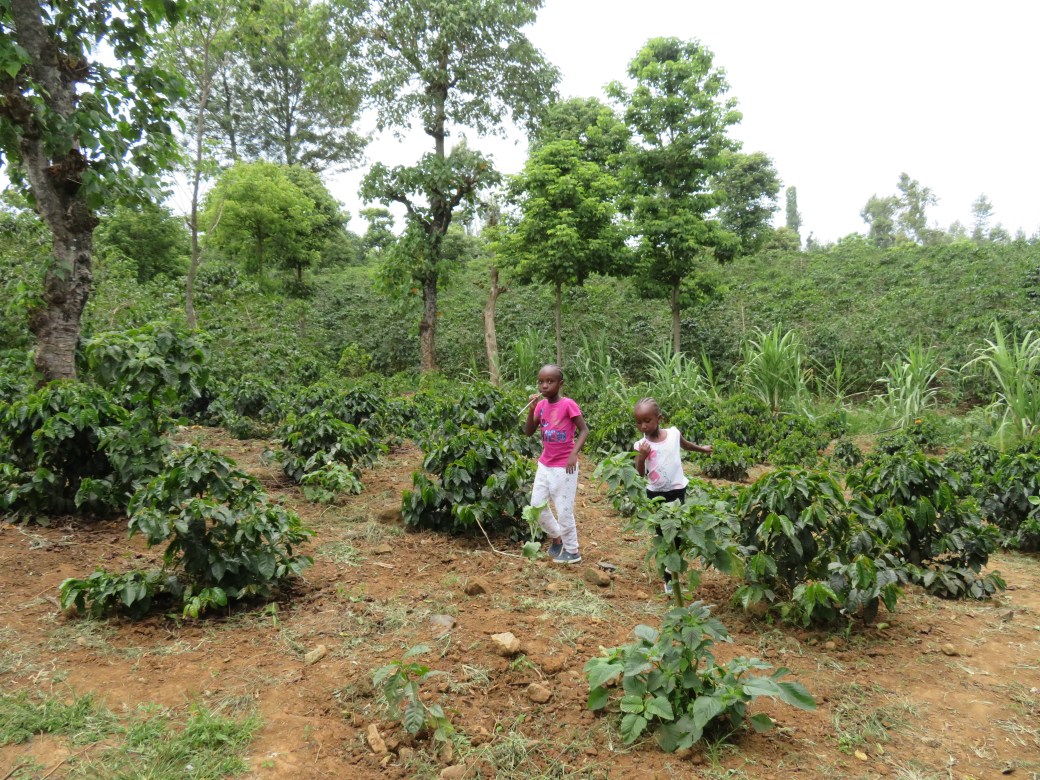
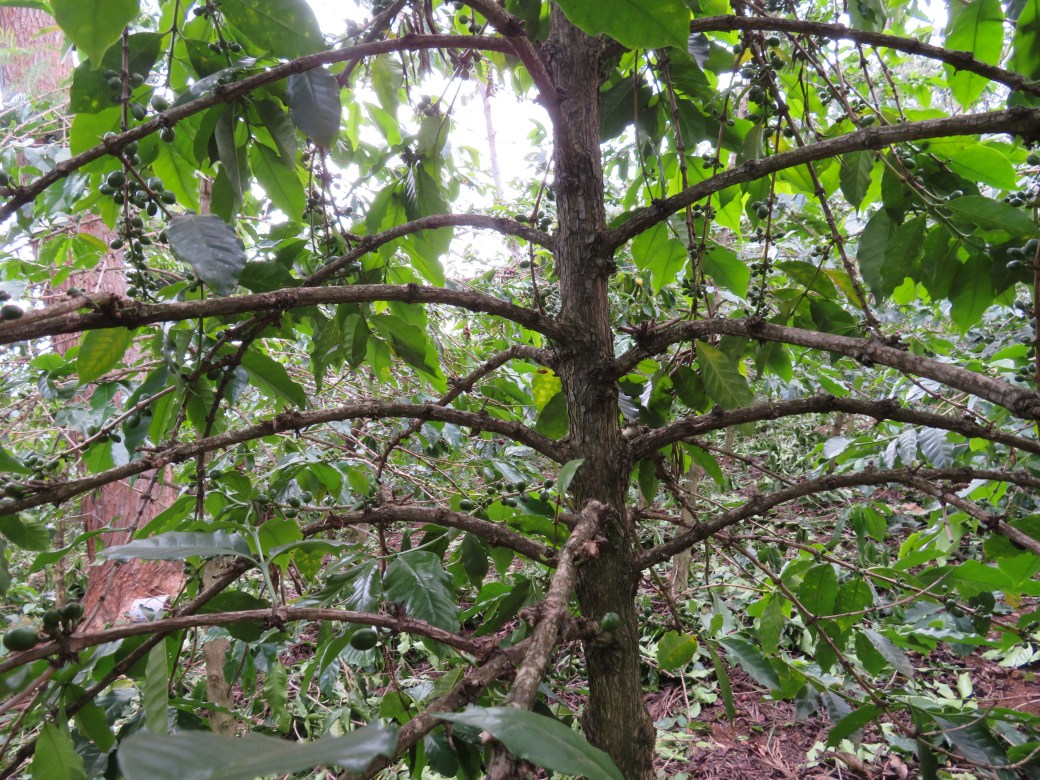
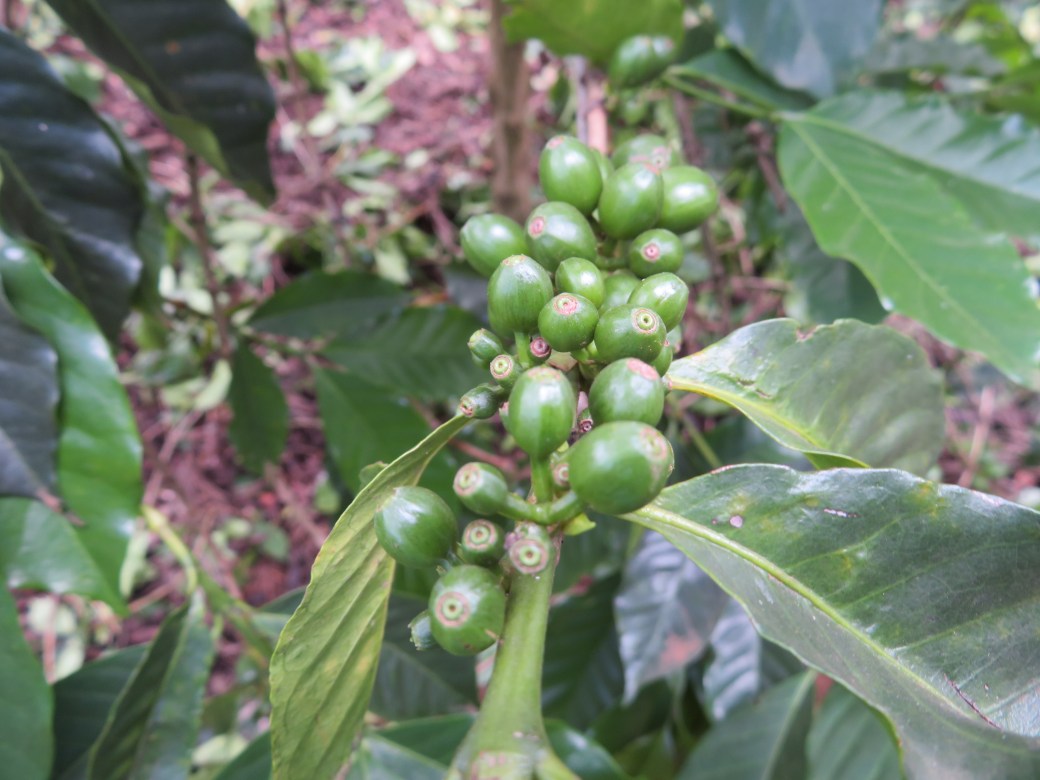
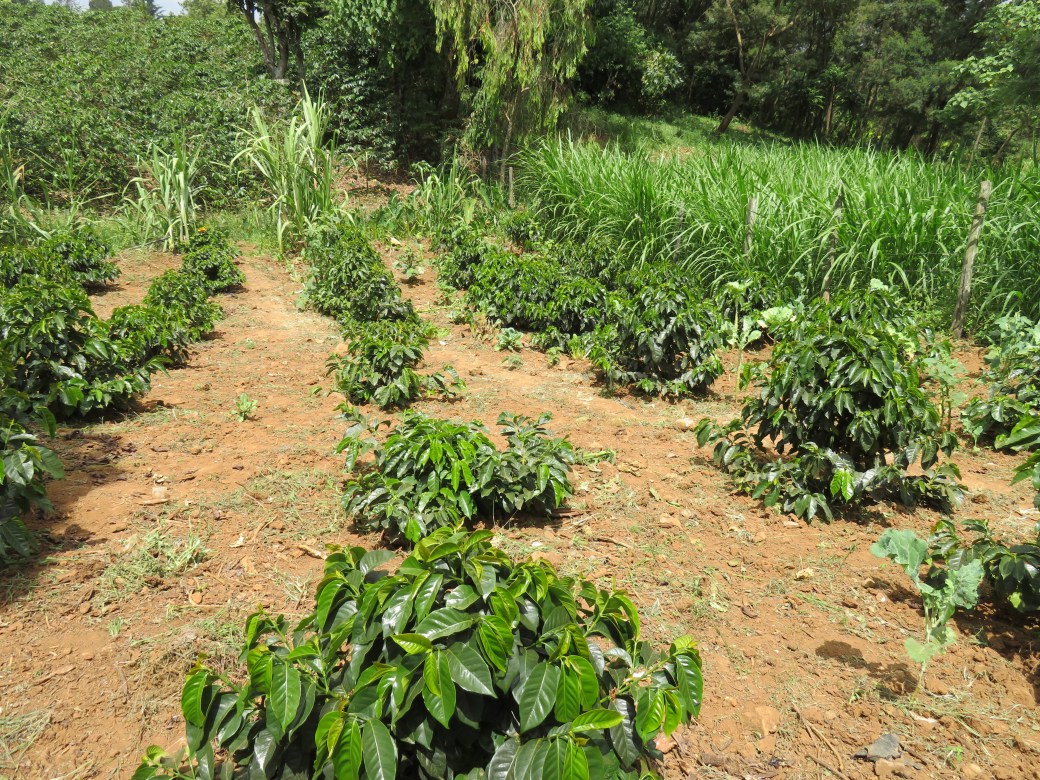
Finally, we arrived at Deman Coffee Estate, managed by Mutai. This 7.5-acre farm is exceptionally organized, showcasing meticulous attention to detail. The primary varietals cultivated here are Ruiru 11 and Batian. As I mentioned earlier, many farmers avoid planting SL28 and SL34 despite their high regard in the specialty coffee market. The reason is leaf rust, locally known as “la roya.” These iconic varietals are highly susceptible to fungus, which significantly impacts yield. To protect their livelihoods and ensure sustainable production, farmers often turn to alternative varietals. Coffee berry disease (CBD) is another major threat—it was first identified in Kenya in 1922 and has since spread to Central America and the Caribbean, devastating plantations if not properly managed.
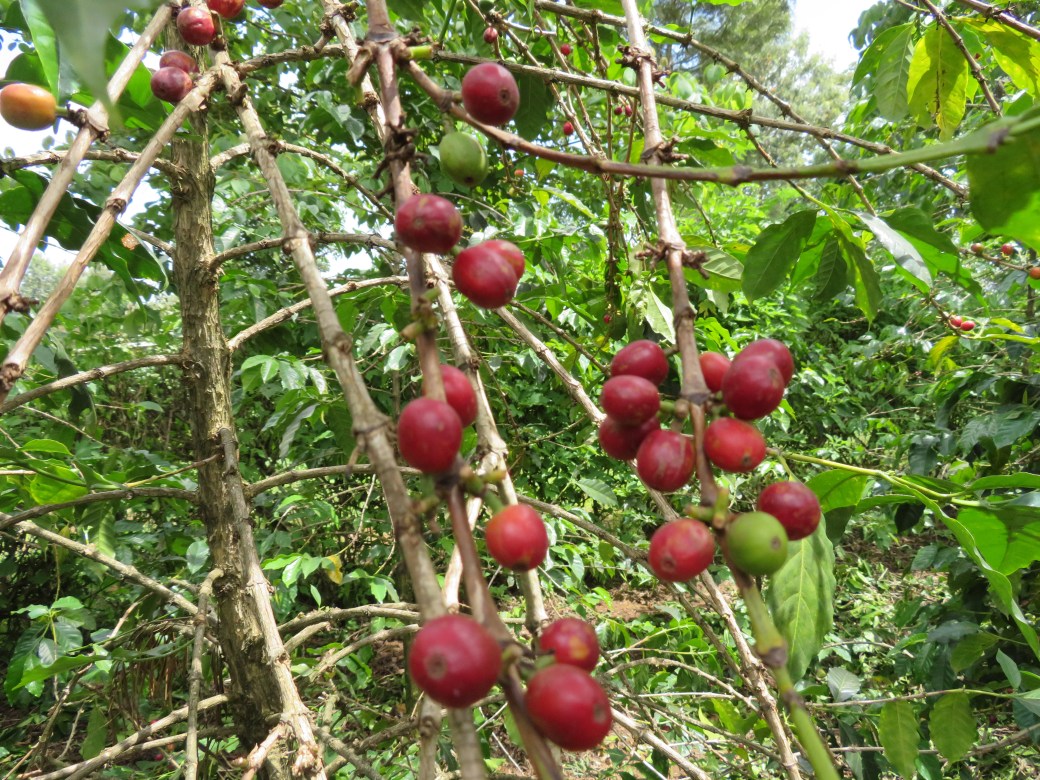
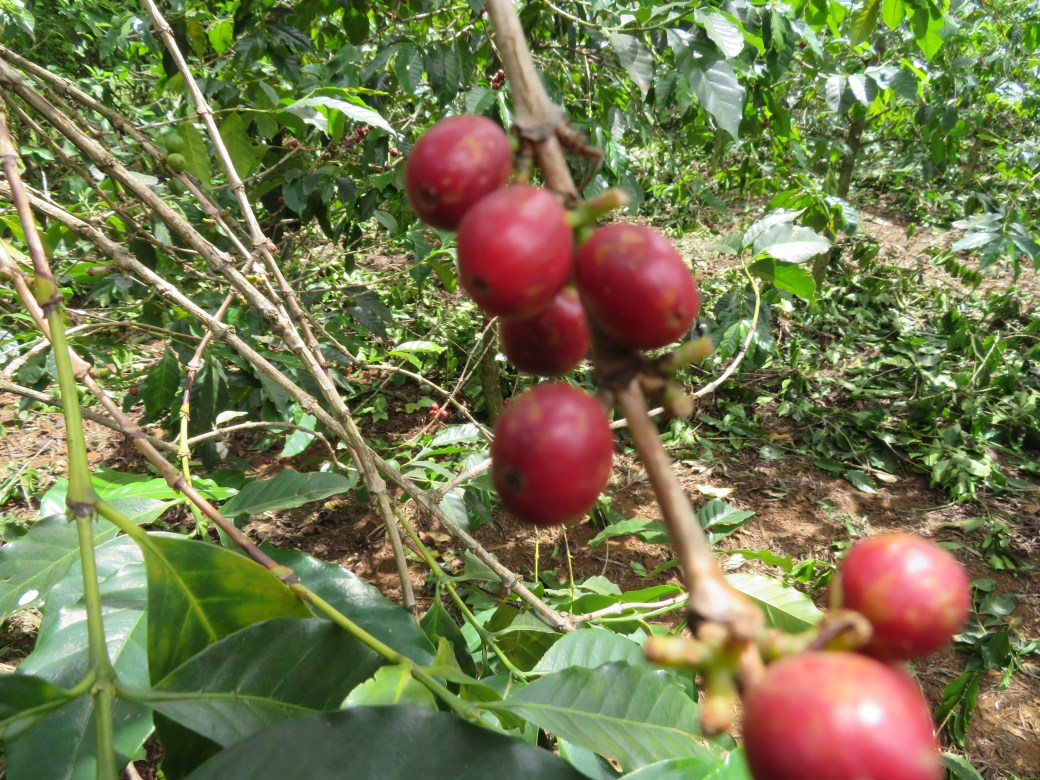
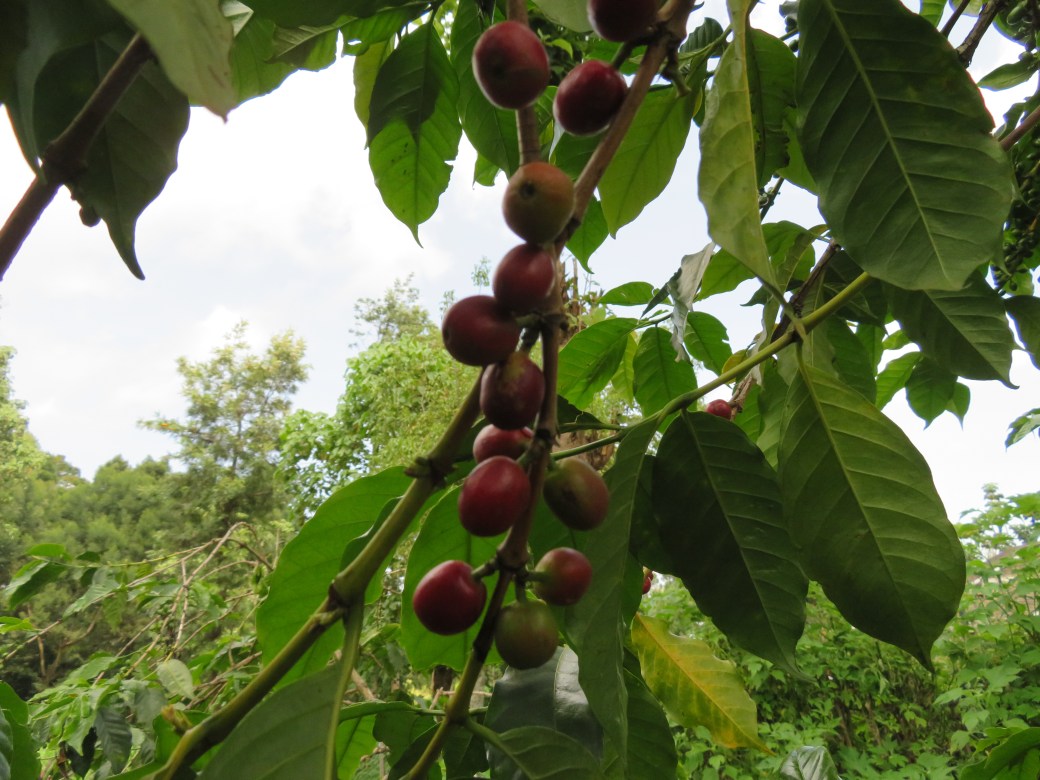
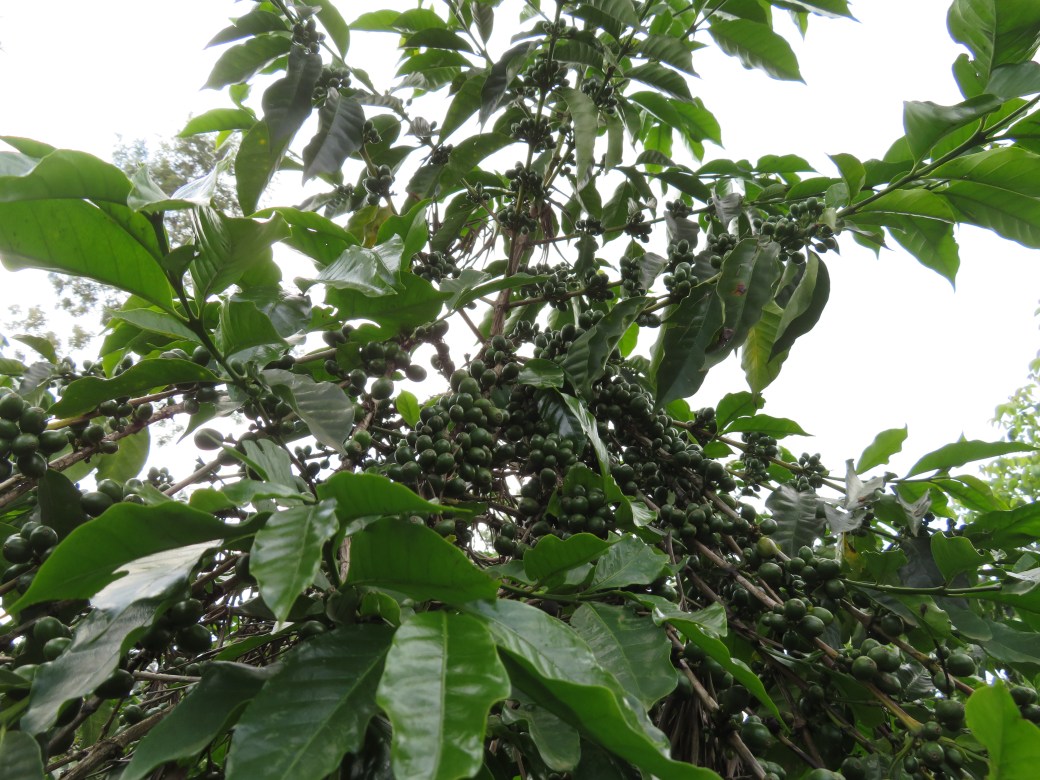
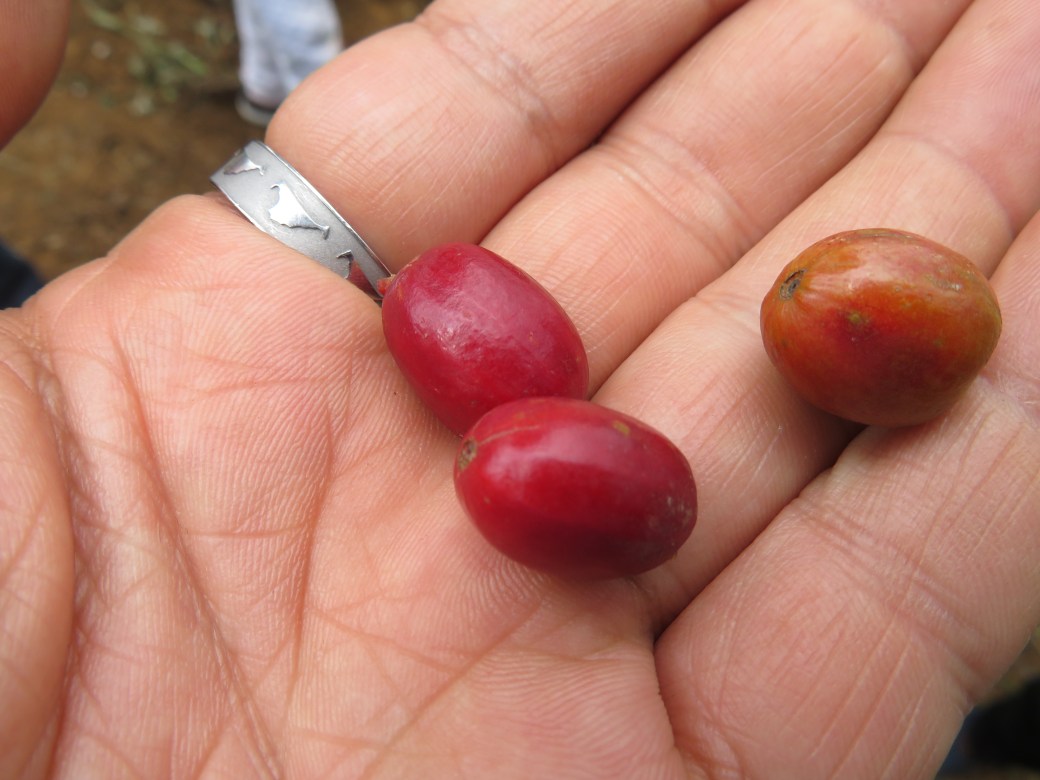
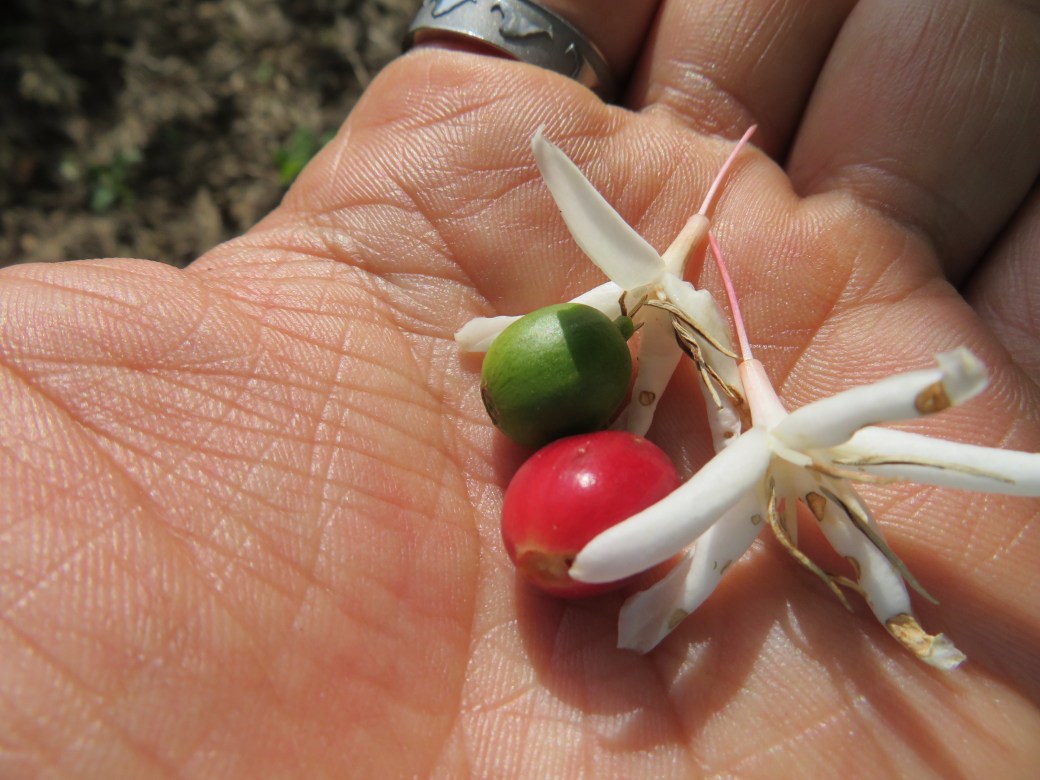
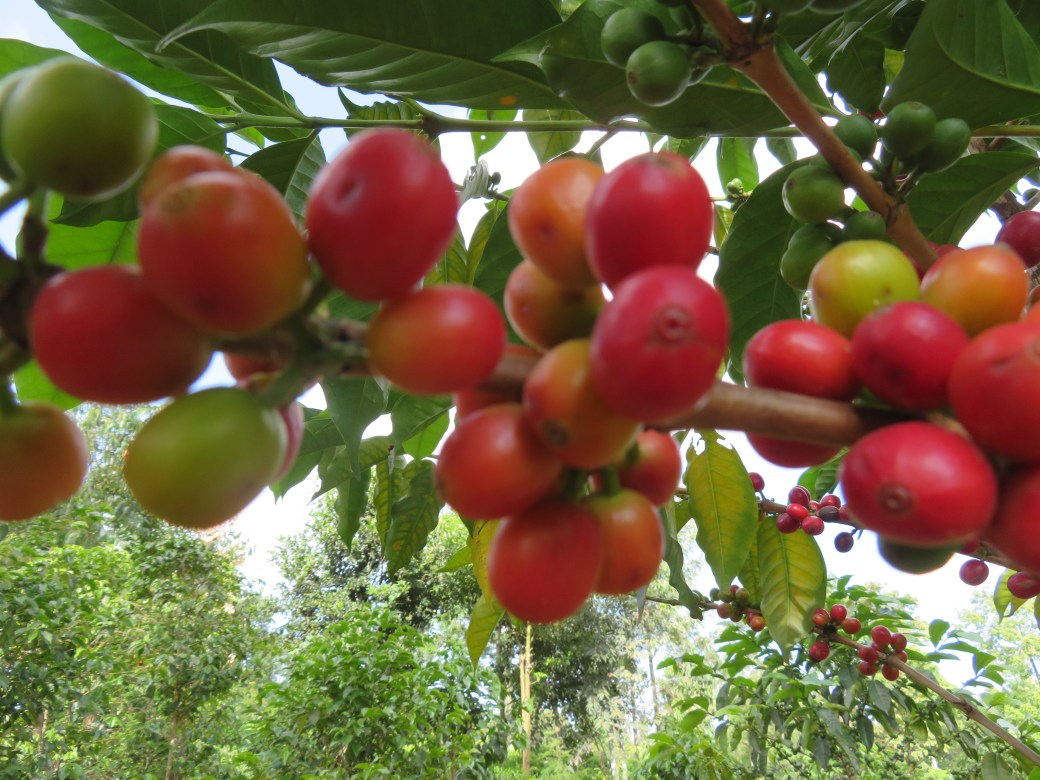
Batian was new to me—I had never tasted or cupped this variety before, and I was eager to learn more. Generally, the highest quality coffee is exported, leaving little for local consumption, making it rare to find exceptional coffee in producing countries. From my research, Batian was introduced by the Coffee Research Institute in 2010 and is genetically related to SL28. Reports suggest that Batian may even outperform SL28 on the cupping table, though I have yet to verify this personally. Its characteristics are impressive: as a true Arabica breeding variety, it is resistant to both CBD and leaf rust. The cherries are larger and more uniform than those of SL28, with a deep red hue and earlier ripening.
Compared to Ruiru 11, Batian not only offers higher yields but also promises exceptional quality. Walking through Deman Coffee Estate and observing the care and precision devoted to each varietal, I could see why this farm stands out as a model for sustainable, high-quality coffee production in Kenya.

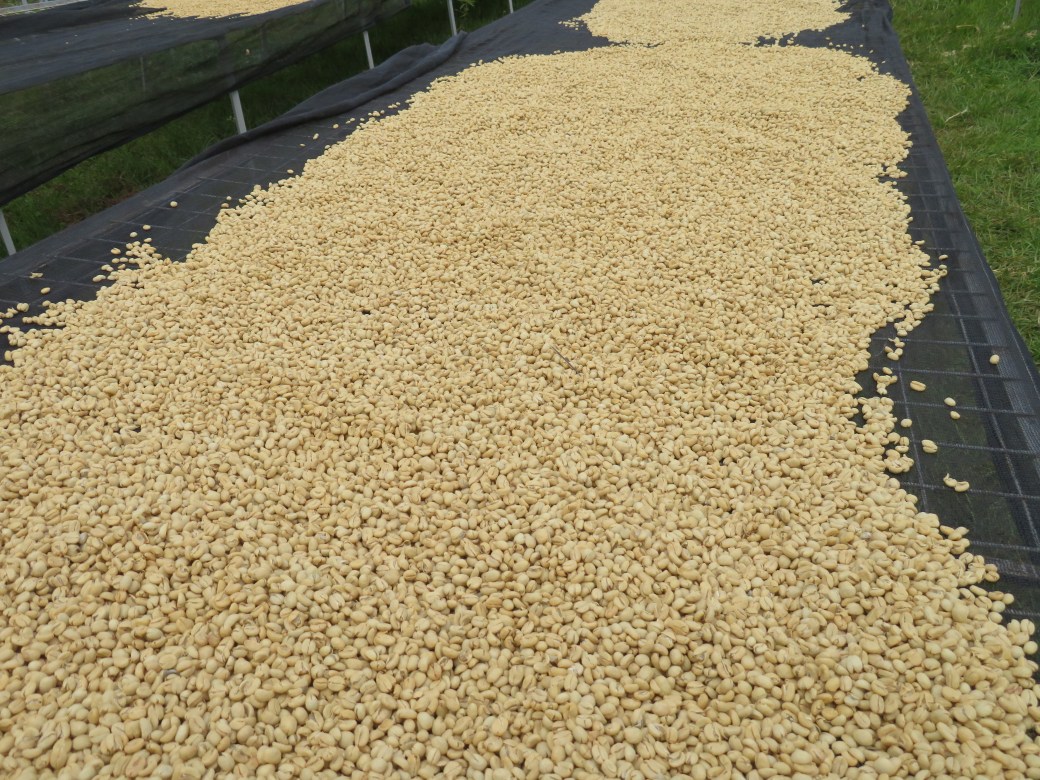

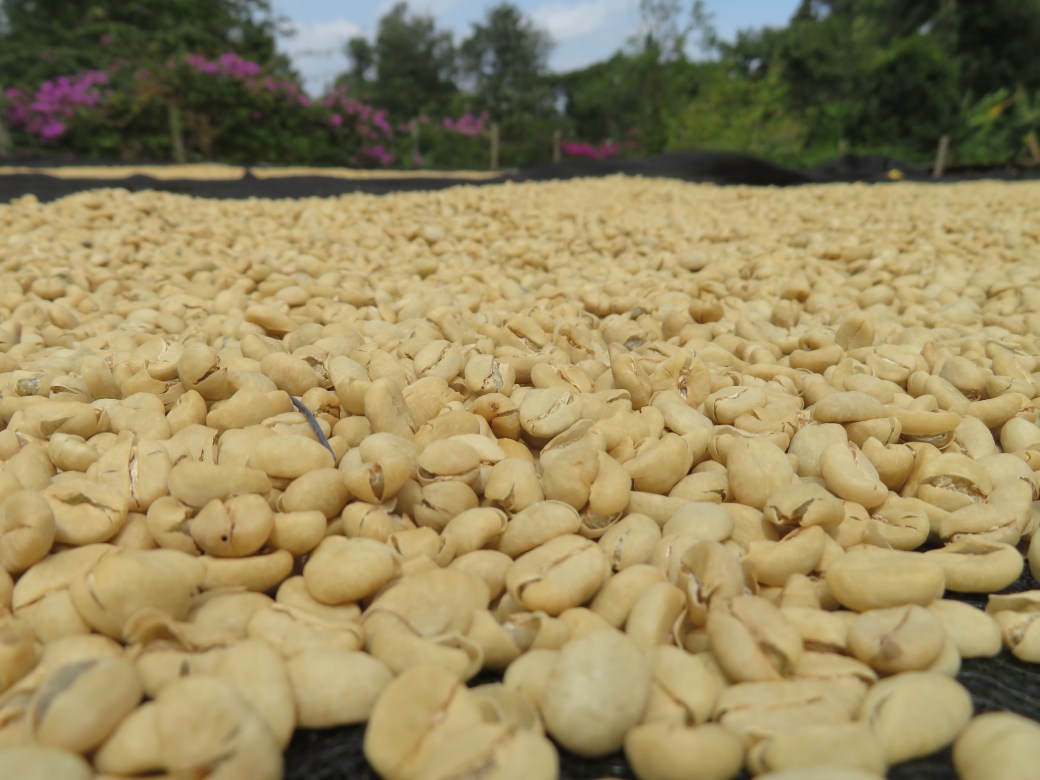


Ruiru 11, cultivated extensively at Deman Coffee Estate, was developed in the 1970s and officially released in Kenya in 1986, named after the research station in the Ruiru region. This variety is highly resistant to fungal infections and insect damage, making it a practical choice for farmers who want lower input costs for treatments. However, its cup quality is generally considered less appealing to specialty coffee buyers because Ruiru 11 is a hybrid of Arabica and Robusta—essentially a cross between Híbrido de Timor and Rume Sudan. The Robusta content gives Ruiru 11 its robustness but also differentiates it sharply from Batian, which is purely Arabica and prized for flavor. Whether Batian will revolutionize Kenyan coffee and unlock its highest quality potential remains to be seen.
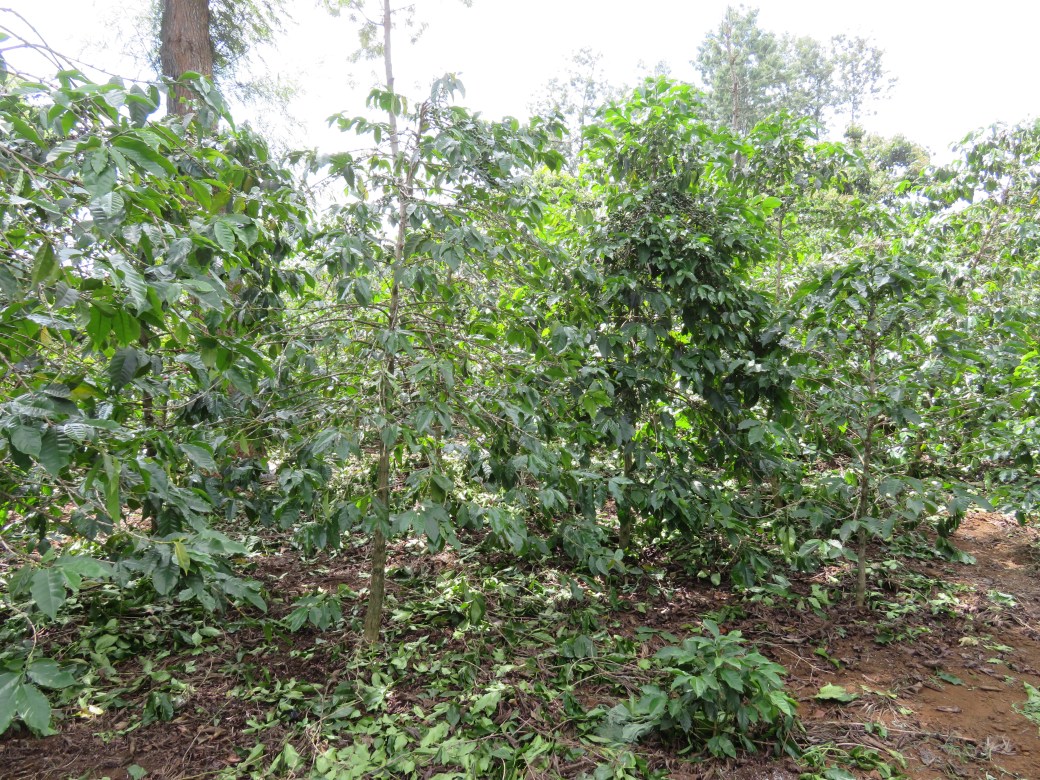
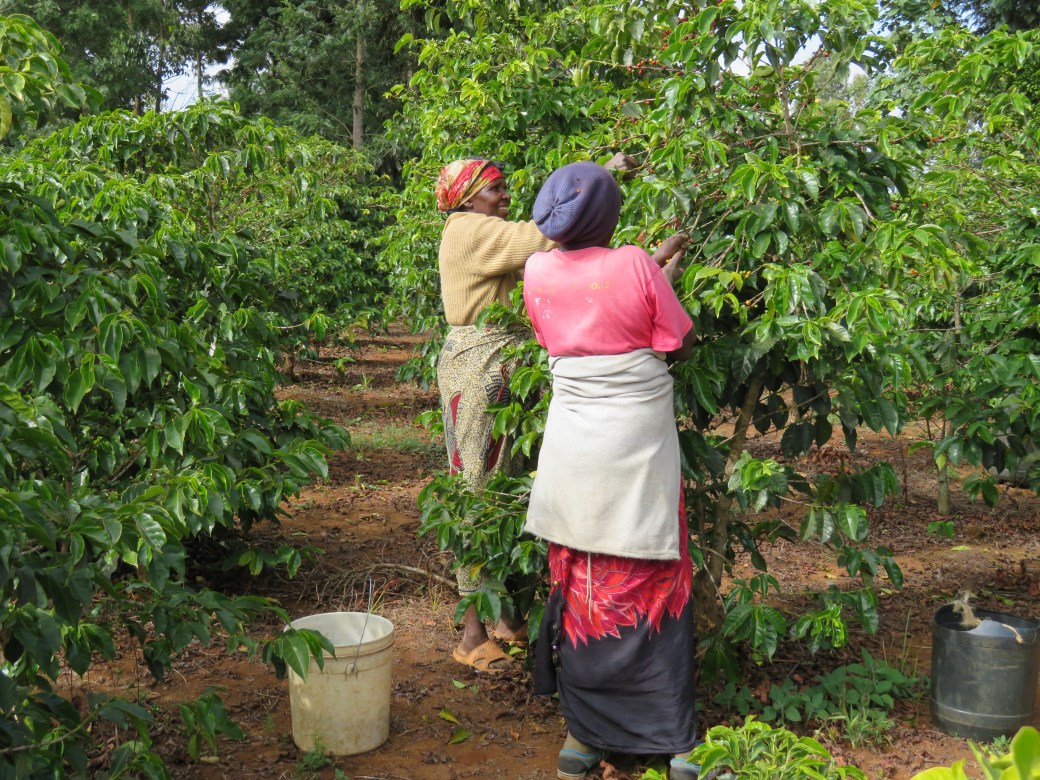
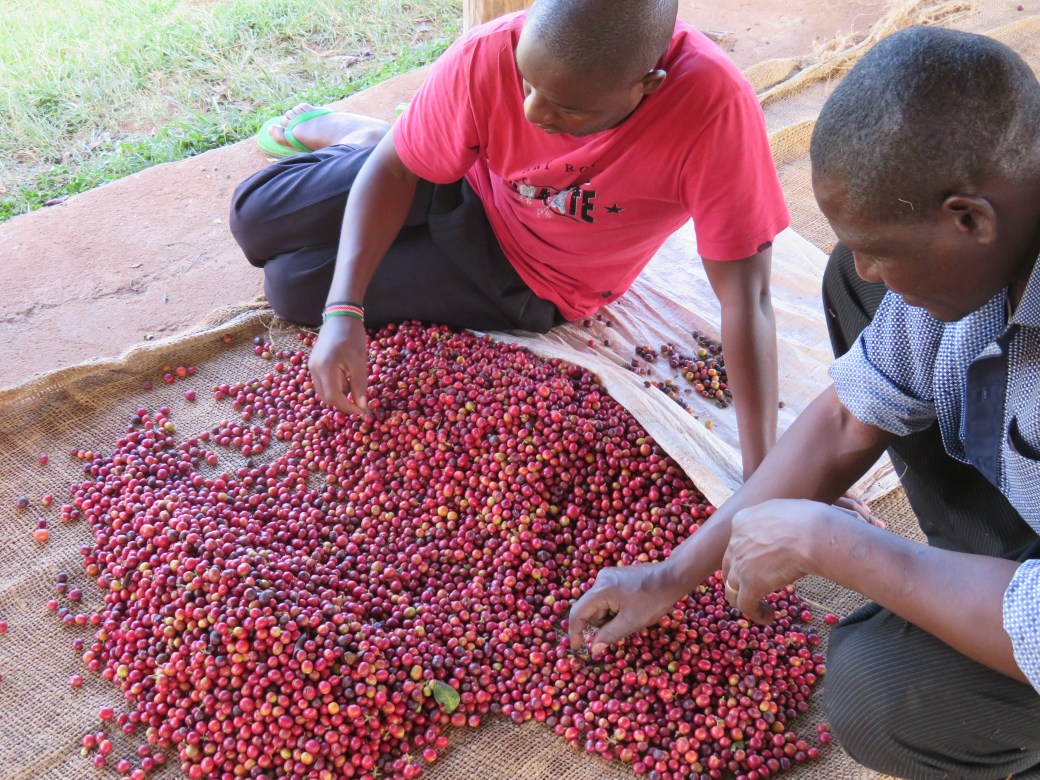
The main harvest at Deman Coffee Estate runs from March through July, with average production ranging from 5 to 10 kilograms per tree. Each varietal is planted in separate blocks, which makes selective picking easier and preserves the distinct flavor profiles of each type. Currently, the farm cultivates approximately 1,200 Batian trees and 6,500 Ruiru 11 trees. During harvest season, around 50 pickers are employed, earning KS 250 per day—roughly $2.50 at current conversion rates.
The estate is entirely organic, with no chemical treatments used. While certifications can indicate organic practices, the real value lies in understanding the hands-on care required to manage the farm naturally. Diseases and pests can have devastating effects, reducing yields and increasing costs for any farmer. For this reason, Mutai, like other careful growers in coffee regions, prioritizes prevention, protection, and vigilance to ensure long-term economic sustainability. By optimizing production, selecting high-yielding varietals, and minimizing chemical interventions, coffee farmers gain both financial stability and a competitive edge in the market.
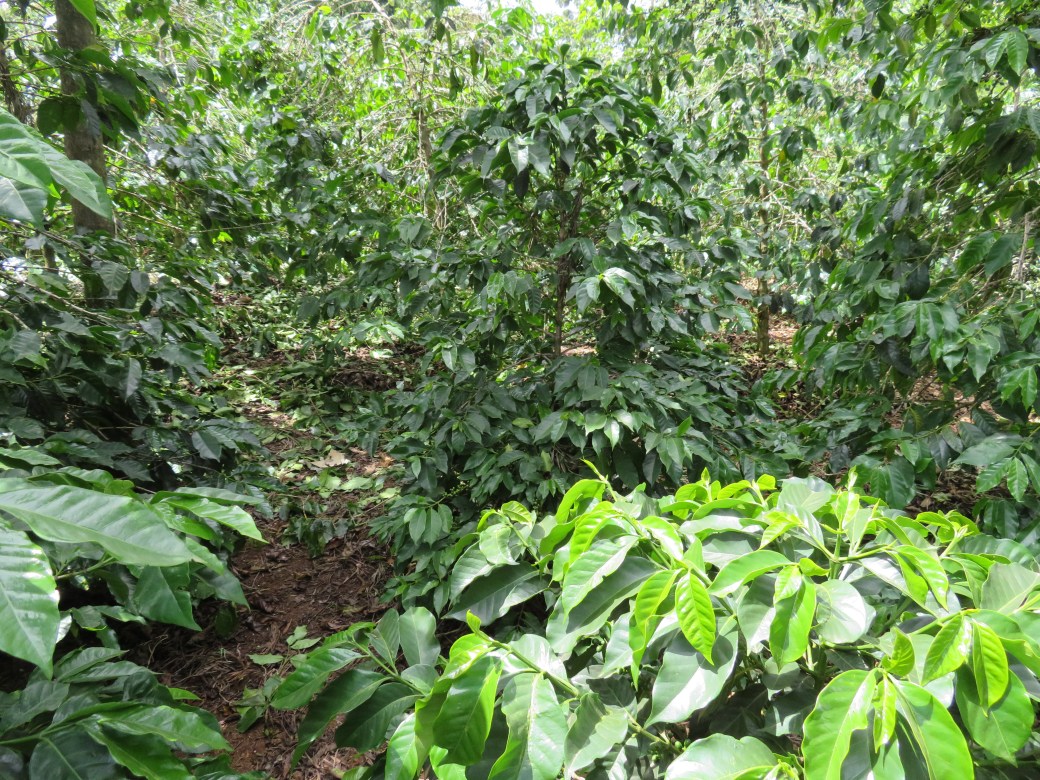
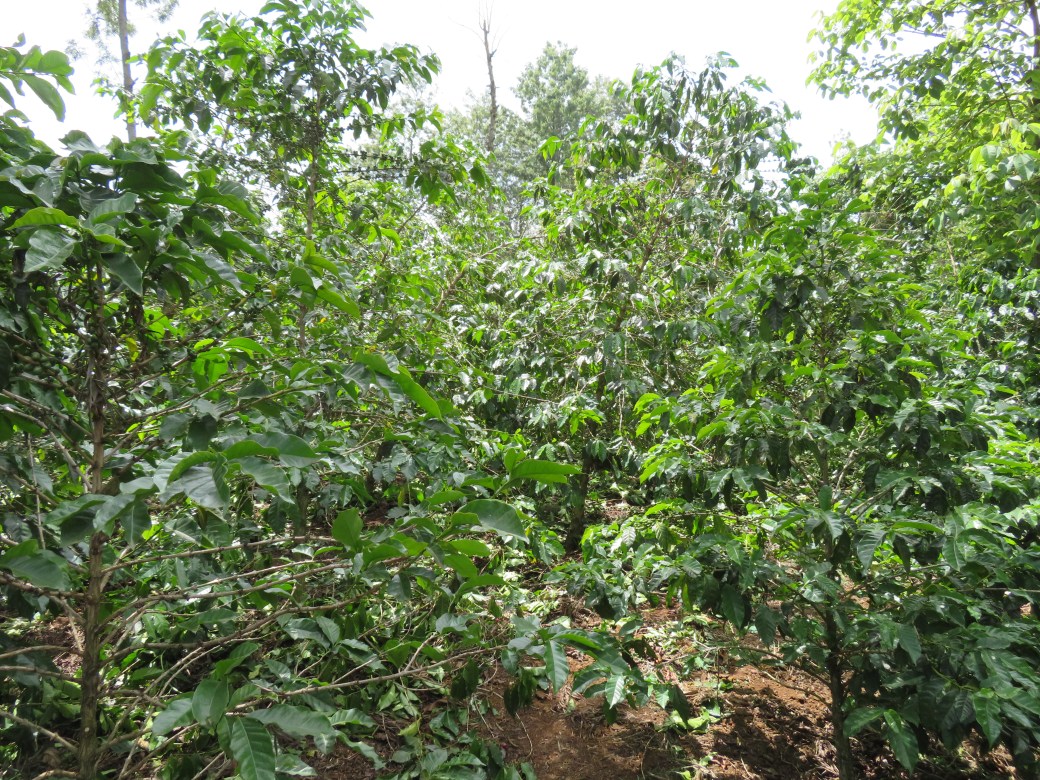
What I love most about Deman Coffee Estate is that all the coffee here is shade-grown. This method offers numerous benefits: no chemical fertilizers are needed to combat insects that carry diseases threatening the farmer’s livelihood. Shade-grown coffee is not only bird-friendly and environmentally beneficial—providing natural fertilizers from fallen leaves and decomposed organic matter—but it also requires less water and allows the beans to mature slowly. This slow maturation enhances the quality of the cup, as the beans gradually absorb the sweetness of the pulp, resulting in higher sugar content. Shade-grown coffee promotes biodiversity by creating natural habitats for birds, contributes to carbon dioxide filtration, prevents soil depletion and erosion, and fosters a sustainable environment. Observing farms like this across the countries I travel makes me deeply appreciate the farmers’ efforts to protect coffee shrubs while nurturing the surrounding ecosystem.
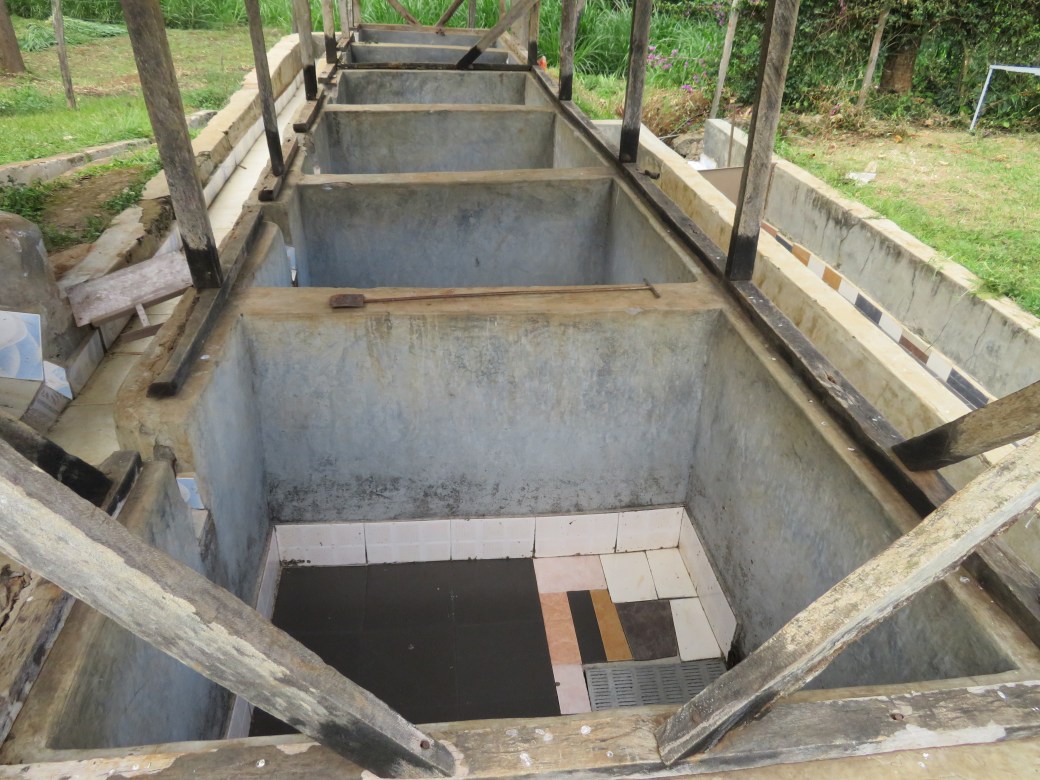
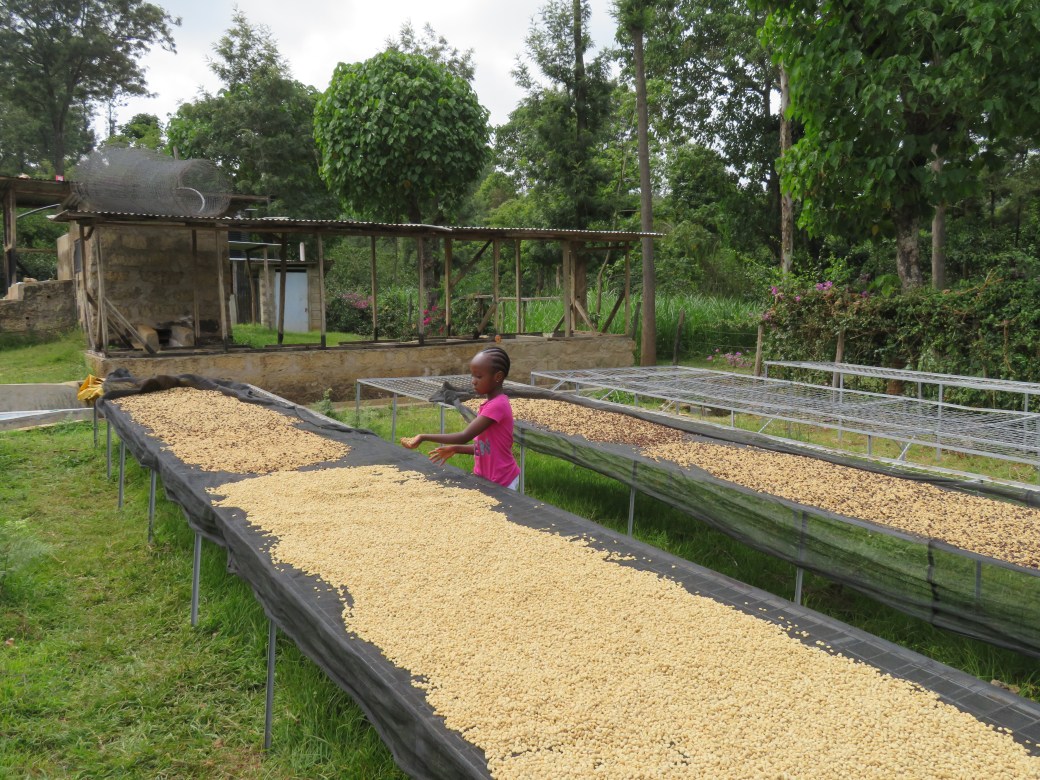
The main processing method at Deman is washed. After cherries are hand-picked, they are de-pulped, leaving the mucilage intact, and then undergo a two-day fermentation in water tanks. On the first day, the beans soak in water; the next day, the water is drained and replaced for a second round of fermentation. During this time, enzymes break down the mucilage and separate it from the beans. On the third day, the beans are carefully sorted to remove floaters and impurities, then returned to the washing tank for the final stage of the process. Once fermentation is complete, the beans are laid out on African drying beds for one to two weeks, depending on weather conditions, and monitored closely to ensure moisture levels reach 10–11% before being sent to the milling station. The milling station removes the parchment and prepares the beans for buyers.
Mr. Mutai told me that the selling price of each lot depends on the grade, but for coffee destined for the specialty market, he never settles for less than $7 per kilogram—a well-earned reward for the labor and dedication invested in producing such high-quality coffee. Like all agricultural products, specialty coffee requires time, patience, and meticulous care. As consumers, we often choose quality or compromise for affordability when dining, buying clothes, or selecting wine. But when it comes to specialty coffee, there is no compromise. We are part of a system that honors the hard work of farmers—the sweat, long hours, precision, and love they pour into their craft. Every cup we enjoy is a reflection of their dedication, and every exceptional bean deserves recognition.
If you would like to experience coffee from Deman Coffee Estate, taste Batian and Ruiru 11 side by side, or engage in direct trade to support local farmers, I highly recommend contacting Mr. Mutai directly at: mutai100@yahoo.com.

Share this:
- Print (Opens in new window) Print
- Share on LinkedIn (Opens in new window) LinkedIn
- Share on Reddit (Opens in new window) Reddit
- Share on Pinterest (Opens in new window) Pinterest
- Share on Telegram (Opens in new window) Telegram
- Share on WhatsApp (Opens in new window) WhatsApp
- Email a link to a friend (Opens in new window) Email
 Coffee @ Farmer