Munali Coffee Estate. Zambia

IMG_4828
 

No visit to Zambia as a coffee professional would be complete without immersing oneself in what you love most: discovering new coffee farms, meeting the people behind the production, and building meaningful connections between farmer and barista.

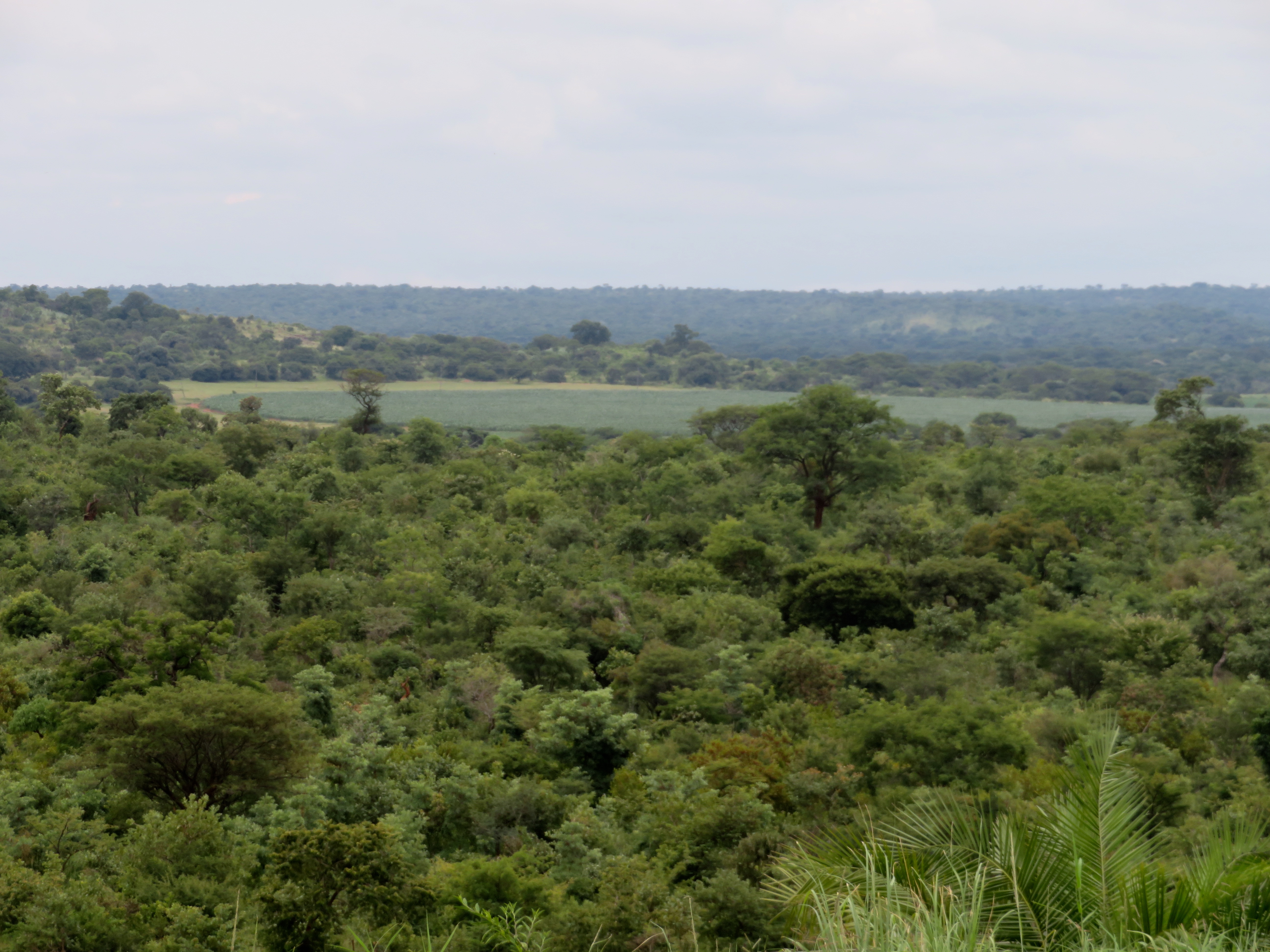
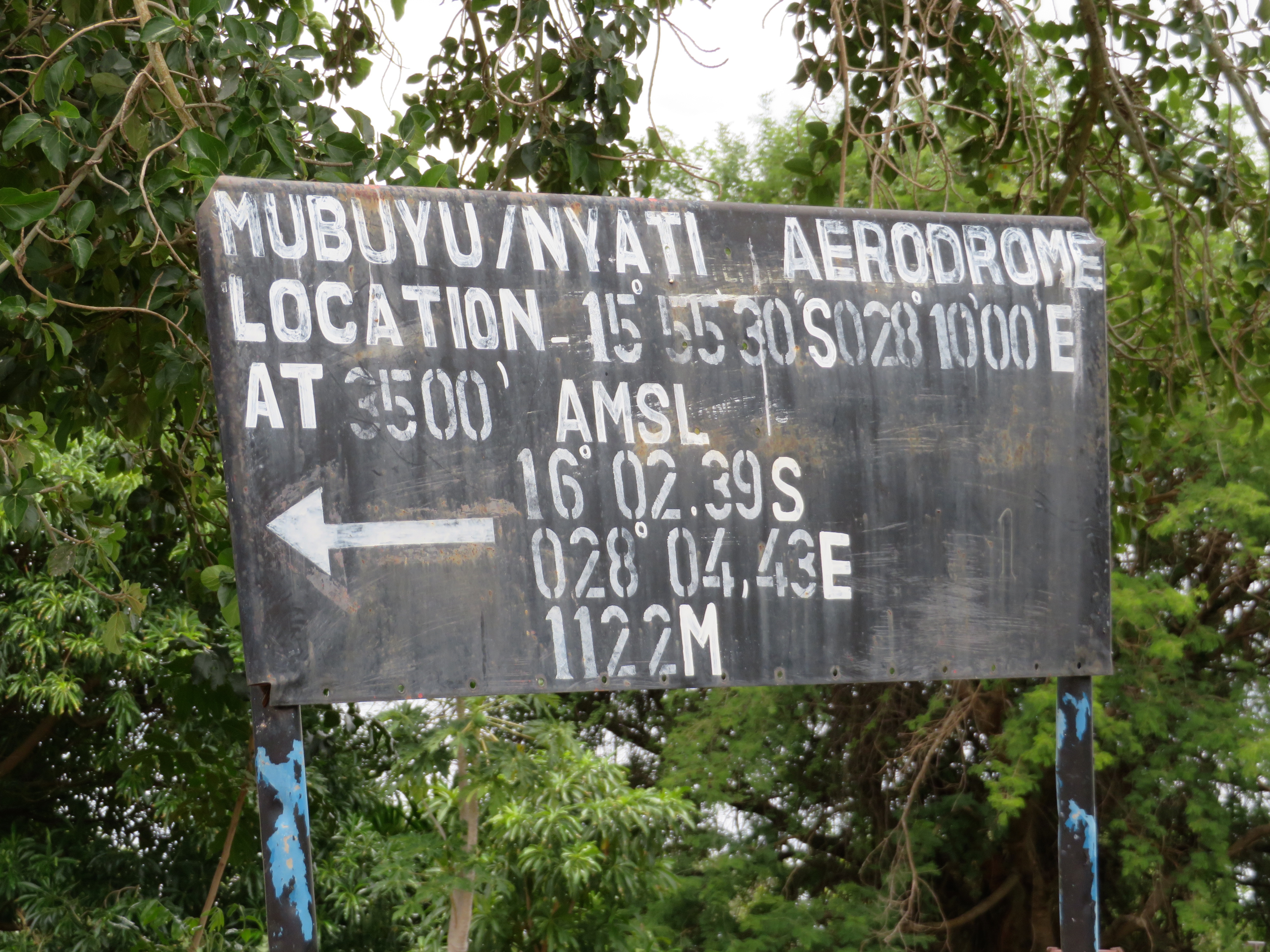
On this journey, I traveled to Munali Coffee Farm, located about 80 km south of Lusaka, the Zambian capital. After arranging a taxi for a $100 round trip, including waiting time, I set out to explore the world of Zambian coffee. The drive took me along smooth, well-maintained roads with virtually no traffic, through a serene landscape of lush green hills reminiscent of the route toward Victoria Falls.

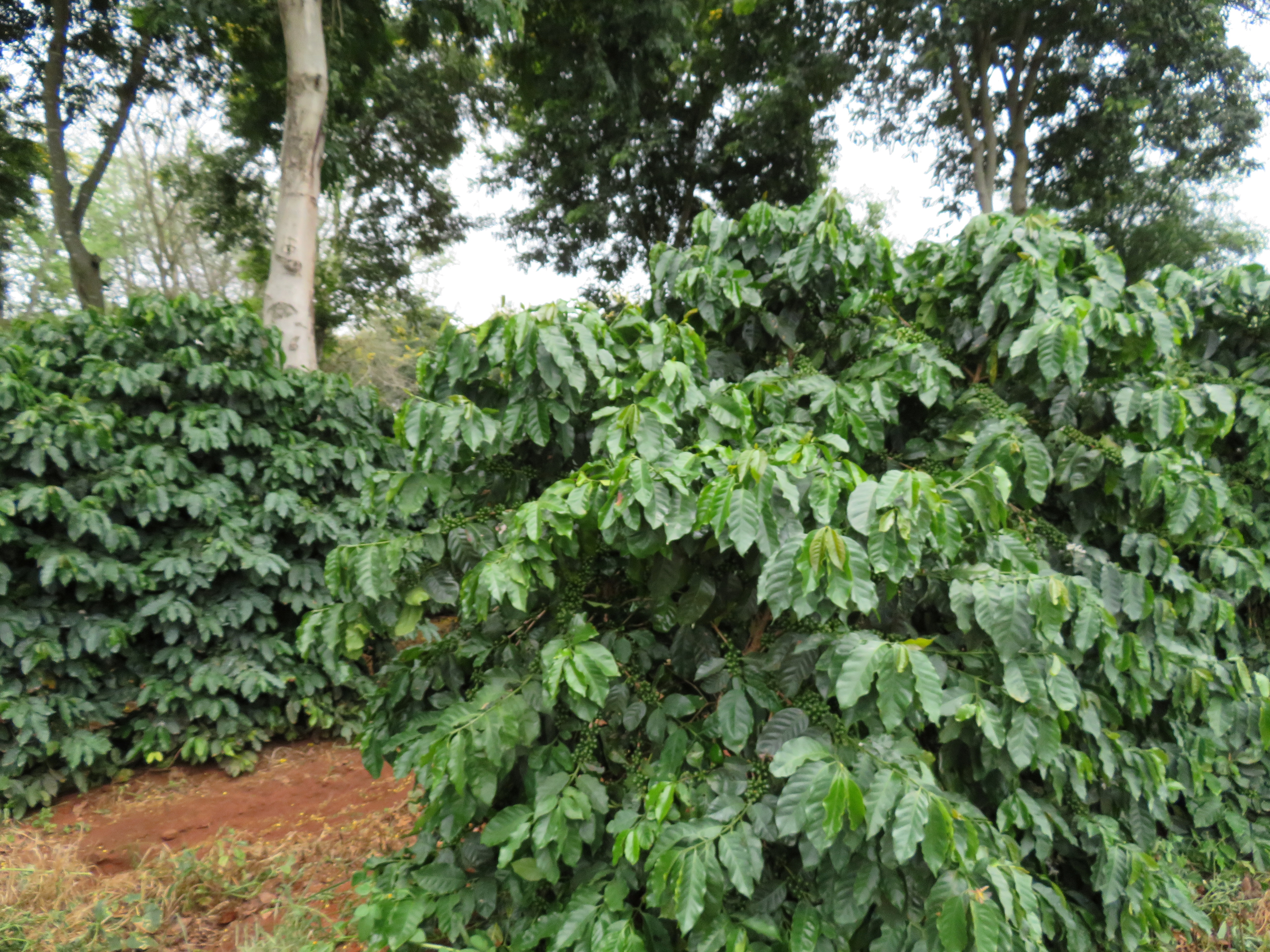
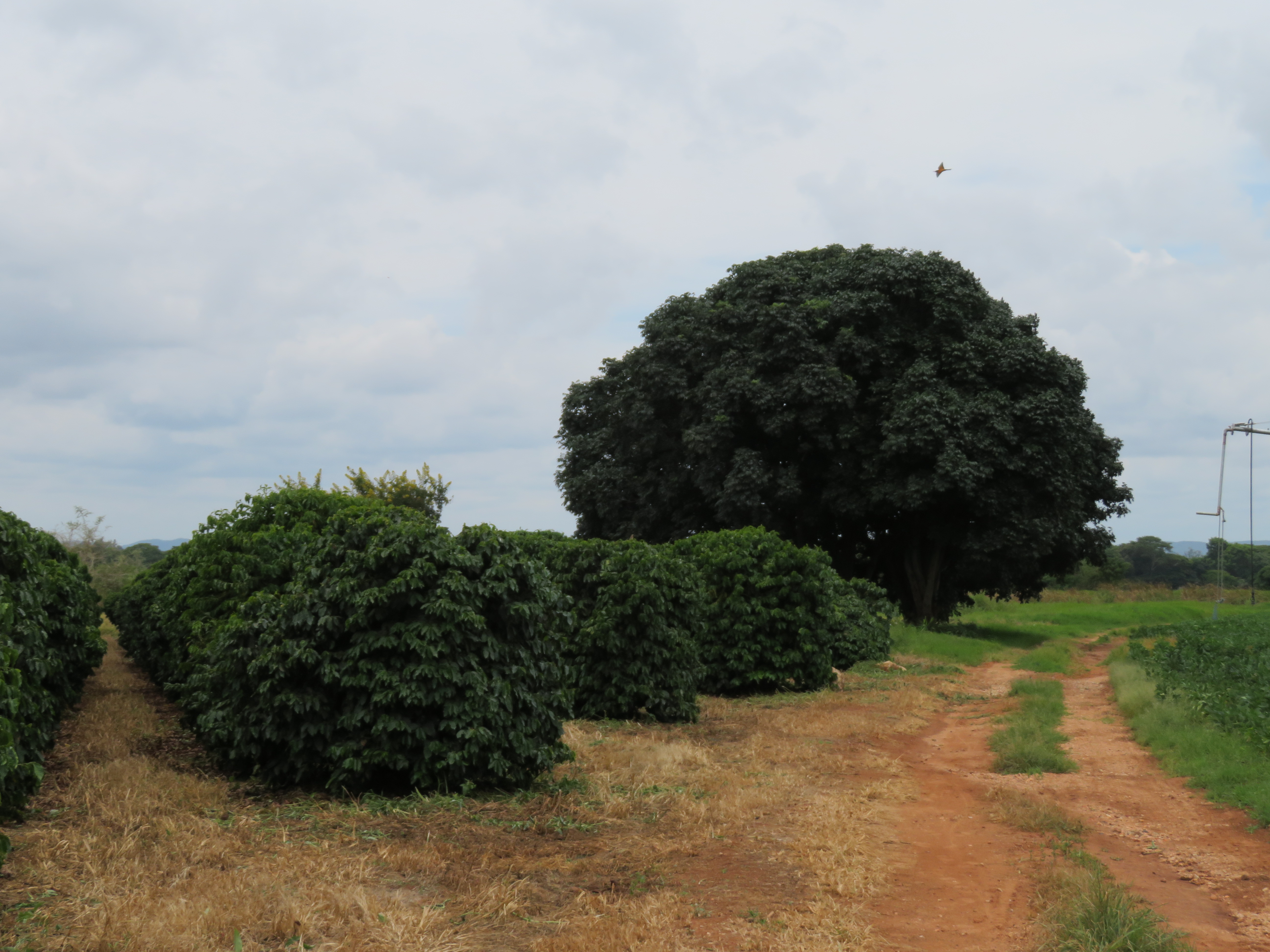
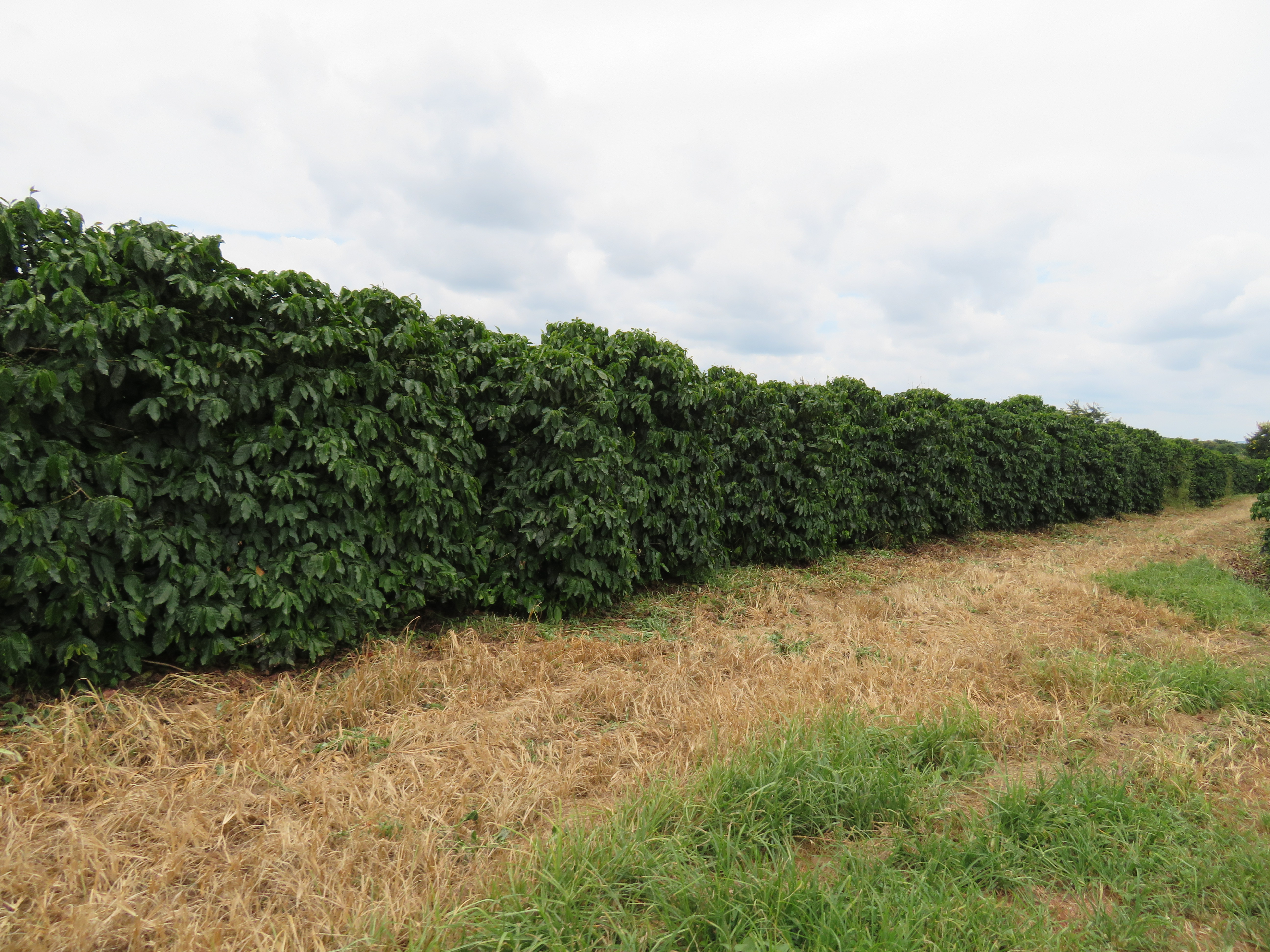
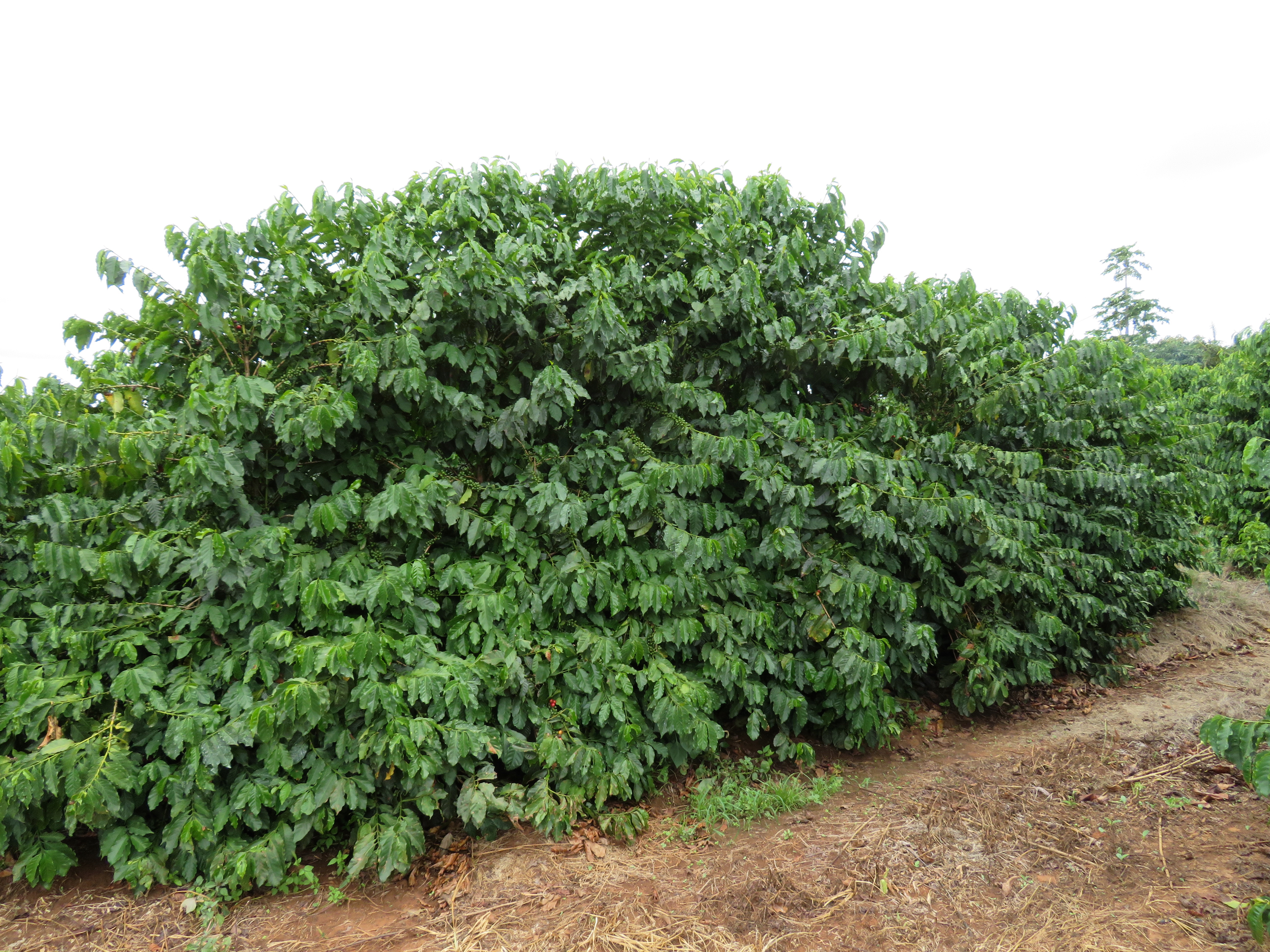
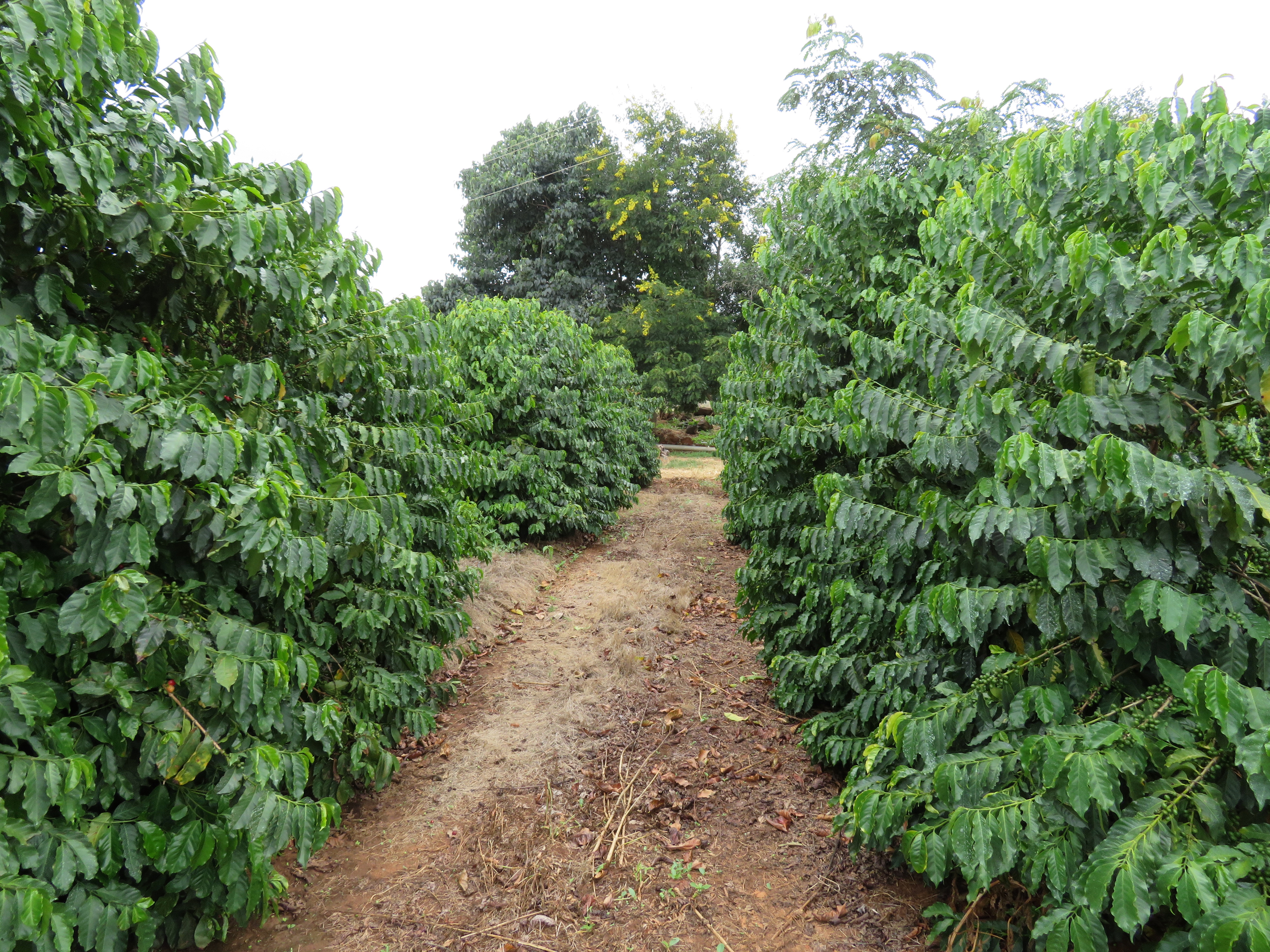
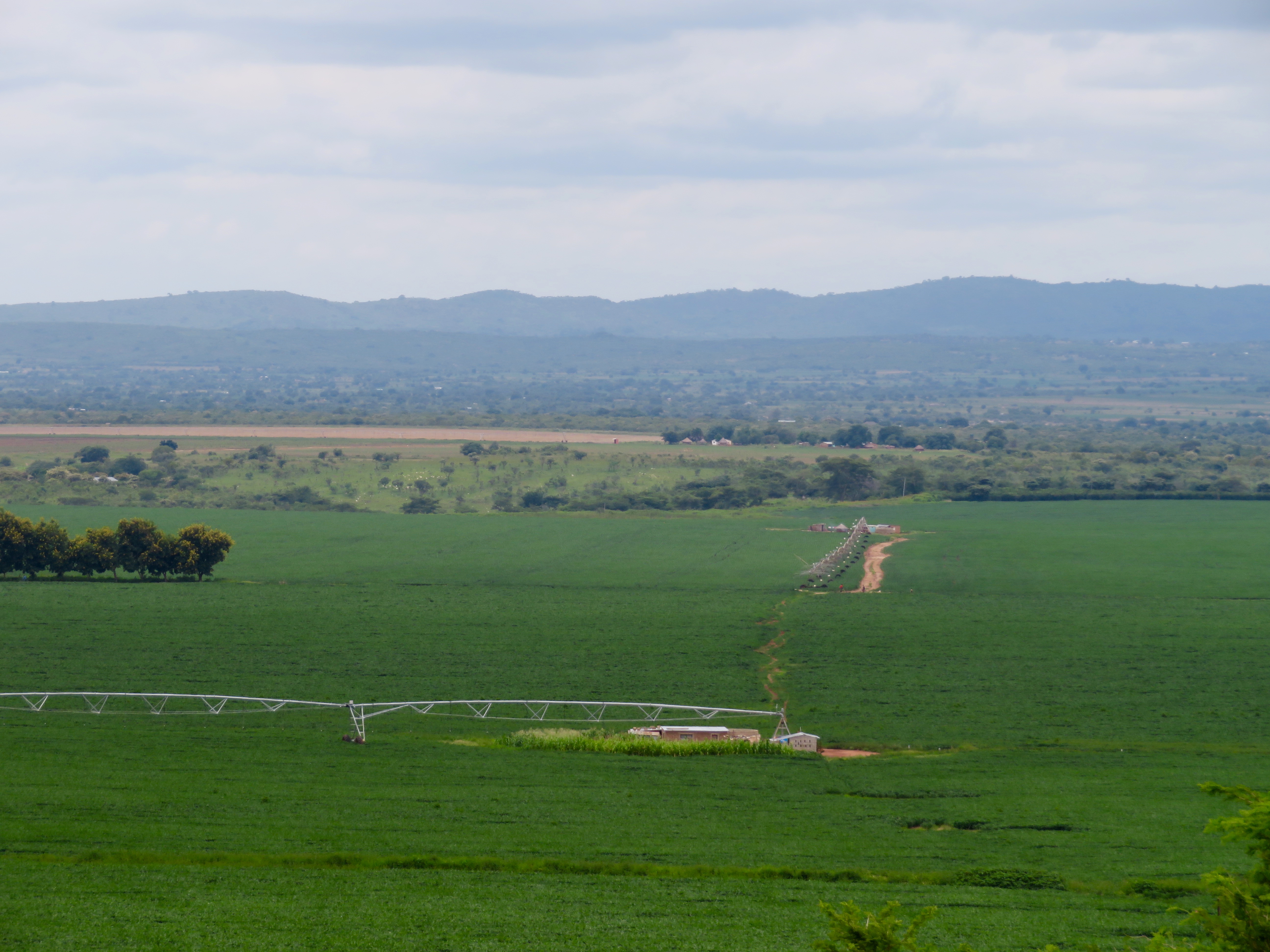
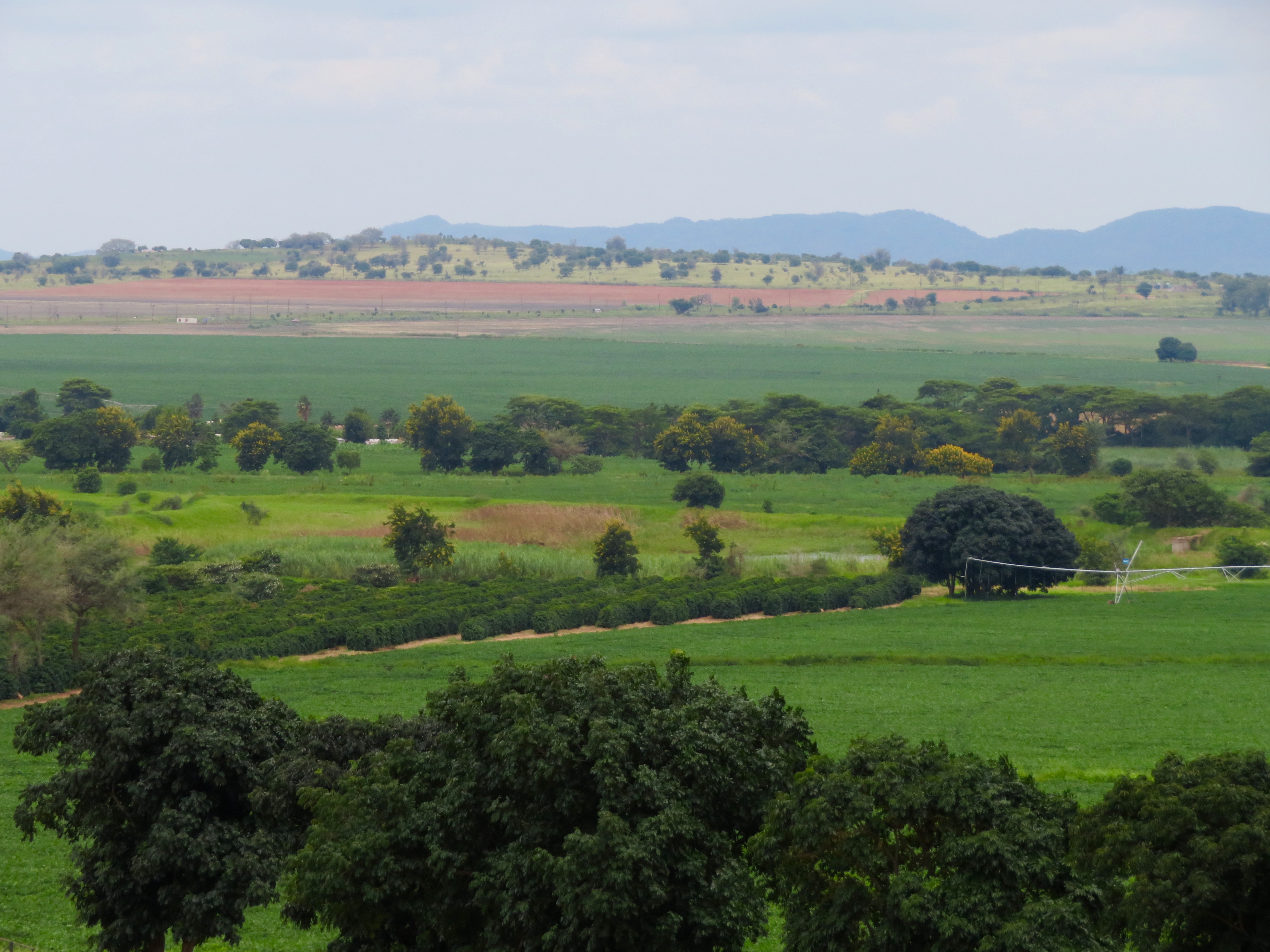
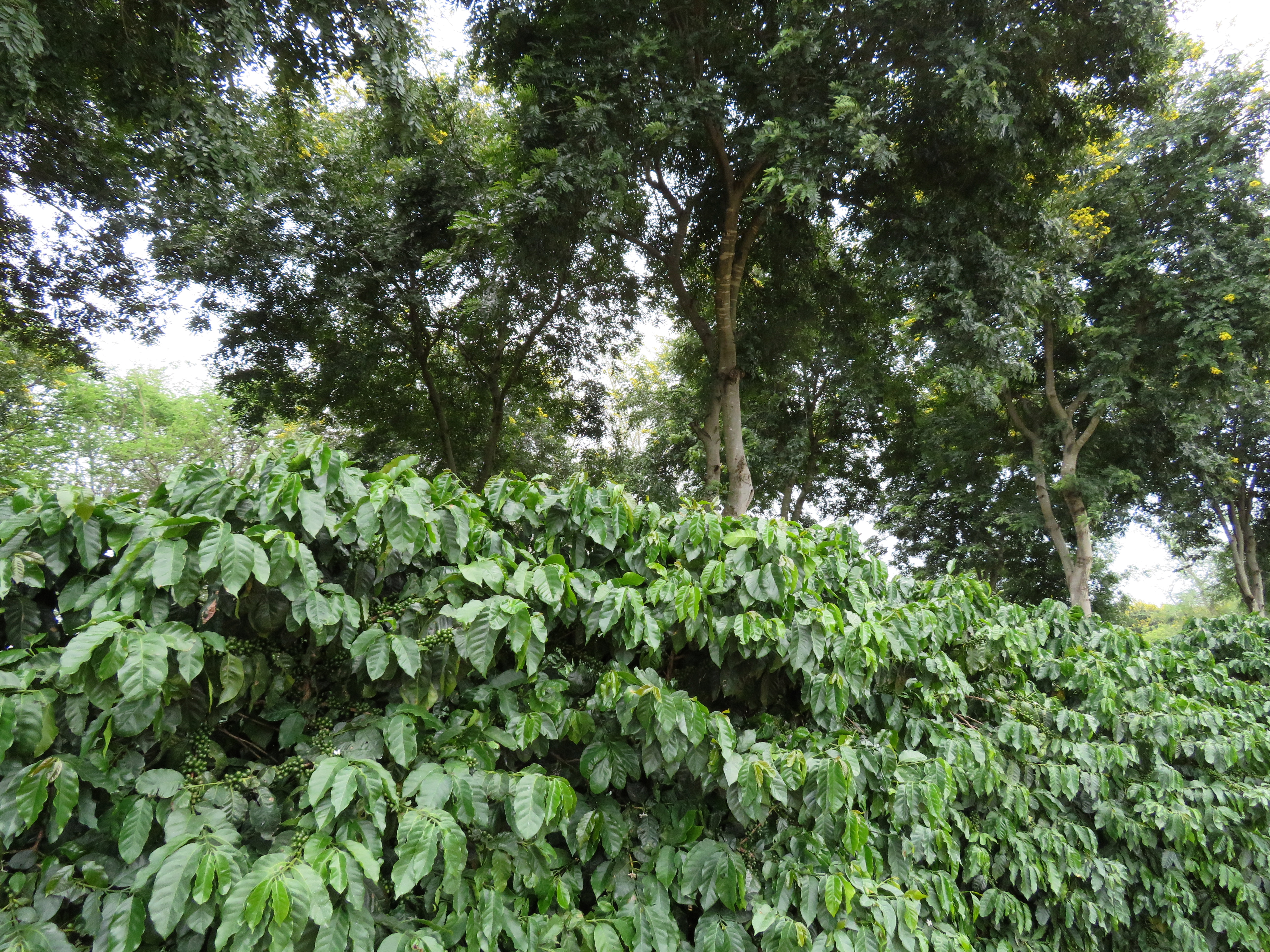
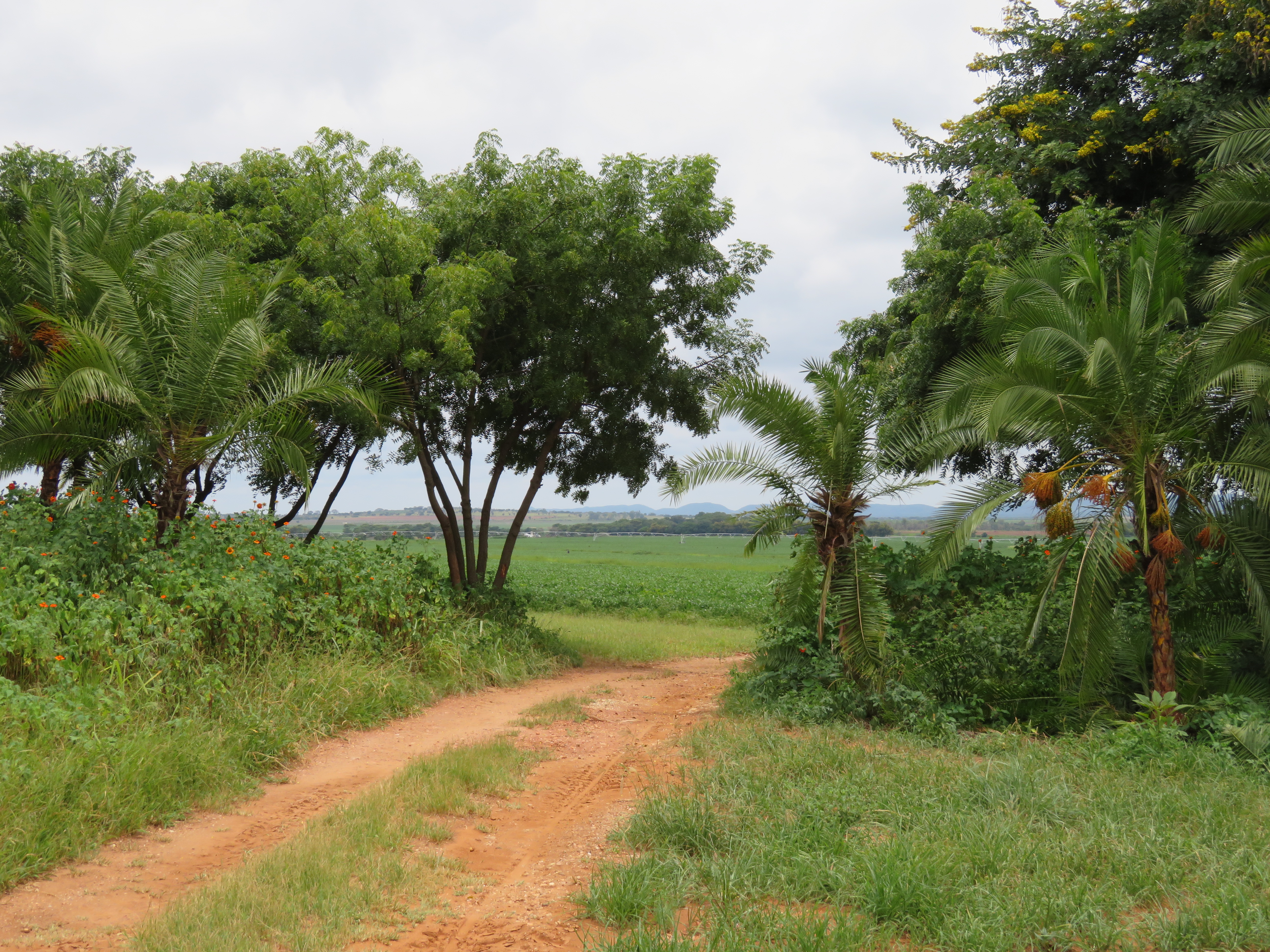
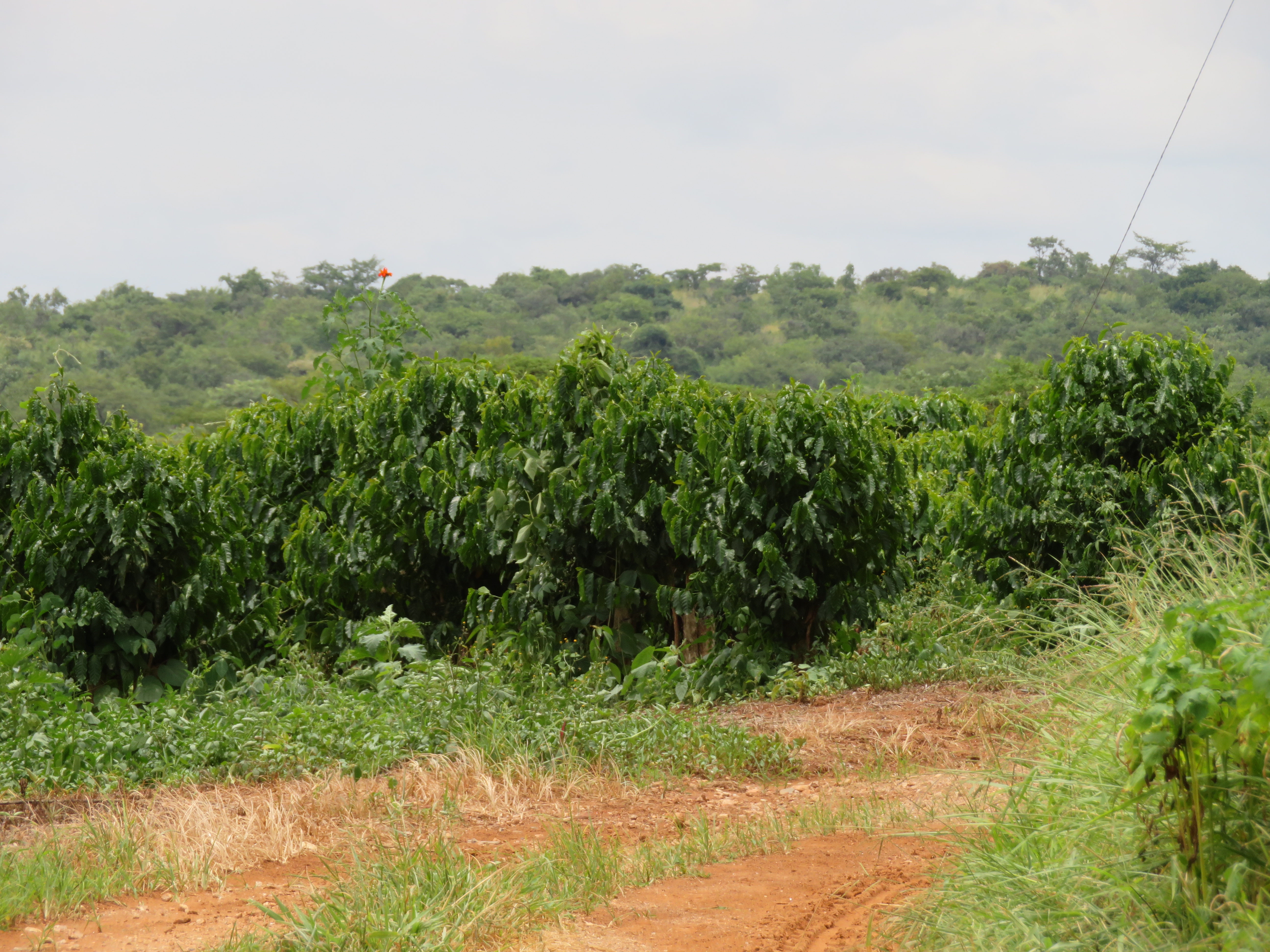
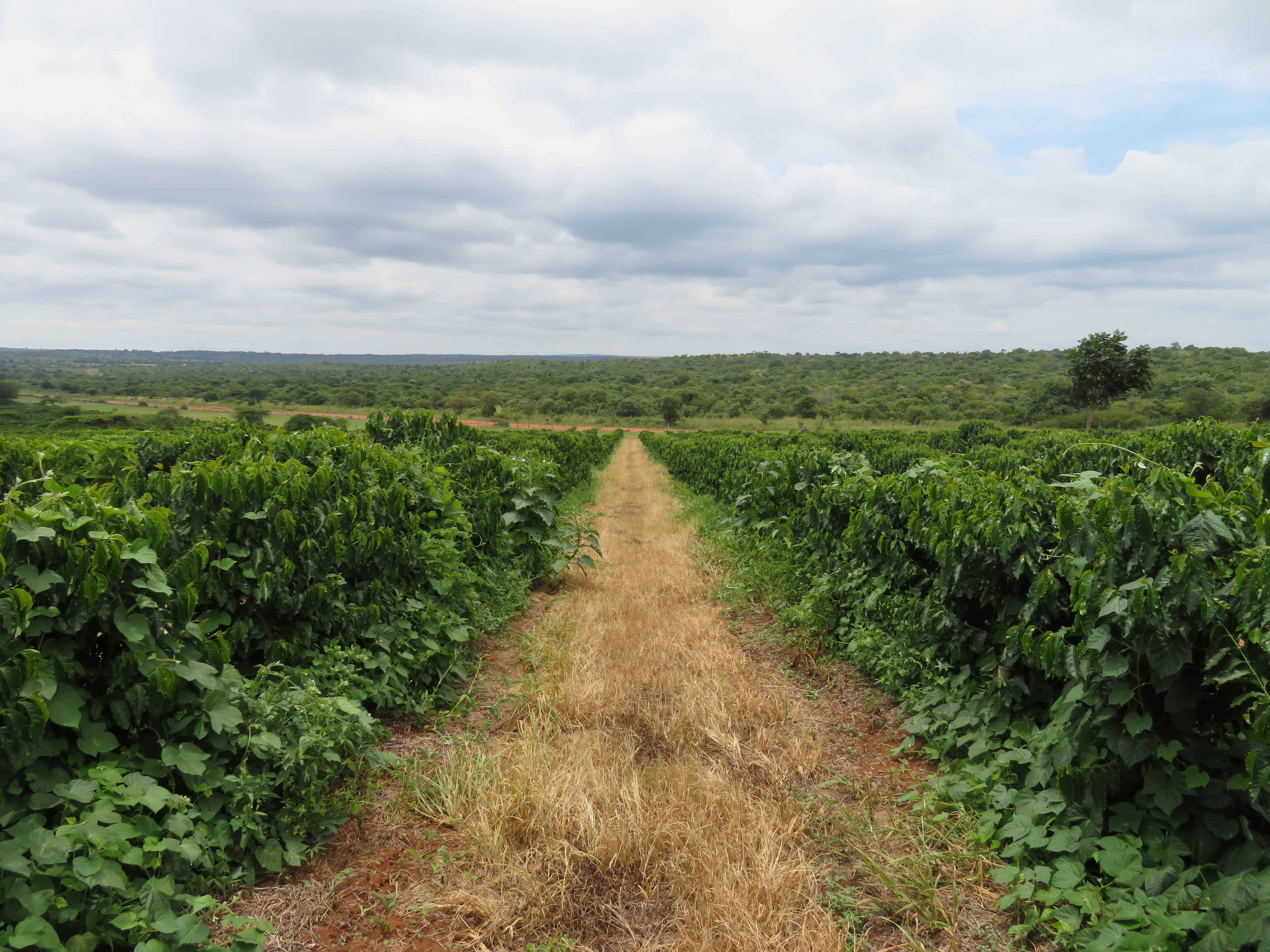
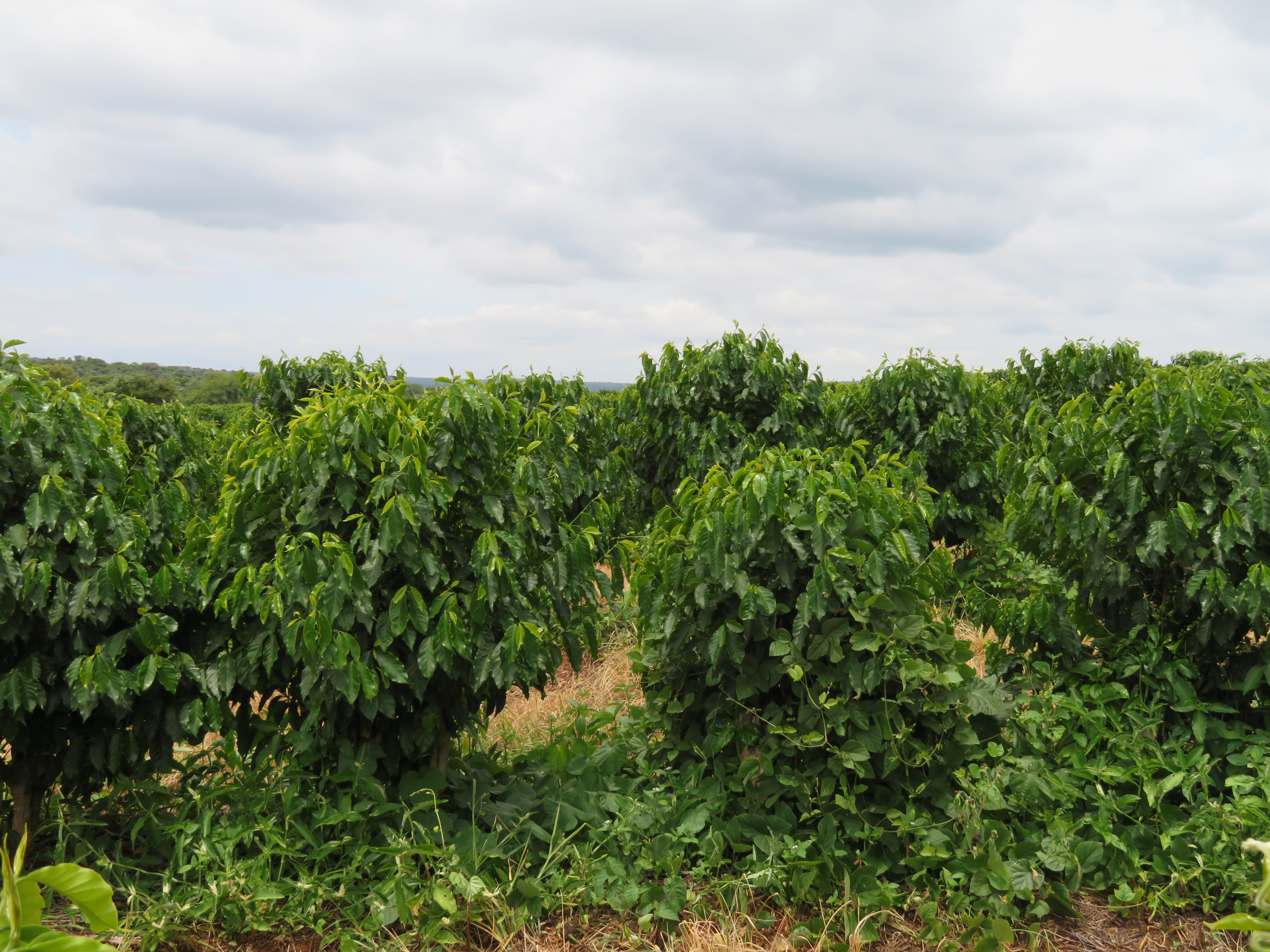
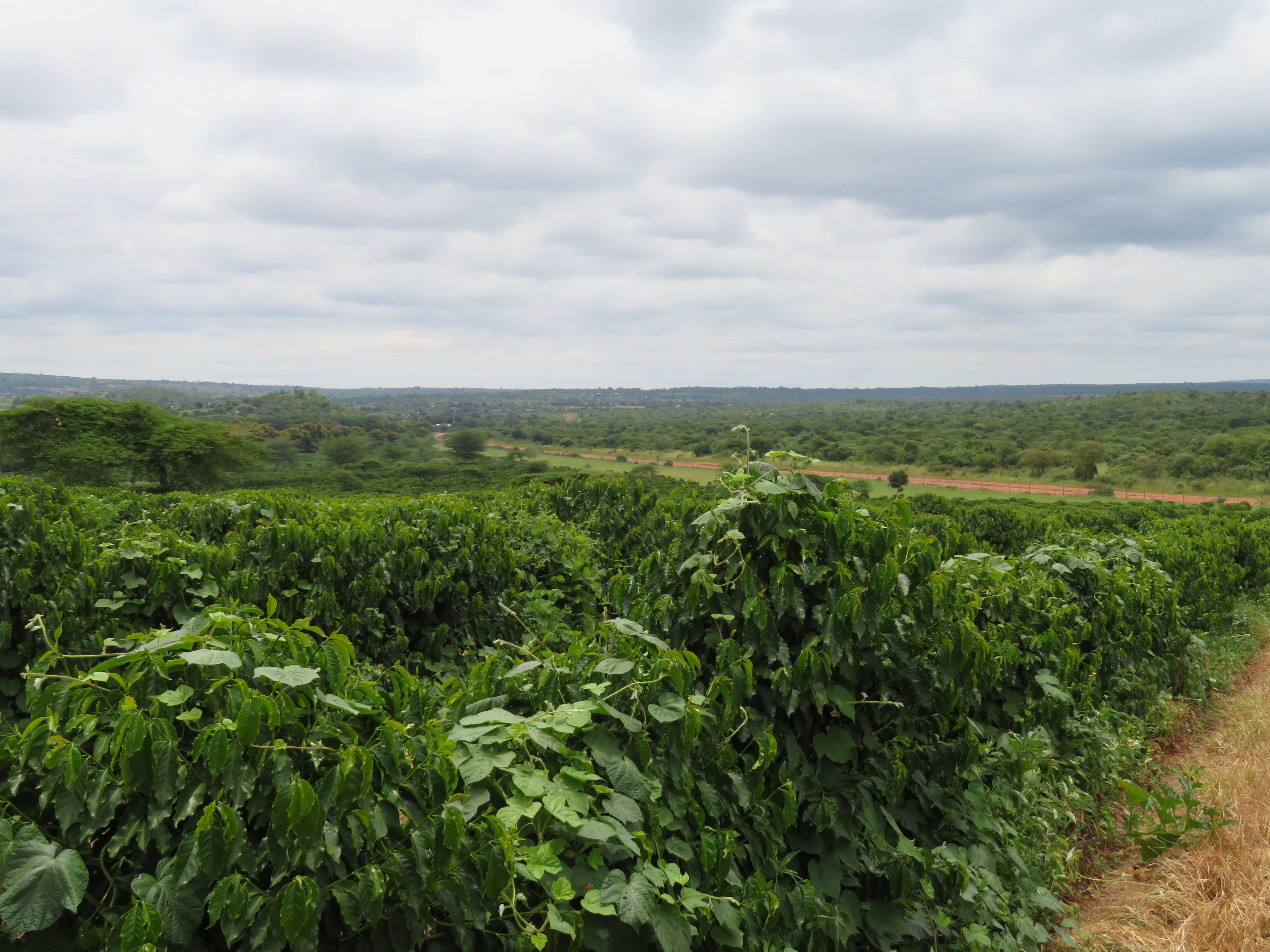
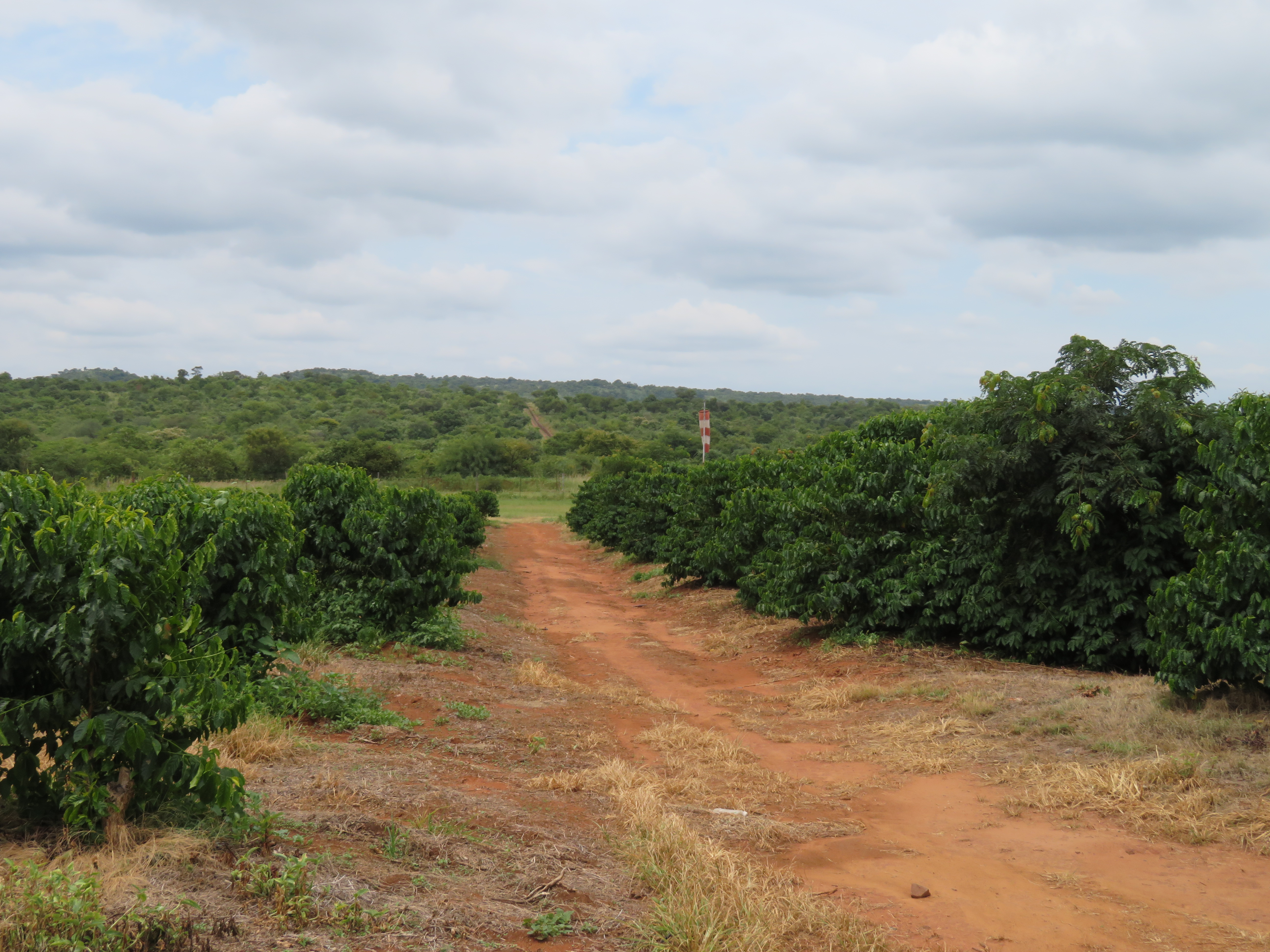
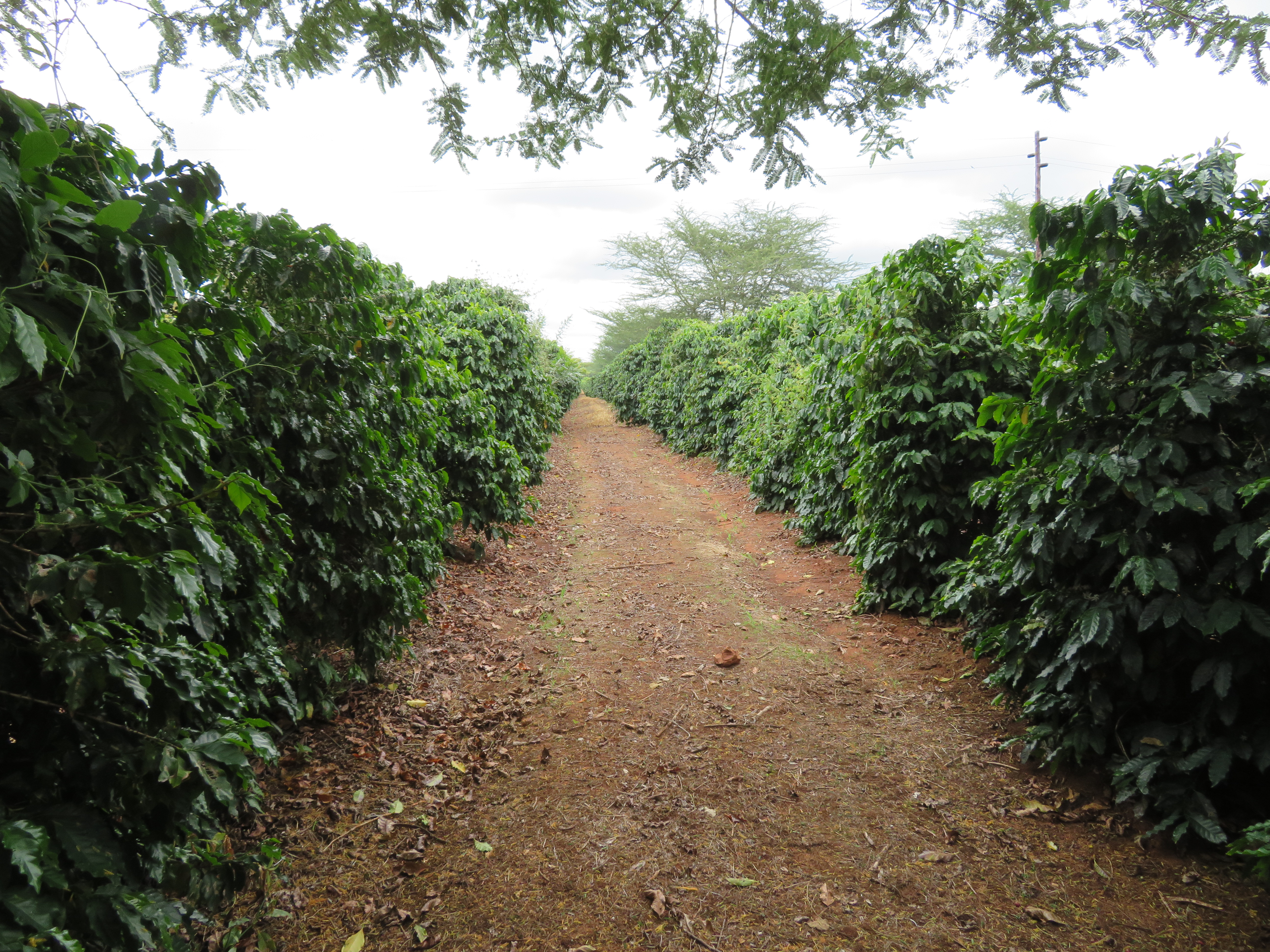
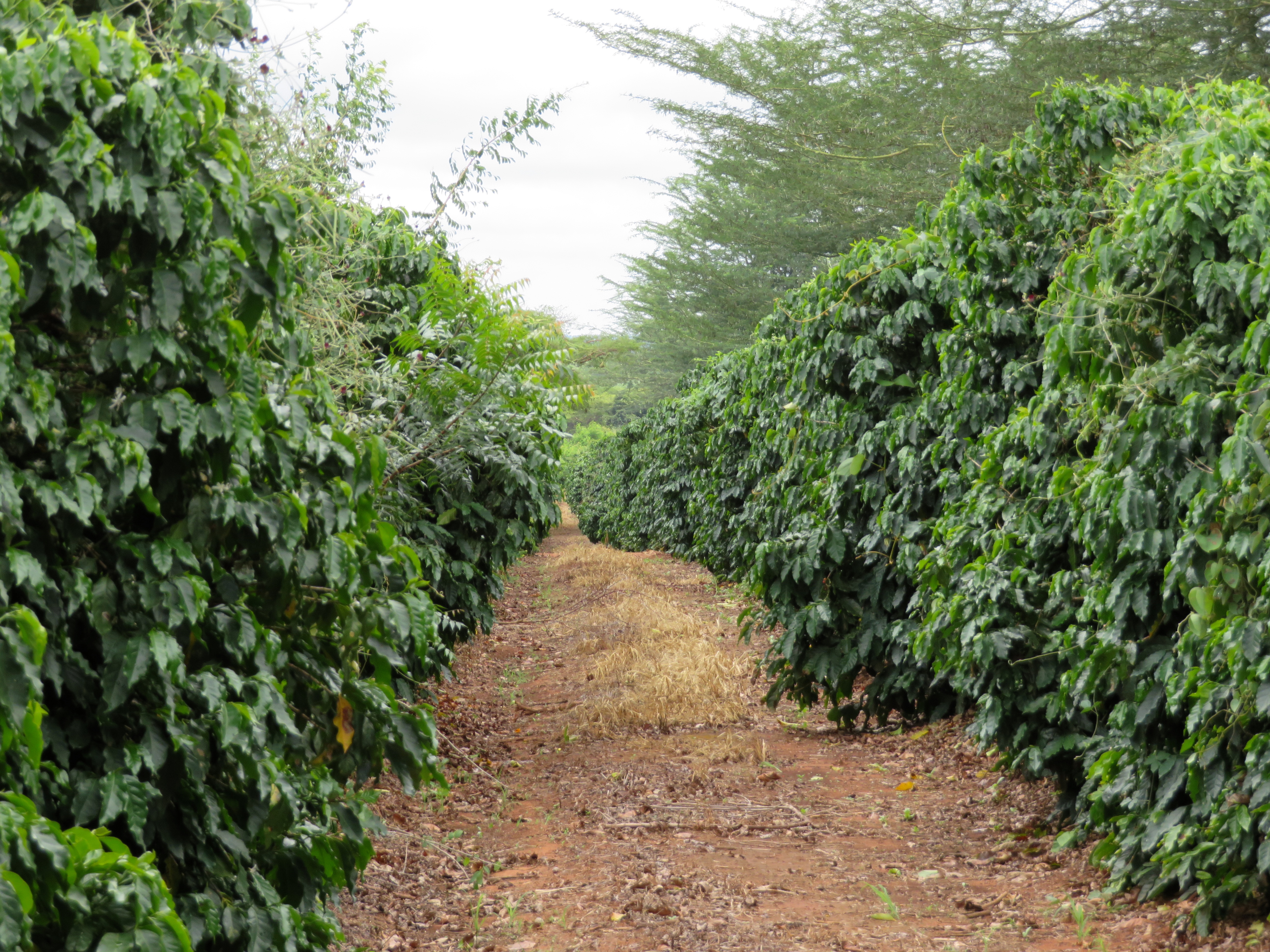
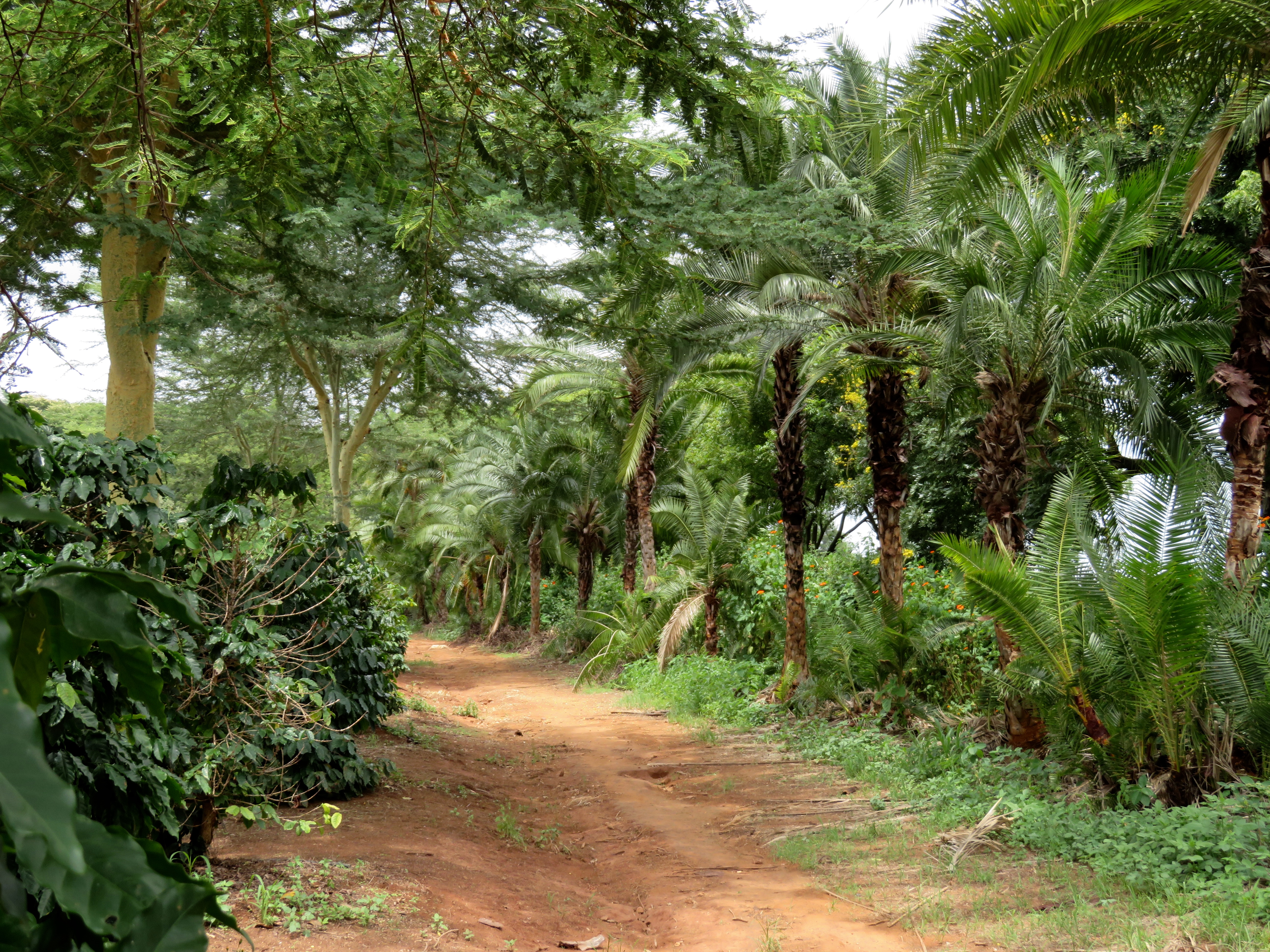
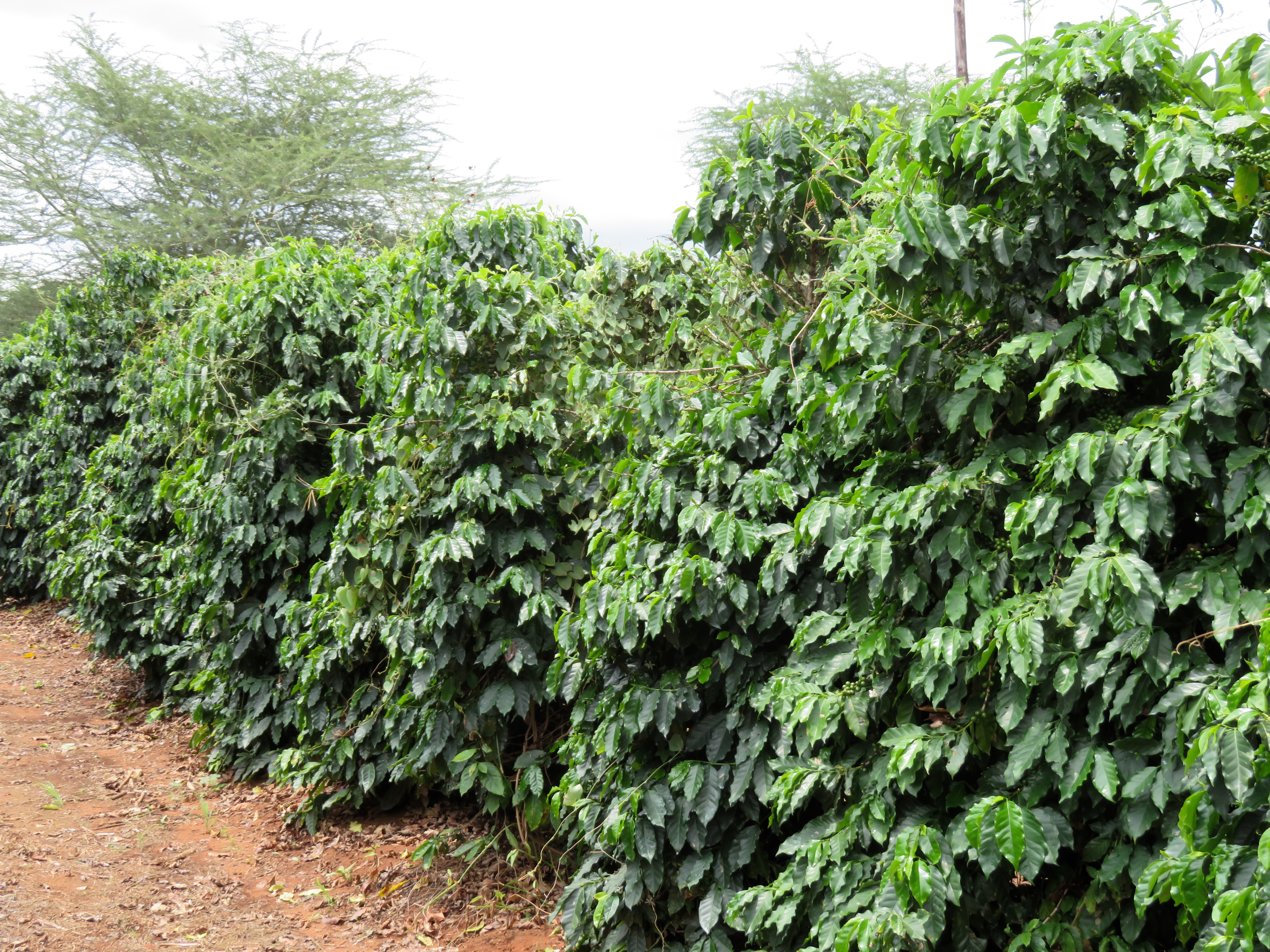
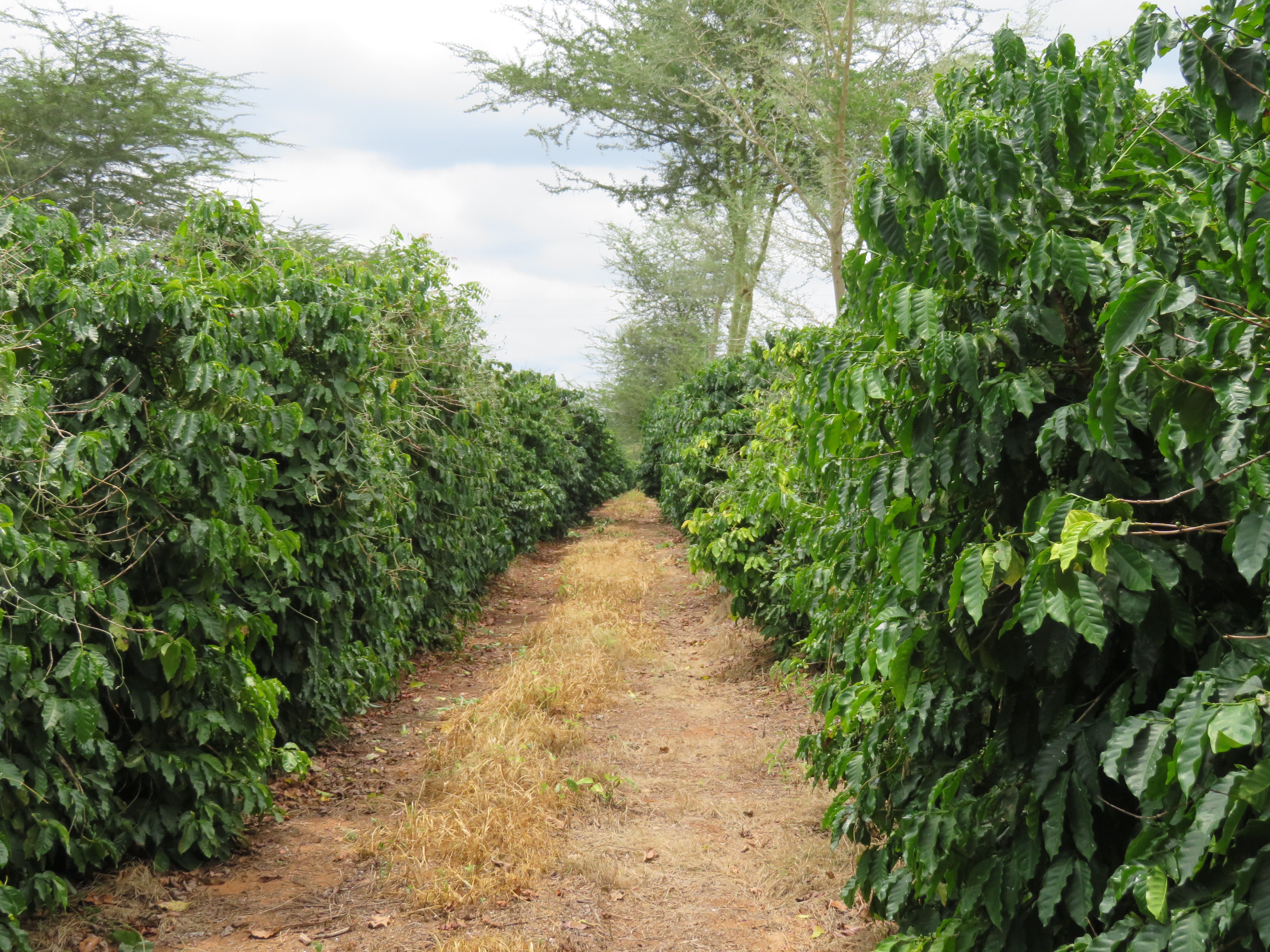
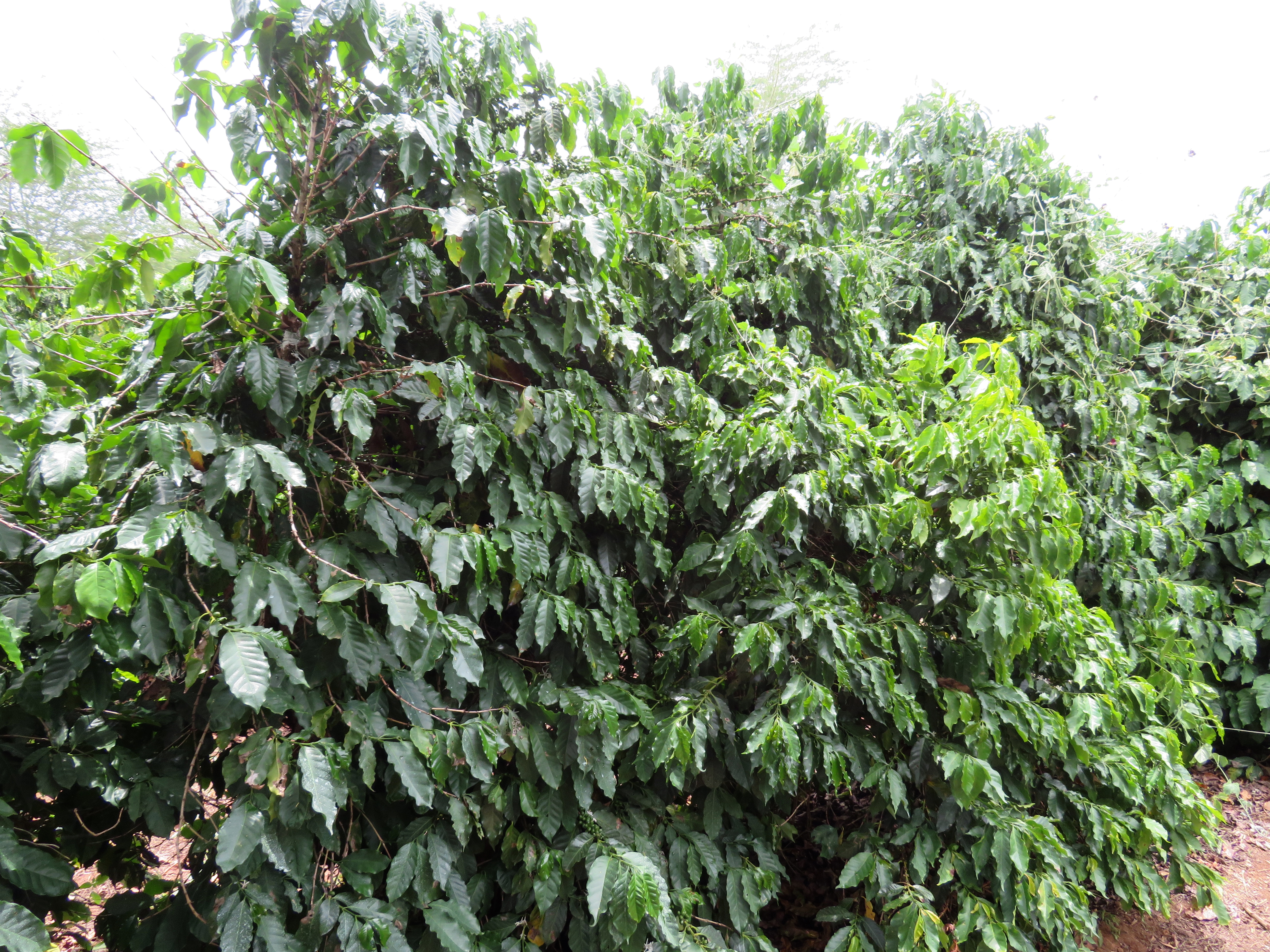
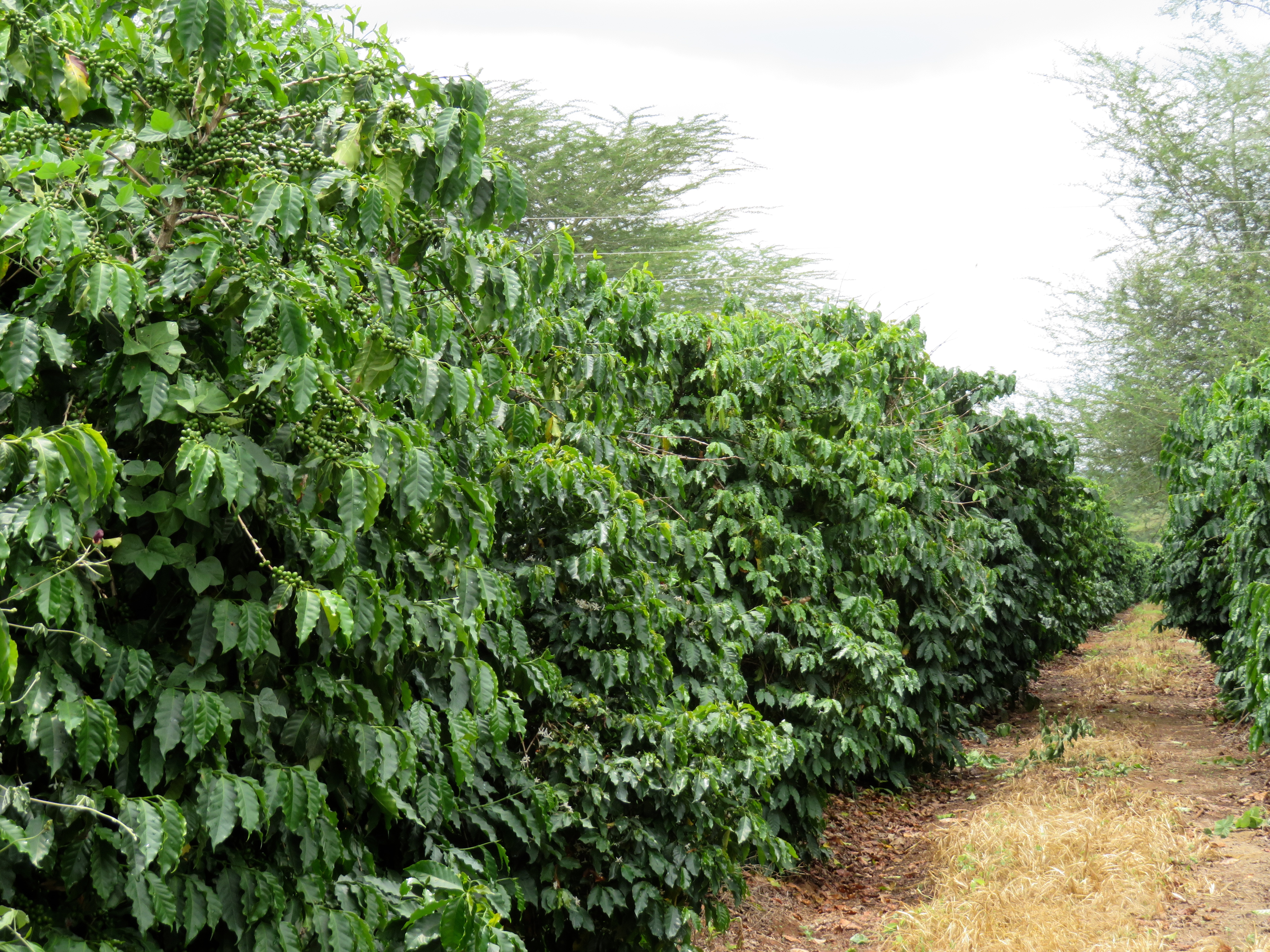
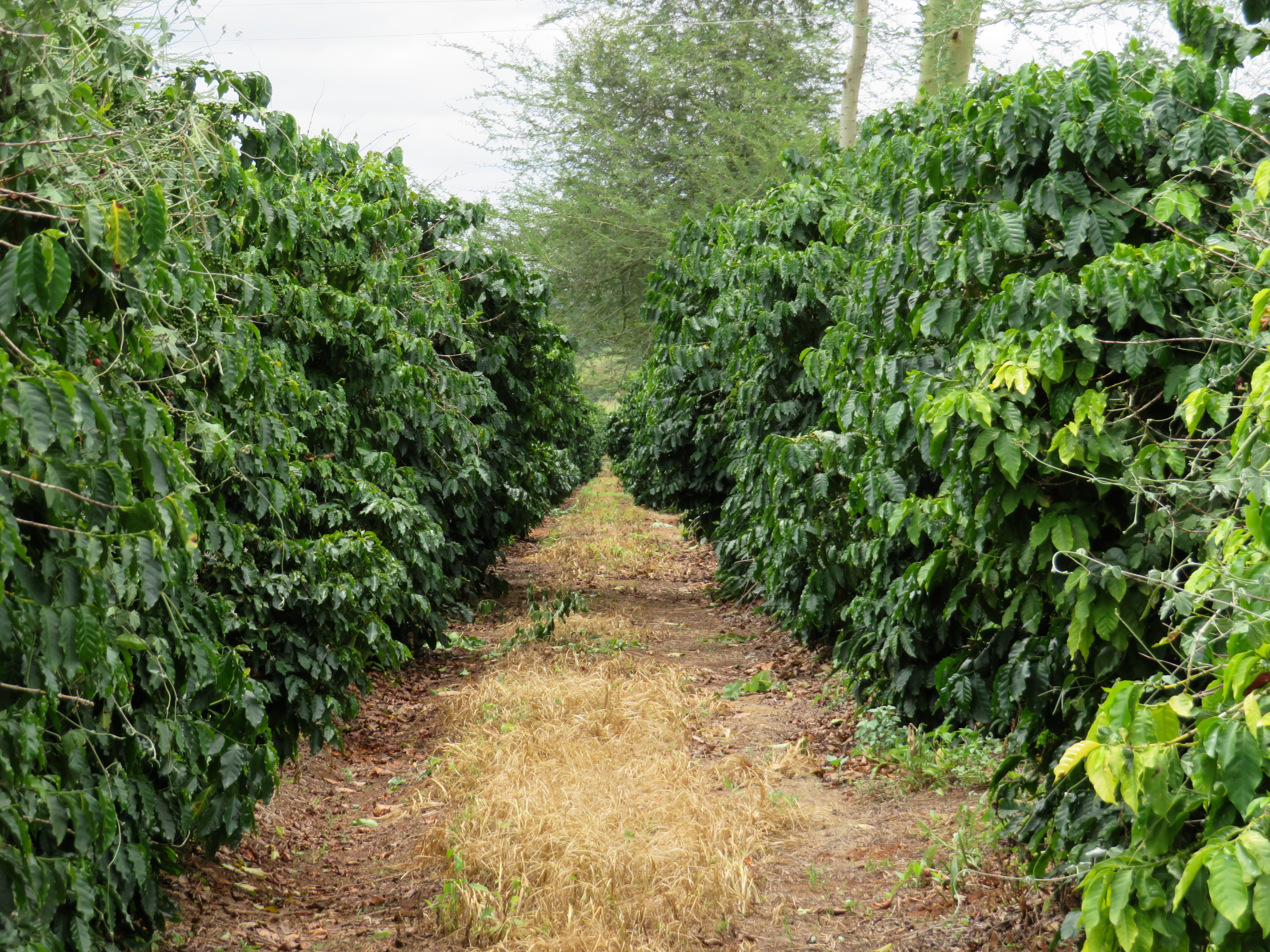
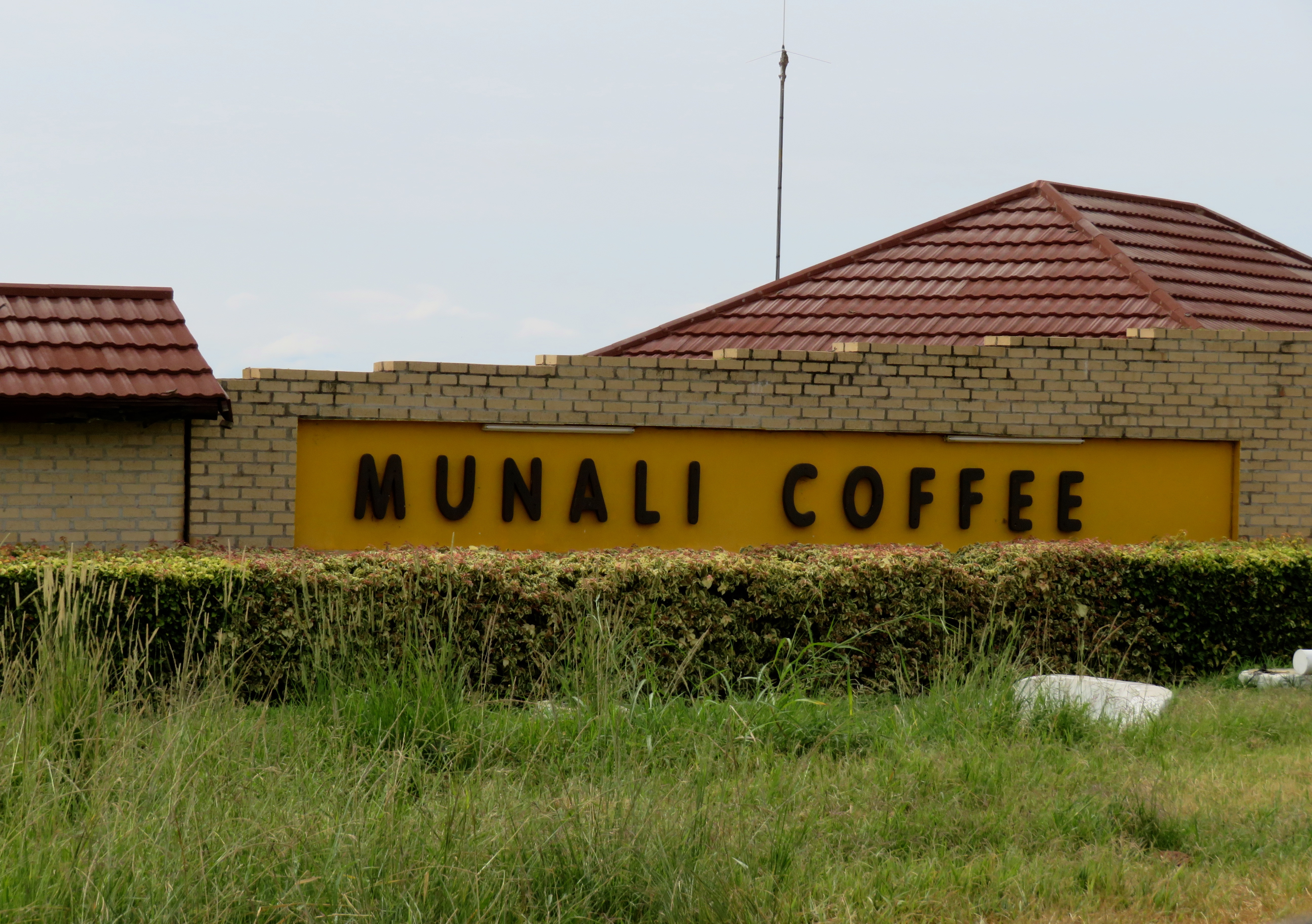
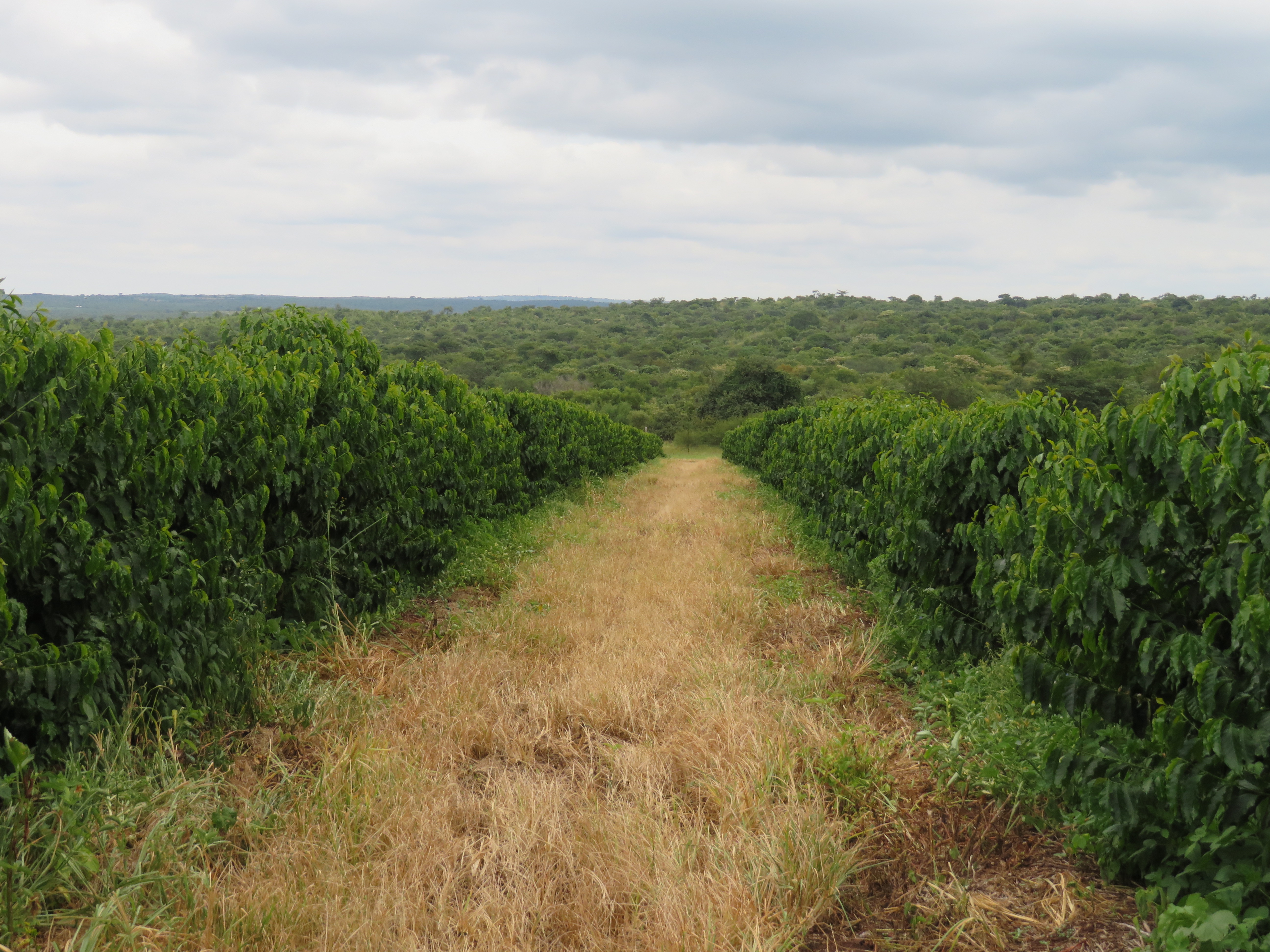
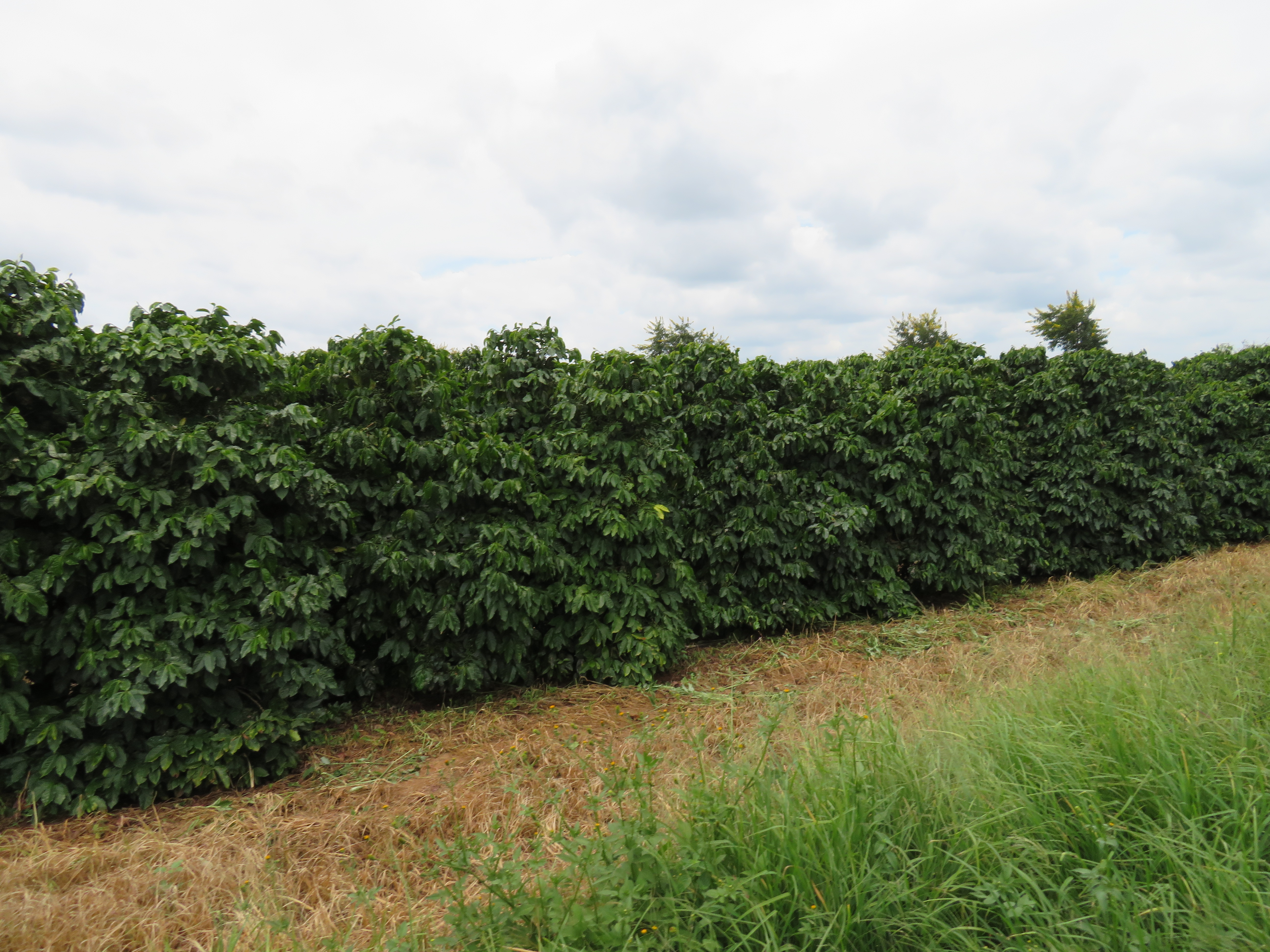
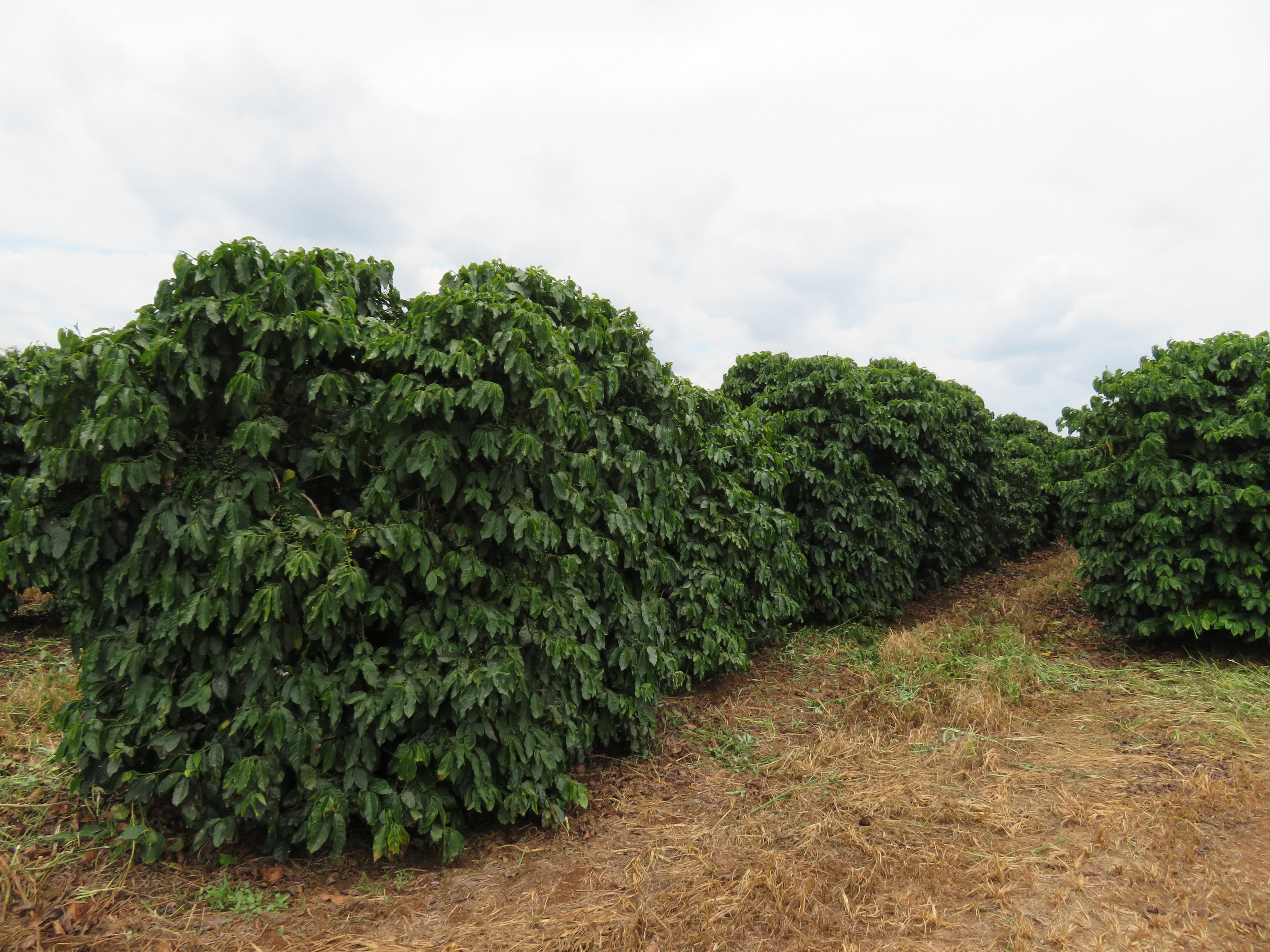
Upon arrival, I found myself at Munali Coffee Farm, now part of the family-run “Mubuyu” estate. The land here is remarkably fertile and flat, ideal for coffee cultivation, making the picking process straightforward compared to the steep, challenging terrain of many other coffee regions. The coffee trees stood in precise rows, almost like disciplined soldiers ready to greet a visiting monarch, evoking both awe and curiosity. As a coffee professional, I felt a profound sense of anticipation—wondering what secrets and flavors this fertile land had in store.
 

IMG_4922

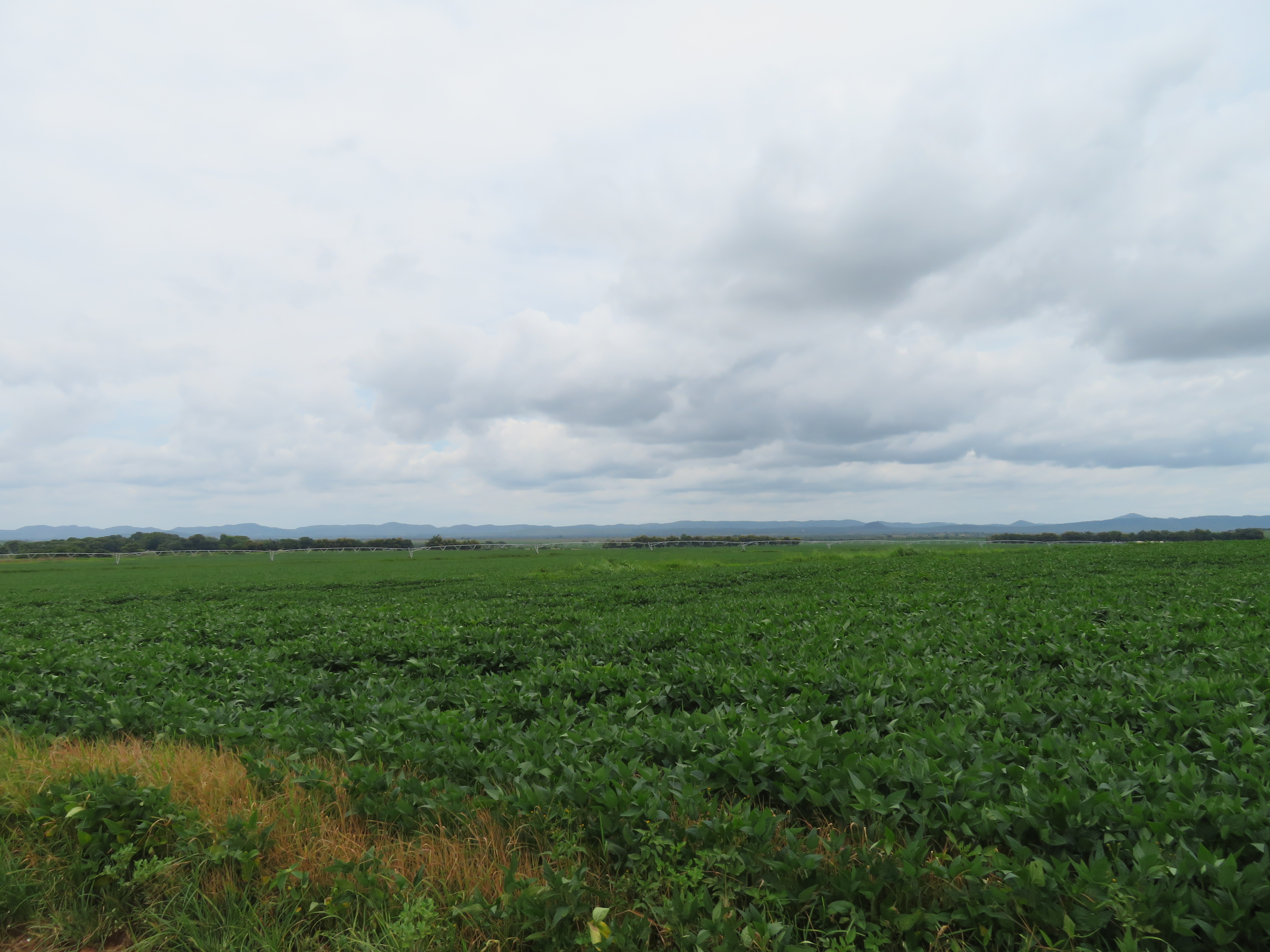
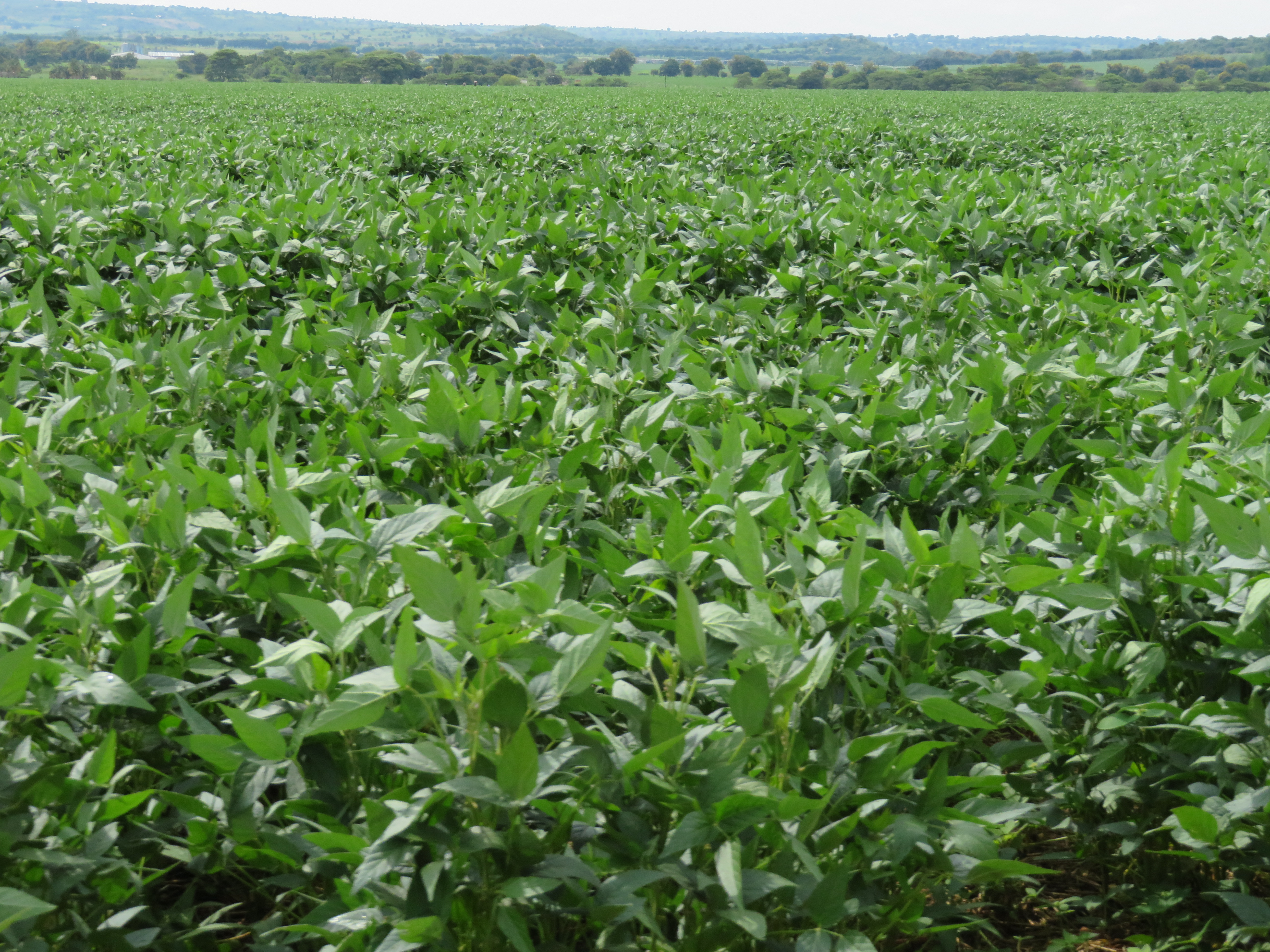
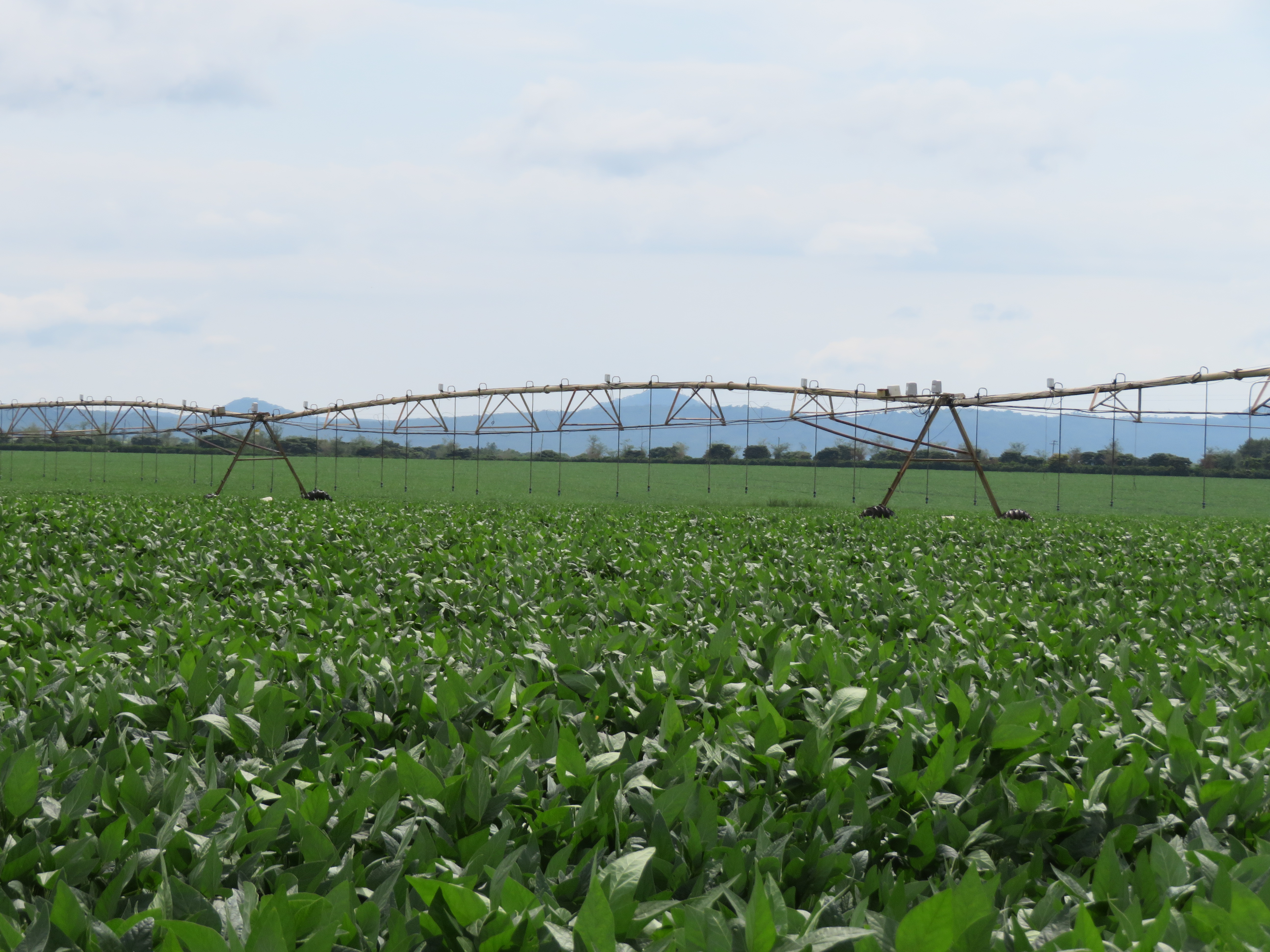
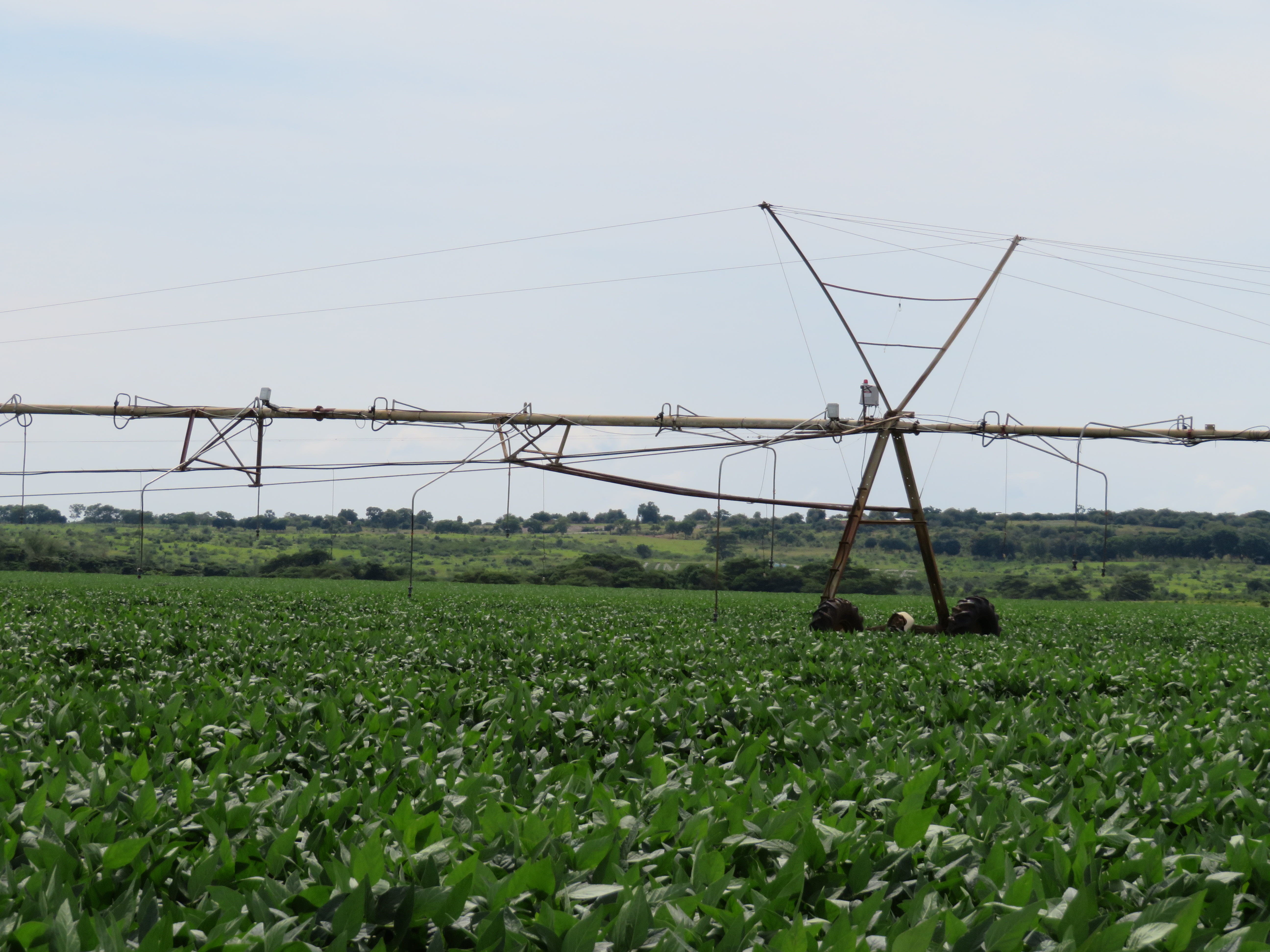
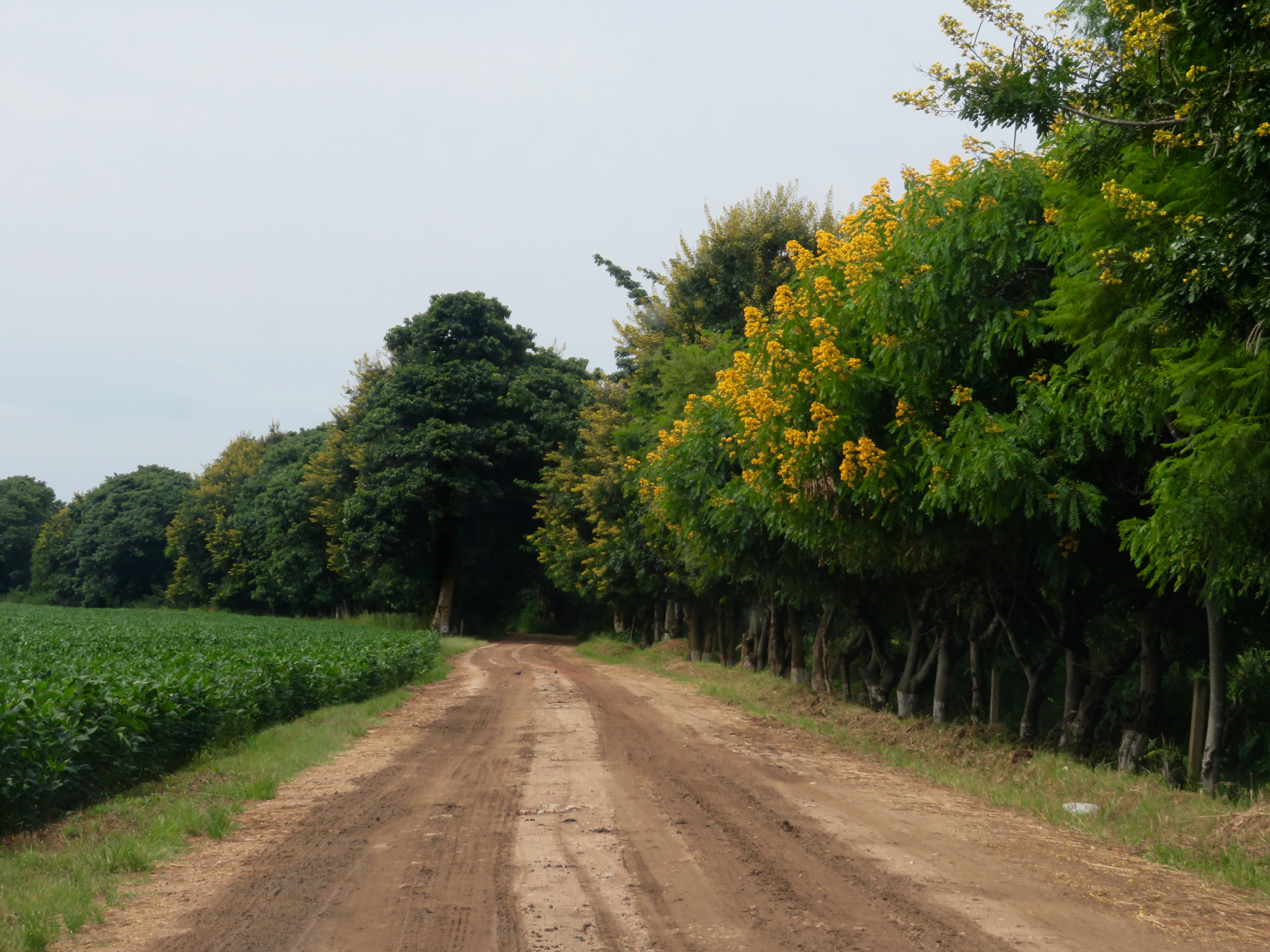
The original owner of the farm, Willem Lublinkhof, arrived in Zambia around 50 years ago with the Dutch Development Service. He fell in love with the country and eventually made it his permanent home. In 1971, he began farming wheat and soybeans—crops that remain in production to this day. Over time, the Lublinkhof family expanded into coffee cultivation.

Beyond agricultural production, the estate features a flour mill, an irrigation dam, and housing for farm workers. As part of its commitment to the local community, Munali Coffee also operates a school and a medical clinic, providing essential services for farm workers and their families.
 
IMG_4830

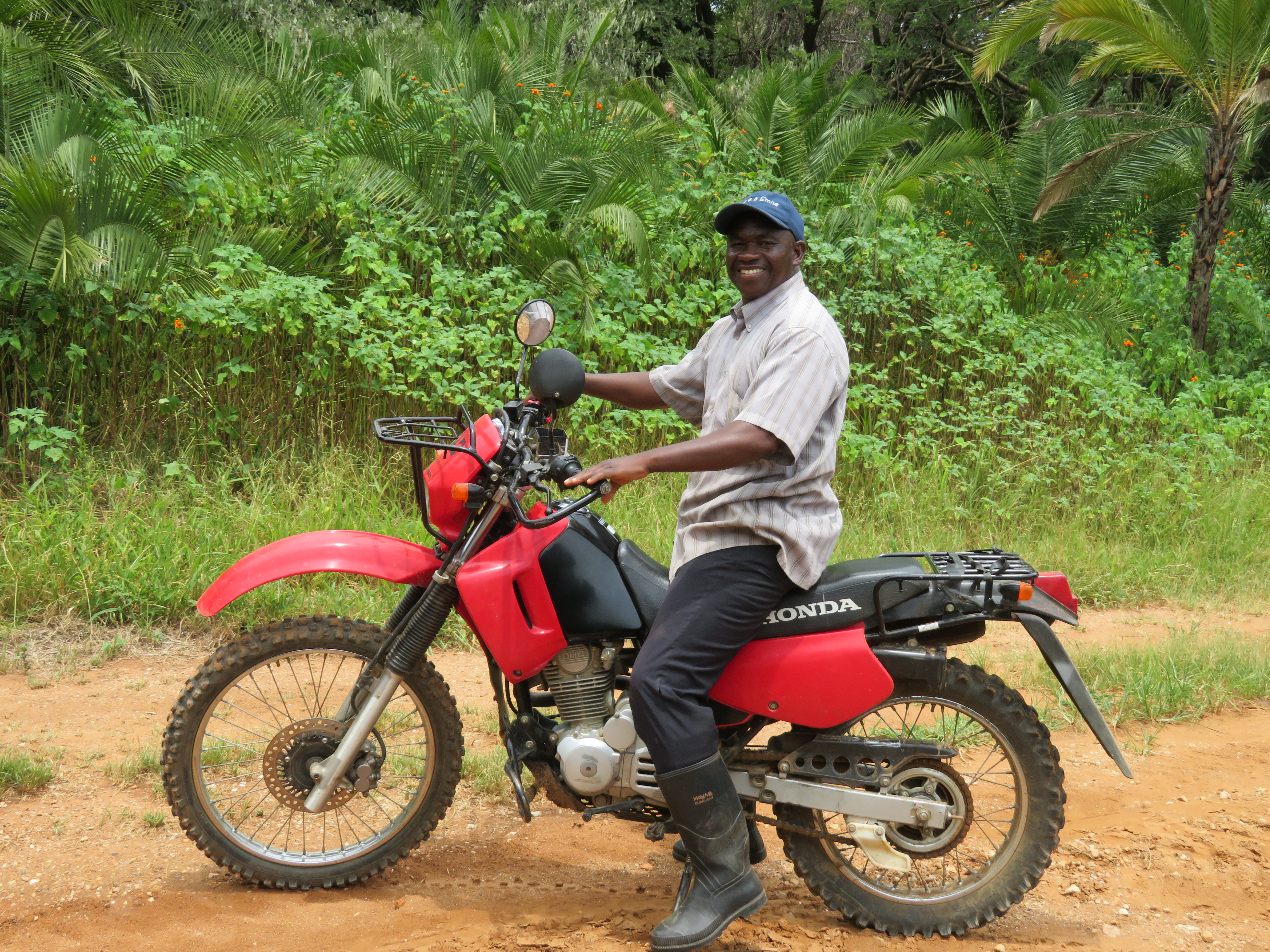
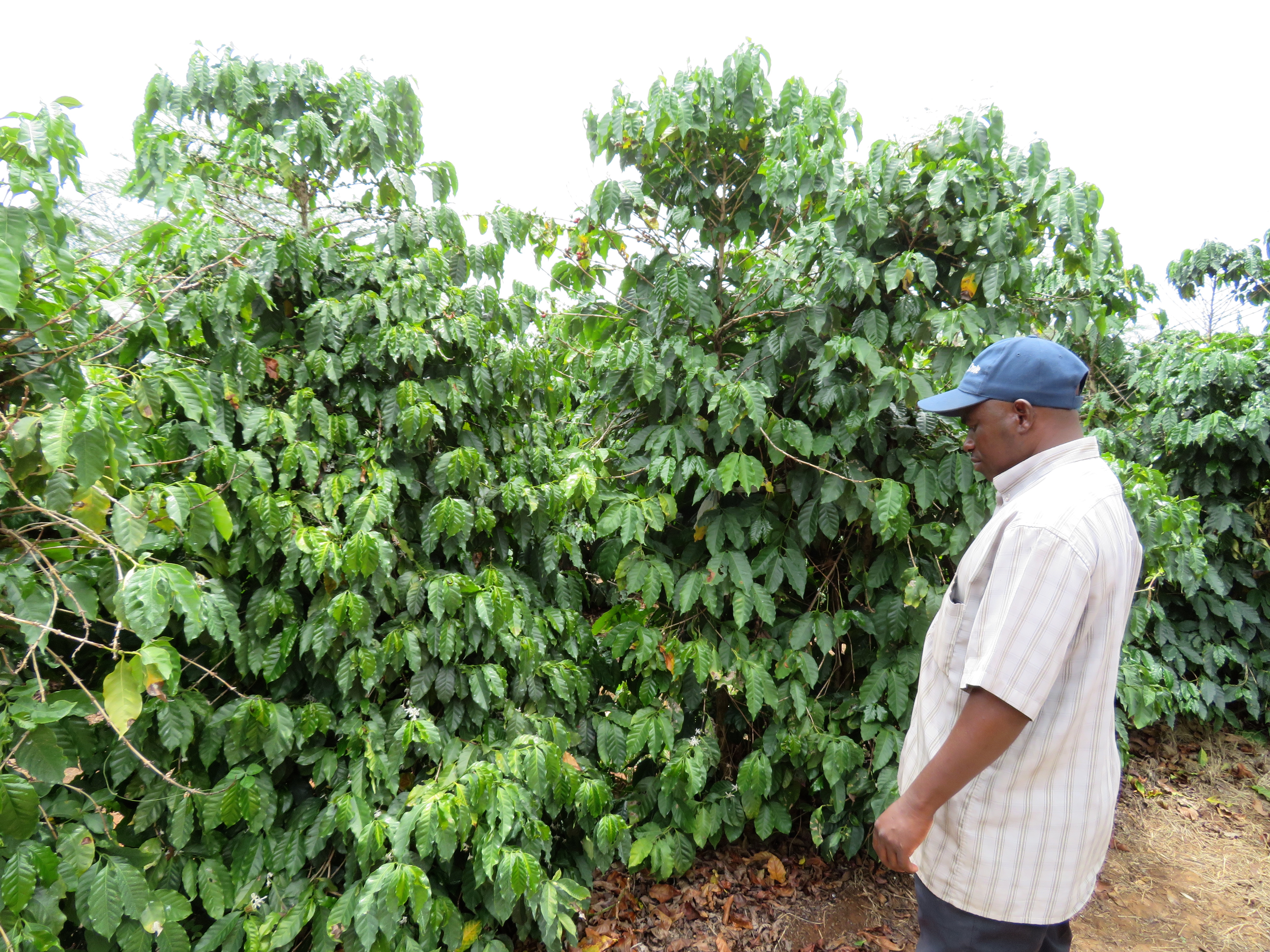
After meeting Jasper, Willem Lublinkhof’s son and the current manager of the farm, and discussing the global specialty coffee scene, I was granted permission to tour the estate with the coffee production manager, Mr. Monday Chillinga, who has been with Munali Coffee for the past 10 years. Climbing onto his motorbike, we set off to explore the farm. I asked countless questions, and Mr. Chillinga patiently answered every one.

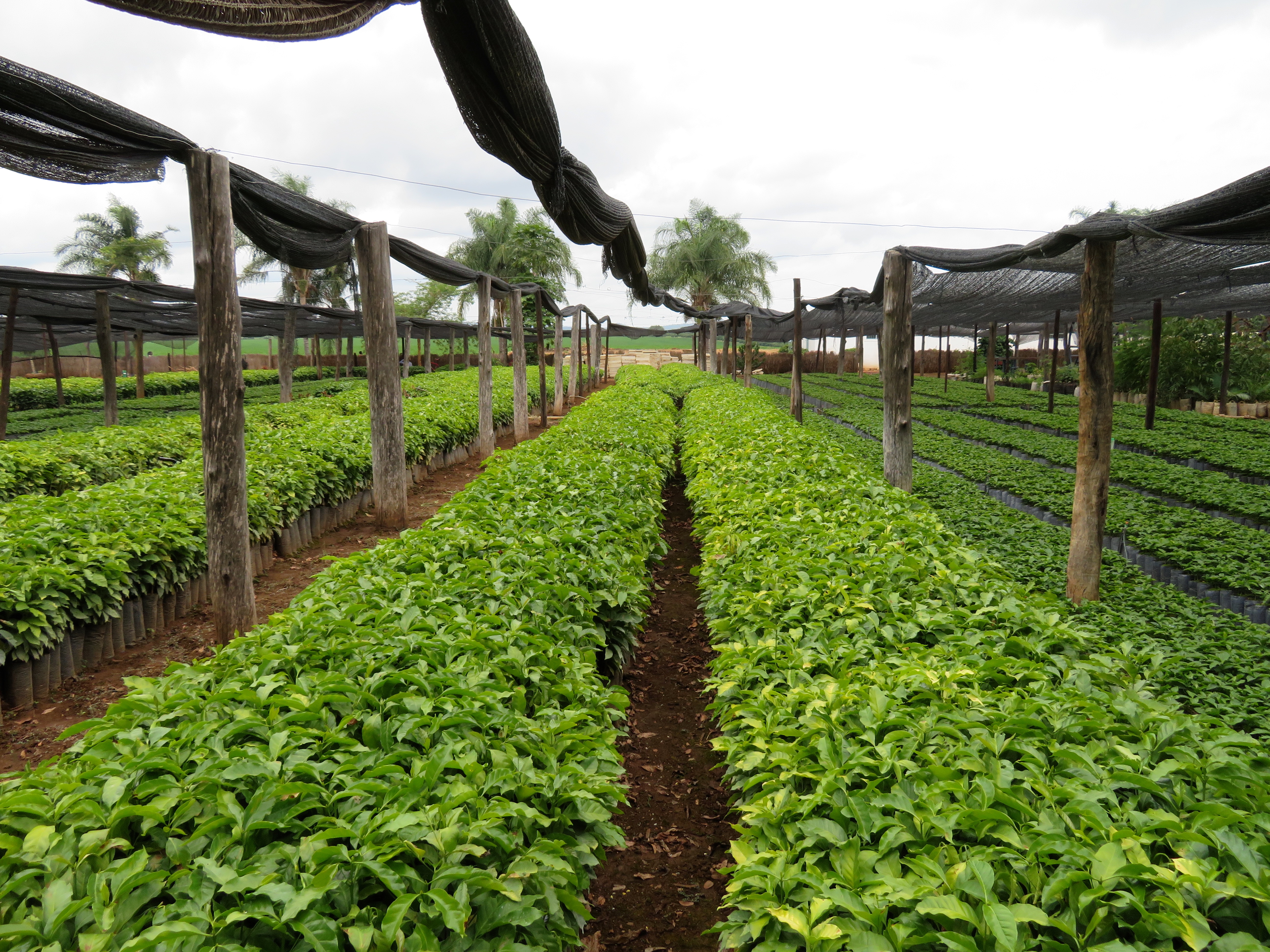
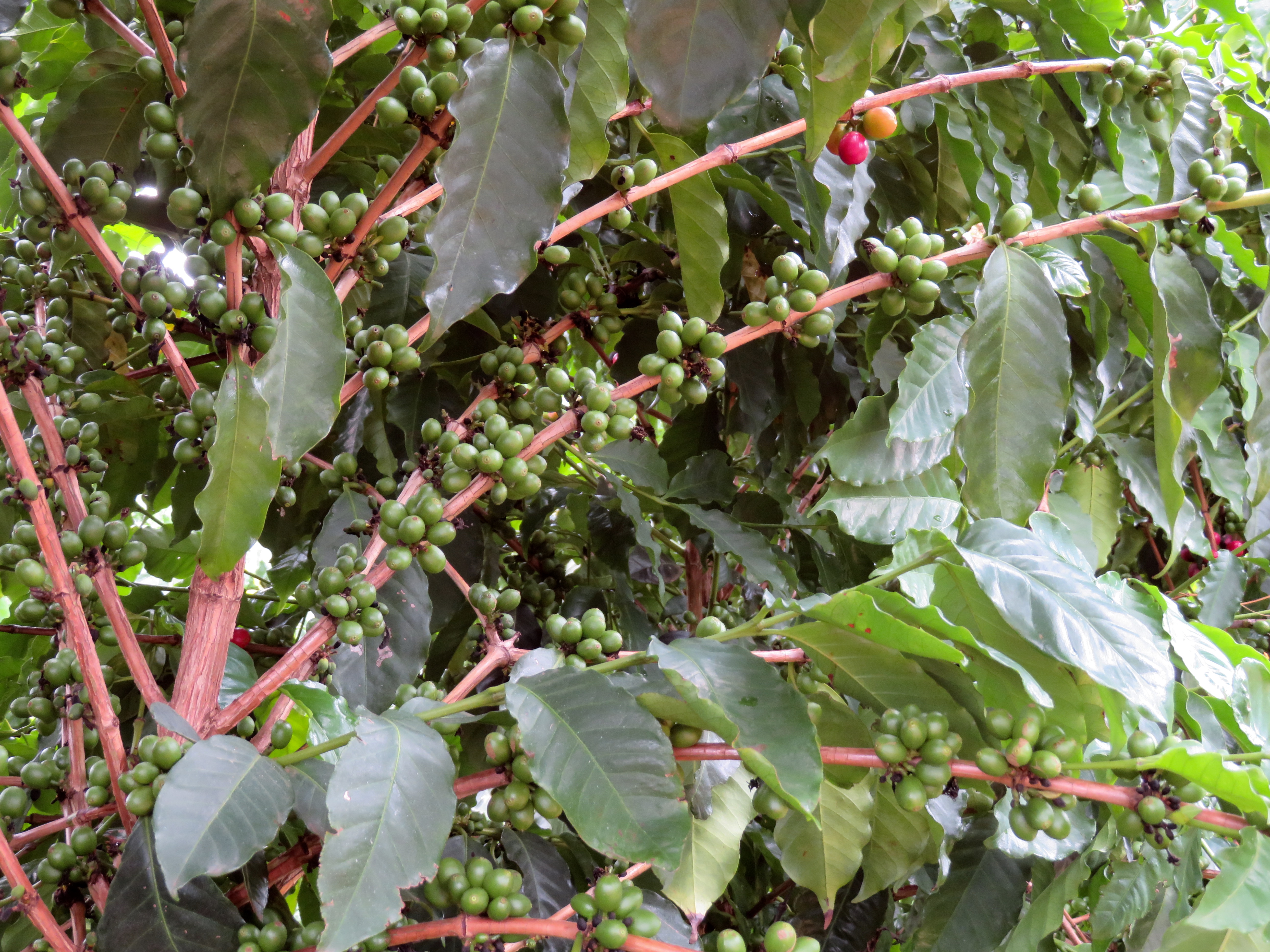
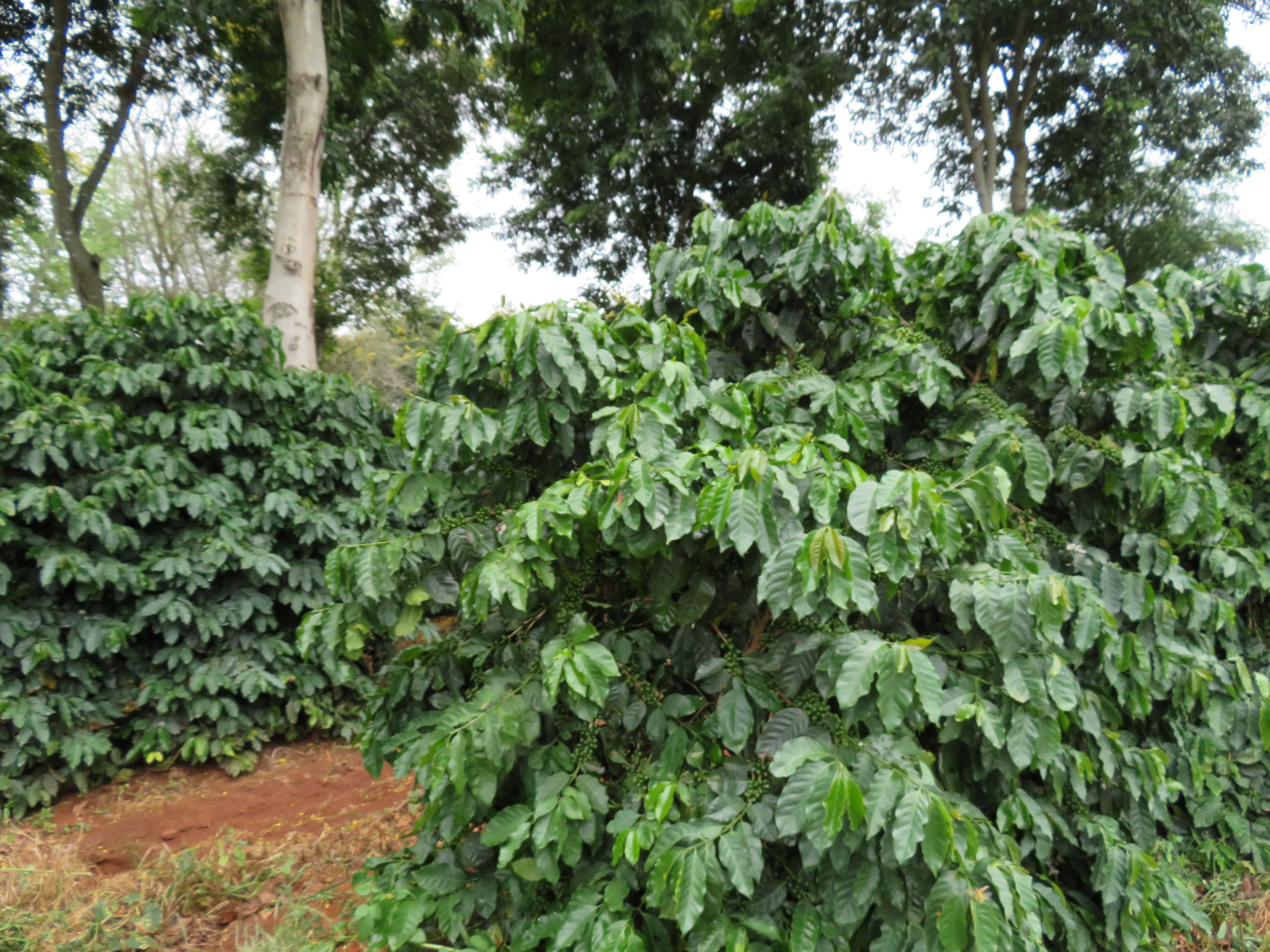
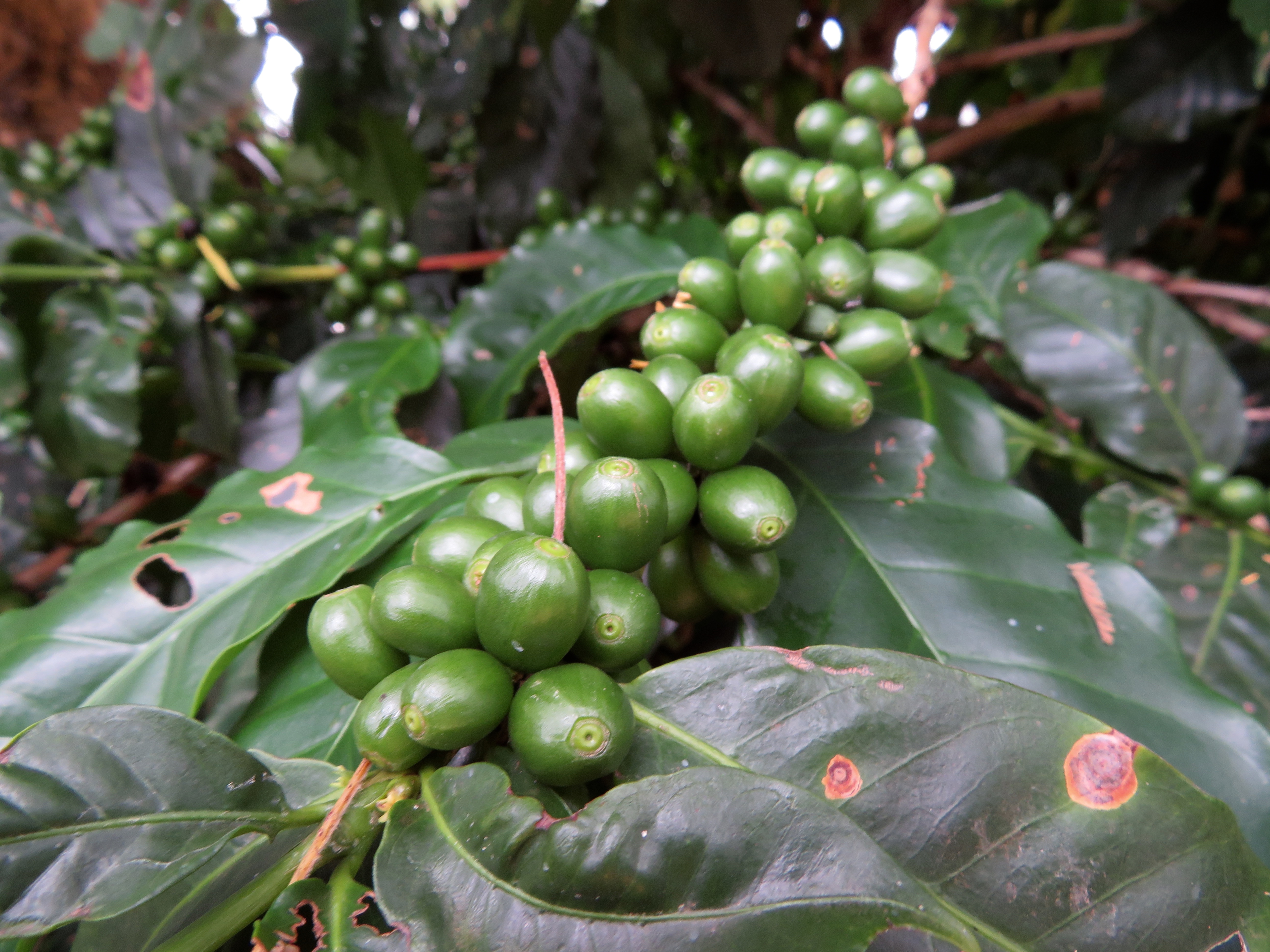
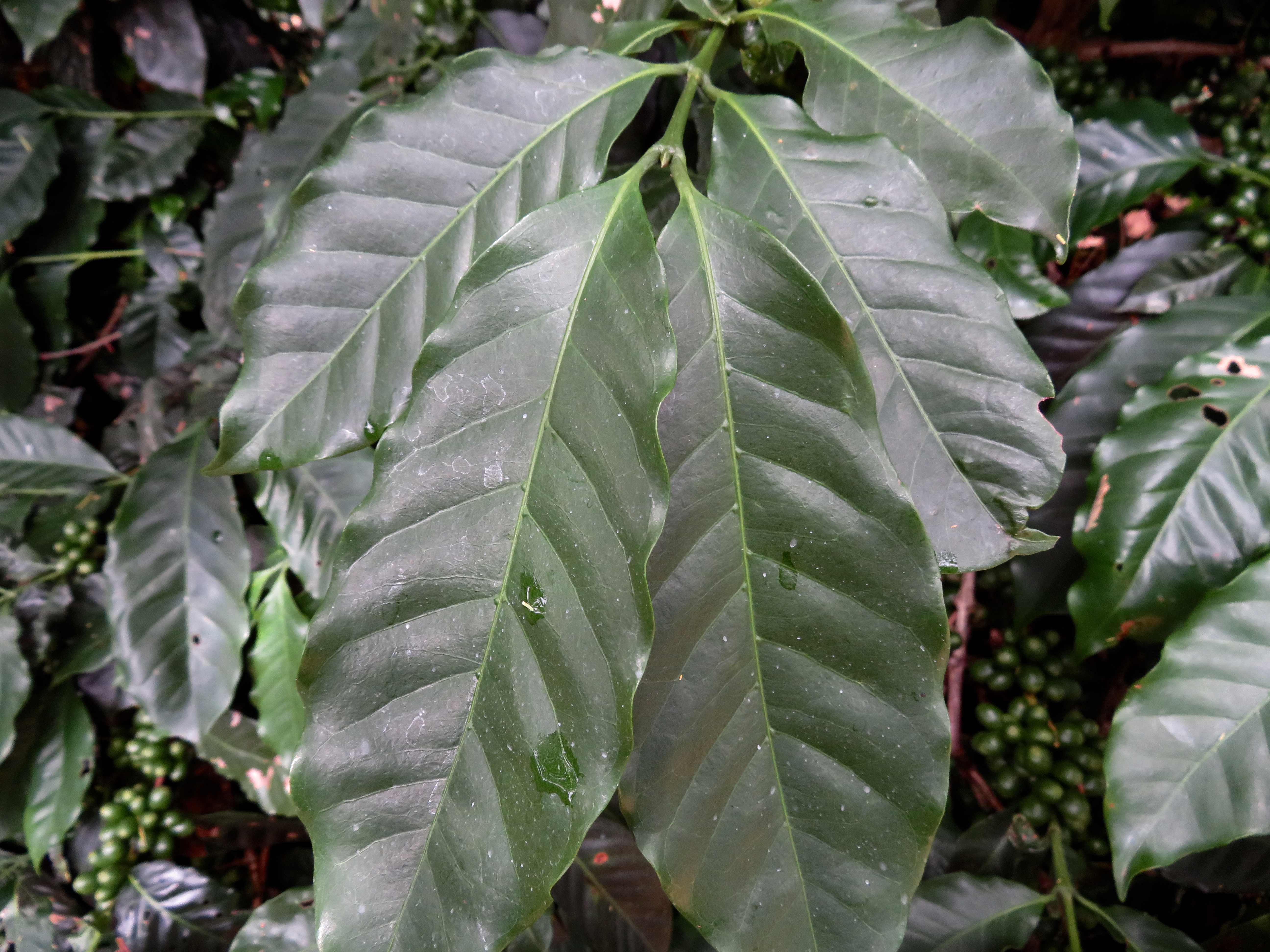
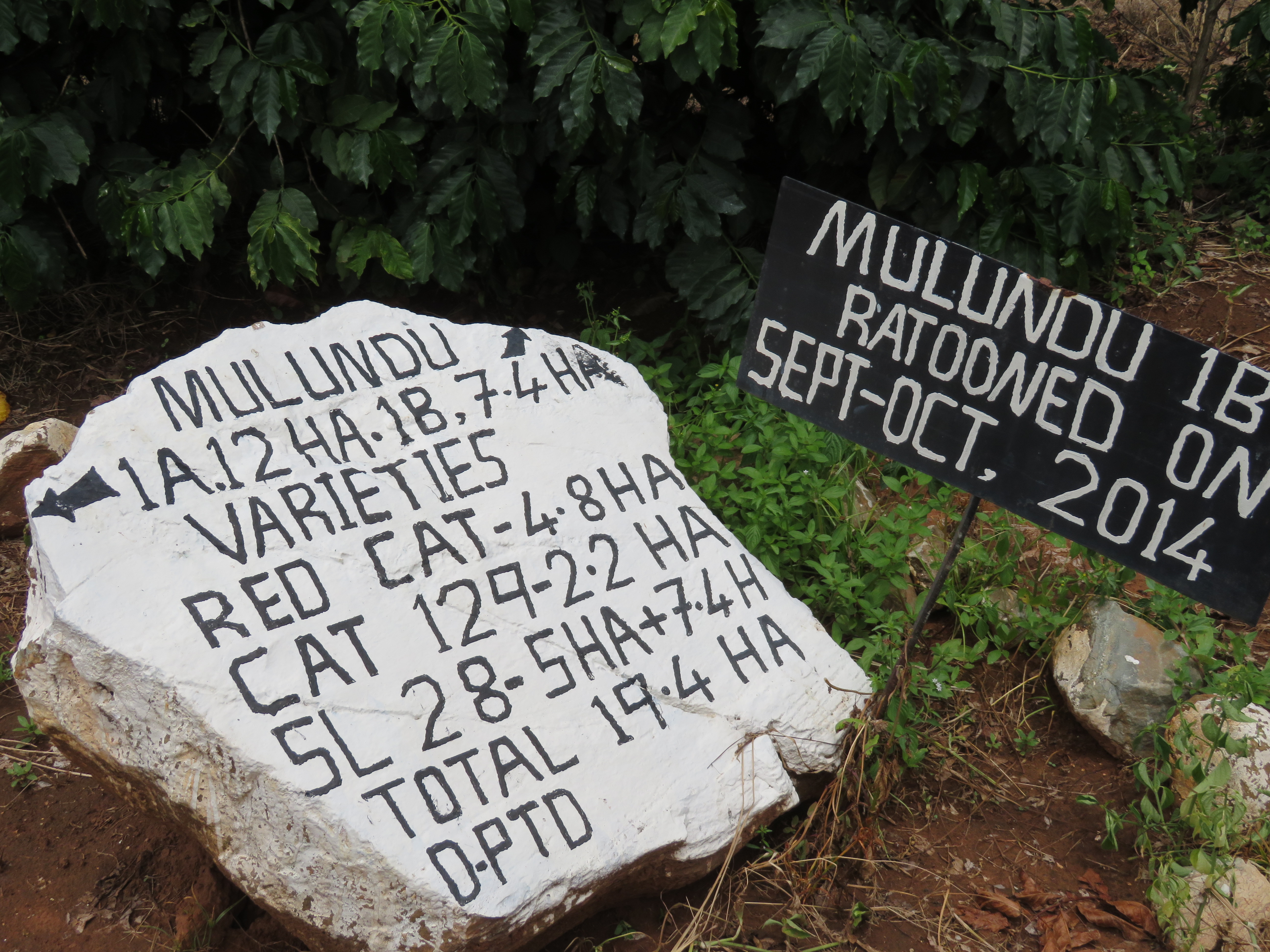
Munali Coffee is situated at an elevation of 1,130 meters (about 3,812 feet, according to my altimeter) and spans 65 hectares. Of this, 60 hectares are planted with the SL28 varietal, which was introduced to Zambia from Kenya. The remaining 5 hectares are dedicated to F6, Catuai, and Costa Rica varietals. Each varietal is planted in distinct sections to prevent mixing, making harvesting more efficient and organized.

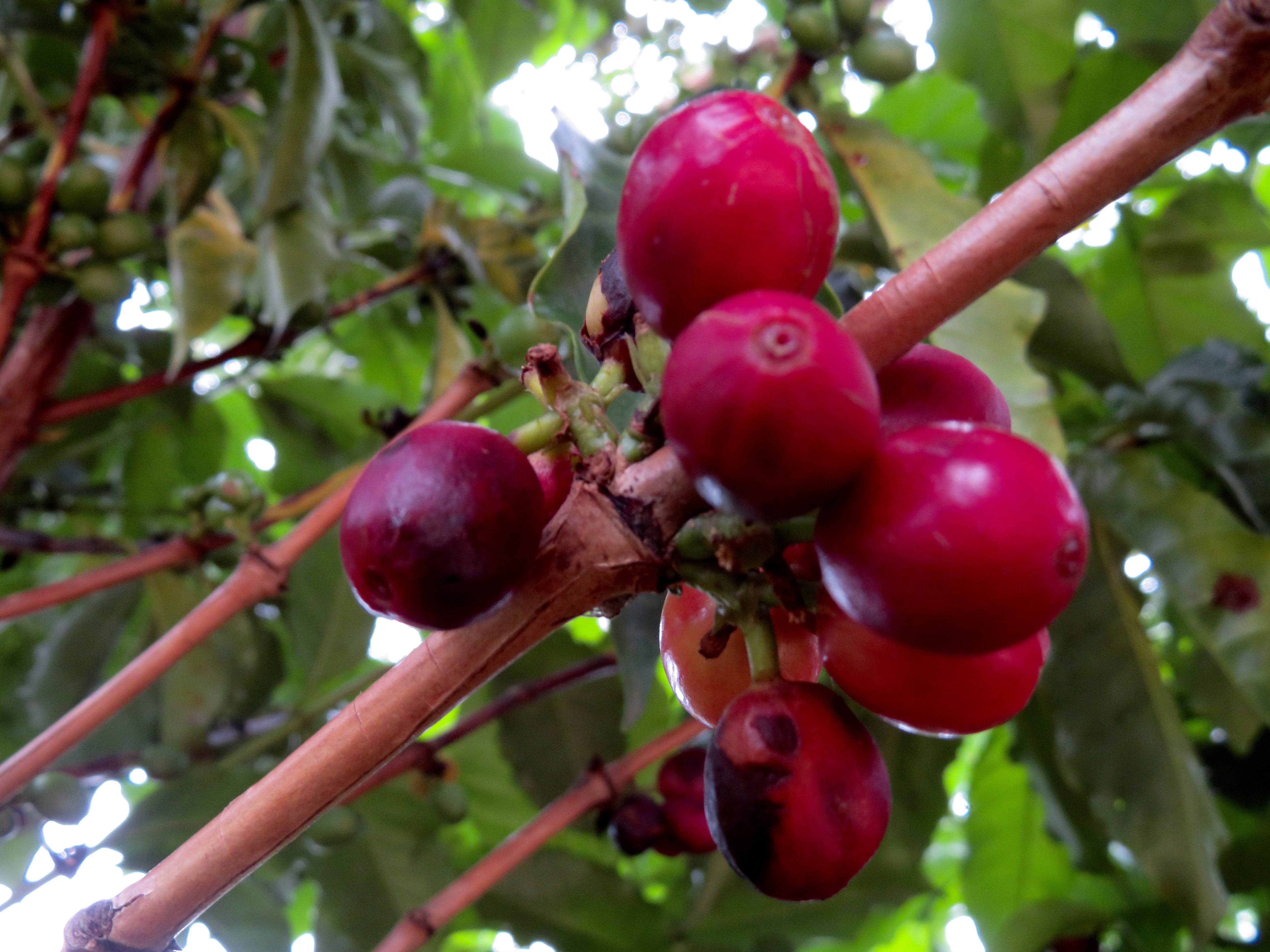
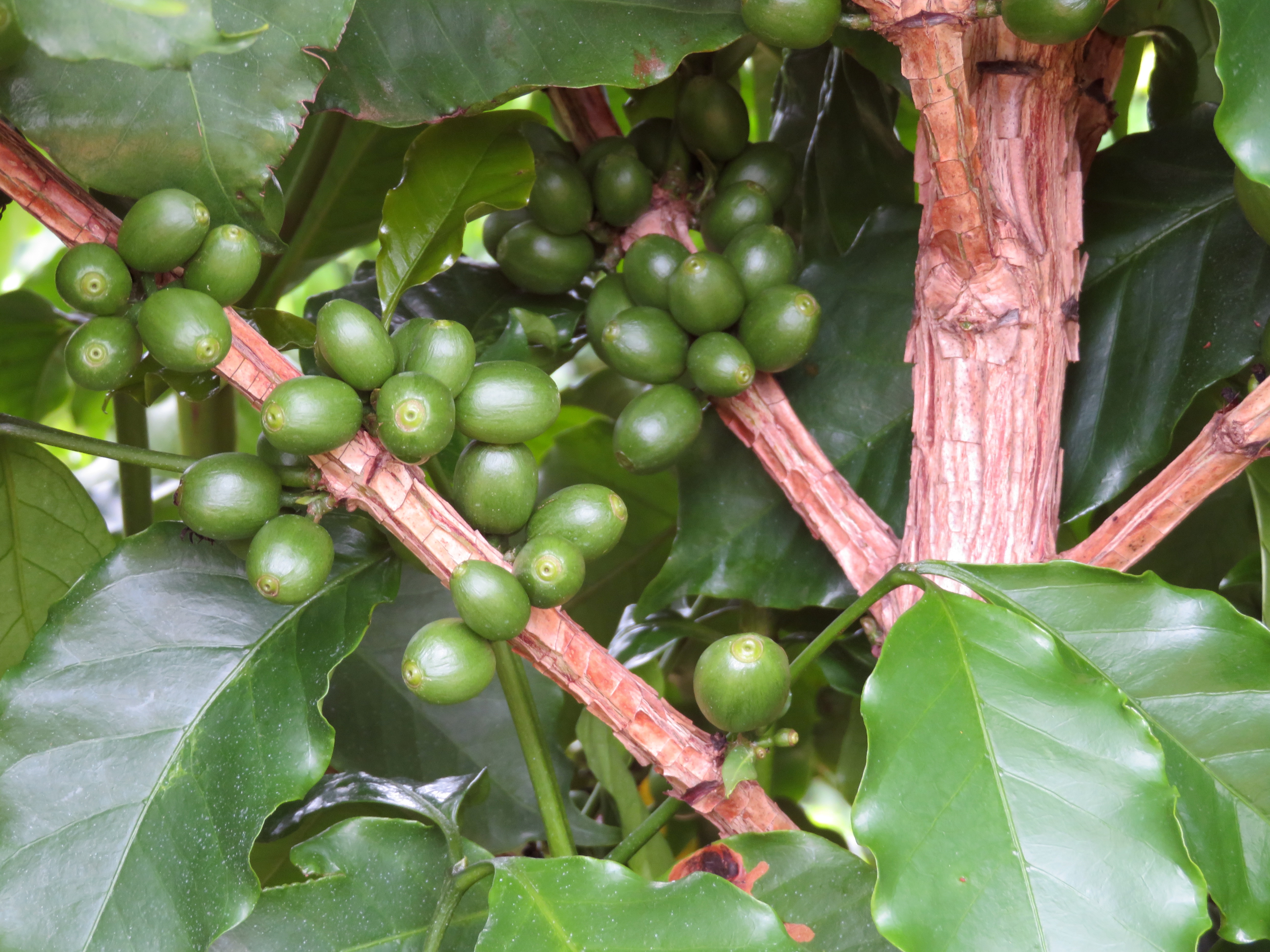
The SL28, a Bourbon cultivar, grows vigorously and produces a moderate yield, but it is susceptible to most major diseases and pests, requiring careful management and attention. The Catuai varietal, originally developed in Brazil, is a hybrid of Mundo Novo and Yellow Caturra. Each varietal at Munali is meticulously managed, reflecting the farm’s commitment to quality and precision in specialty coffee production.

IMG_4916

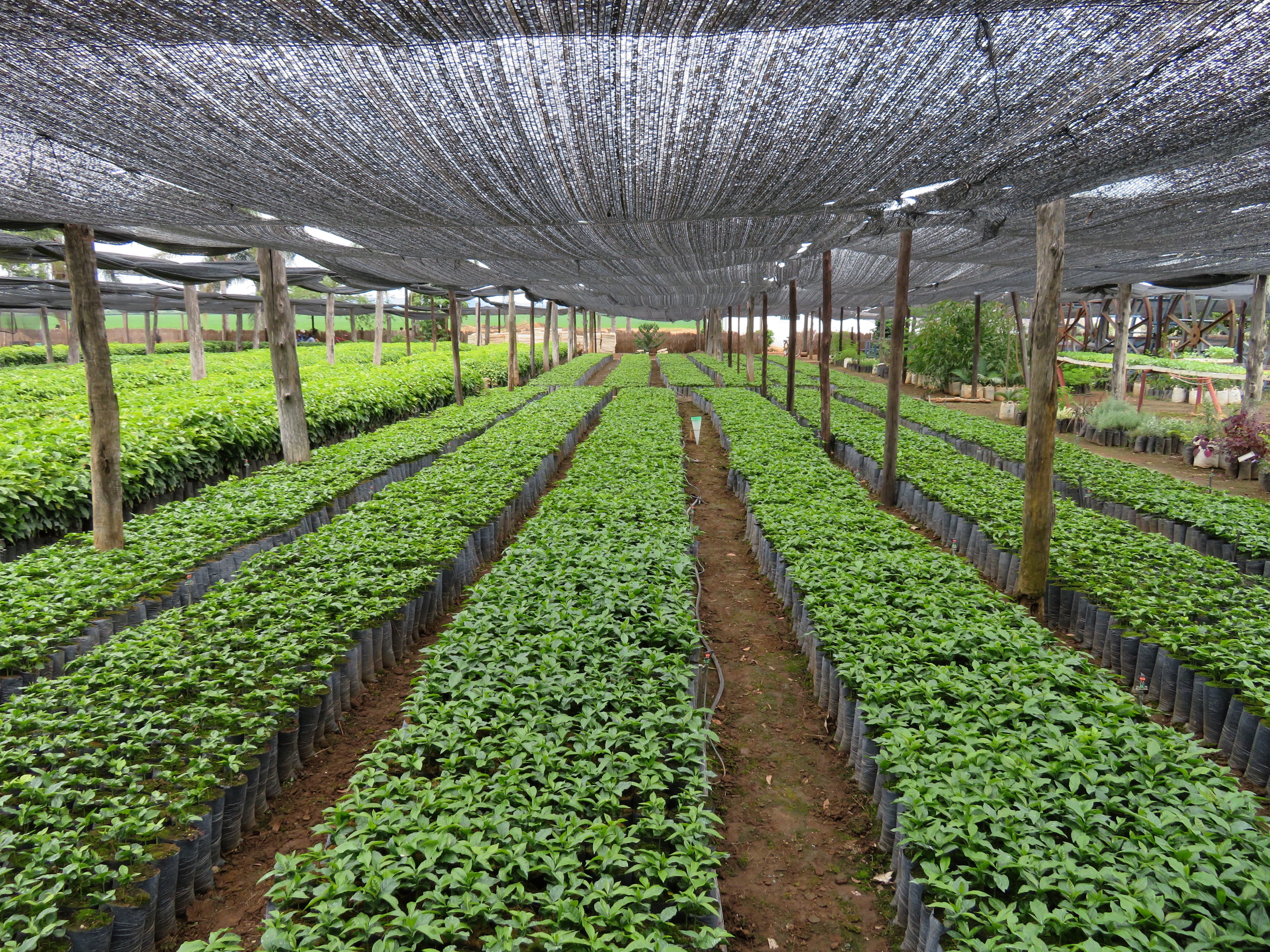
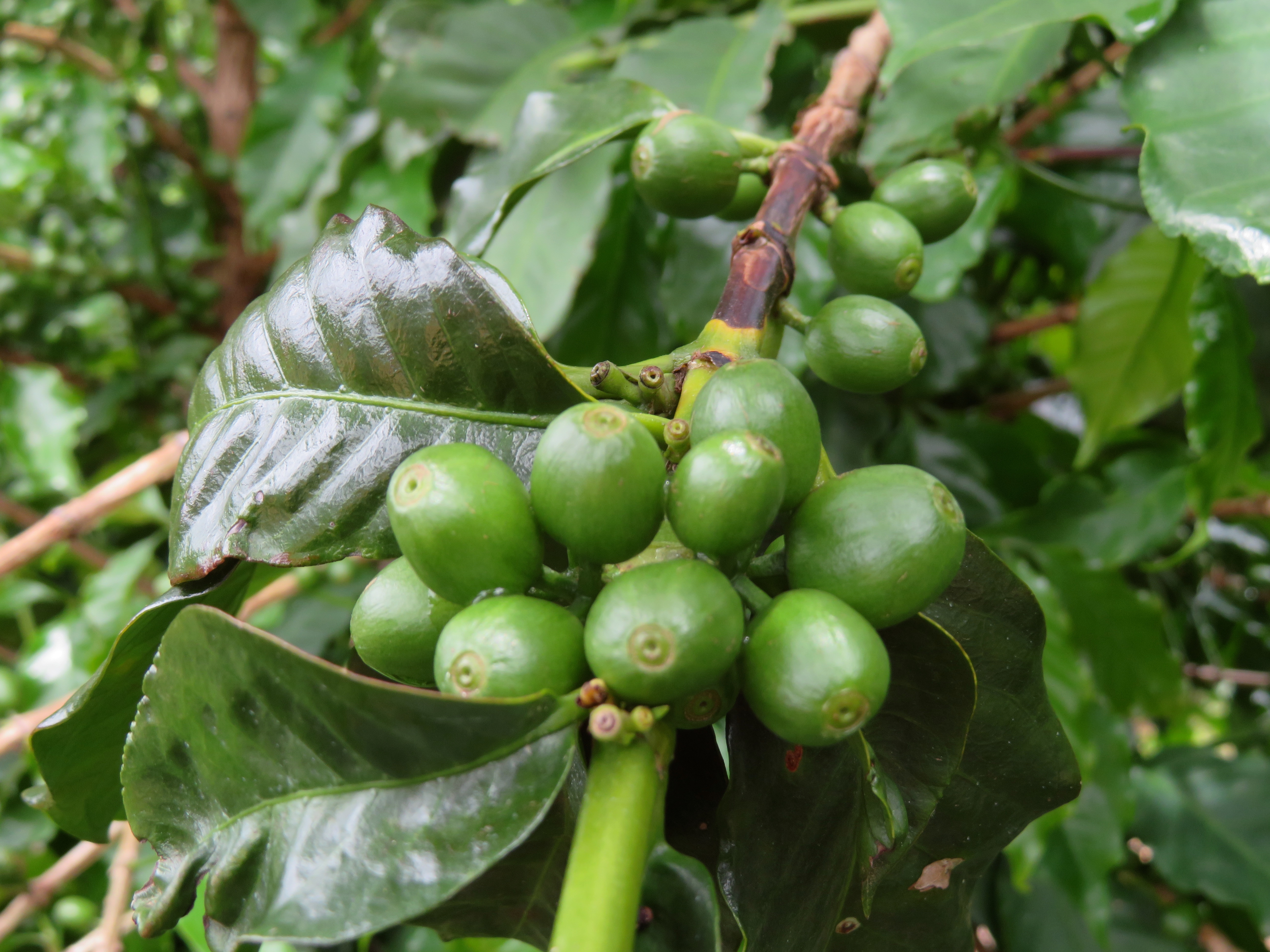
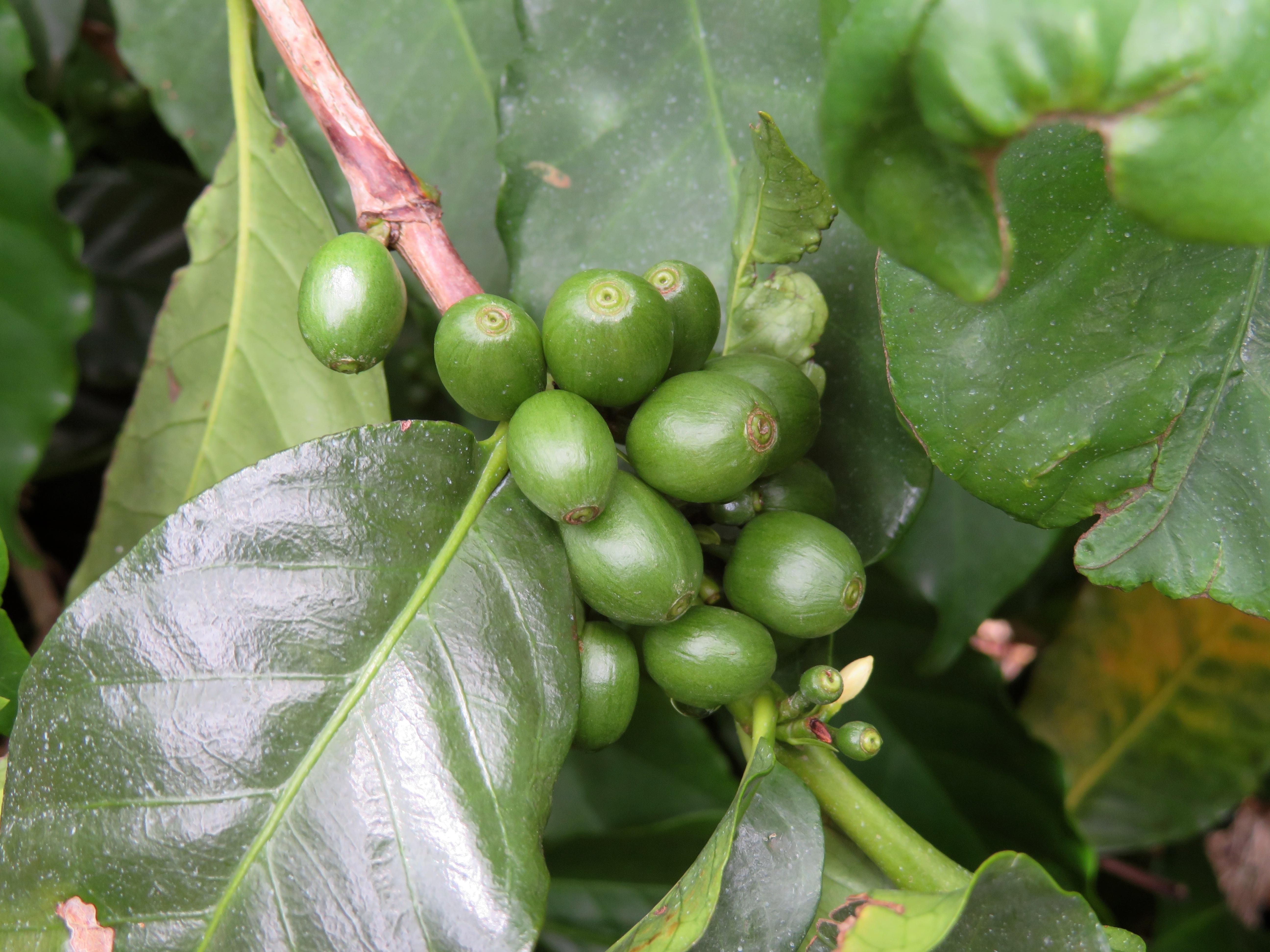
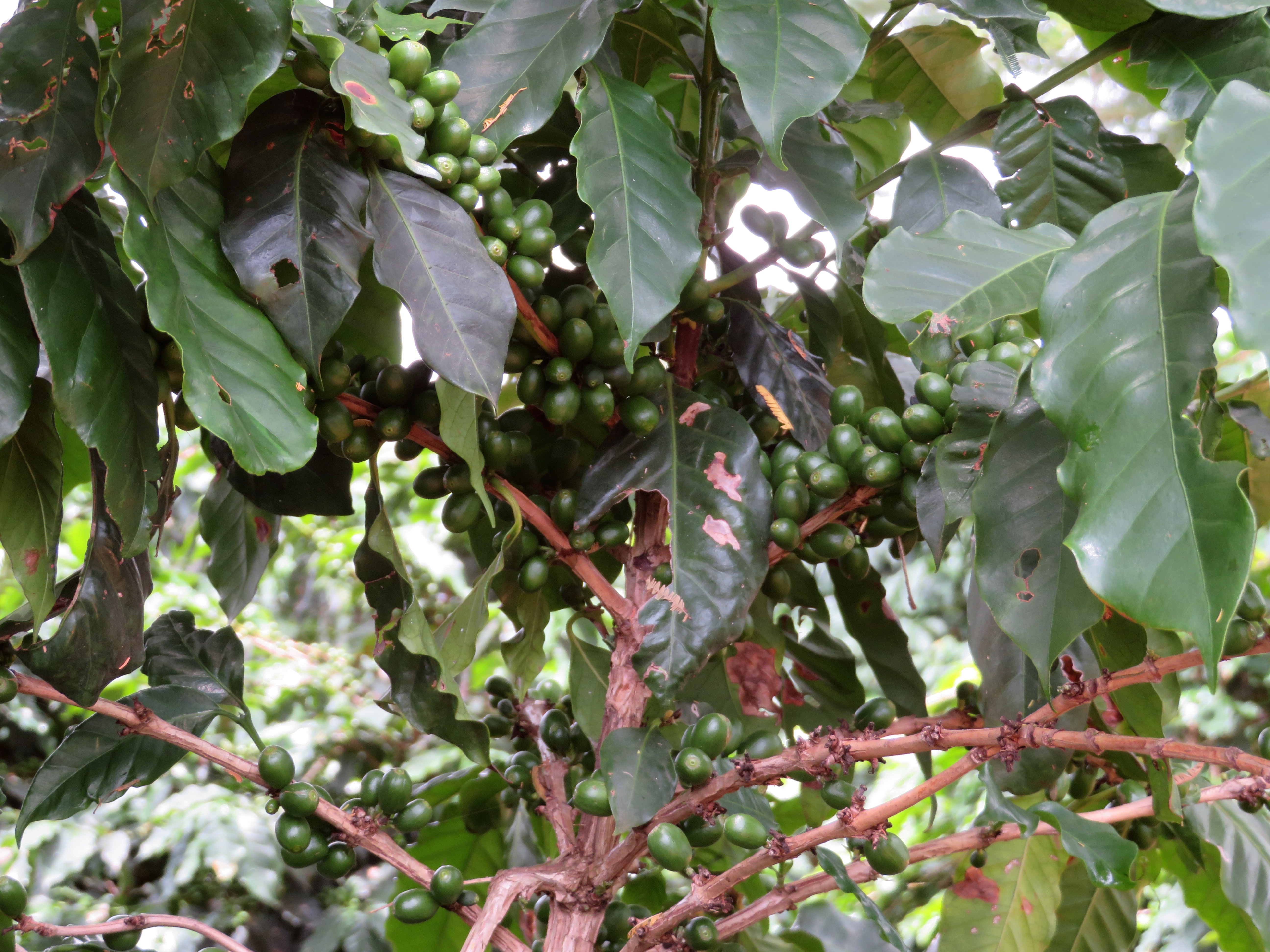
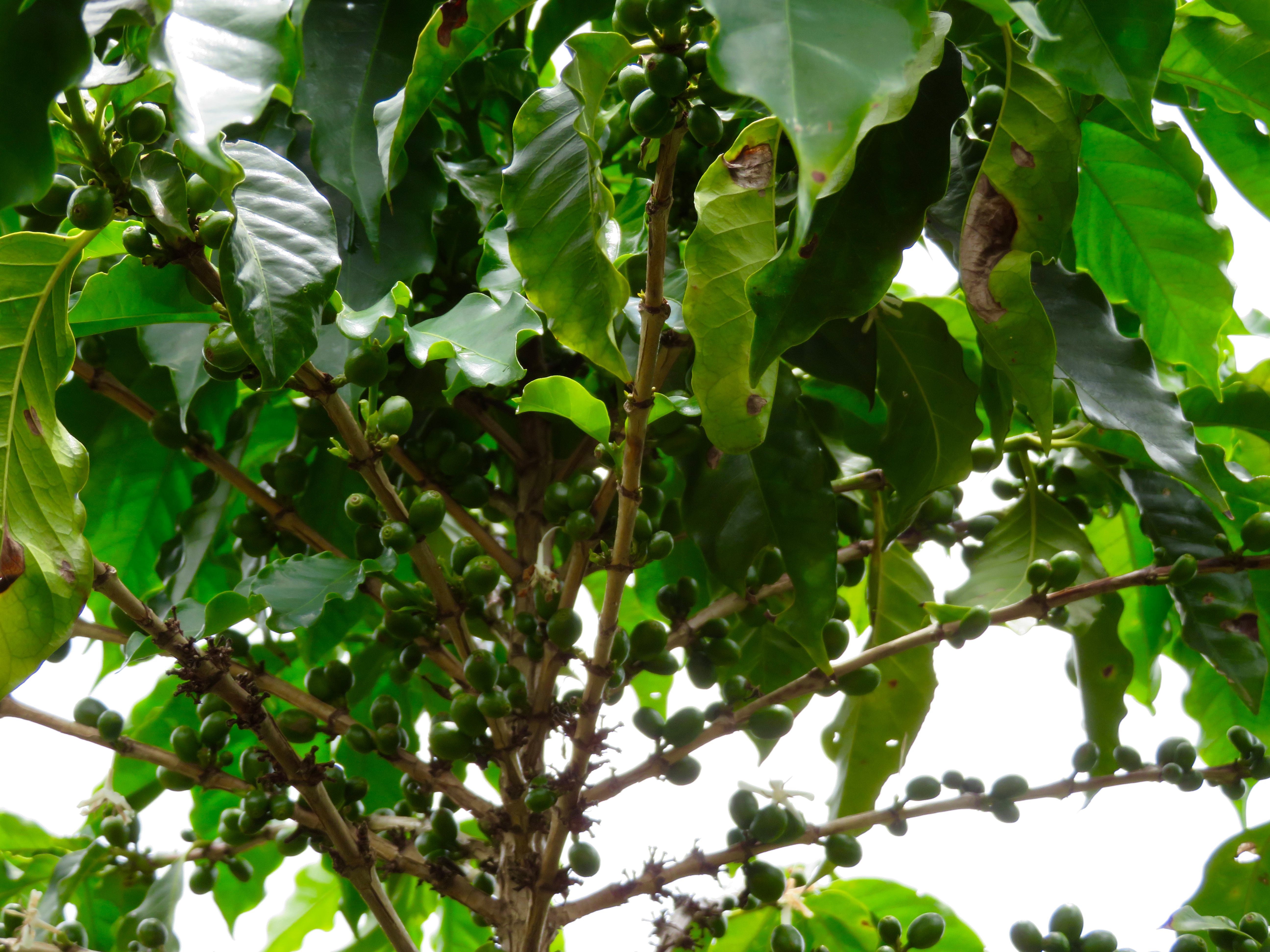
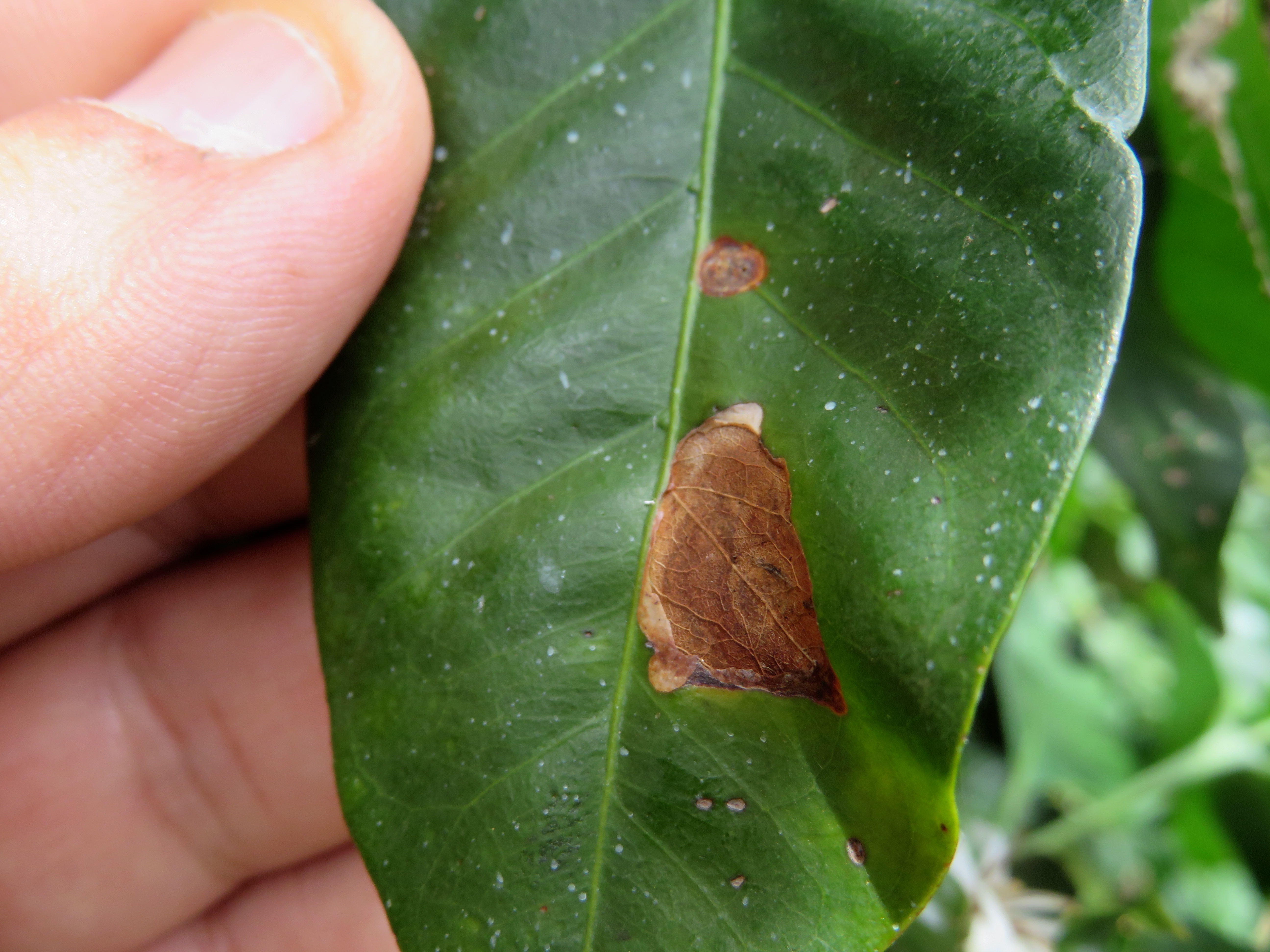
The F6 varietal, new to me, is a cross between the Caturra variety and the Timor Hybrid. It grows as a semi-dwarf plant, making harvesting easier. At Munali Coffee Estate, 2,083 trees are planted per hectare. Like other coffee-producing regions, Zambia faces challenges from leaf rust, and farmers continuously seek effective ways to control the disease before it spreads across the plantation.

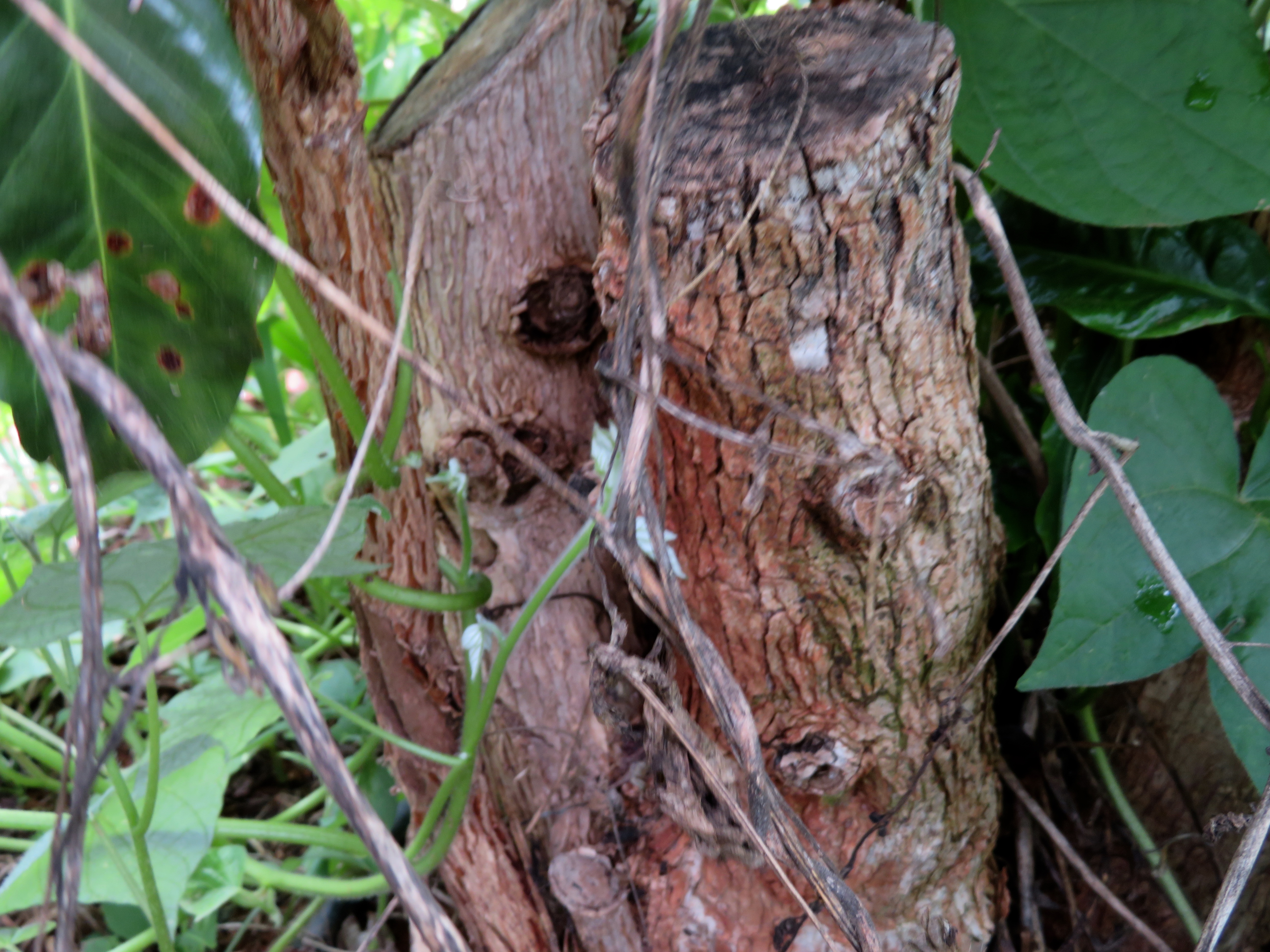
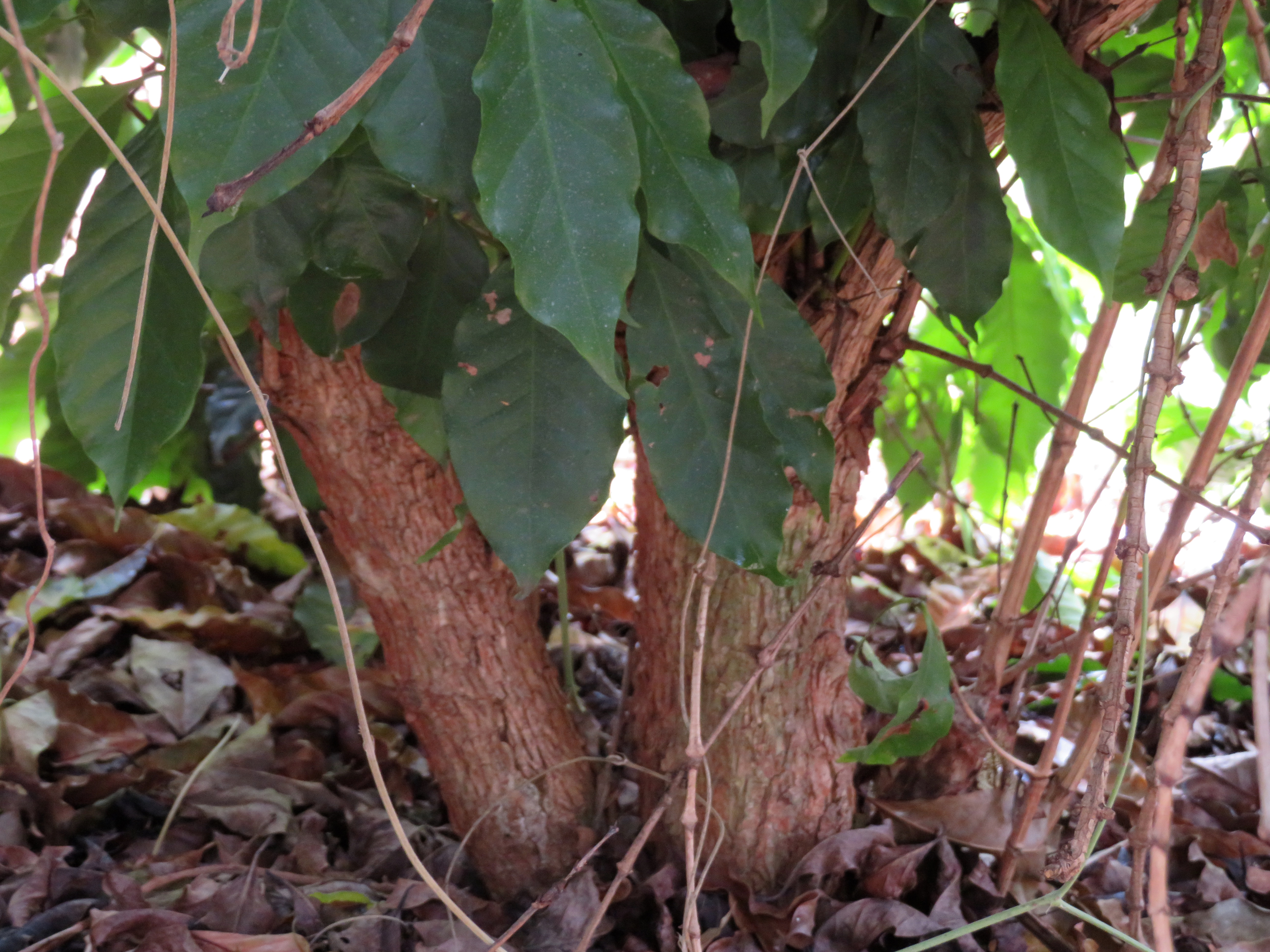
In addition to leaf rust, the farm contends with several pests. Antestia bugs, common in East African Arabica coffee farms, hide in berry or flower clusters and feed on cherries. Wood-boring insects are particularly destructive, tunneling under the bark of trees and destroying living tissues, which can lead to branch dieback, structural weakness, and eventually the death of affected plants. Leaf miners, which burrow into and consume leaf tissue, are another persistent threat.

To maintain healthy and productive coffee trees, the farm implements all necessary measures against these pests while relying exclusively on organic fertilizers. The fertilizer regimen includes a carefully balanced combination of nitrogen, phosphorus, and calcium, applied annually from December to February.

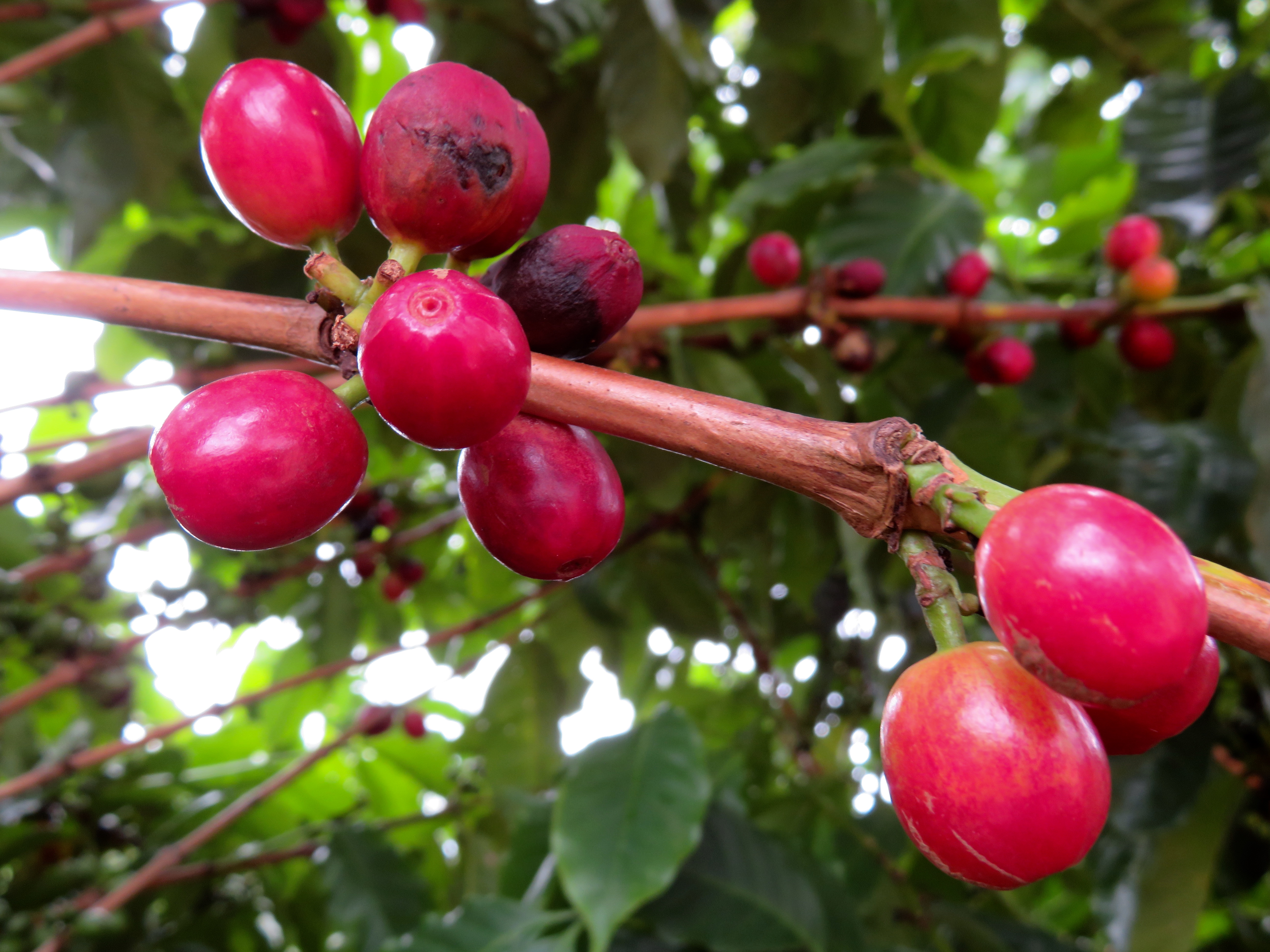
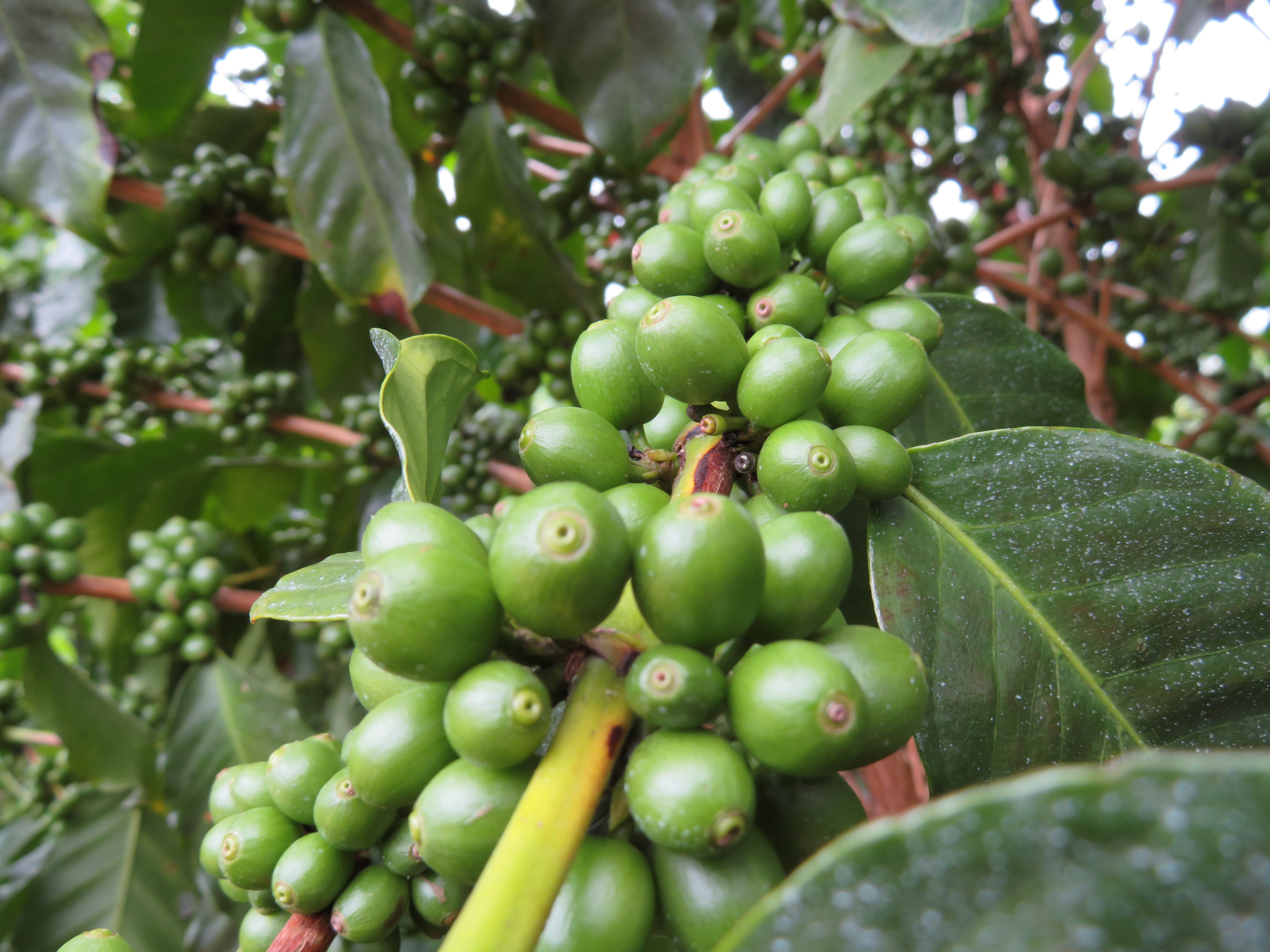
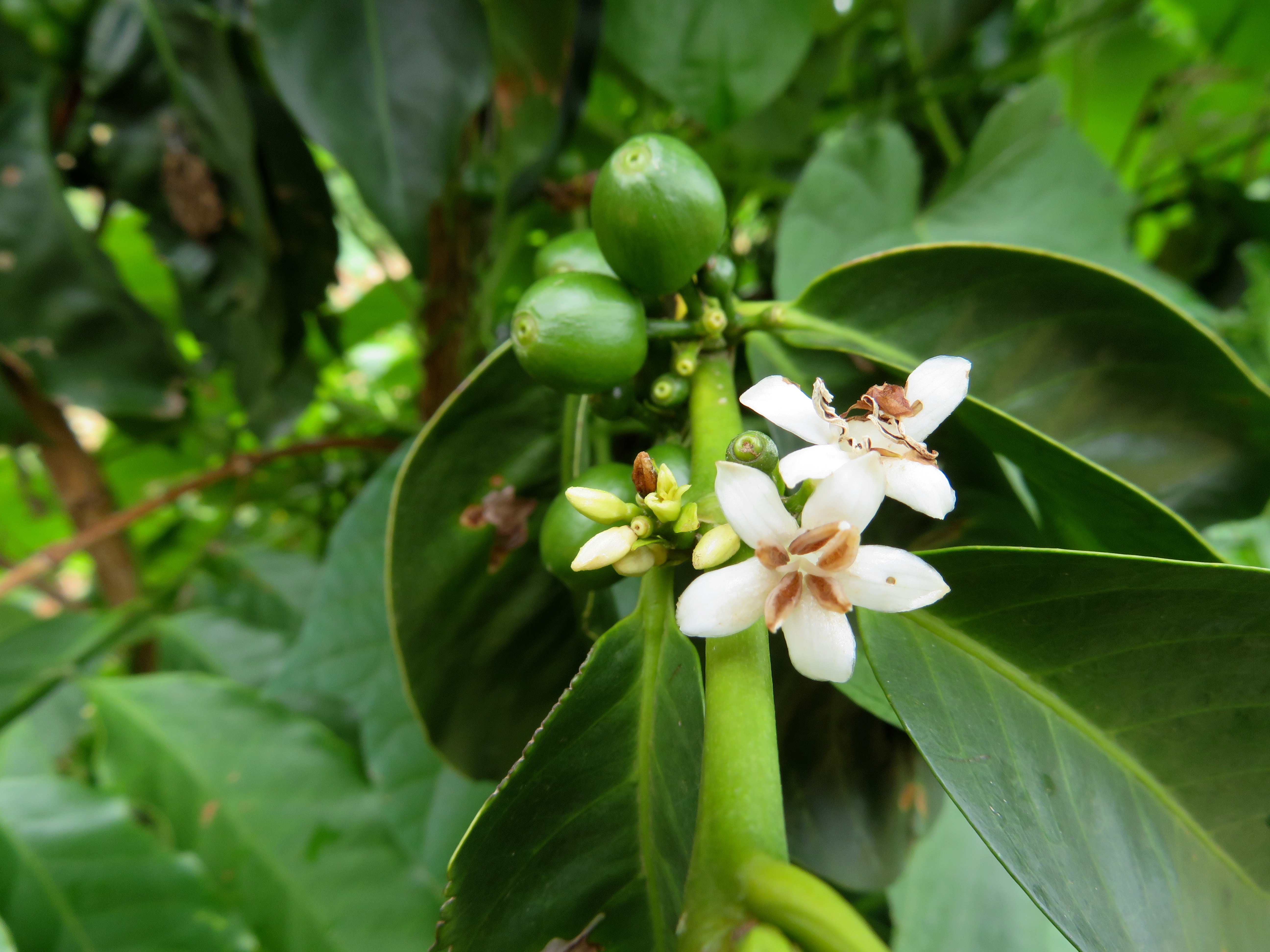
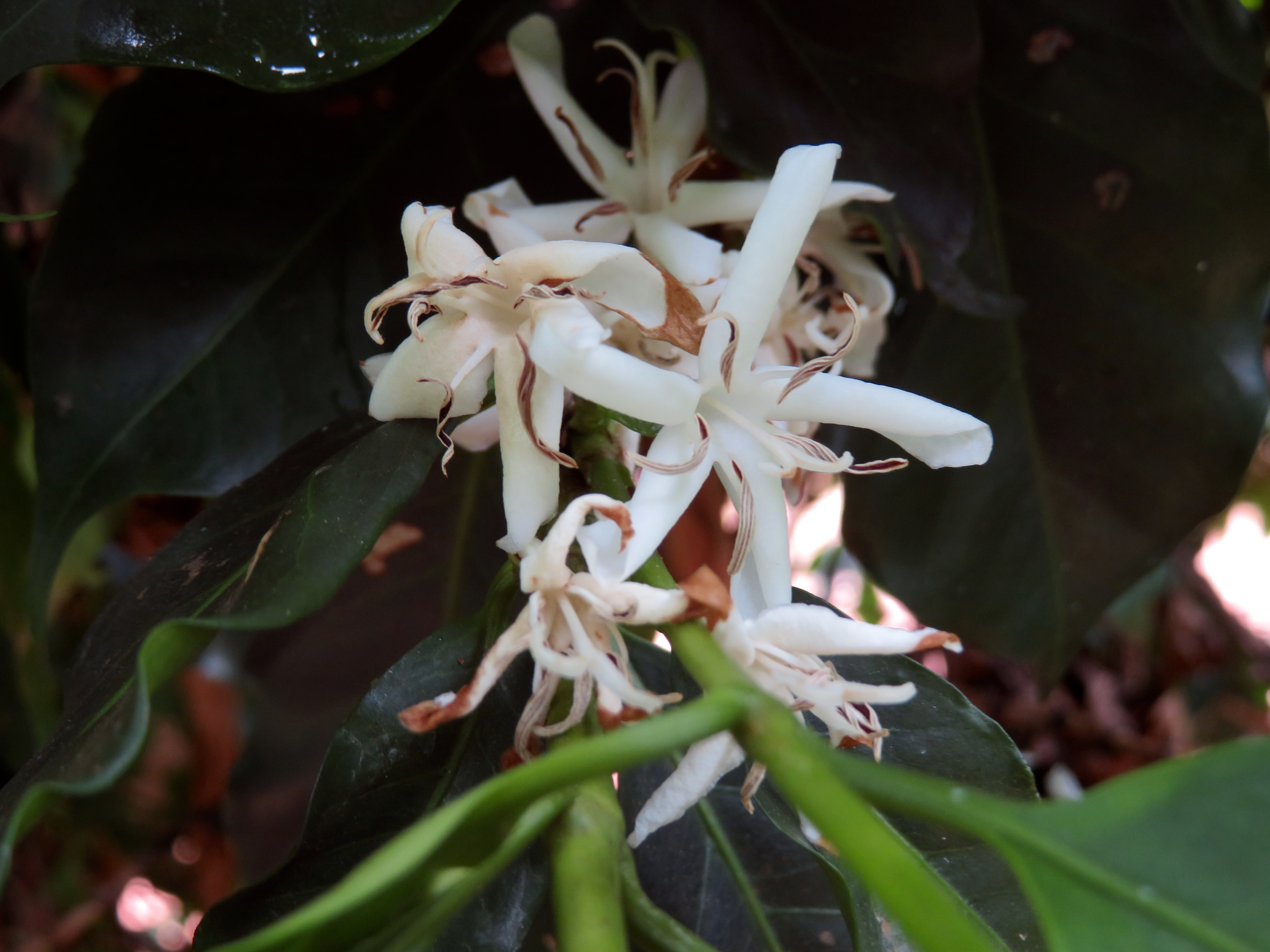
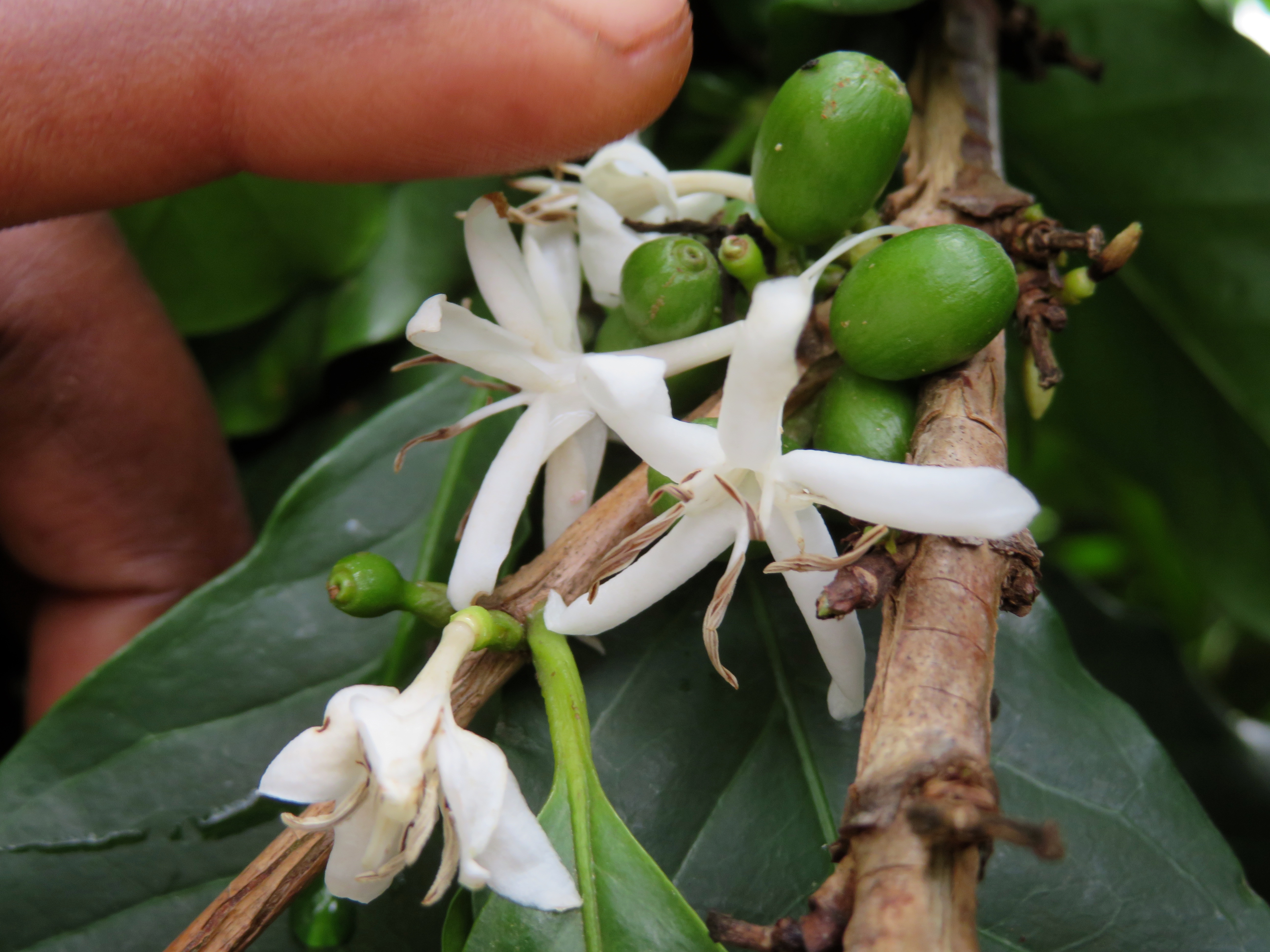
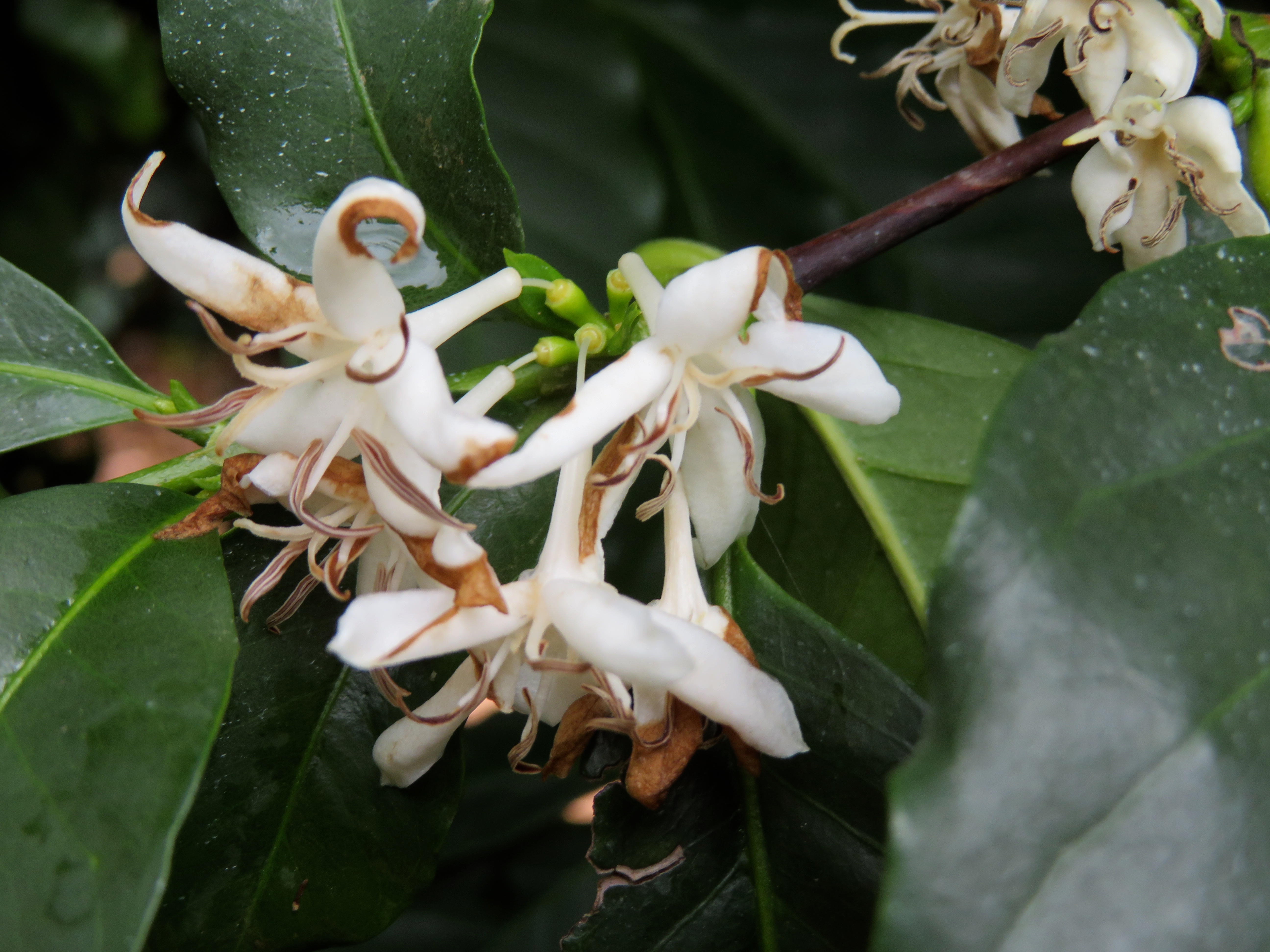
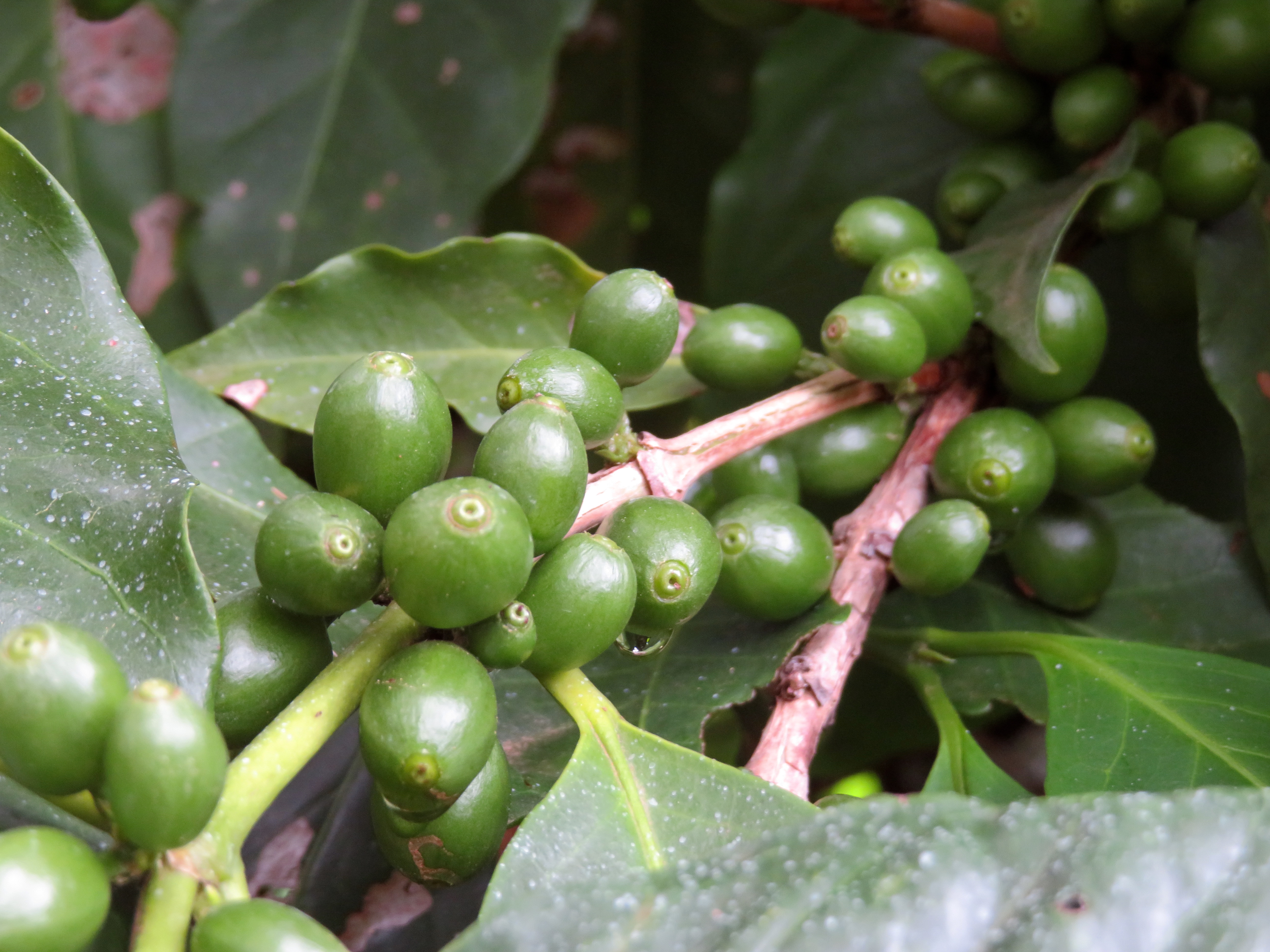
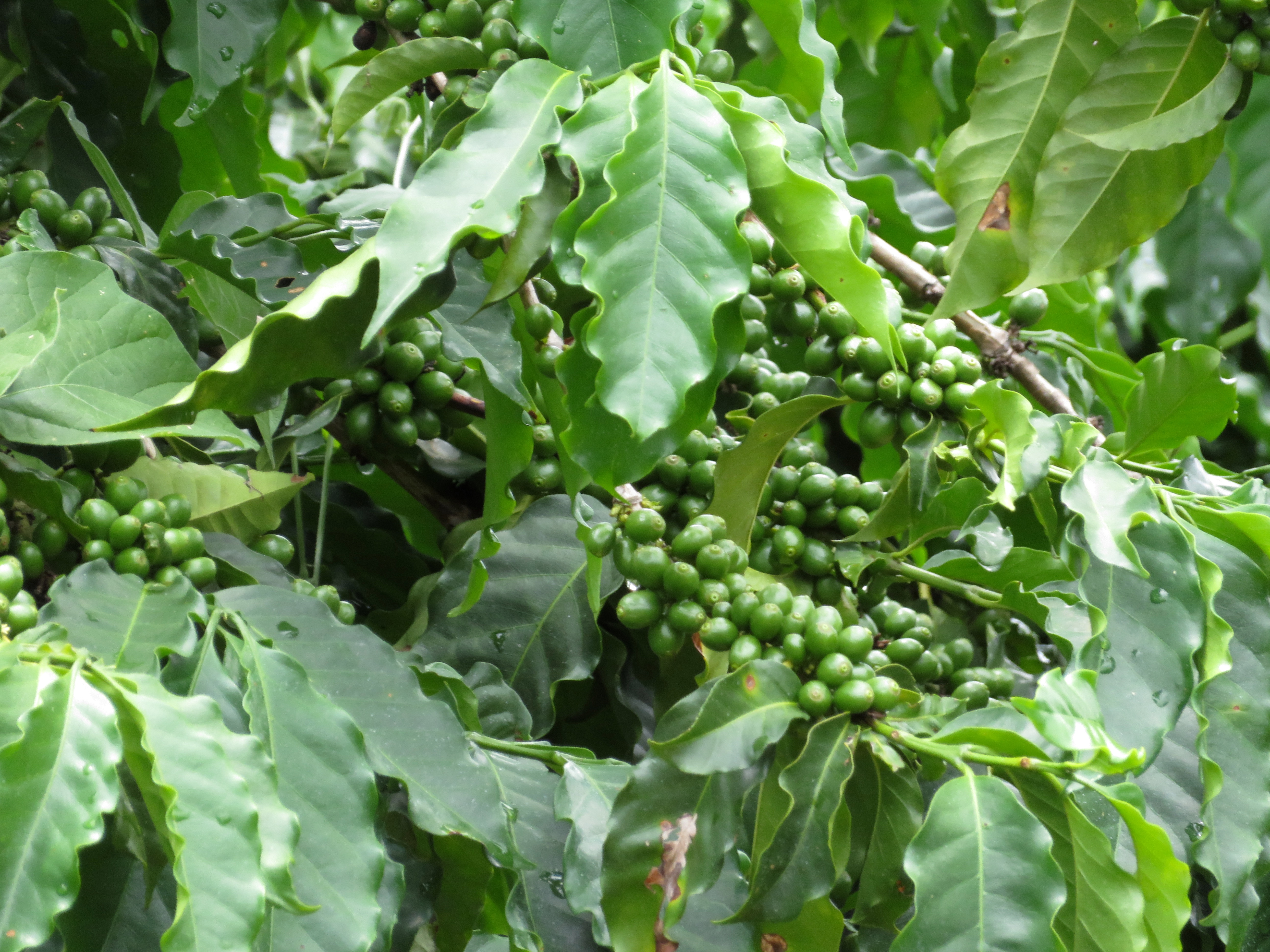
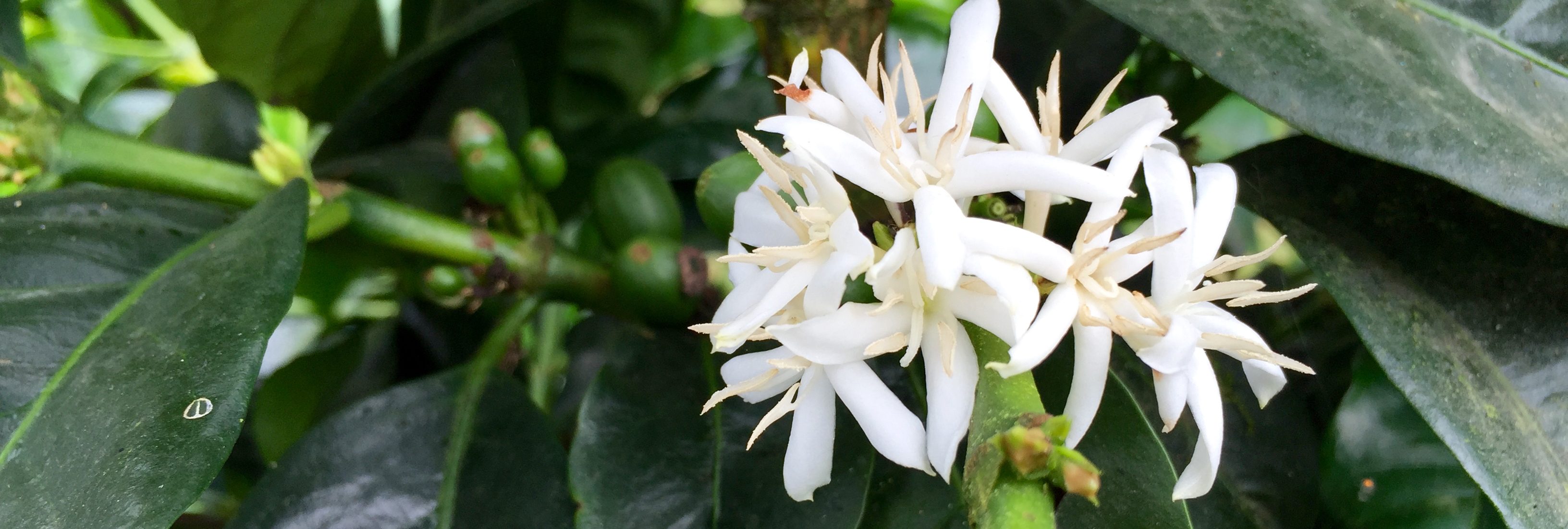
Harvest season at Munali typically begins in May and peaks through July. Interestingly, this year’s flowering occurred earlier than expected, signaling that the harvest would soon commence. Climate change has introduced greater unpredictability to coffee production worldwide, and Zambia is no exception. Shifts in temperature and rainfall patterns affect flowering and harvest cycles, making adaptive management crucial for sustaining high-quality coffee.

IMG_4956

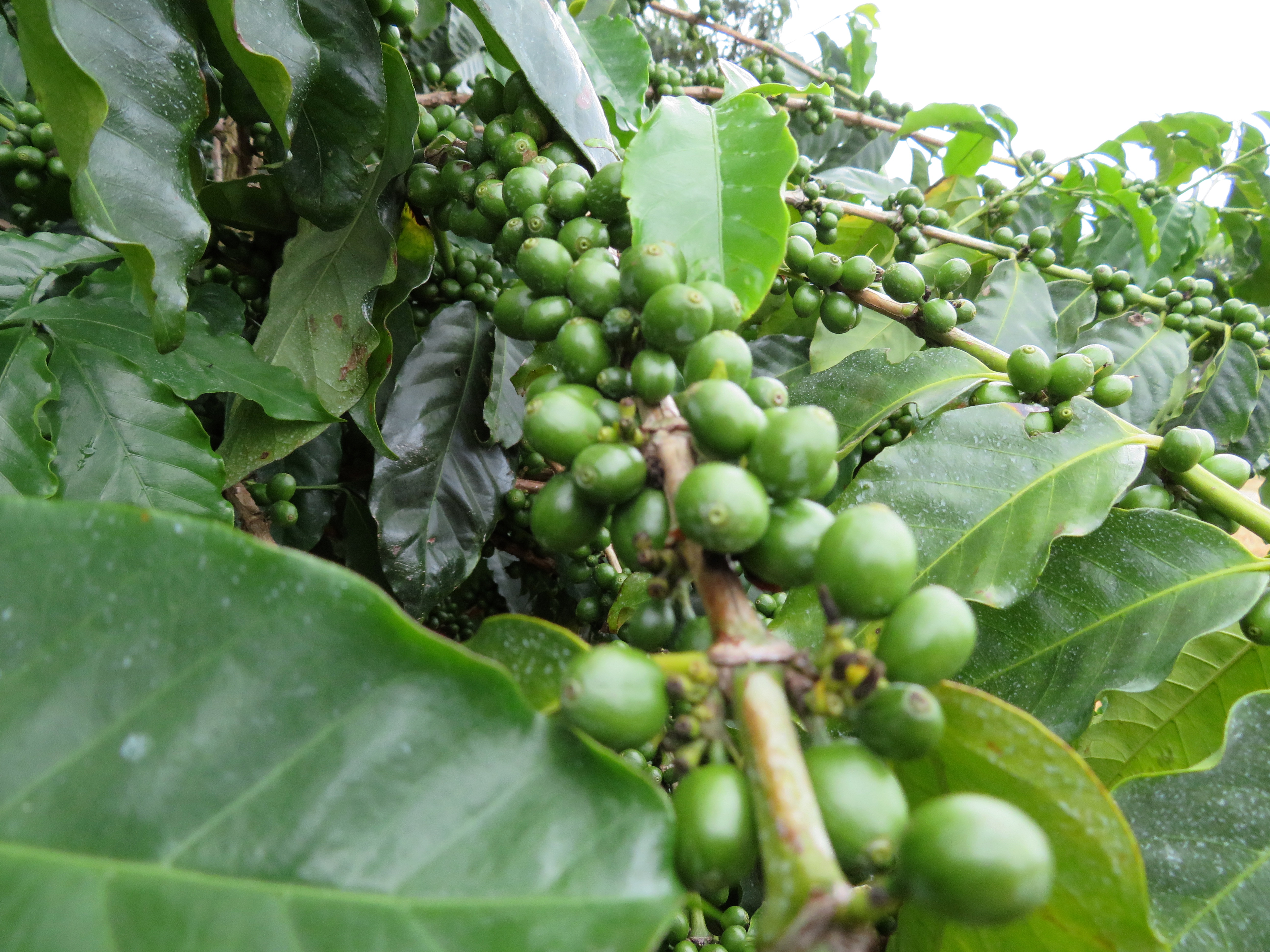
Munali Coffee cultivates both shade-grown and sun-grown coffee. The SL28 varietal produces approximately 15 kg of coffee cherries per tree, while the F6 yields around 5 kg per tree. During harvest season, the farm employs roughly 200 pickers who work from morning until evening. Depending on their skill and efficiency, a picker can collect up to 100 kg of cherries per day. Payment is calculated based on the weight harvested, typically around $0.50 per kilogram.

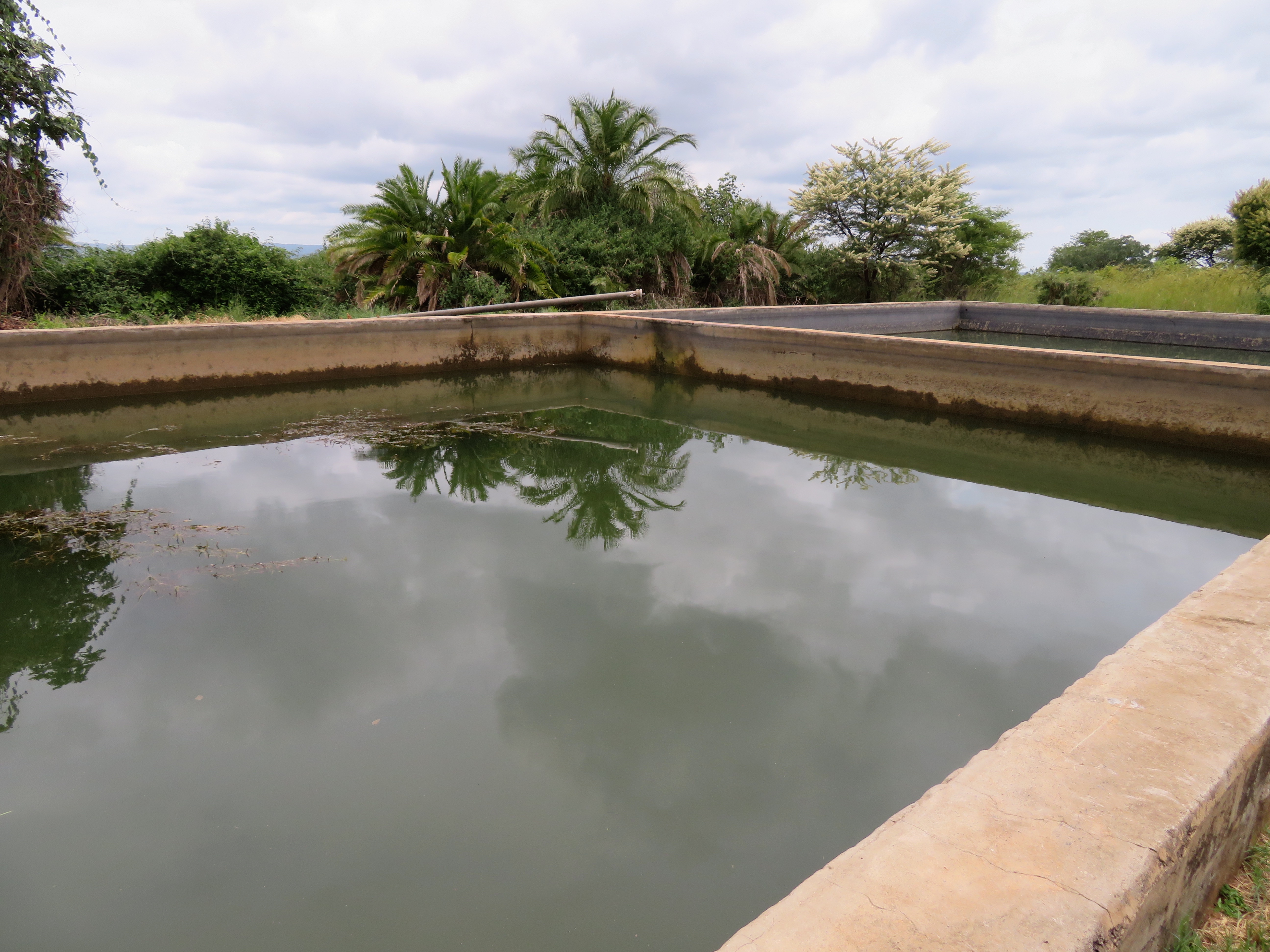
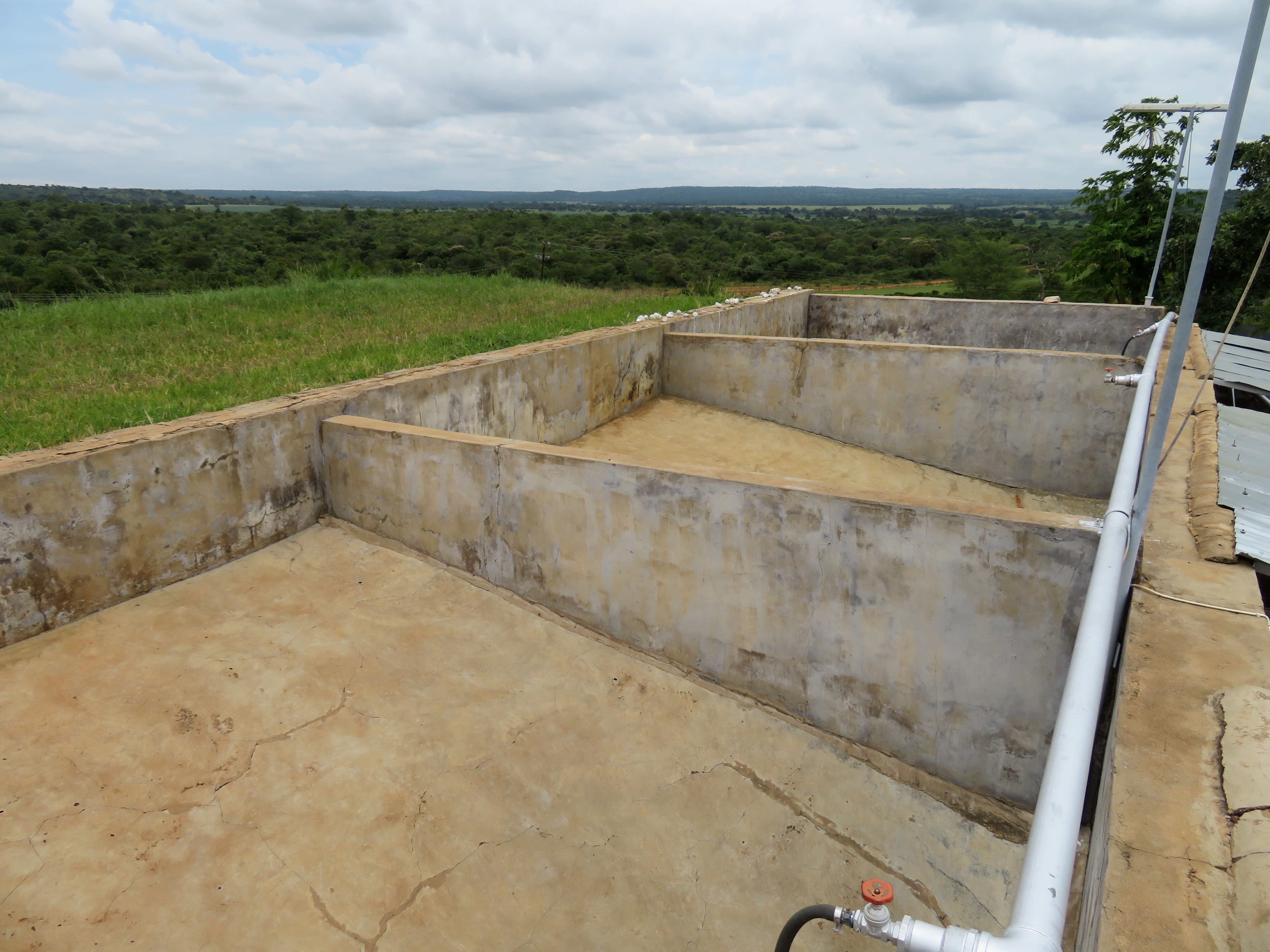
The farm is equipped with its own water reservoir, drawing water from the main dam for irrigation during the dry season. All coffee trees are irrigated using a drip system, applying about 1.6 liters of water per hour per tree. Drip irrigation allows precise control over water delivery, ensuring optimal growth for the trees. Mubuyu Farm’s irrigation system is supported by a network of 14 interconnected dams, holding a combined total of 17 million cubic meters of water.

IMG_4927

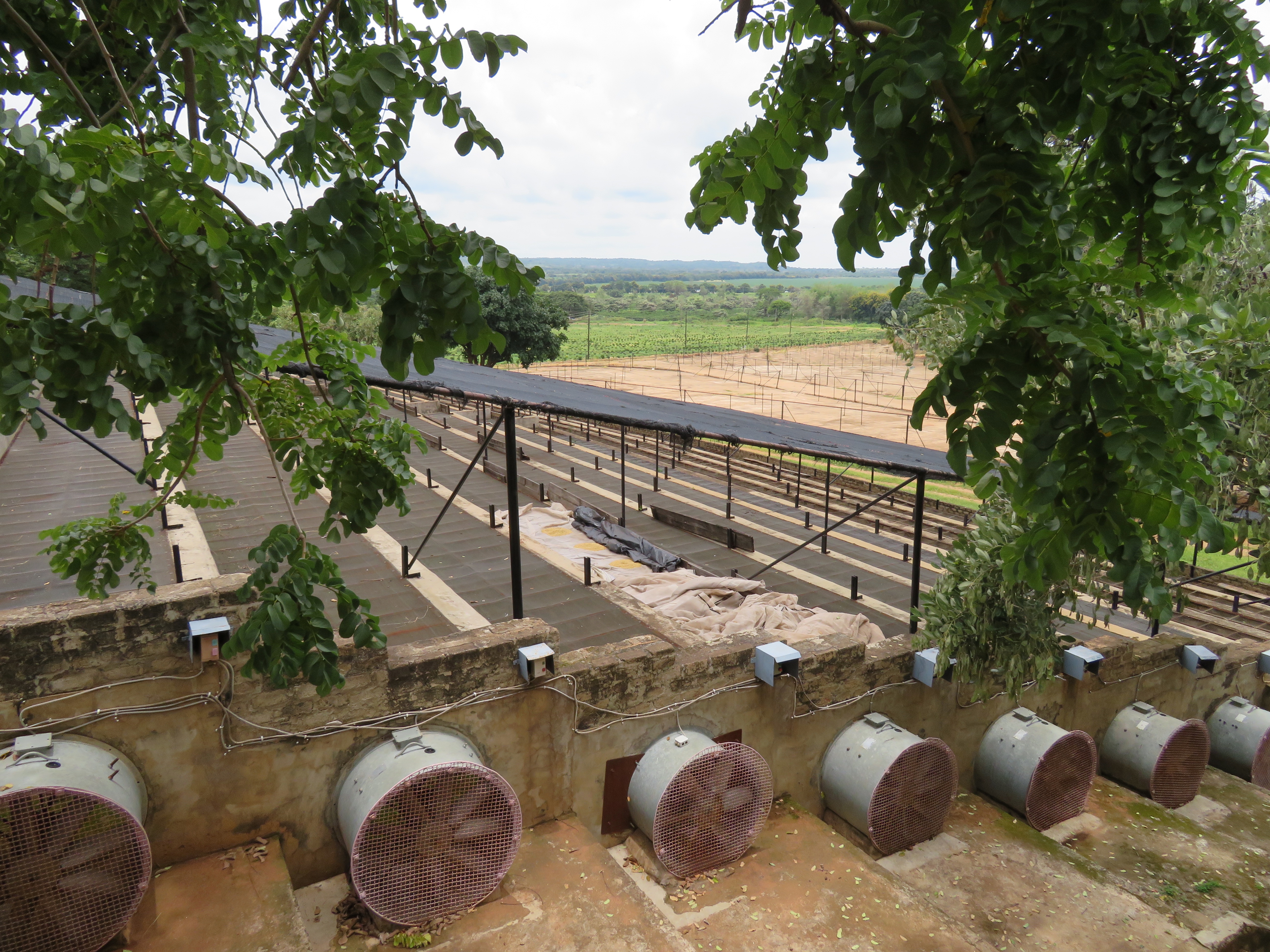
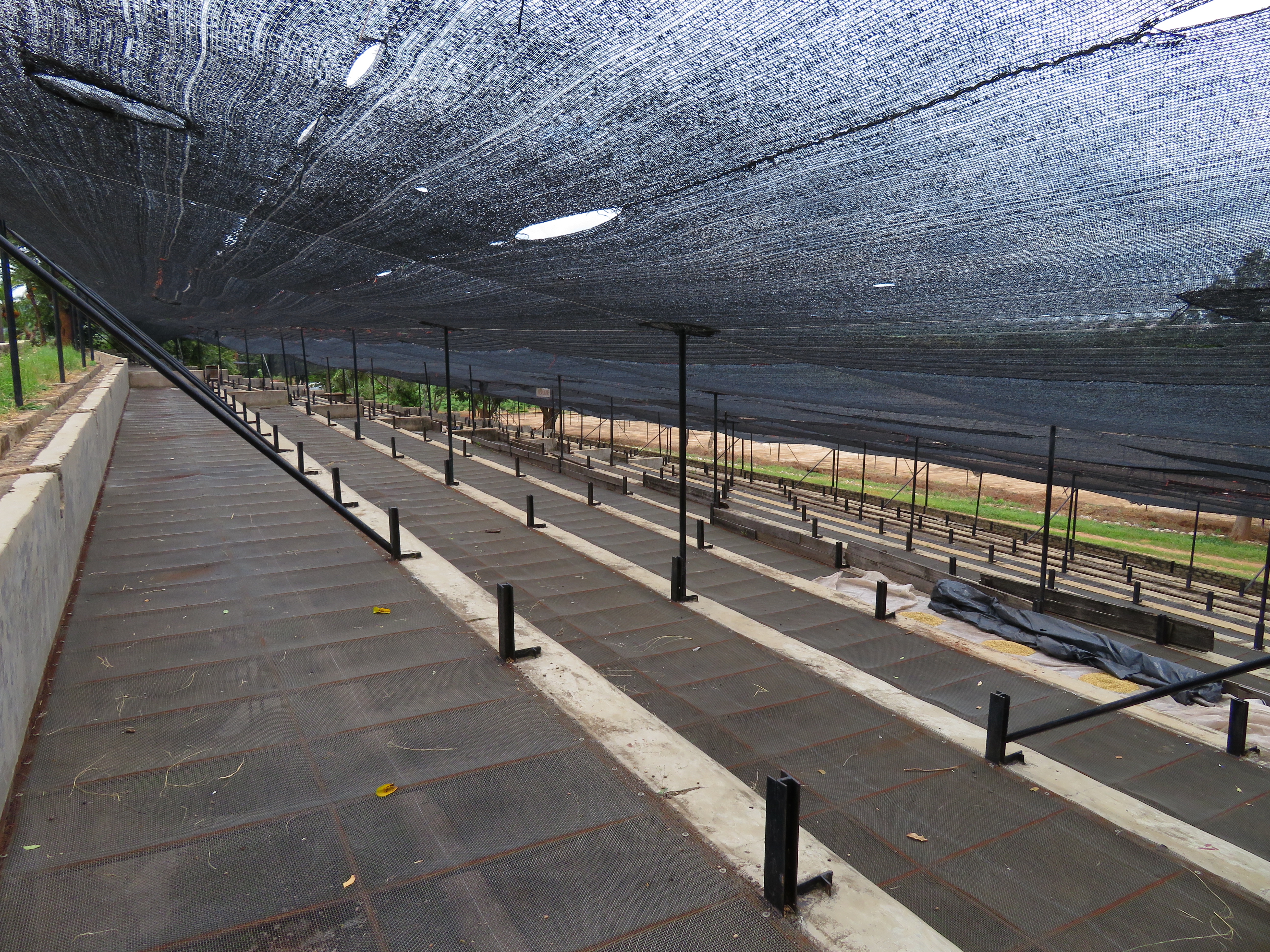
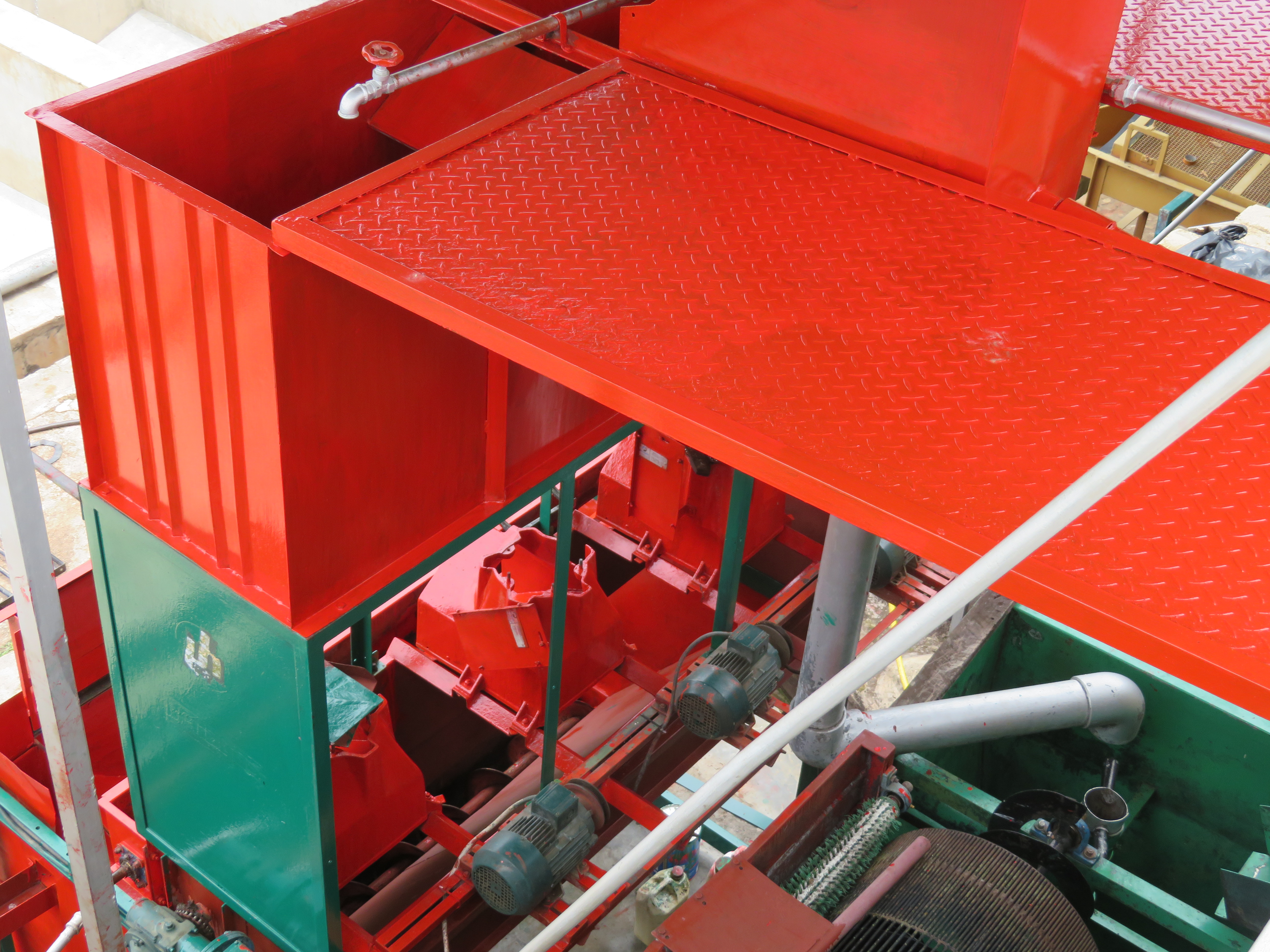
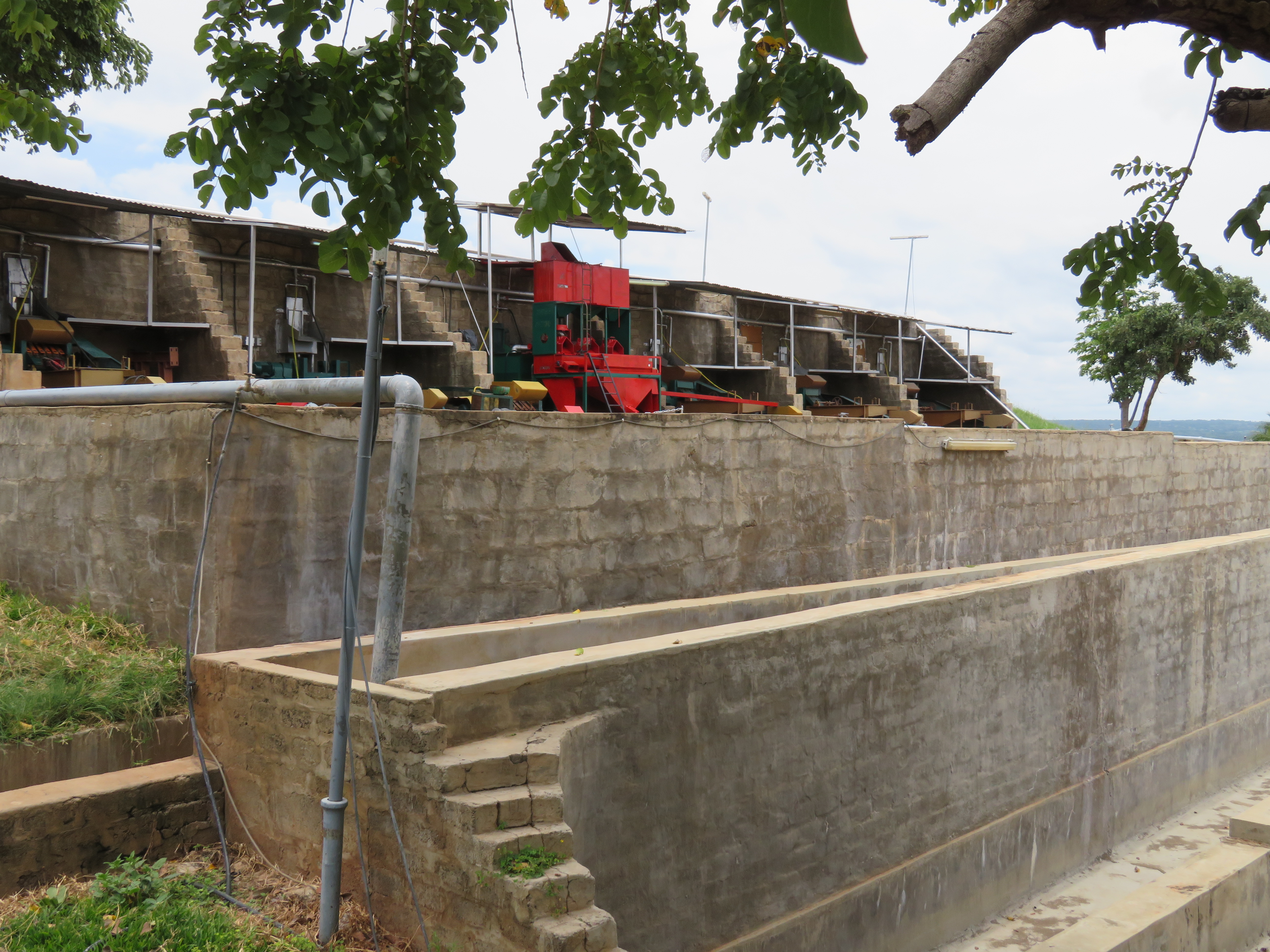
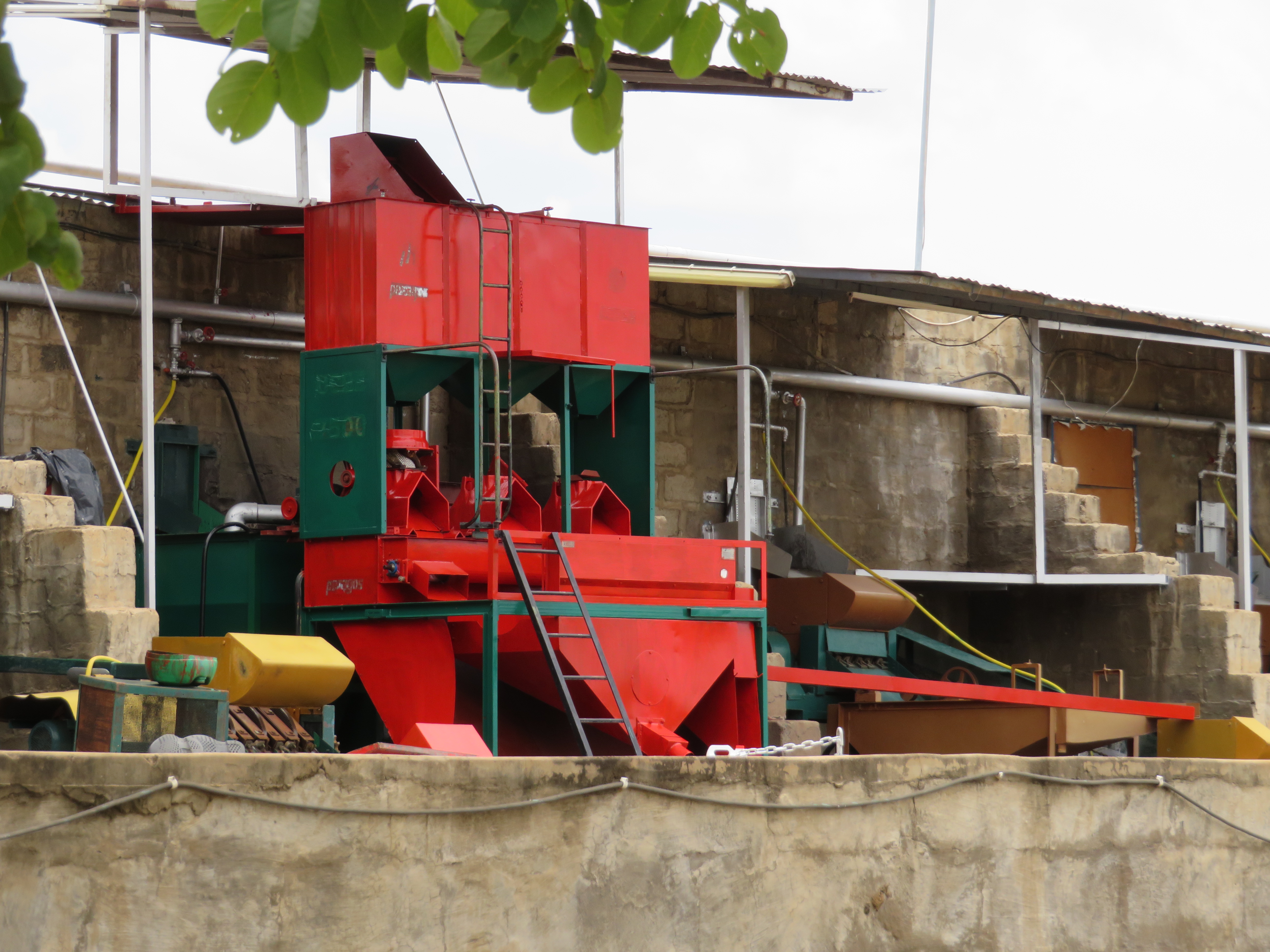
The farm employs three distinct processing methods: washed (with 24-hour fermentation), pulped natural, and natural. Coffee beans are carefully laid out on drying beds and monitored closely, with rotations every 30 minutes to ensure even drying. Fans positioned next to the beds (as shown in the attached photos) help remove excess water from the beans before they undergo strict sun drying.

The drying process can take up to 14 days, with the goal of reaching a final moisture level of 12.5%. Coffee cherries are hand-harvested through selective picking from April to September, during Zambia’s dry season. Once drying is complete, the beans are packed in GrainPro bags with parchment and stored in humidity-controlled areas until milling, sale, or export.

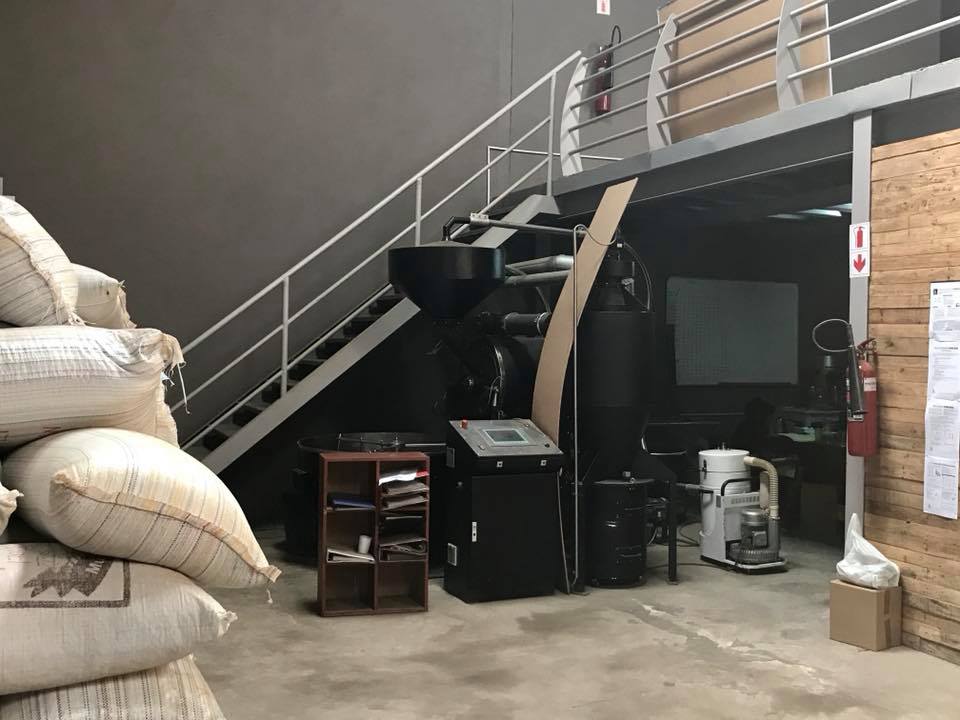
The beans are then meticulously graded by size, density, and color. After these steps, the green beans are ready for roasting, where their full flavor potential is unlocked. Proper roasting highlights the unique terroir of the region, ensuring quality control and delivering an exceptional cup to consumers.

IMG_4930IMG_4932IMG_4934IMG_4938IMG_4942IMG_4945IMG_4947Some of Munali Coffee’s international buyers include Intelligentsia from the USA, as well as several other renowned coffee roasters around the world. Zambian coffee possesses distinctive characteristics, reflecting a delicate approach and deep understanding that traces back to when coffee was first introduced to the country. Over time, it has earned international recognition within the global coffee supply chain. To truly appreciate and uncover the secrets of Zambian coffee, one must visit its origin and experience it firsthand.
IMG_4965IMG_4963IMG_4961IMG_4960IMG_4958IMG_4974IMG_4973IMG_4918IMG_4919IMG_4920IMG_4921IMG_4923IMG_4924IMG_4925IMG_4933IMG_4939IMG_4940IMG_4941IMG_4943IMG_4944IMG_4949IMG_4952IMG_4953IMG_4954IMG_4955IMG_4956IMG_4890IMG_4891IMG_4892IMG_4893IMG_4894IMG_4895IMG_4896IMG_4899IMG_4900IMG_4901IMG_4902IMG_4906IMG_4907IMG_4908IMG_4909IMG_4910IMG_4911IMG_4912IMG_4831IMG_4841IMG_4843IMG_4849IMG_4850IMG_4853IMG_4854IMG_4855IMG_4857IMG_4858IMG_4859IMG_4860IMG_4861IMG_4862IMG_4871IMG_4872IMG_4873IMG_4875IMG_4876IMG_4877IMG_4878IMG_4879IMG_4882IMG_4883IMG_4886IMG_4888

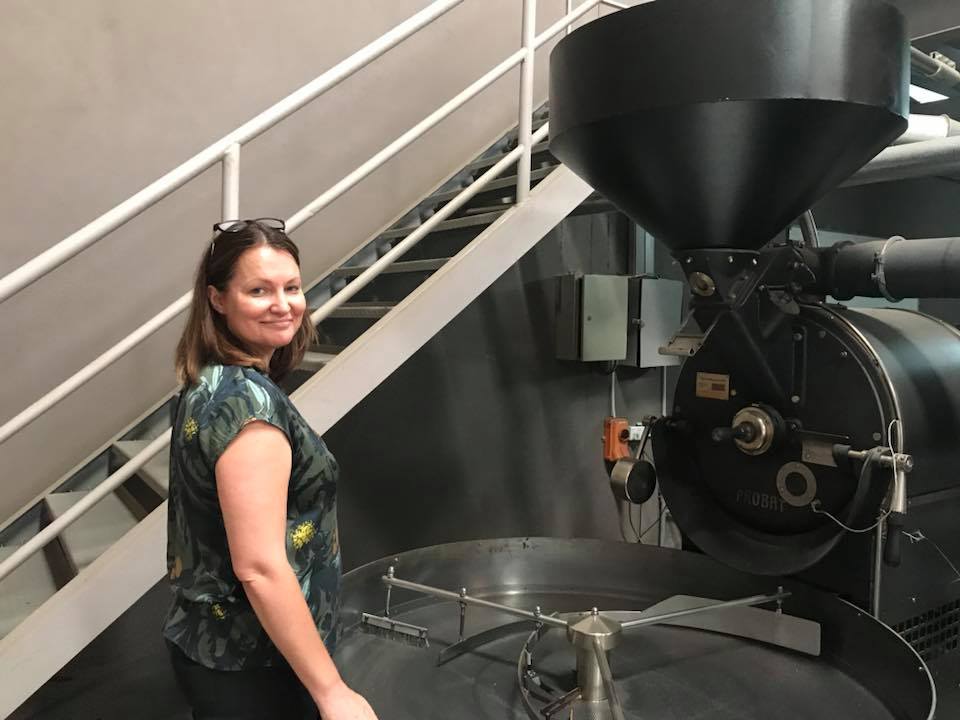
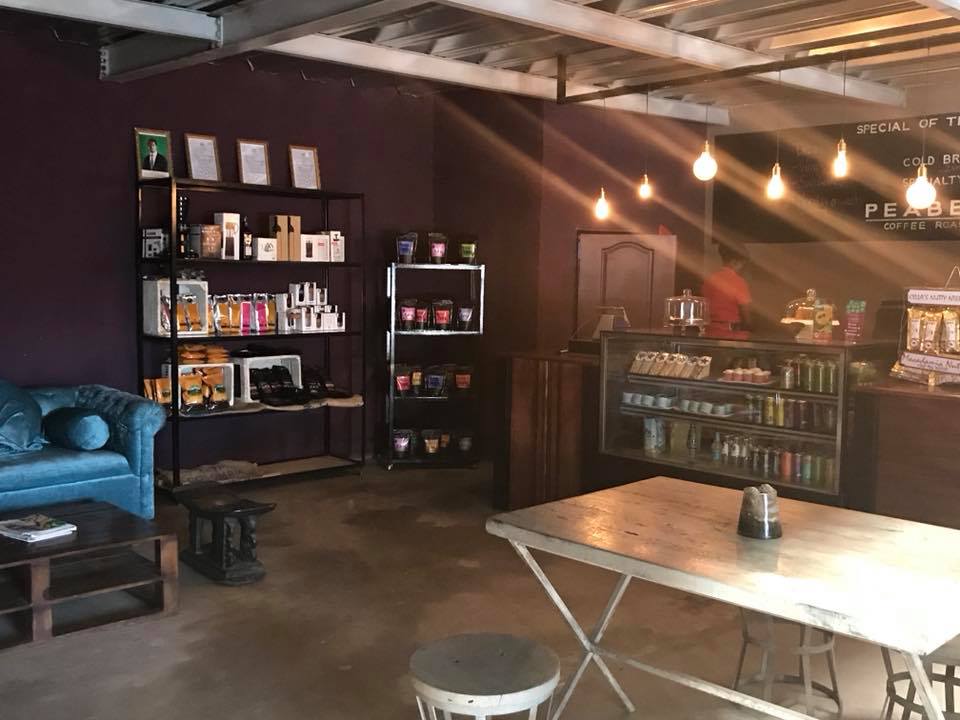
While in Lusaka, the Zambian capital, I was eager to find a specialty coffee shop that could offer a truly satisfying cup—something reminiscent of the cafés I had enjoyed across North America and Europe. After a few emails with Munali Coffee, I was introduced to Peaberry Coffee Roasters, owned by Teija Lublinkhof—a WBC head judge, Q Grader, and roaster originally from Finland, and former wife of Jasper Lublinkhof of Munali Coffee Estate. Teija is a remarkable person, deeply knowledgeable about coffee farming in Zambia and the global coffee scene.

As a head judge, Teija evaluates baristas on both domestic and international stages, including the World Barista Championship, and oversees regional barista competitions across Africa. Peaberry Coffee Roasters is one of the best destinations for coffee lovers in Lusaka. Tucked away in the industrial part of the city, far from the bustling shopping centers, it offers excellent service and some of the finest coffee in the capital. Coffee here comes not only from Munali Coffee Estate but also from other notable producing regions across Africa and the world. The baristas are highly trained, ensuring every customer receives the best possible experience.
That day, I chose a cappuccino made with a blend of Munali and Ethiopian coffee. The silky texture, velvety mouthfeel, and natural sweetness of the milk and coffee highlighted flavors of caramel, marzipan, nougat, and marshmallow. The profound sweetness created a true “dolce vita” experience right in Zambia.

The café itself is minimalistic and inviting, with dim lighting, comfortable couches, tables, and Wi-Fi, giving it a cozy, home-like atmosphere rather than the noisy, industrial feel of many cafés in the United States. Peaberry Coffee Roasters embodies a unique combination of African warmth, Zambian hospitality, and professional expertise. Teija’s dedication—over 20 years in Zambia and in the specialty coffee industry—shines through in every cup, making it a must-visit for any coffee enthusiast.

26907062_10155291851027475_5911612713757359212_n26907775_10155291850157475_5080643761066488591_n26992229_10155291850622475_374365169638061694_n26993928_10155291851012475_4133350595293086201_n26993935_10155291850847475_1957331375361747225_n27067289_10155291851197475_8232520674820449093_n27067418_10155291850167475_6146896612326368574_n27072285_10155291851187475_1855725912228951142_n


One thought on “Munali Coffee Estate. Zambia

Leave a comment