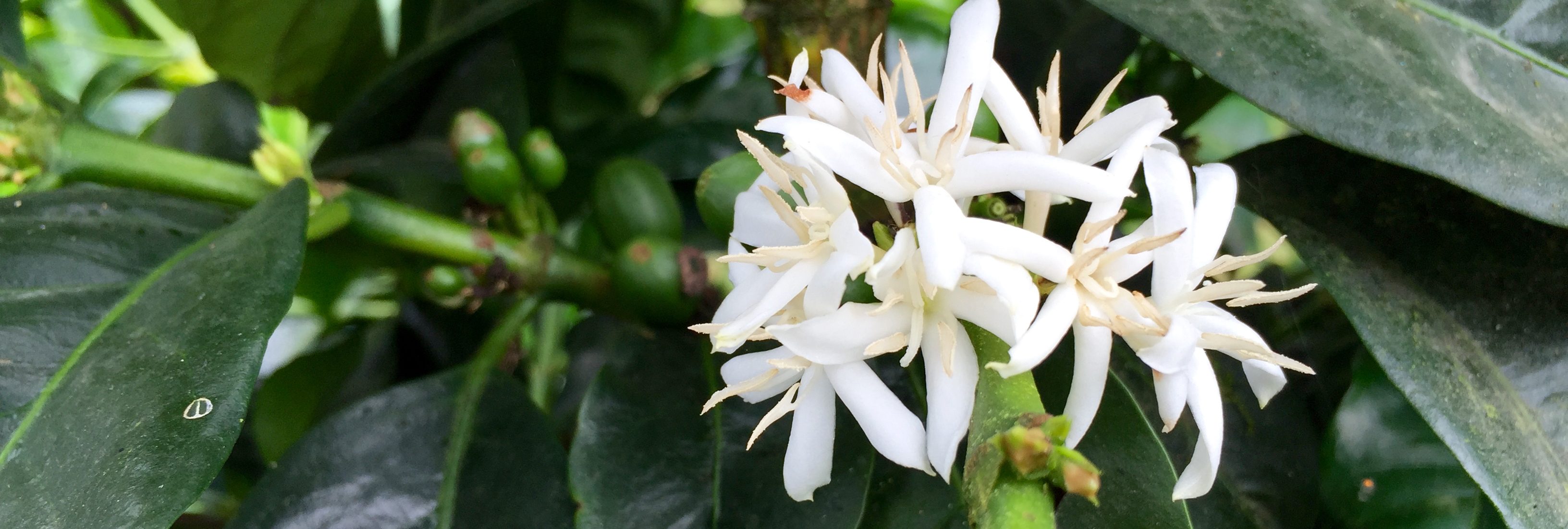
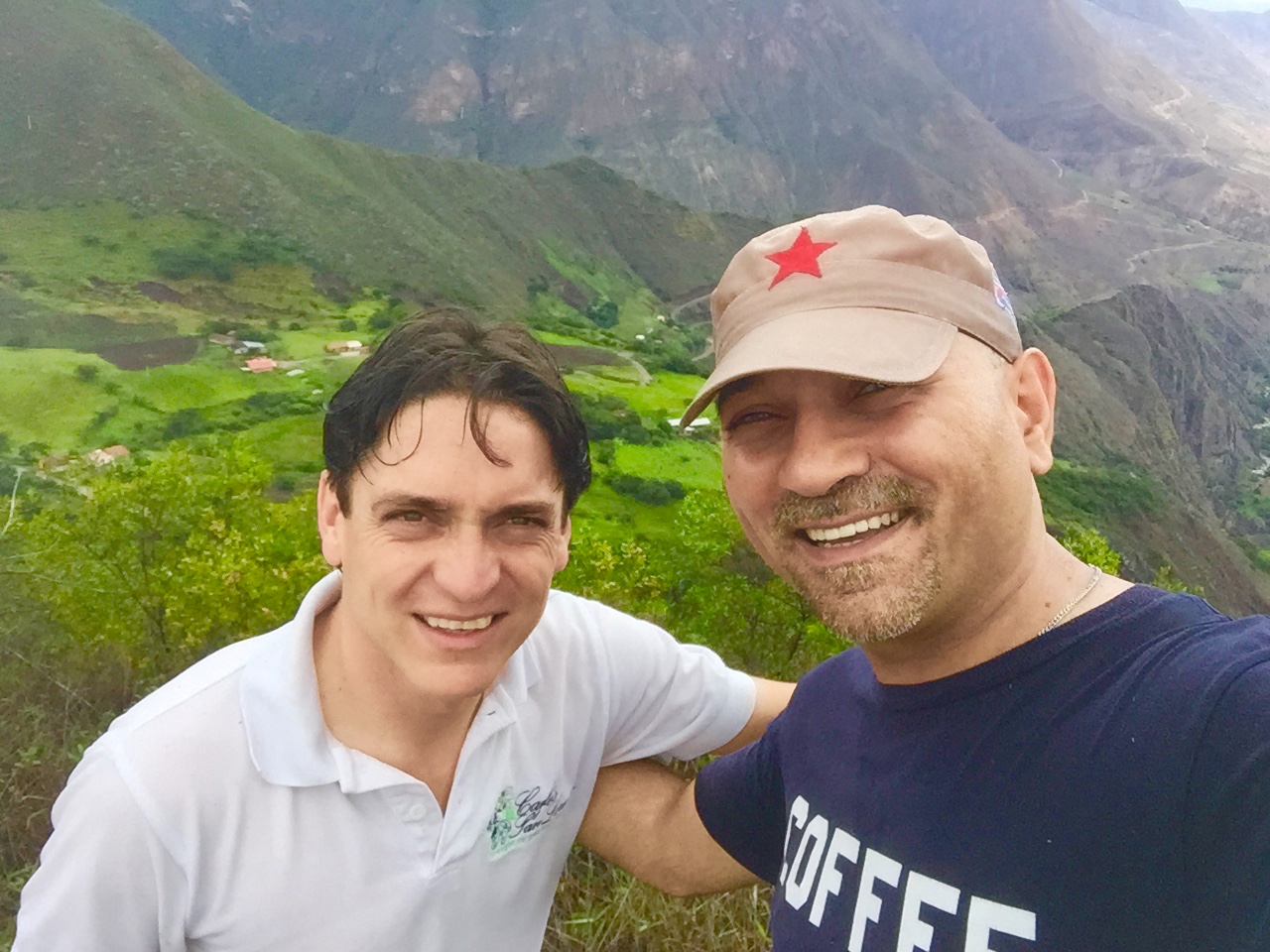
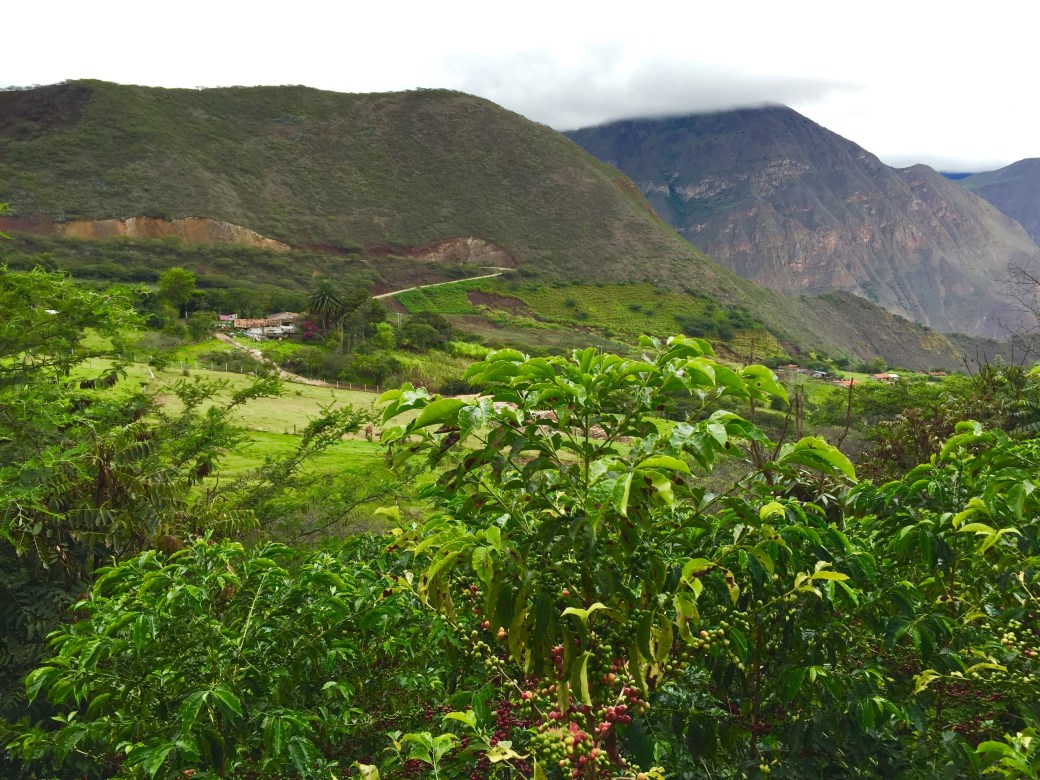
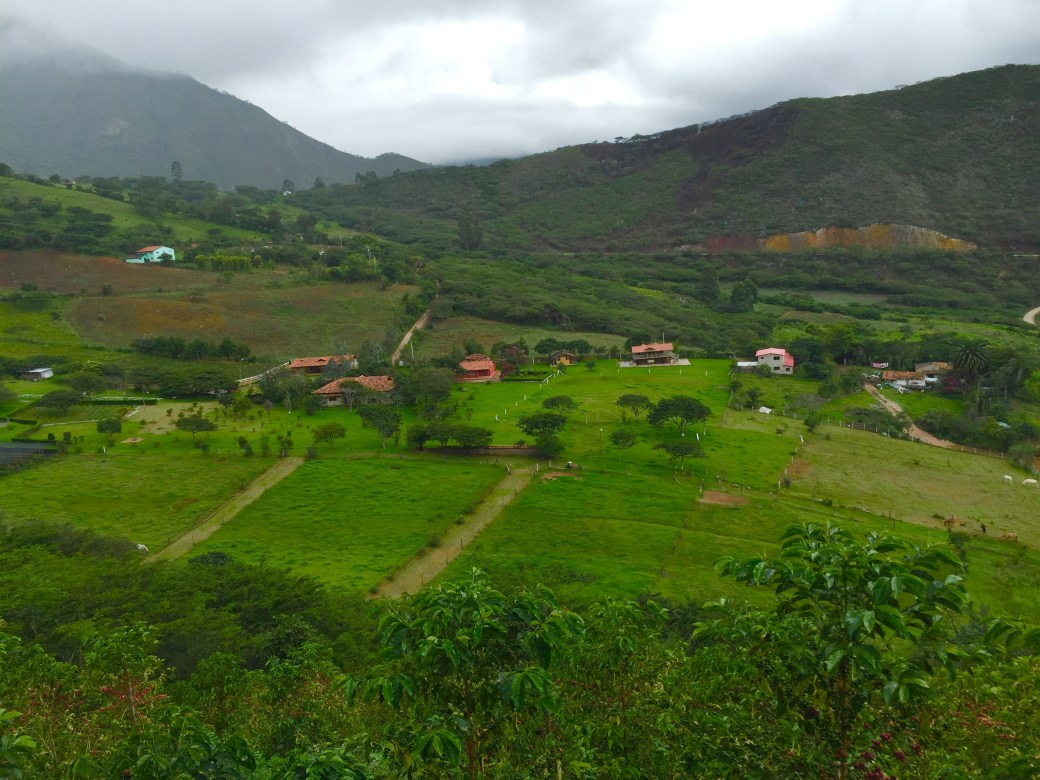
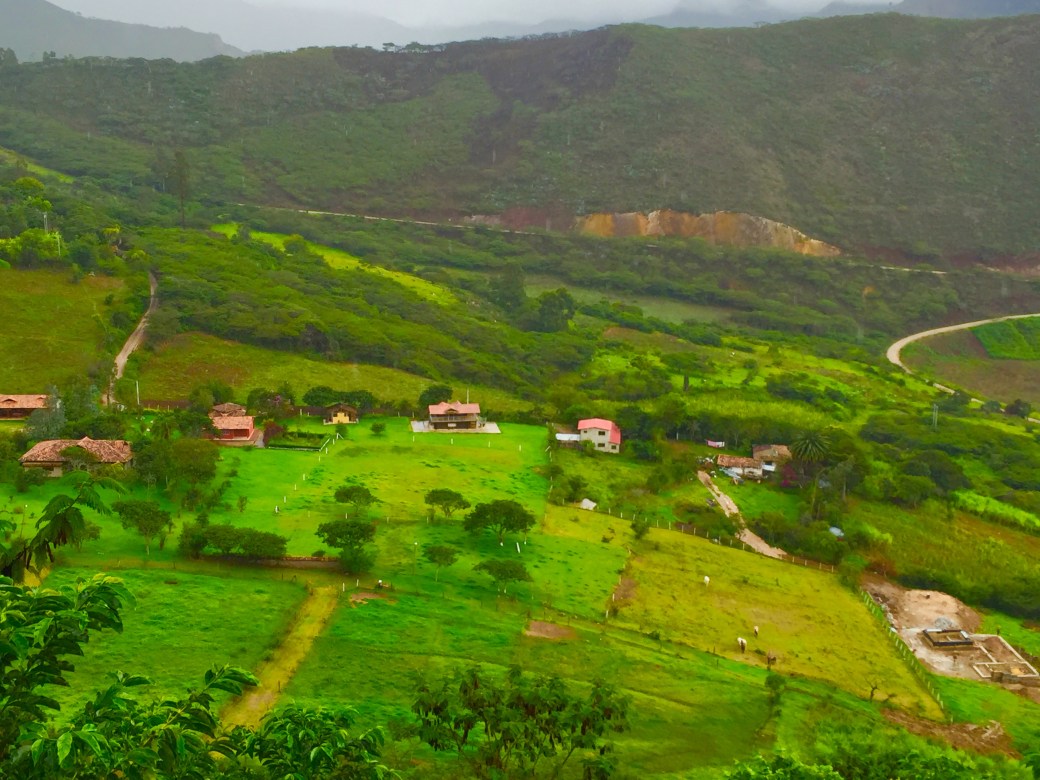
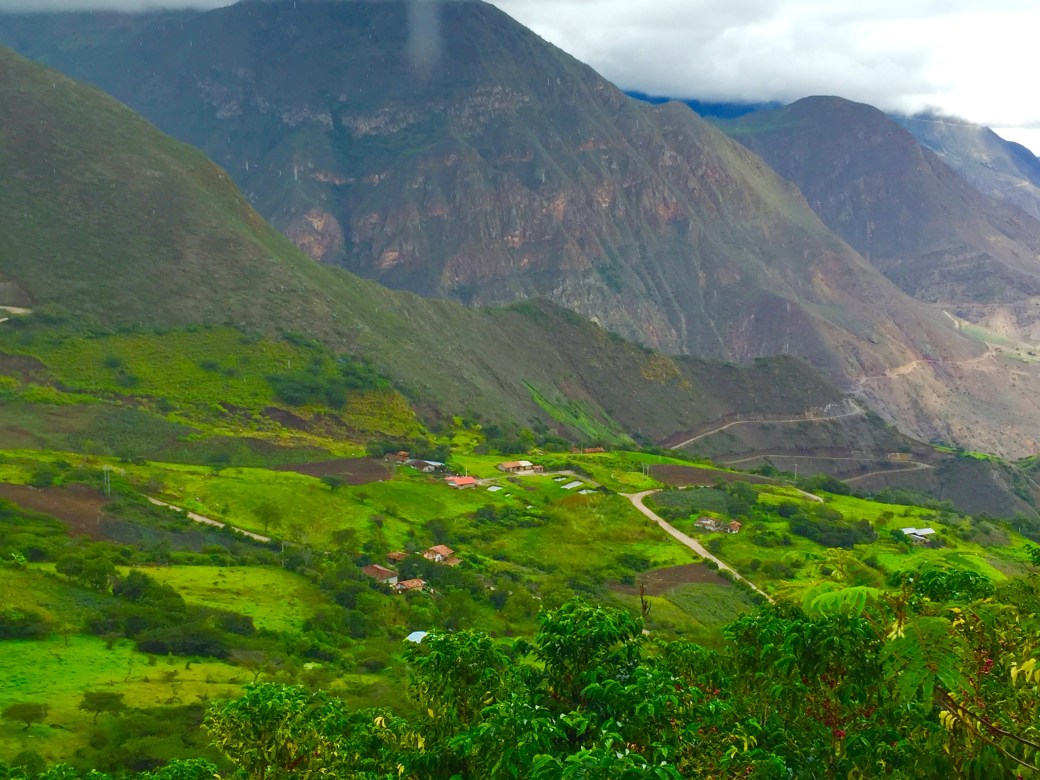
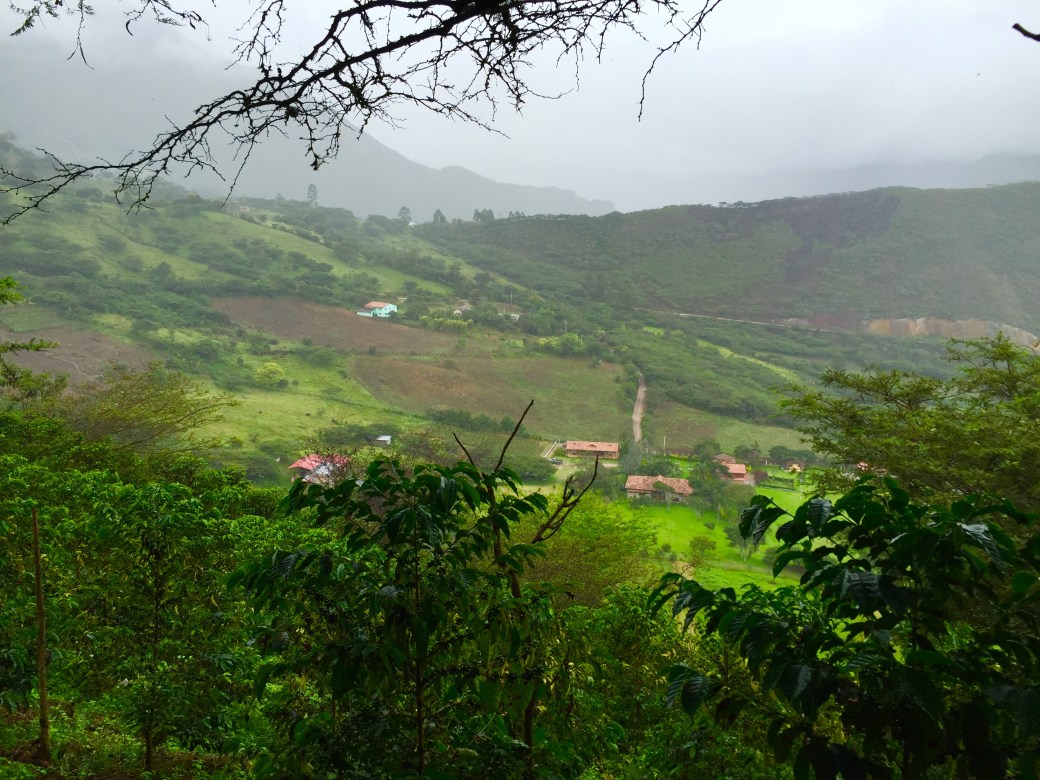
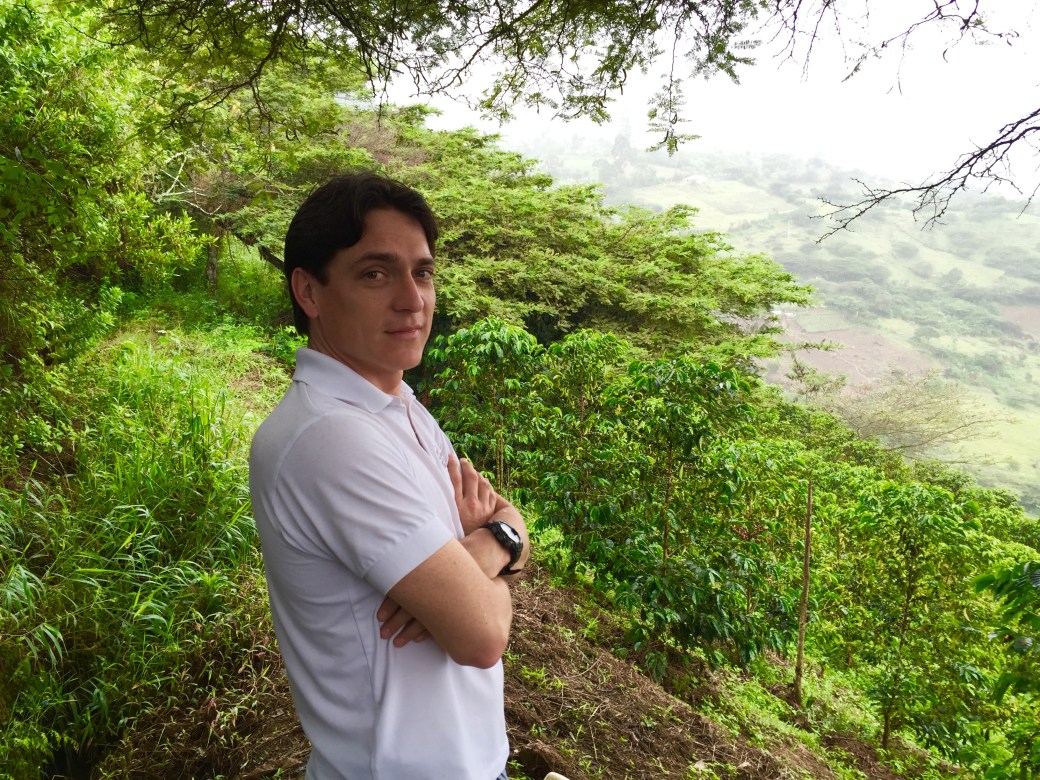
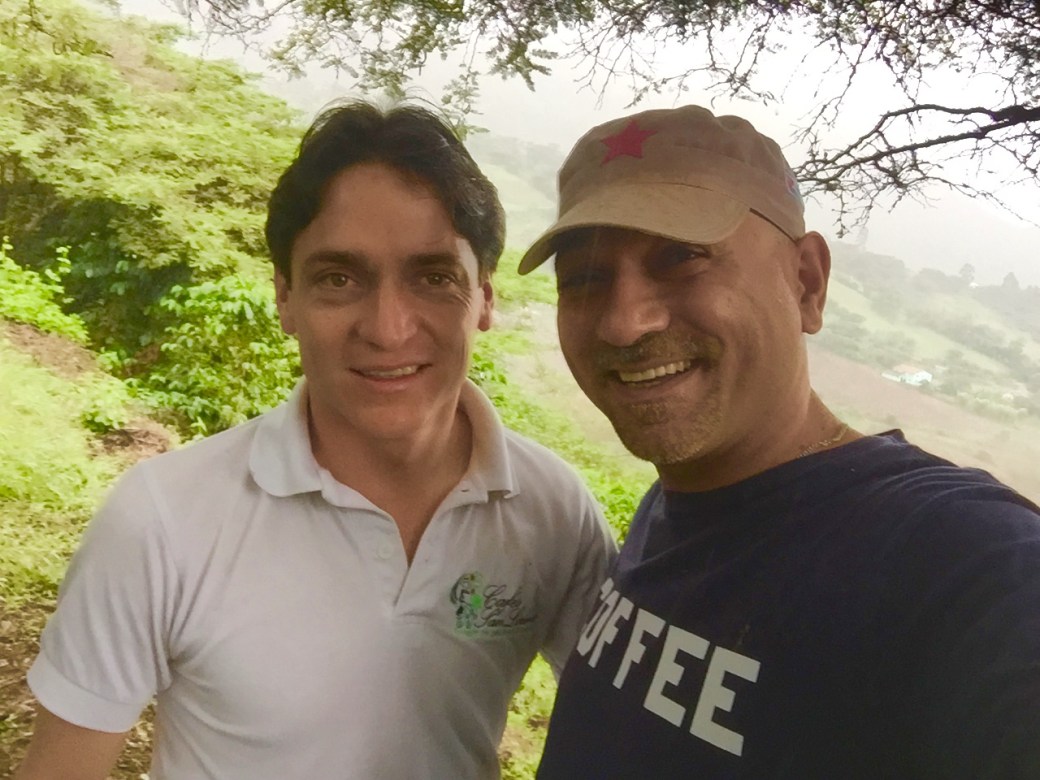
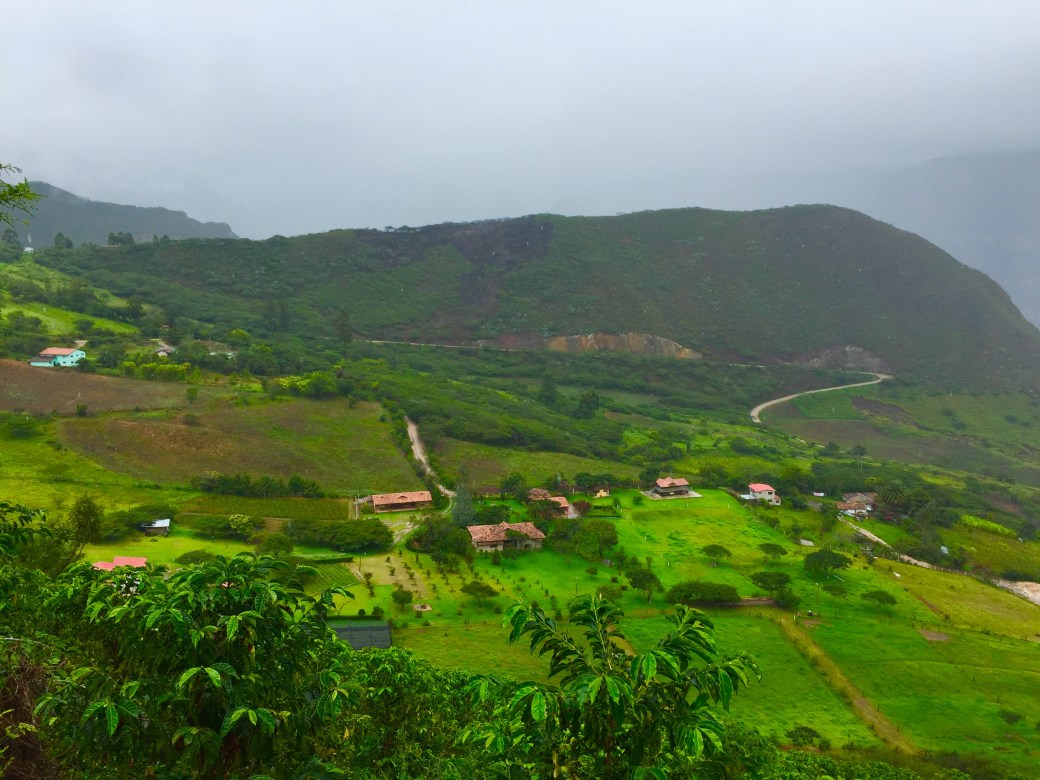
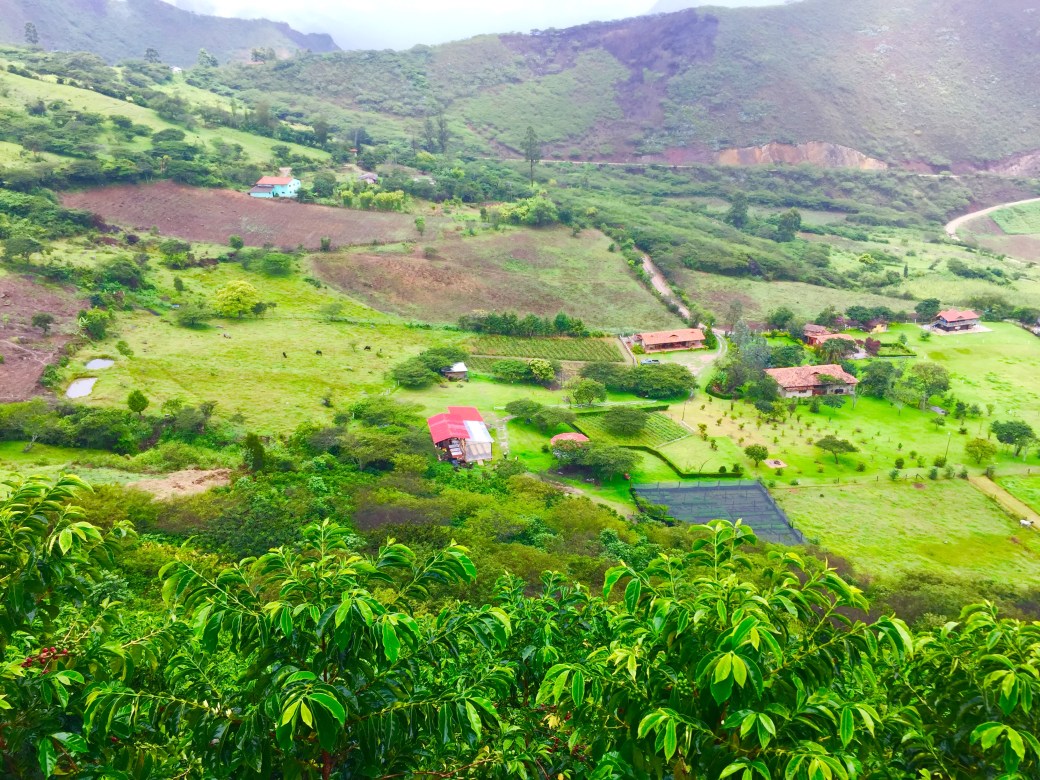
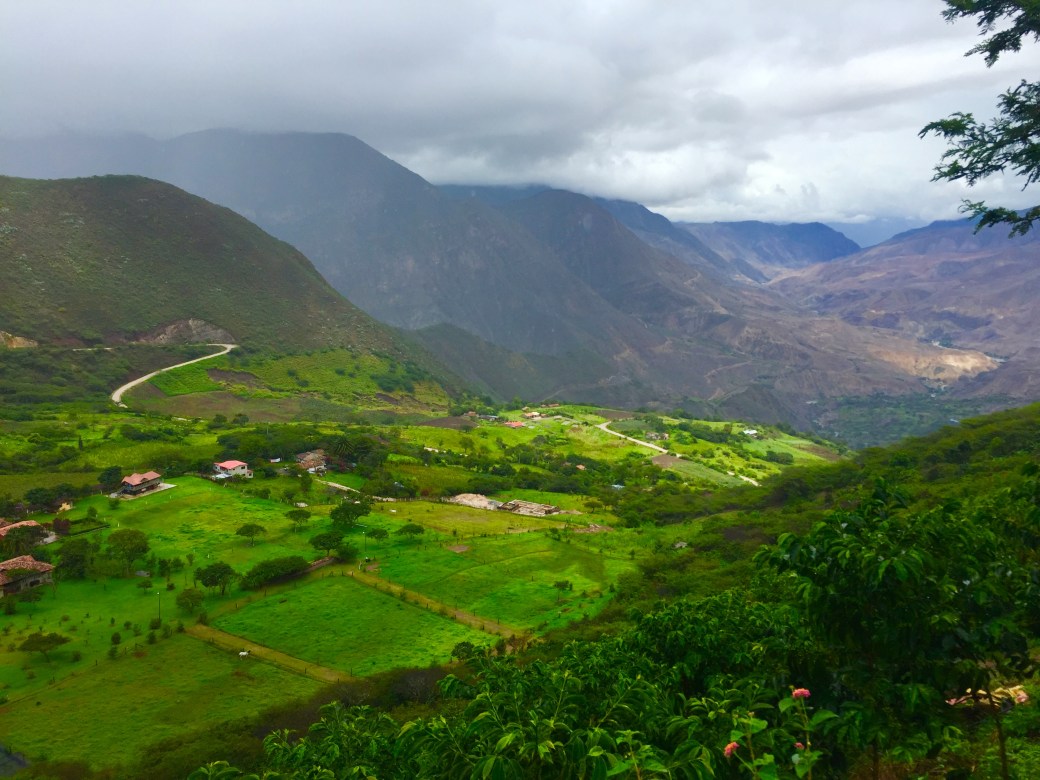
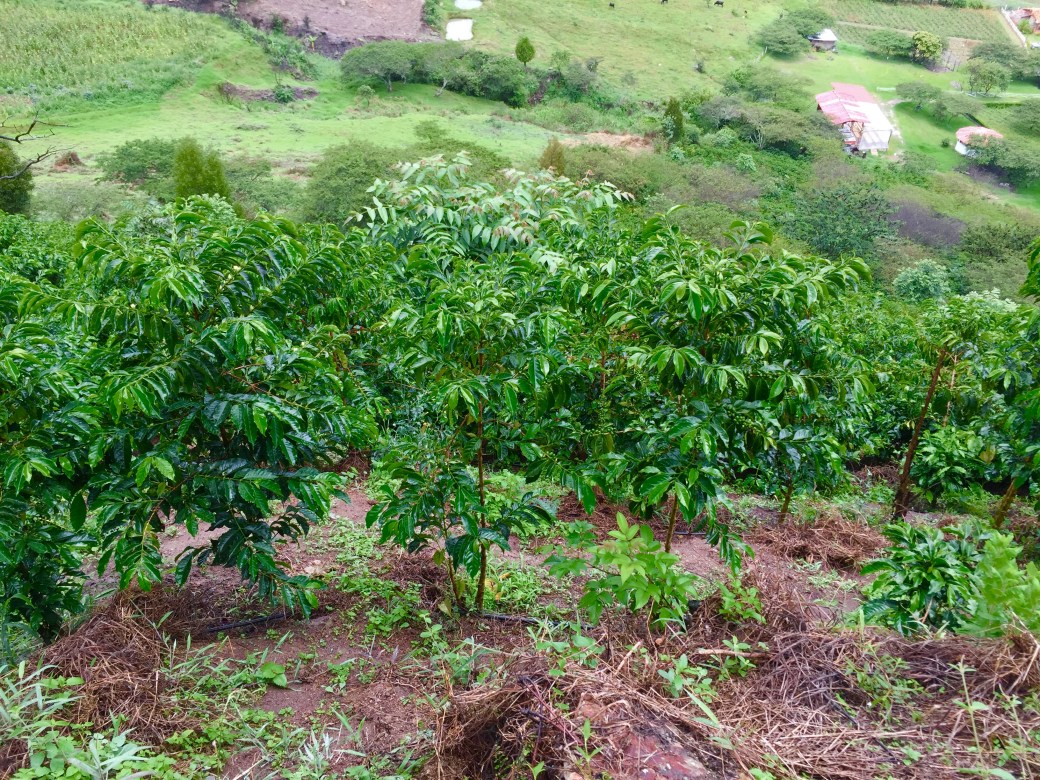
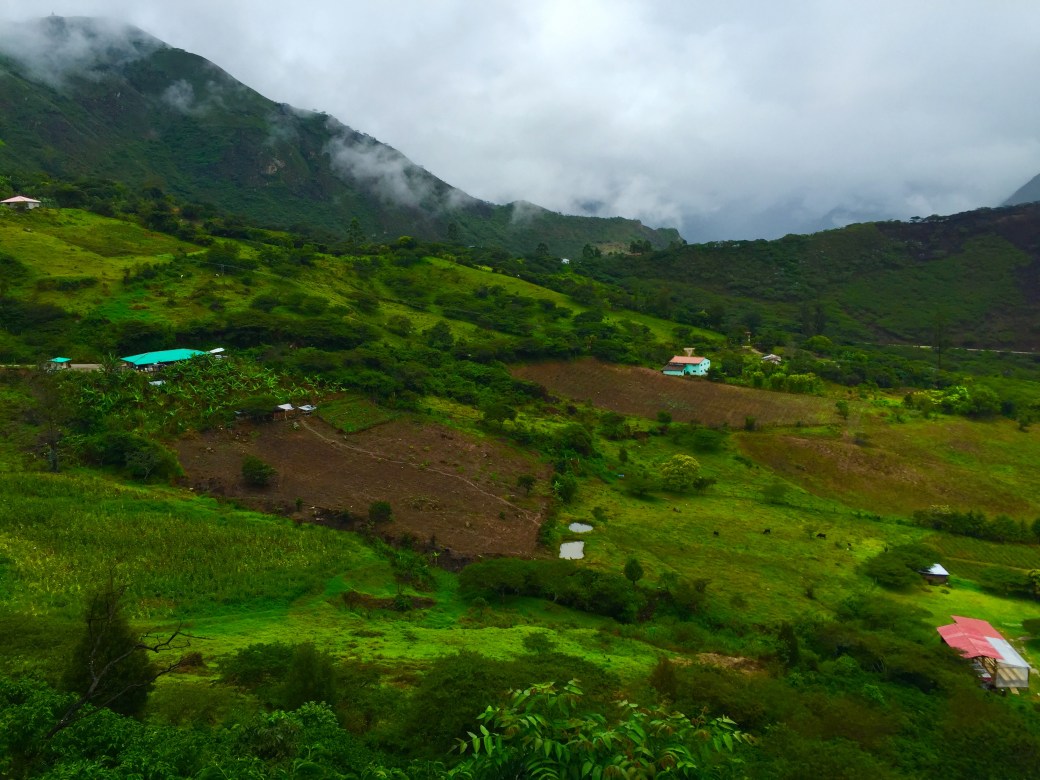
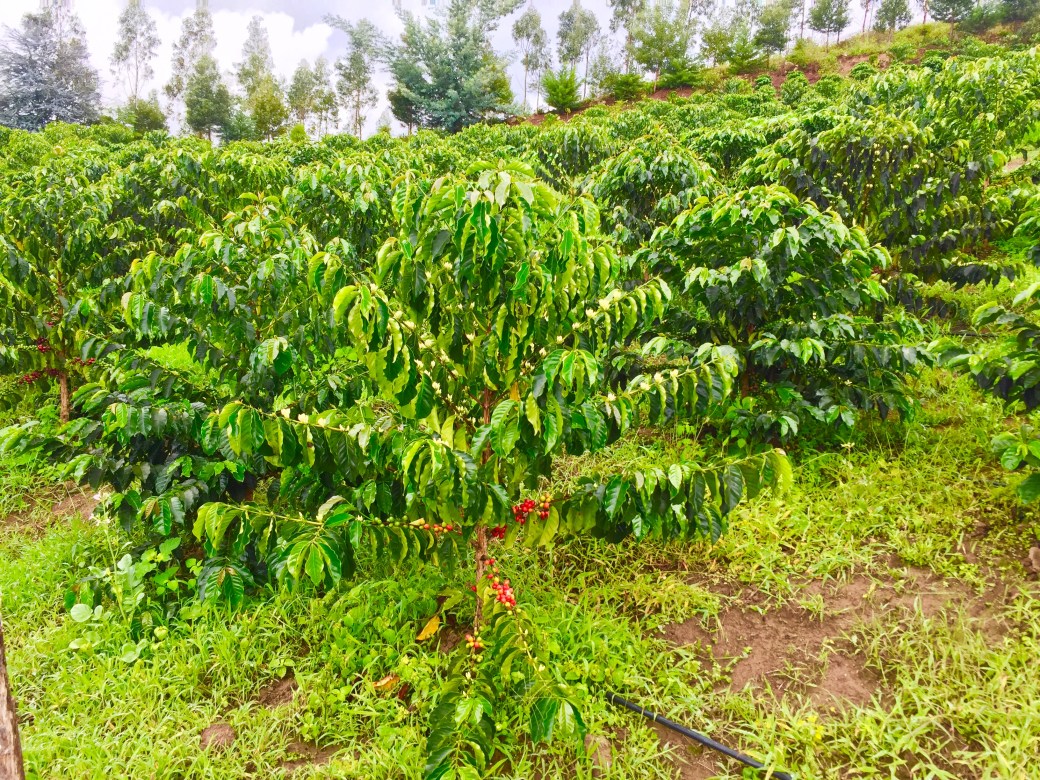
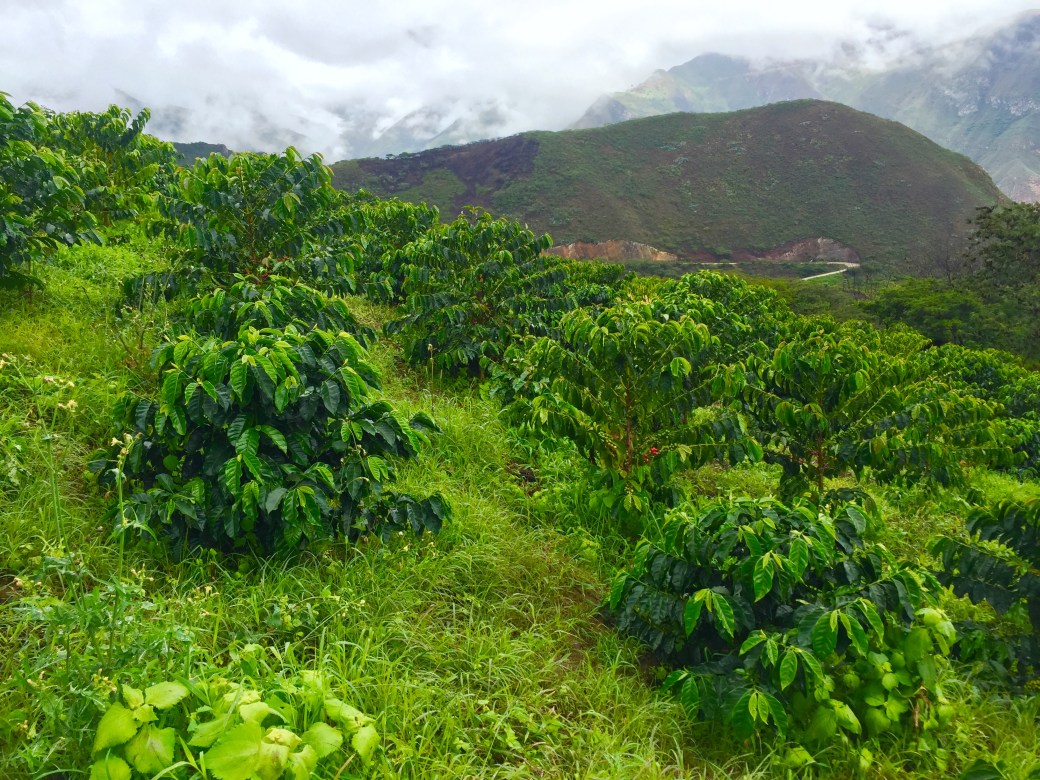
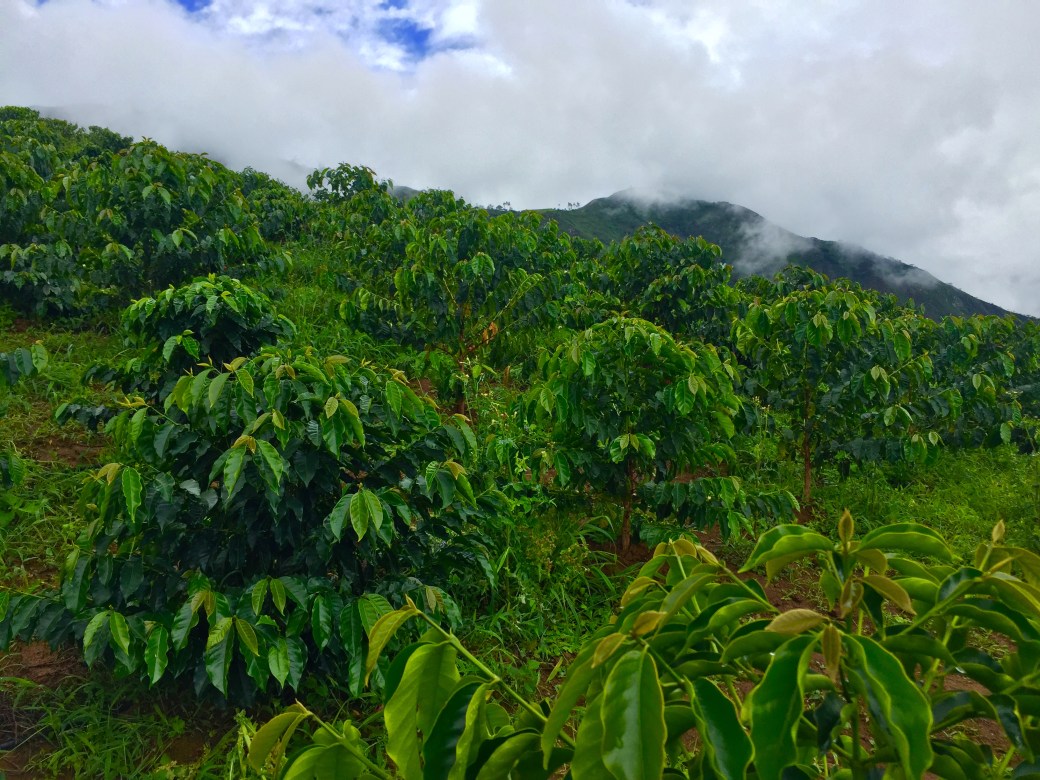
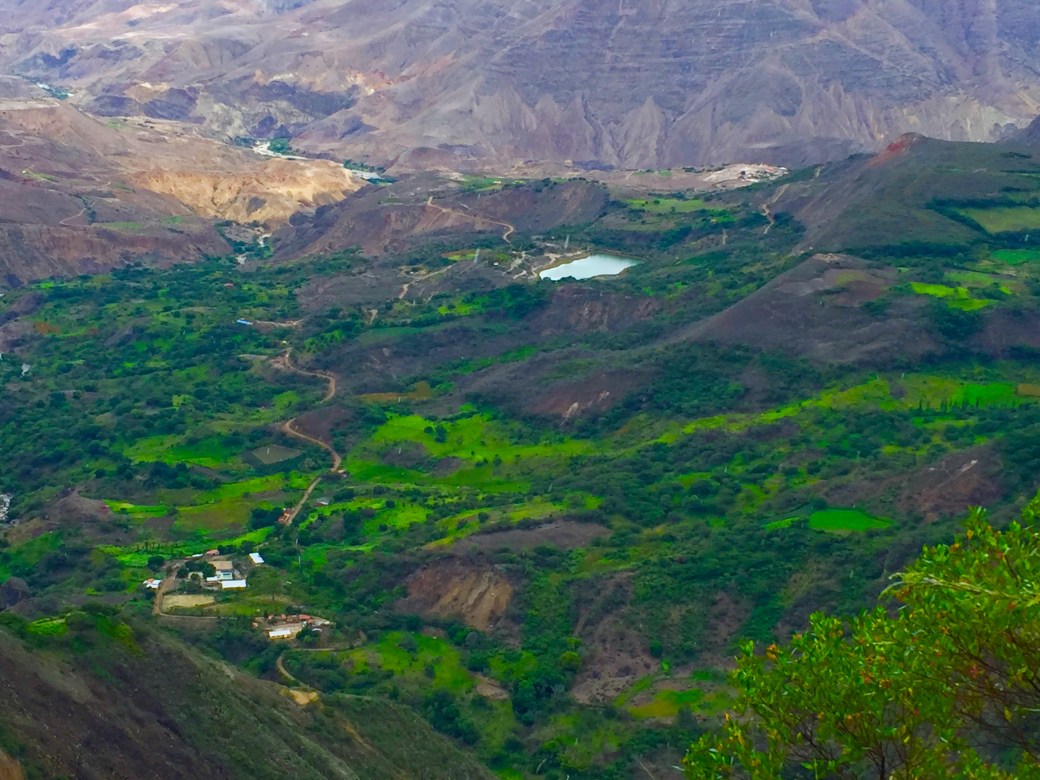
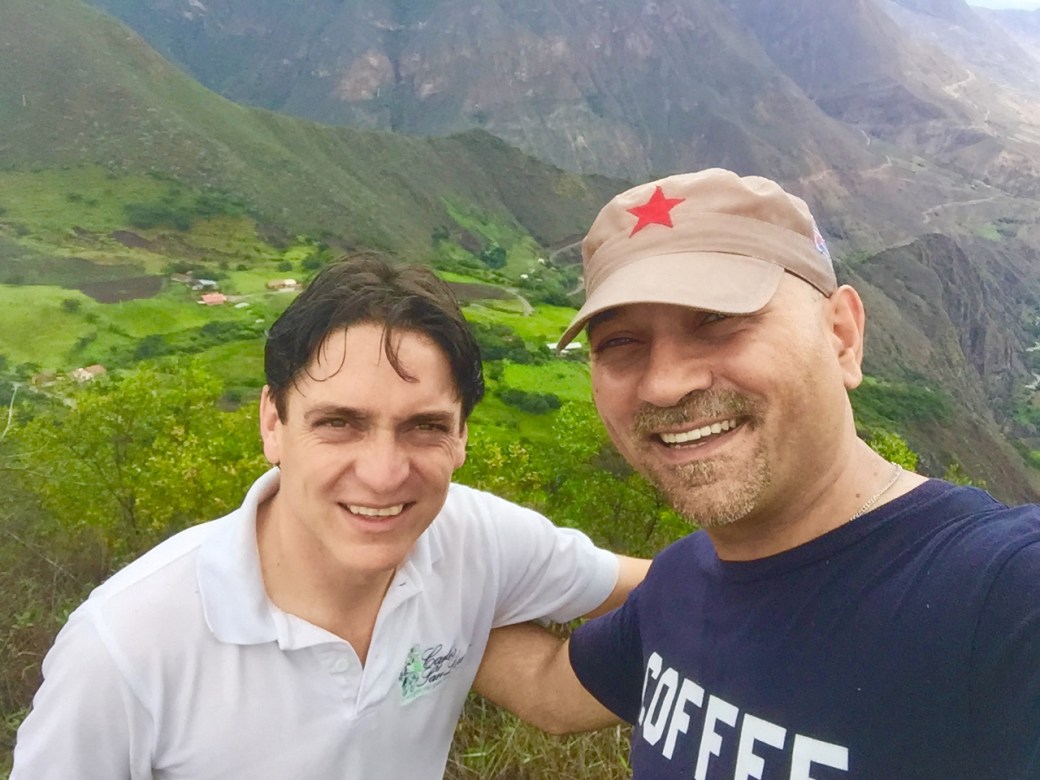
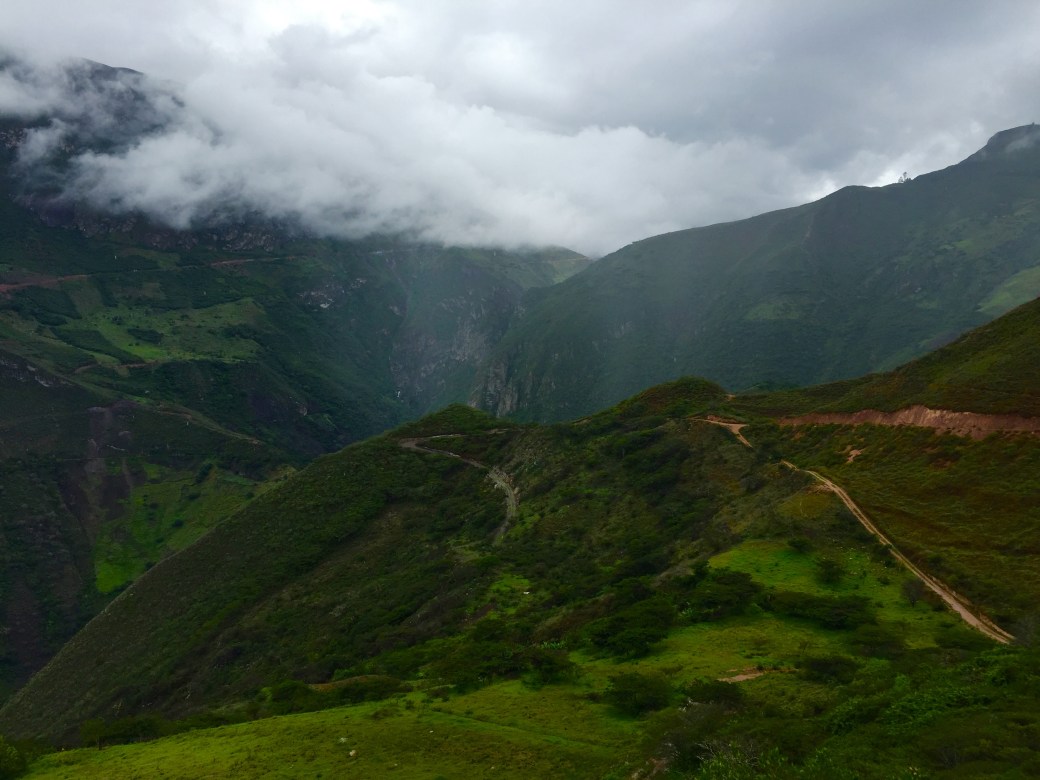
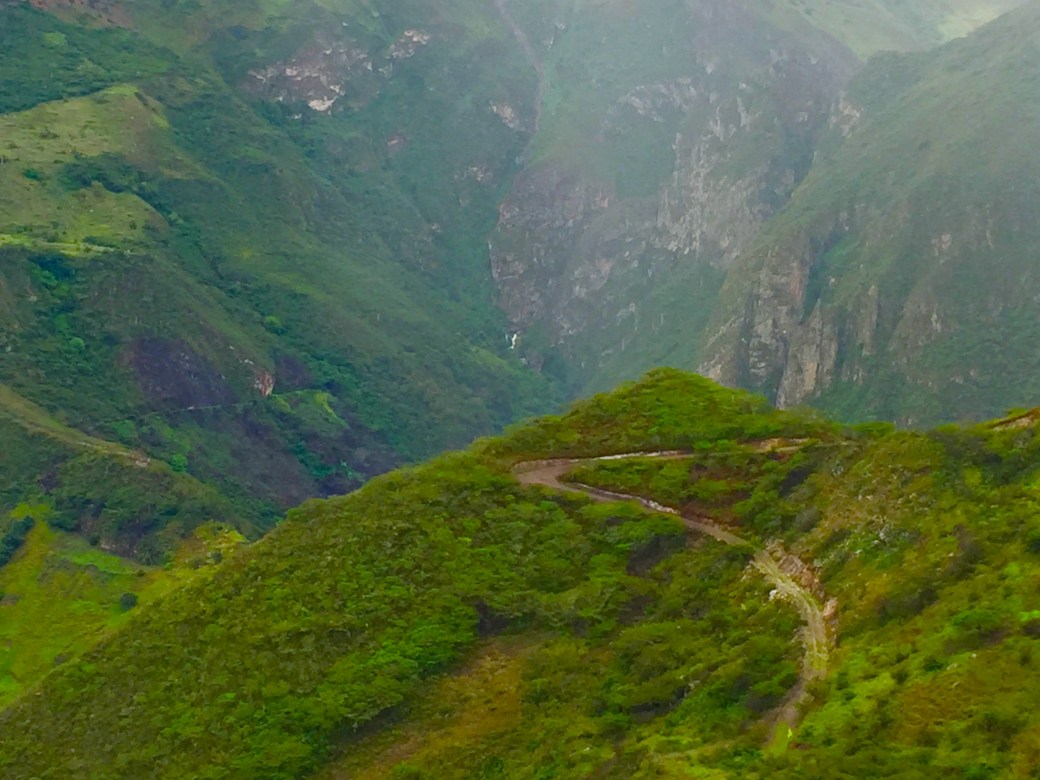
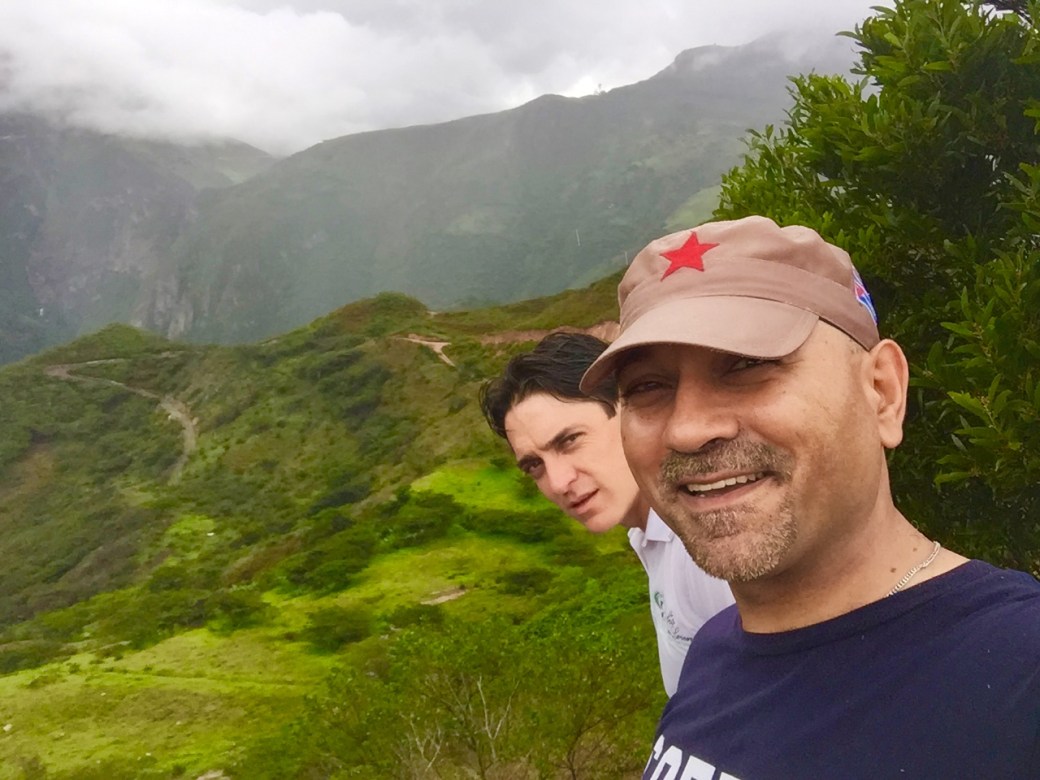
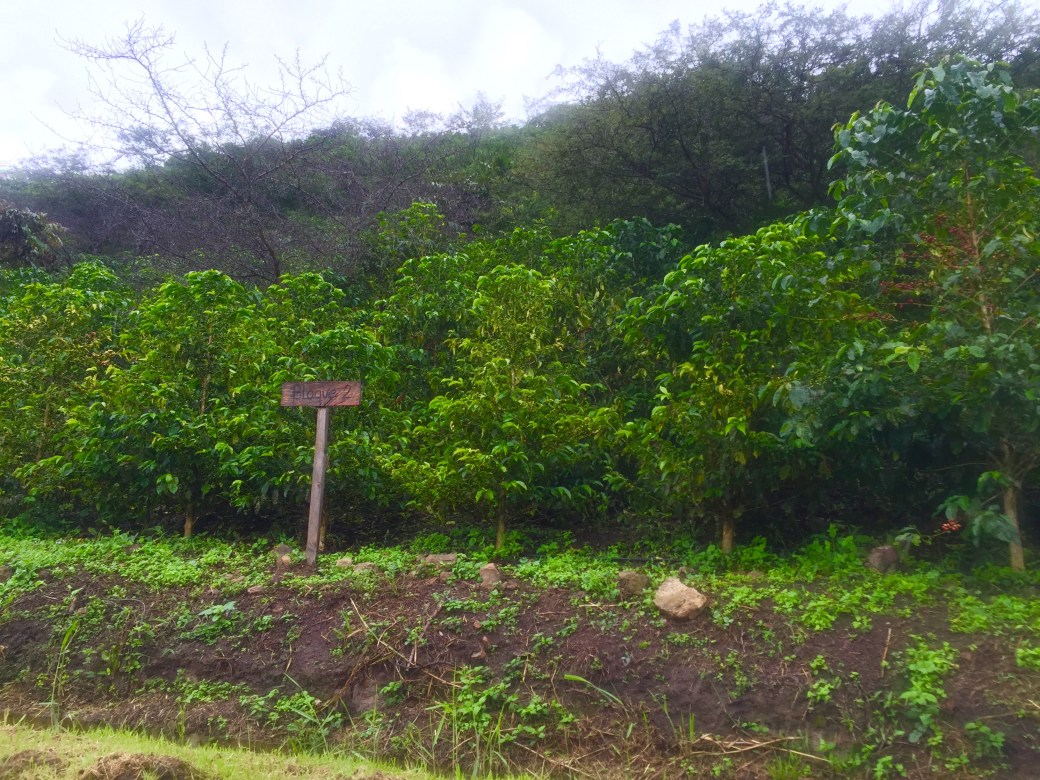
Hacienda La Papaya, located in the Saraguro region of Ecuador, is a magnificent and well-organized farm I had the pleasure to visit in March 2016. The farm is owned by Juan Francisco Peña Guillen, an agronomist who previously worked in the flower export industry. Six years ago, Juan acquired the 80-hectare property, which at the time had no coffee trees. He decided to plant 3 hectares of coffee, now cultivating approximately 3,800 trees per hectare.
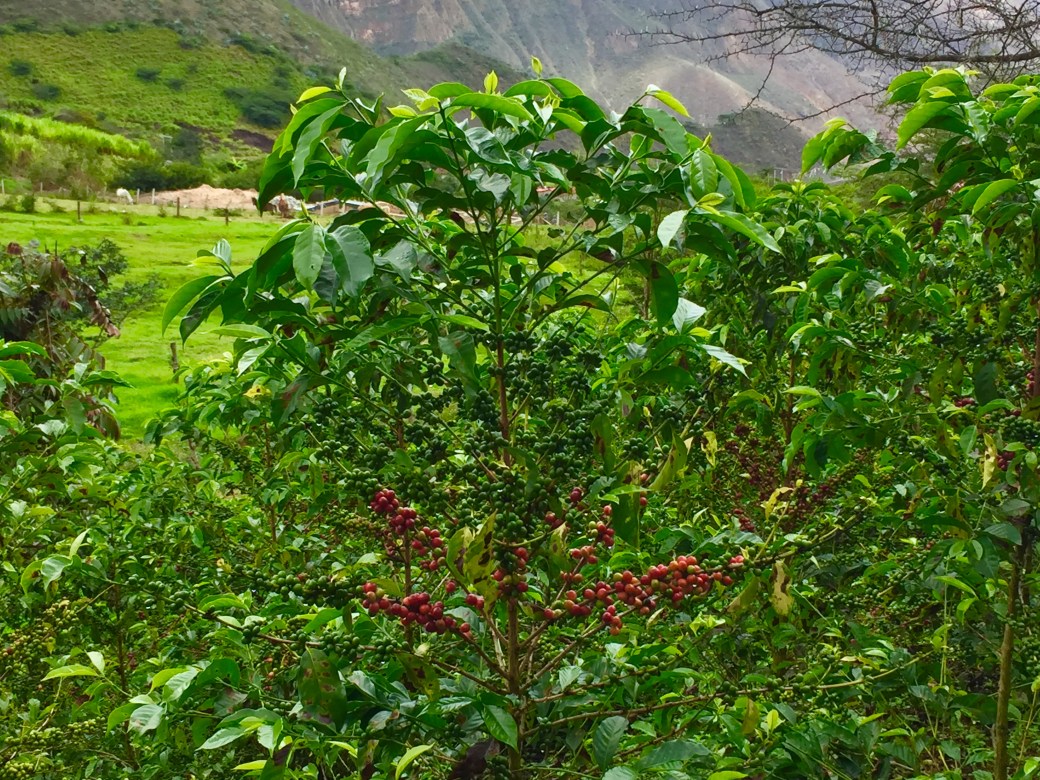
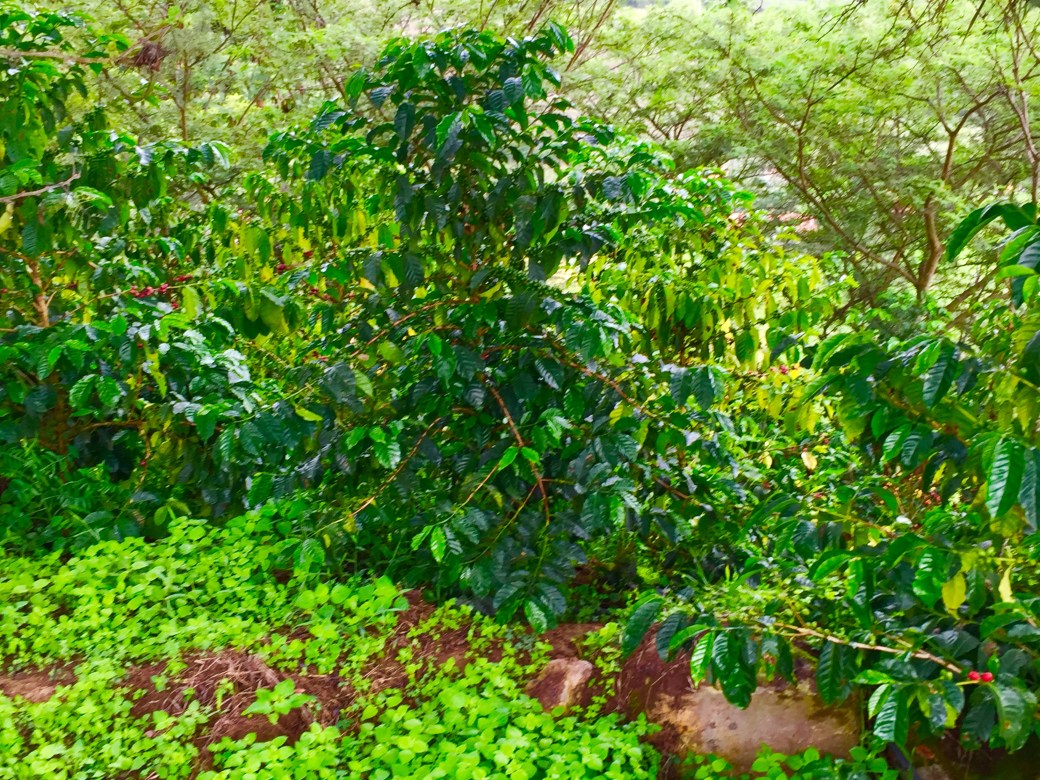
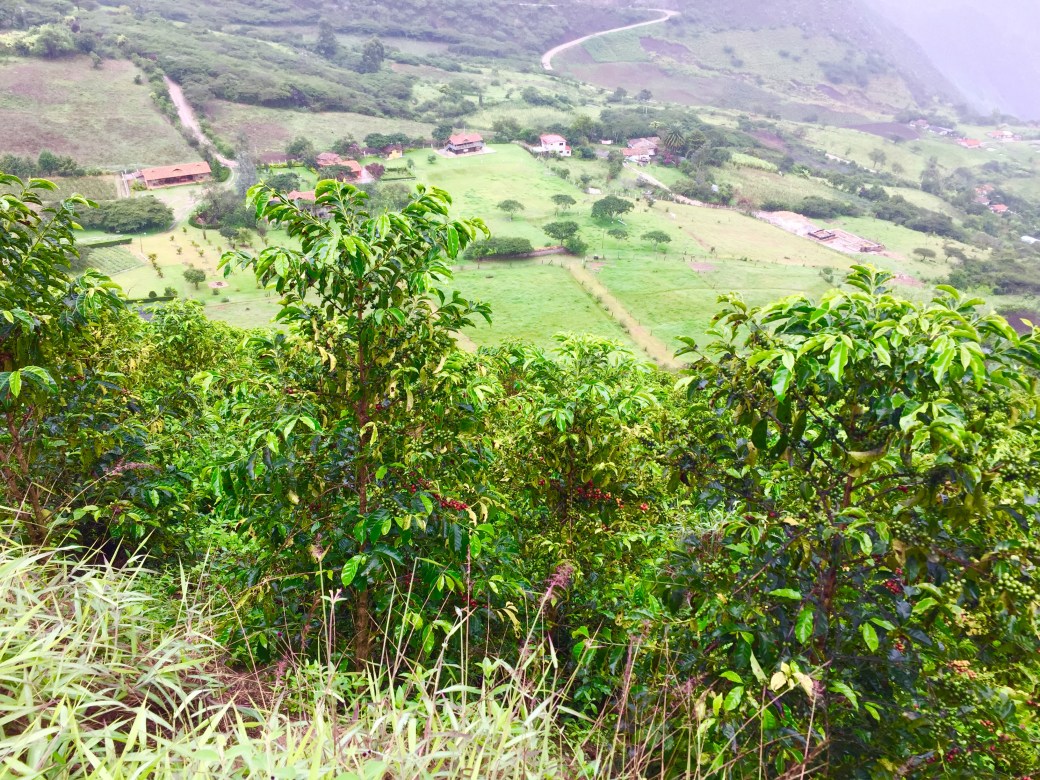
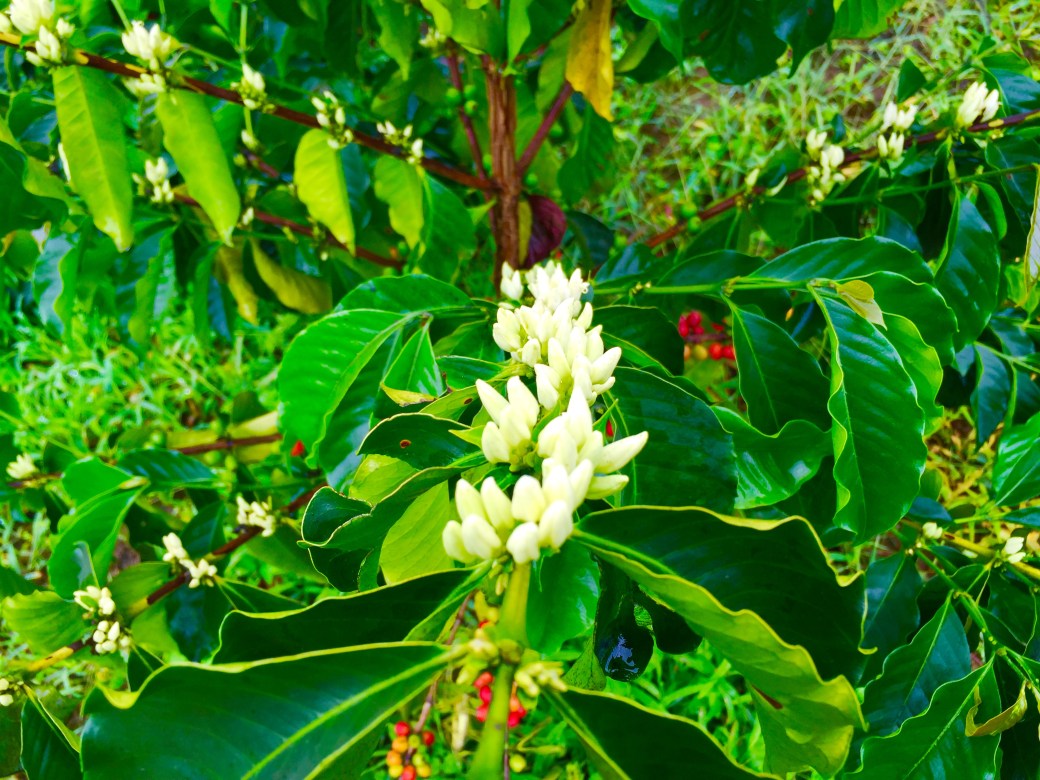
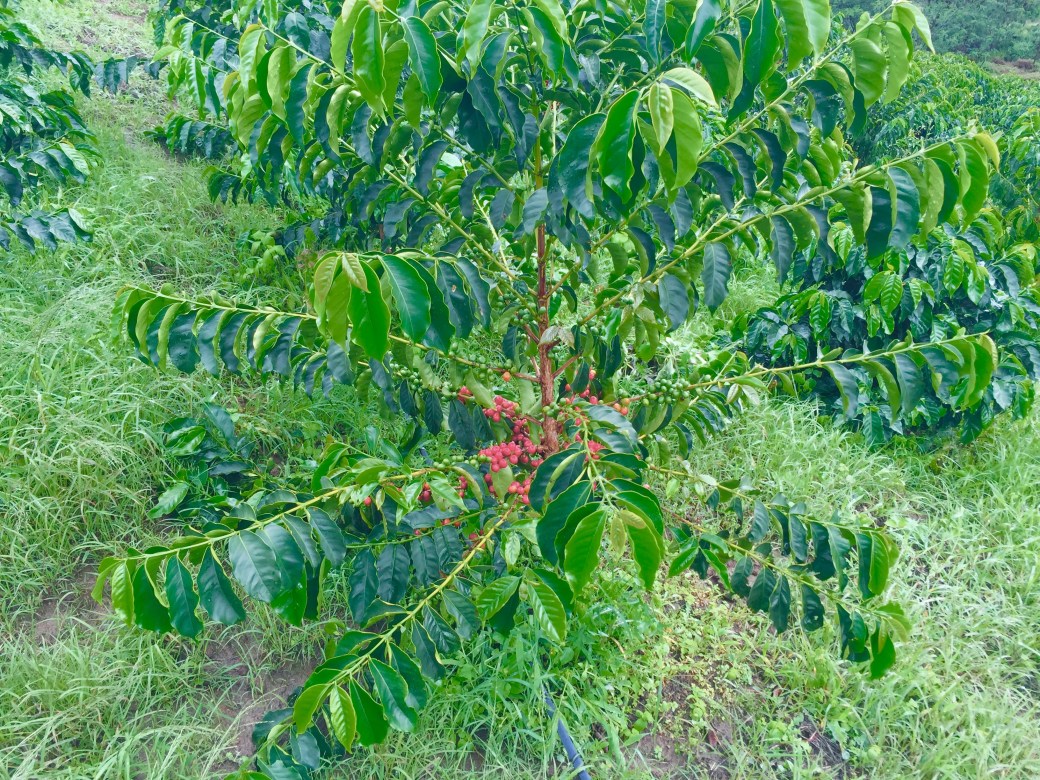
The farm is situated at an ideal altitude of 1,861 meters above sea level. The main varietal is Typica, but Juan also grows Pacas, San Salvador, Caturras, and recently planted Sidra, which will start producing in about three years.
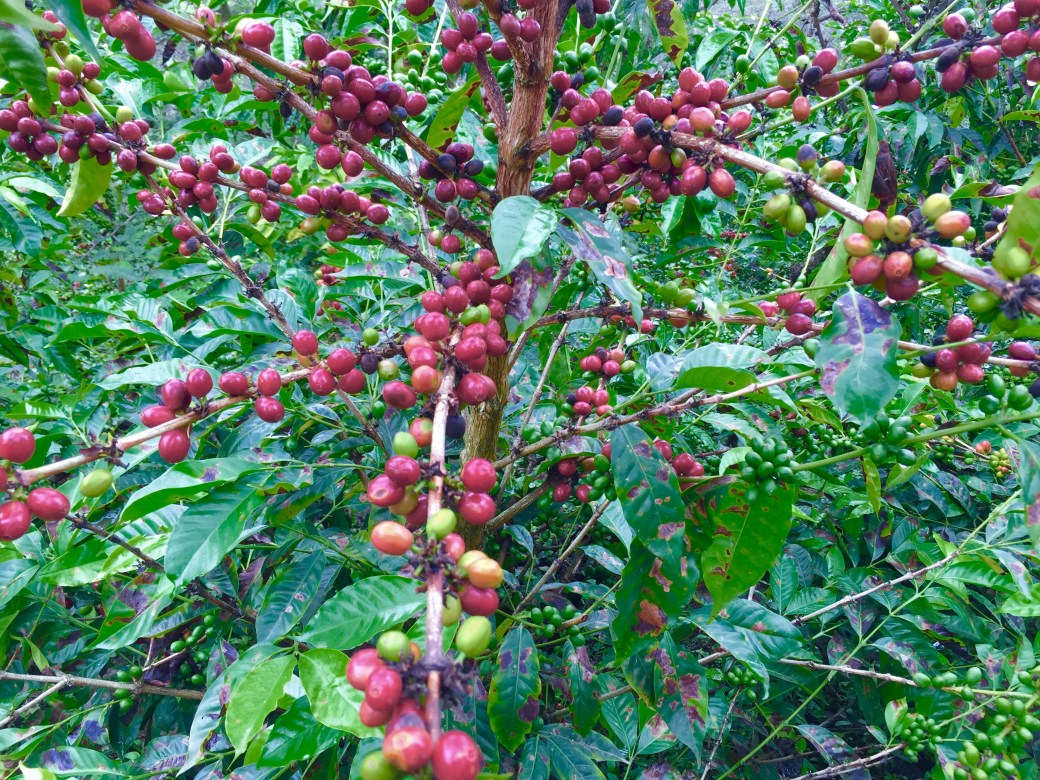
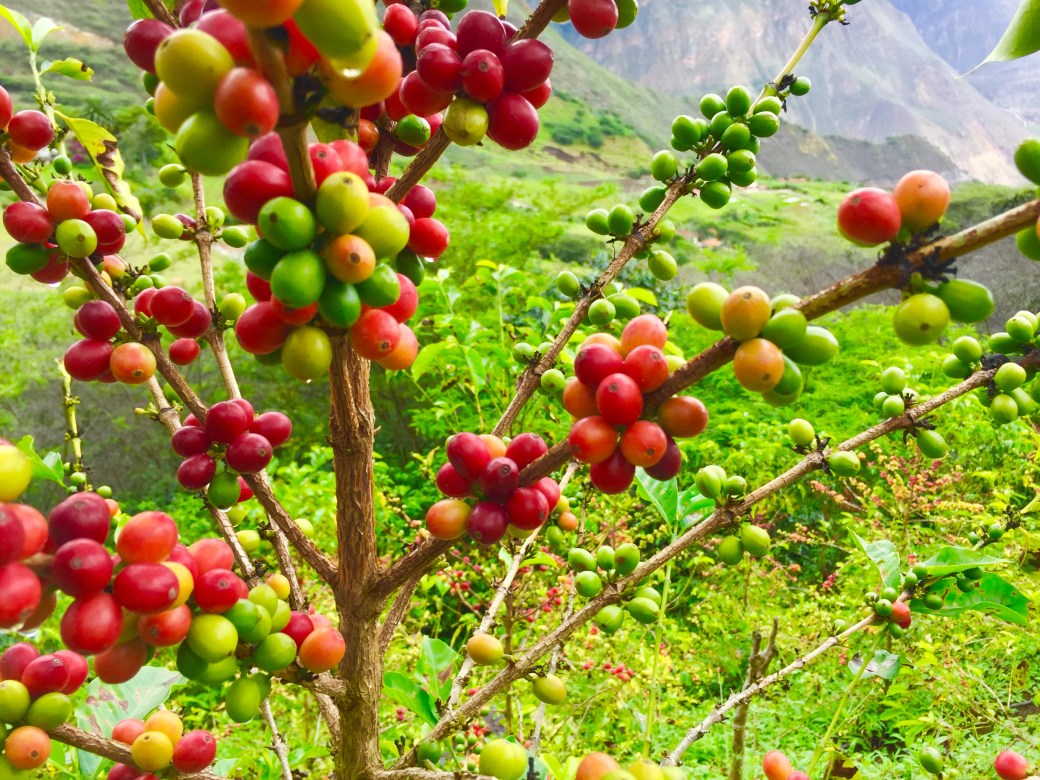
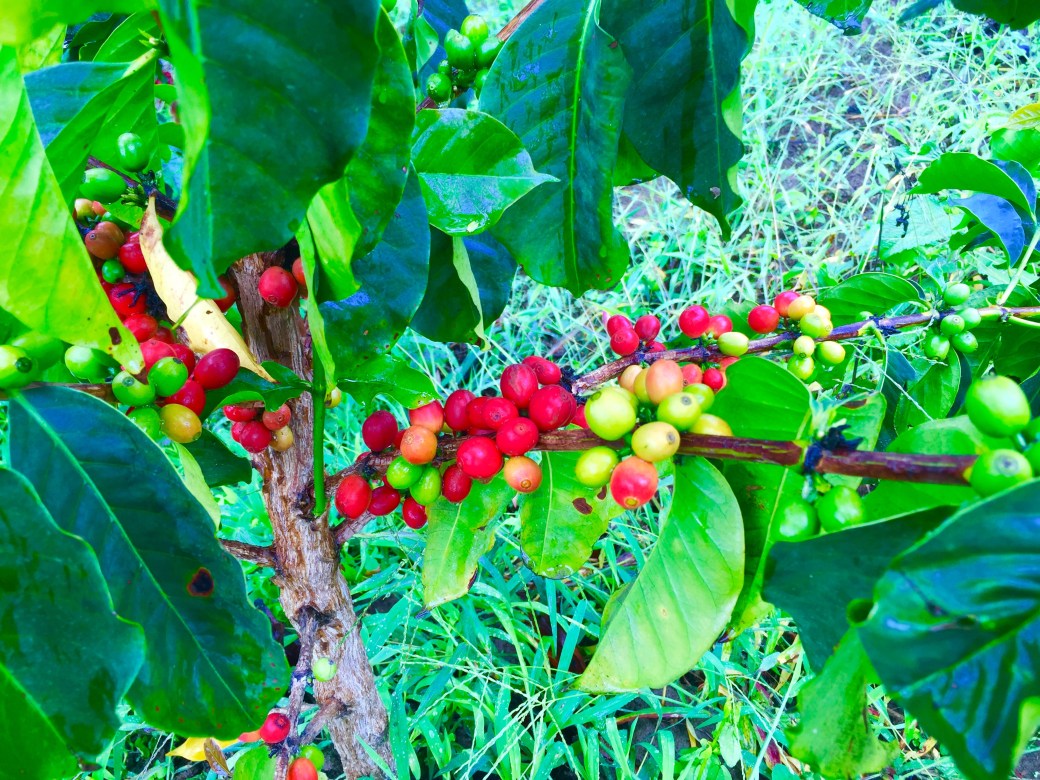
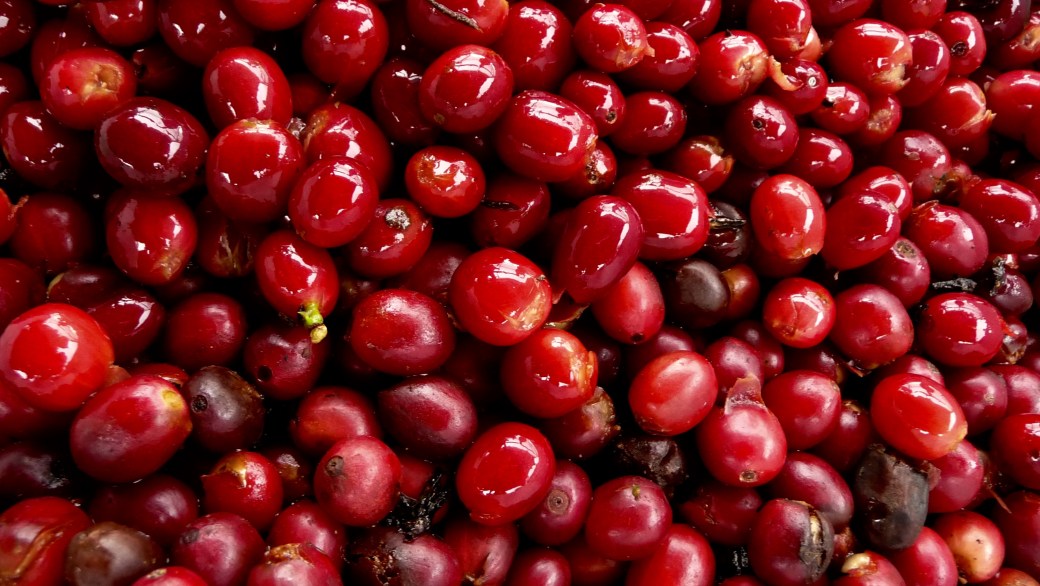
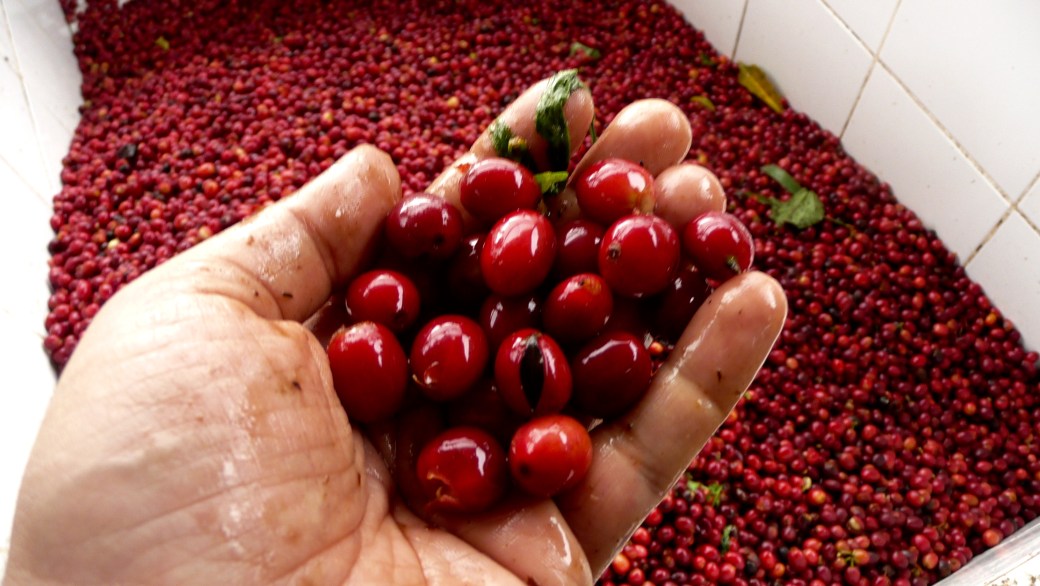
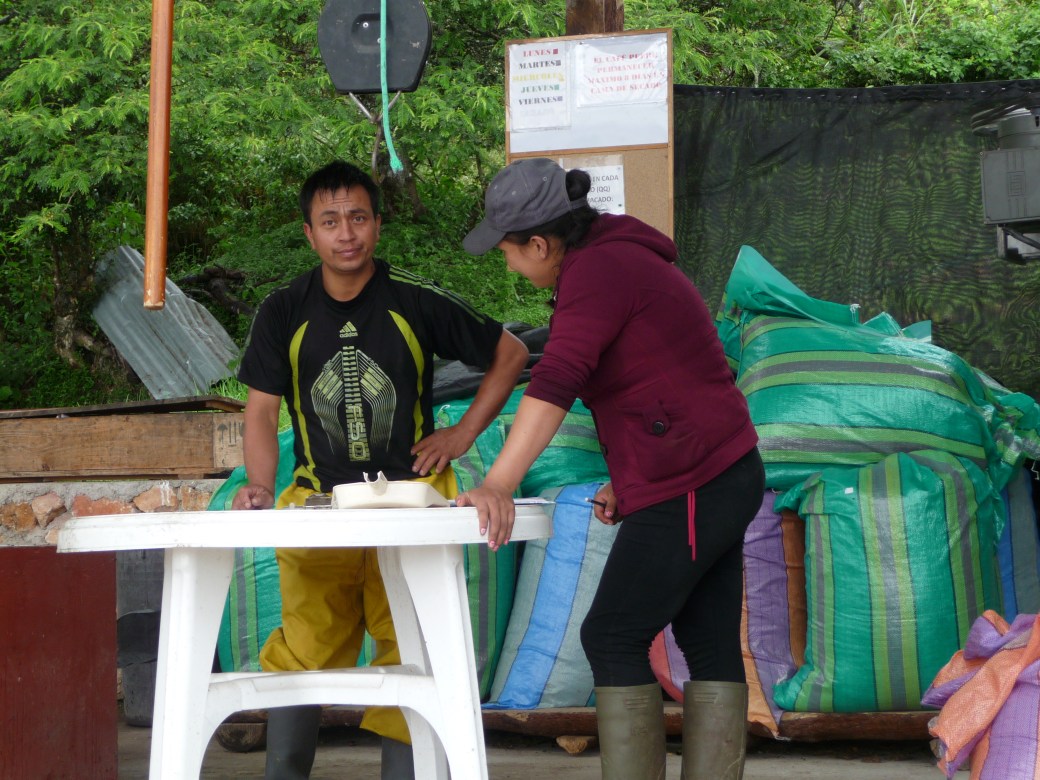
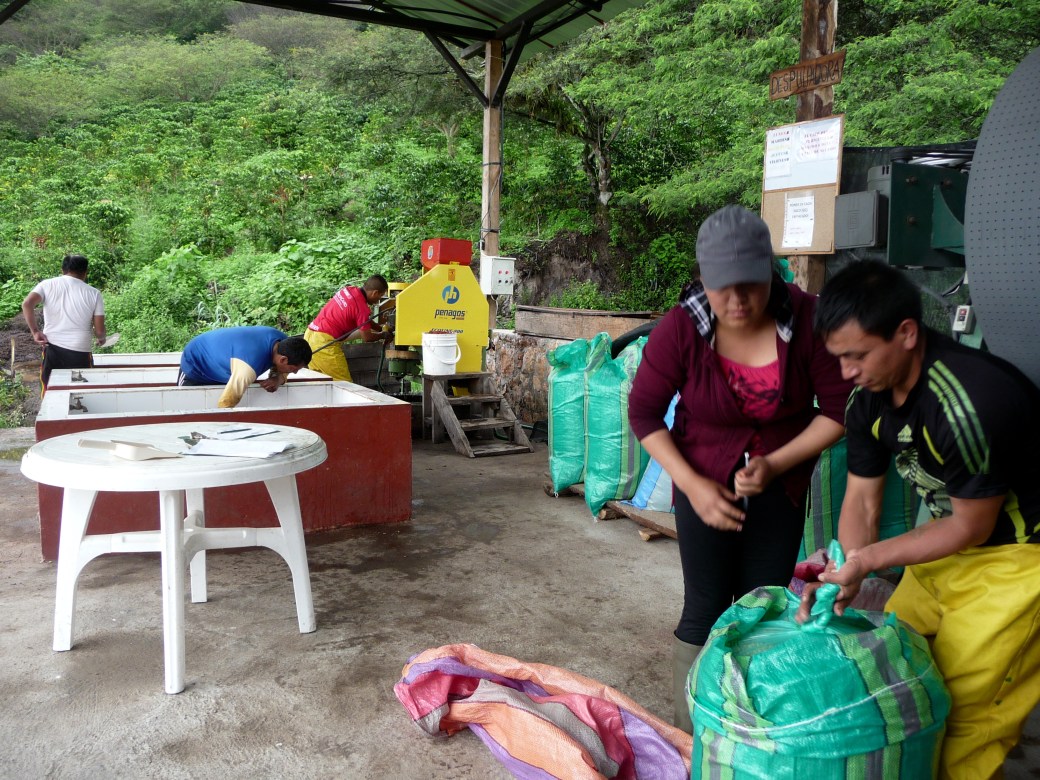
Juan employs six dedicated workers, each earning around $27.50 per day, with social security and medical insurance contributions included. The workers’ attention to detail in picking only ripe cherries ensures the quality and uniqueness of the coffee. Hacienda La Papaya primarily uses a washed process, although Juan experiments with honey and natural processes when weather permits. The farm faces challenges during the rainy season, which can bring brief but frequent showers, making natural and honey processing more difficult. Despite this, coffee production continues every day of the year, with a lighter crop from October to December.
The farm’s meticulous approach has earned Juan a stellar reputation in the specialty coffee industry. His main buyer is Café Imports. I had the privilege of tasting his Typica coffee, and it was an extraordinary experience—complex, with a rich body, velvety mouthfeel, soft kiwi-like acidity, and flavors of strawberry, raspberry, melon, babaco, Meyer lemon, magnolia, and more. It was a truly mind-blowing cup that made me feel as if I had discovered a hidden paradise.
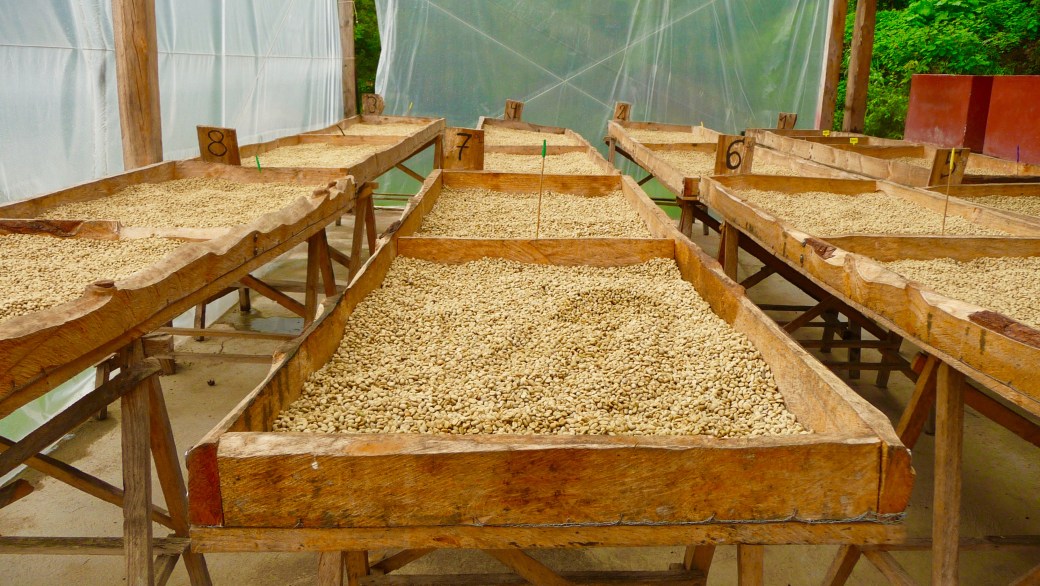
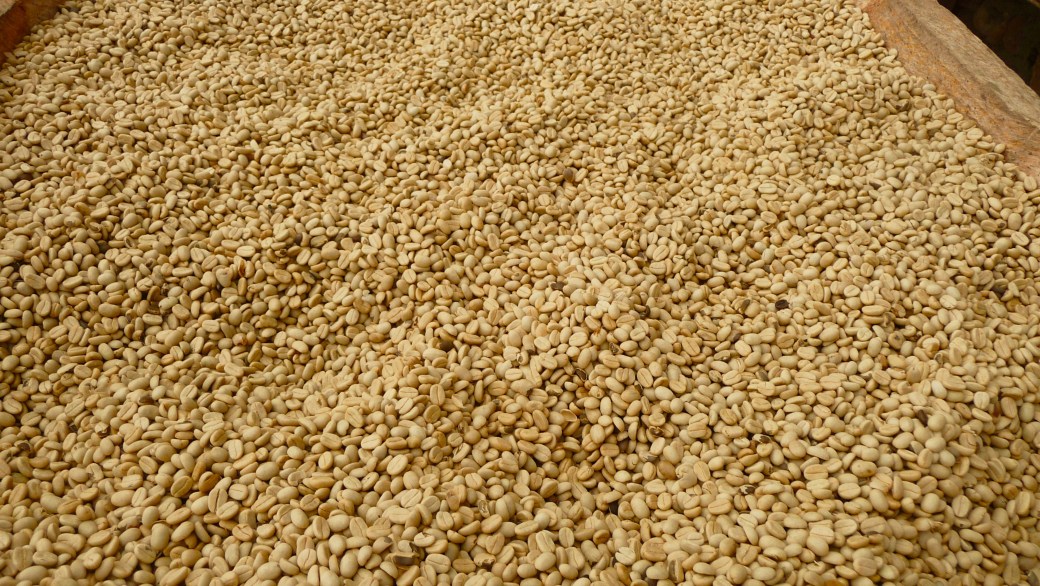
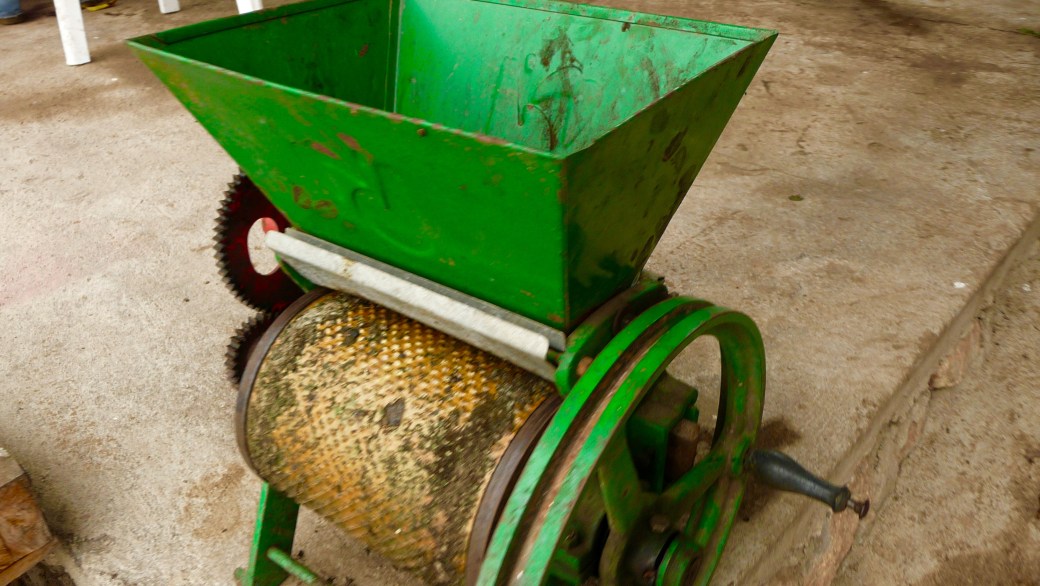
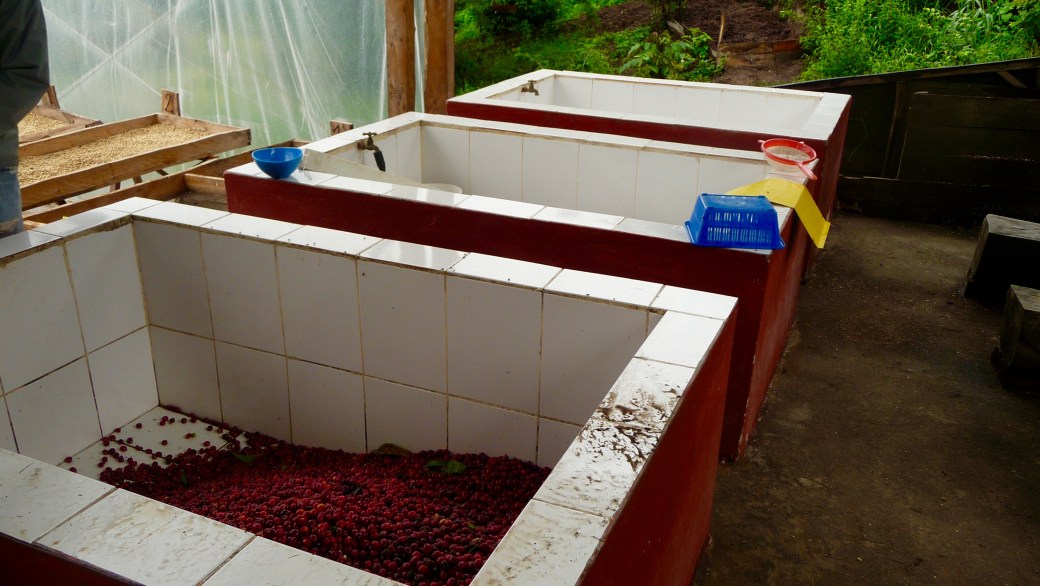
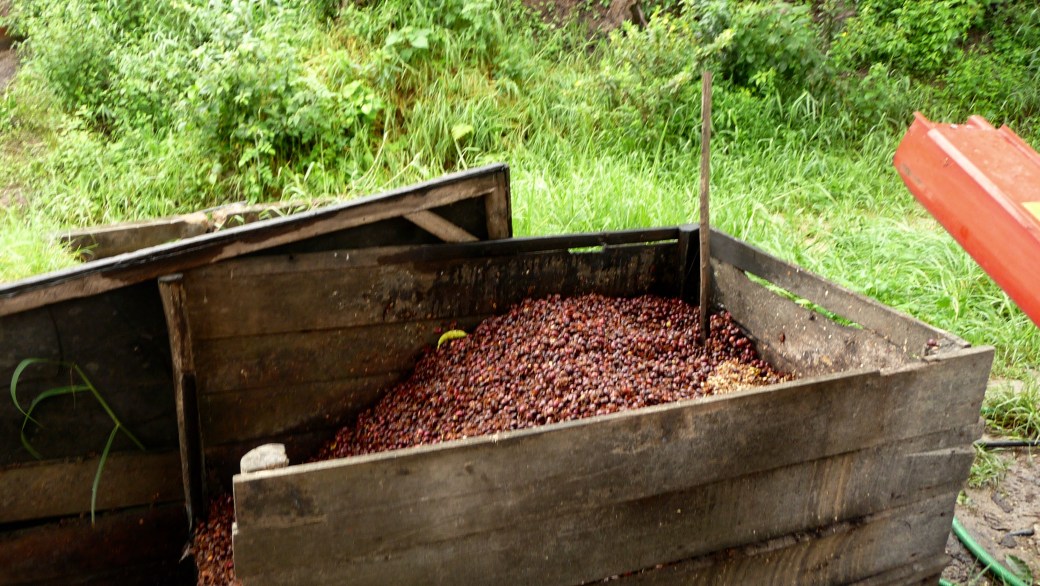
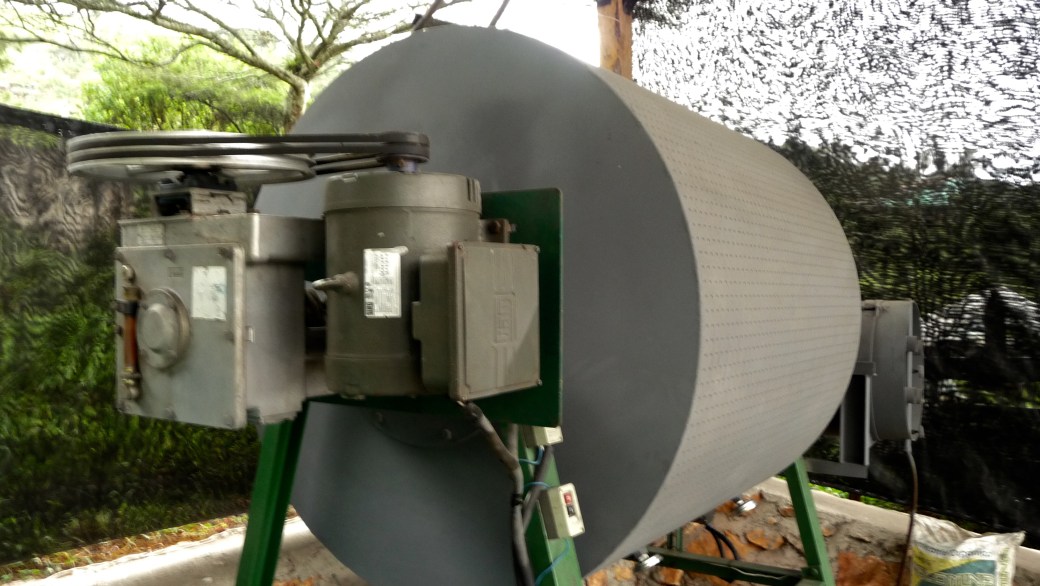
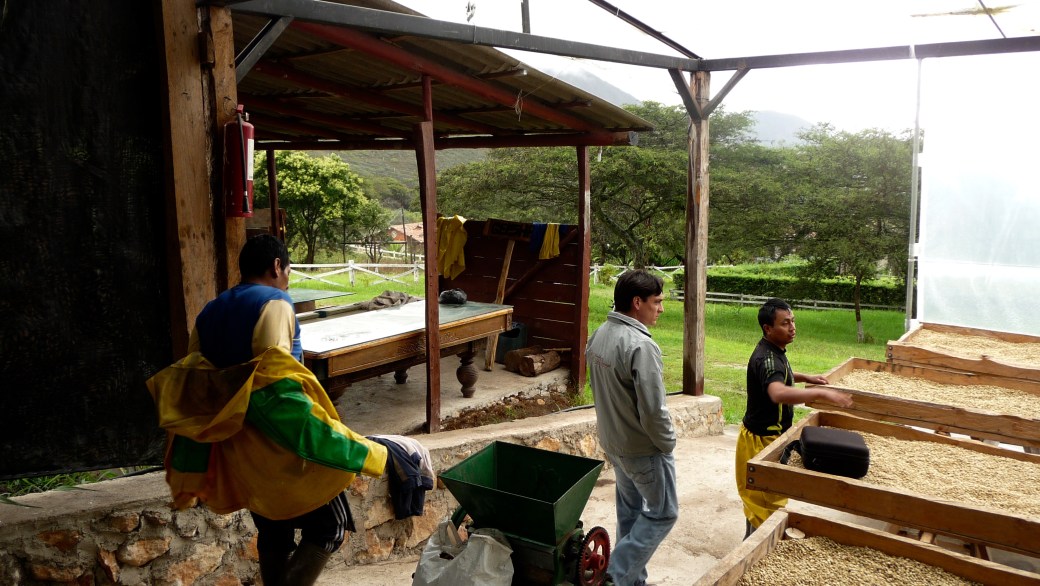
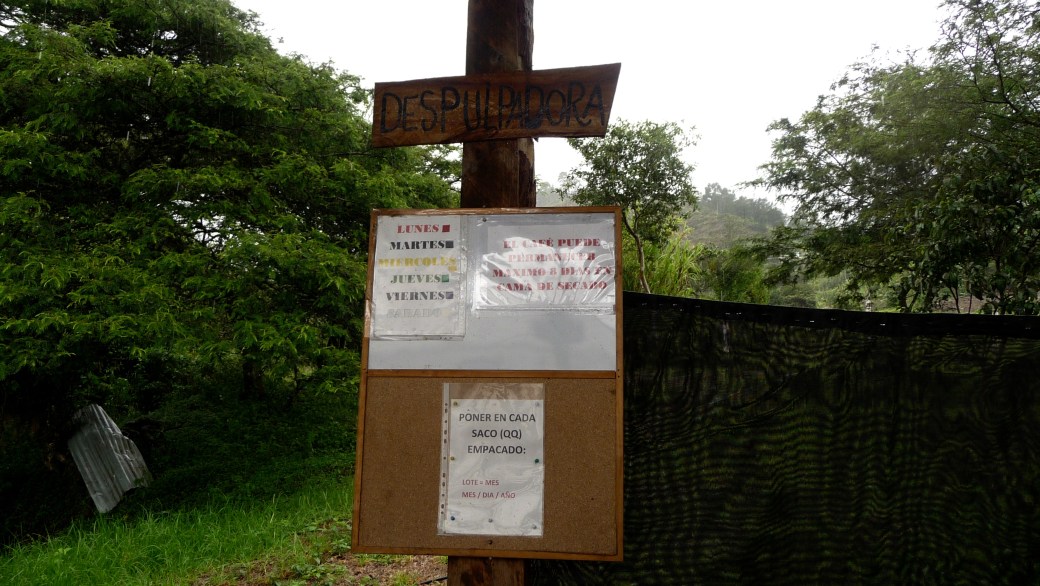
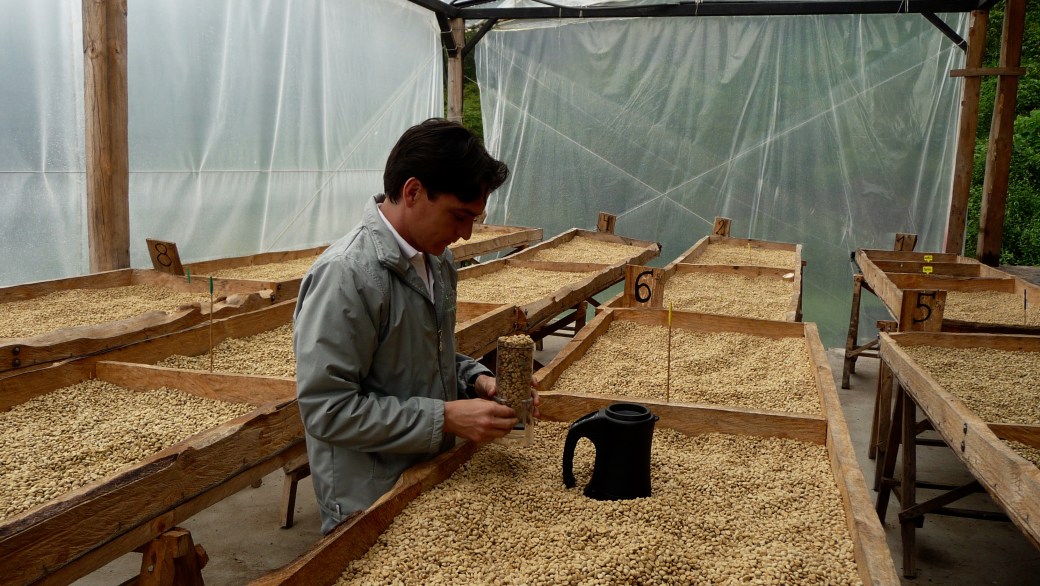
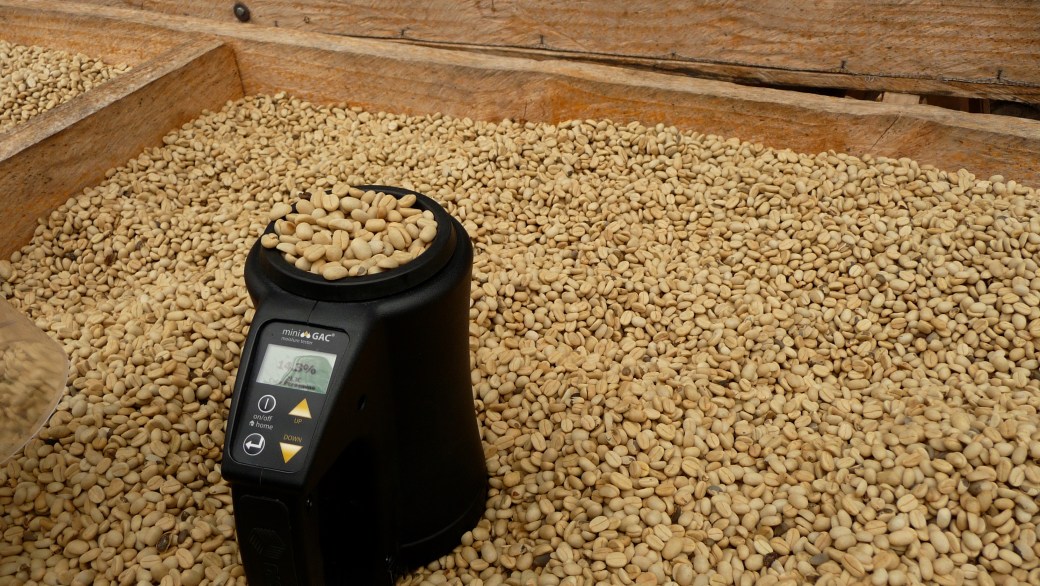
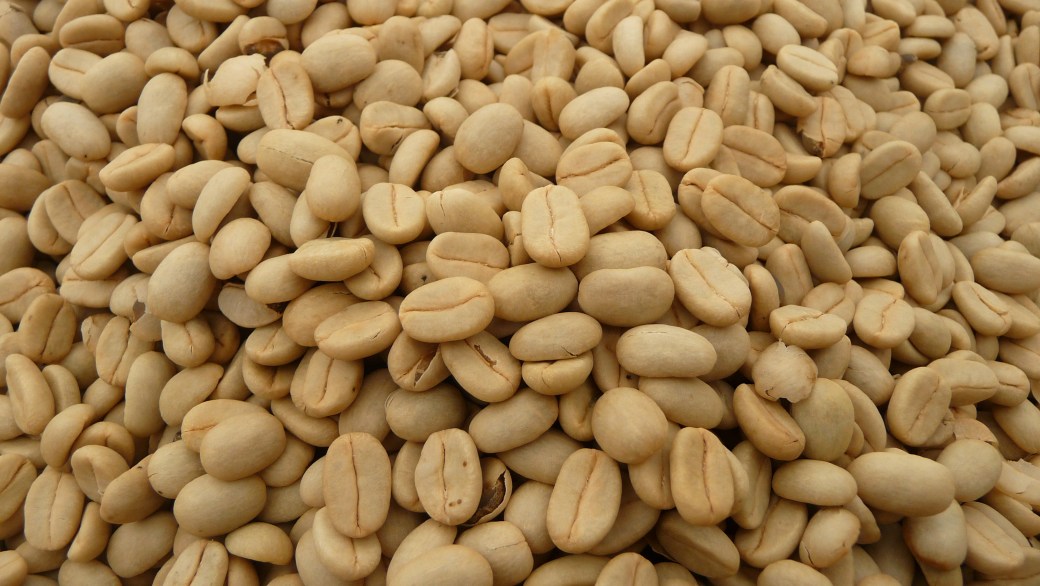
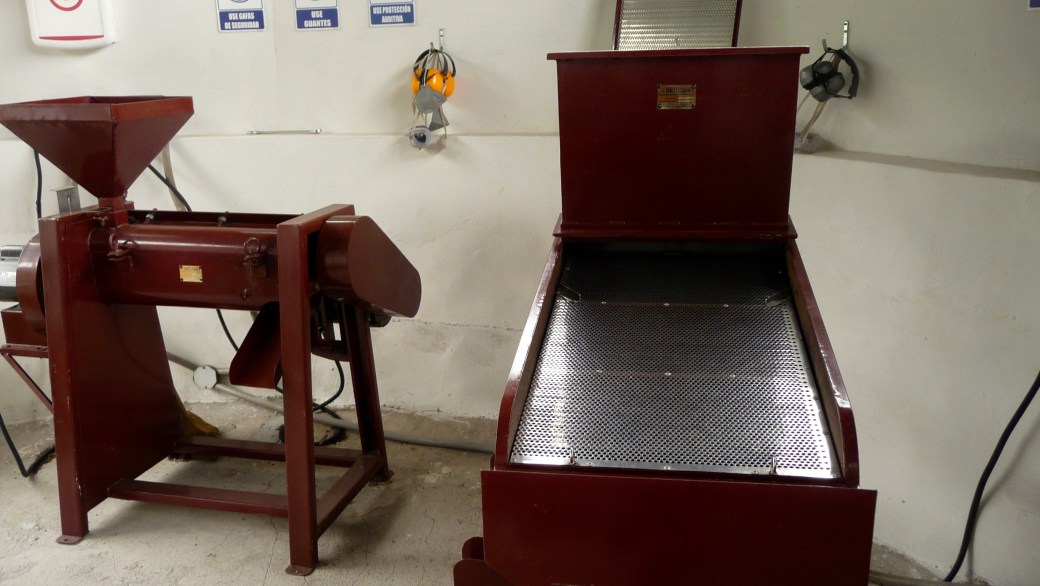
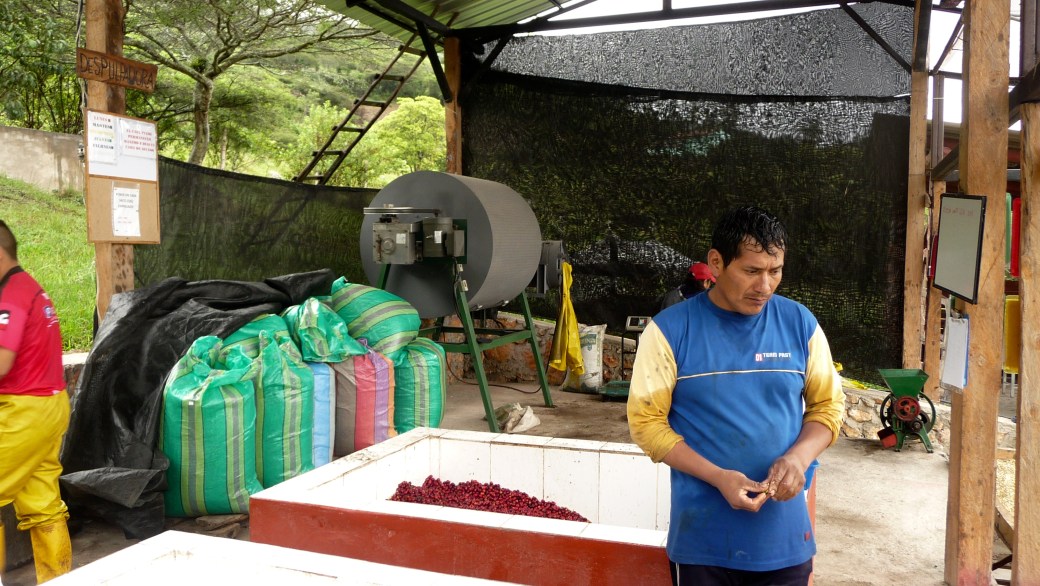
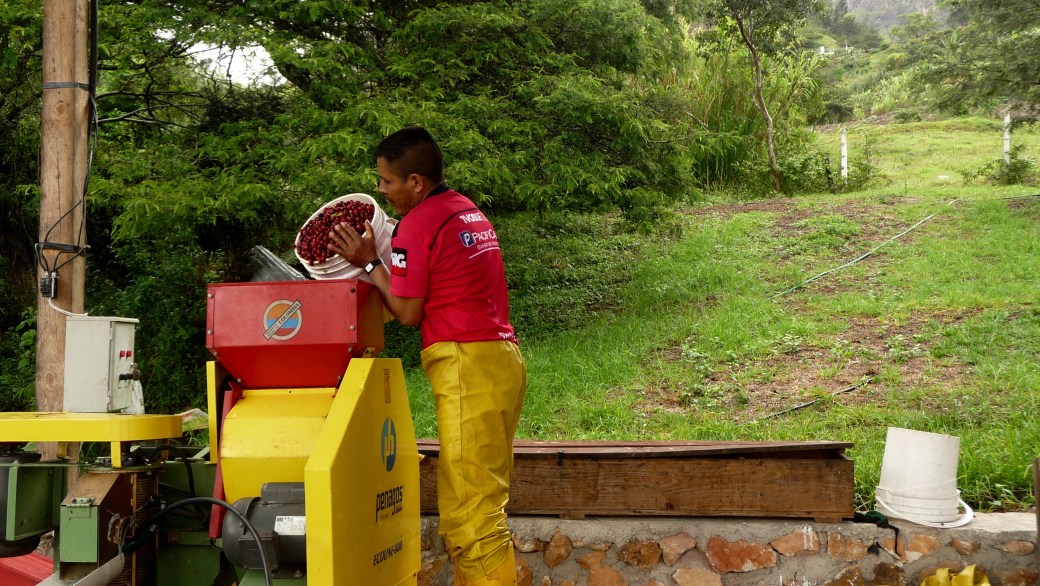
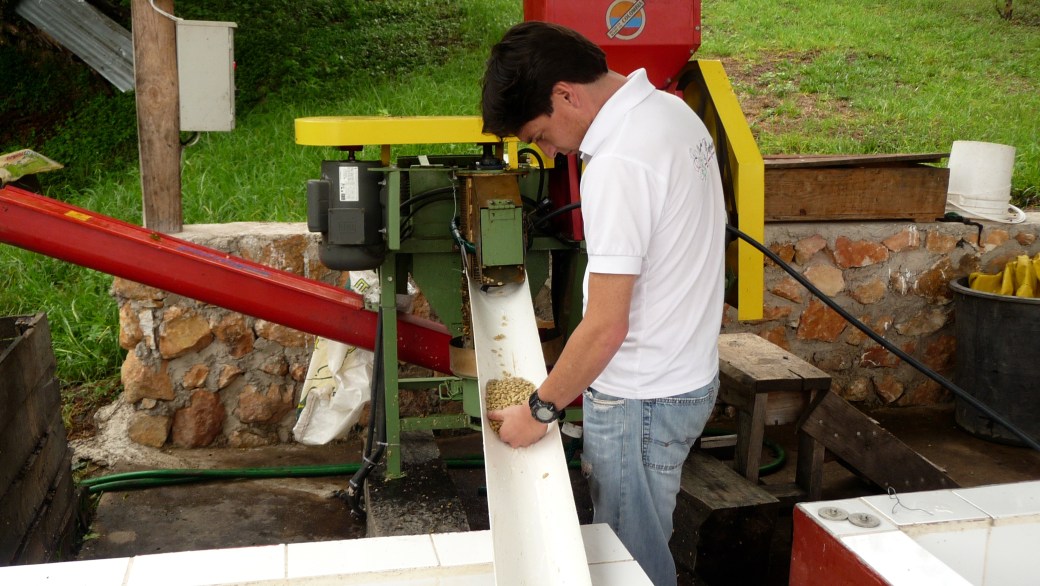
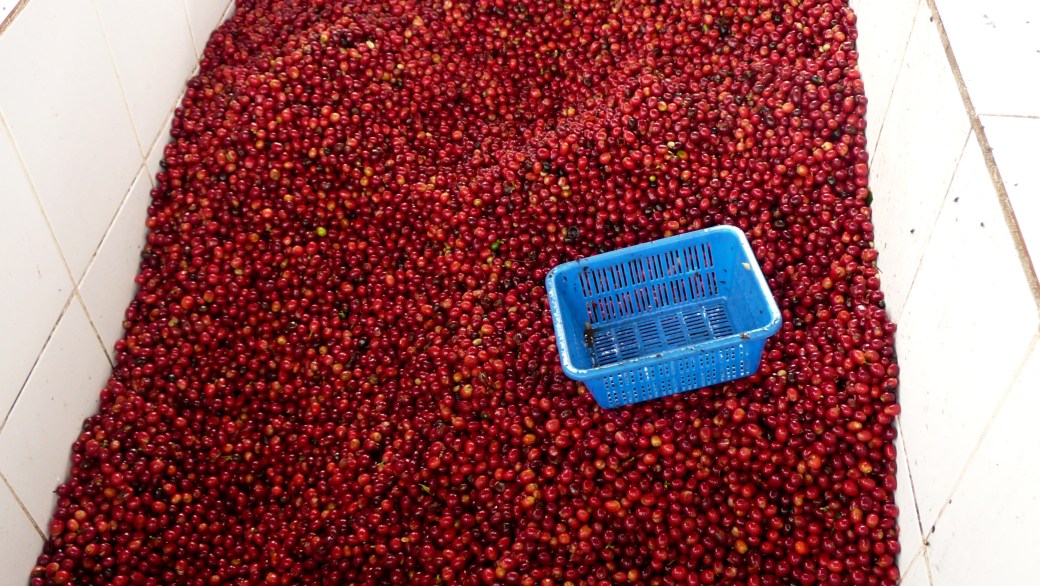
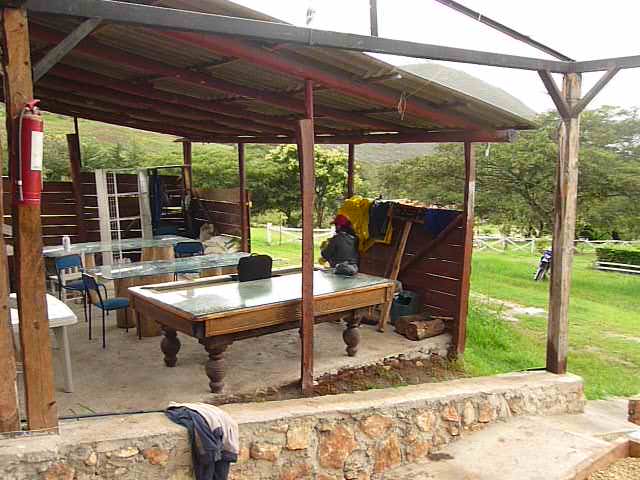
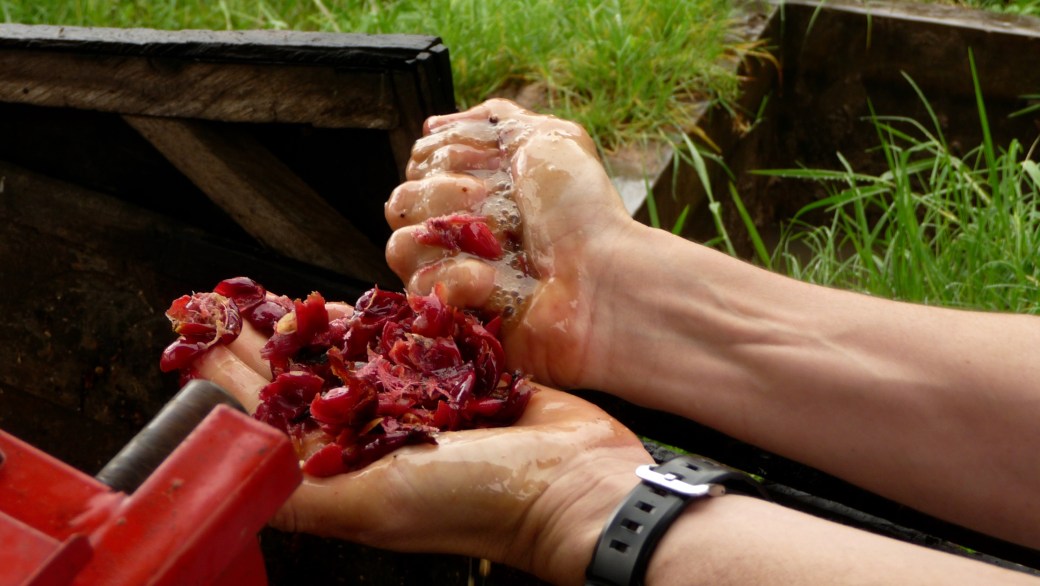
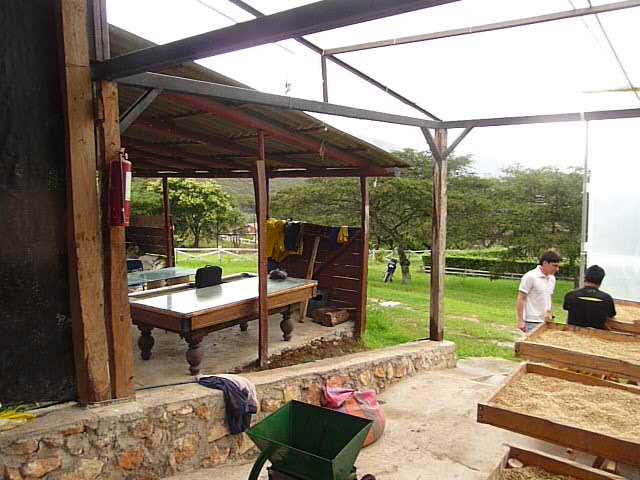
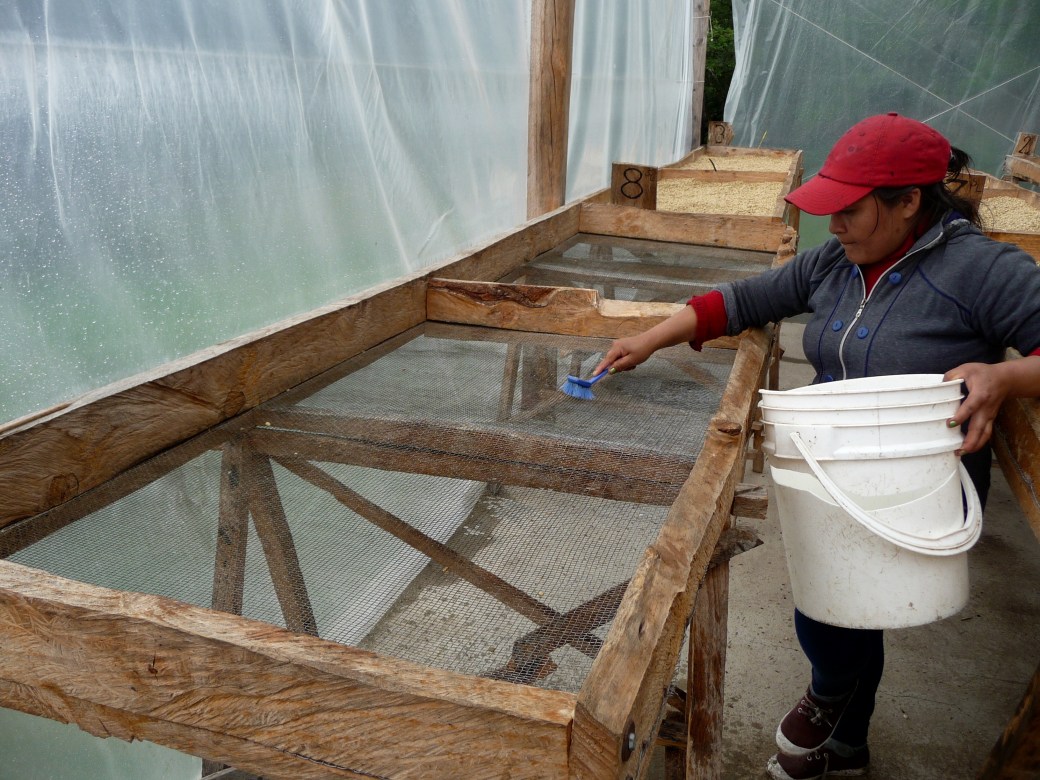
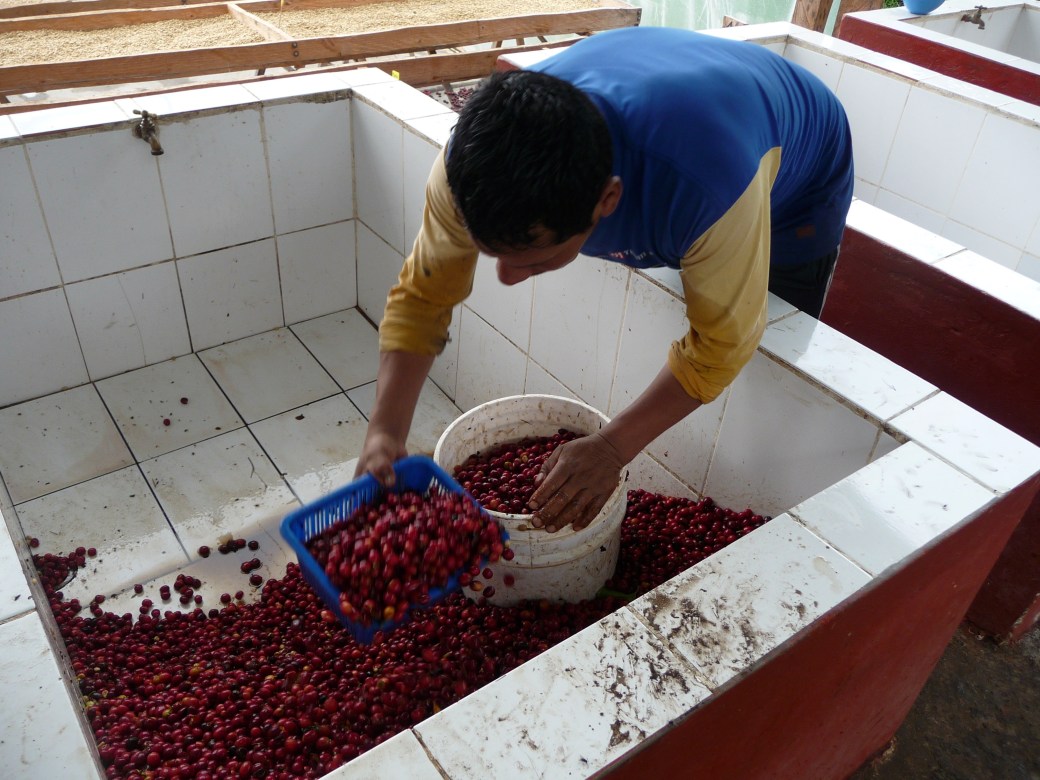
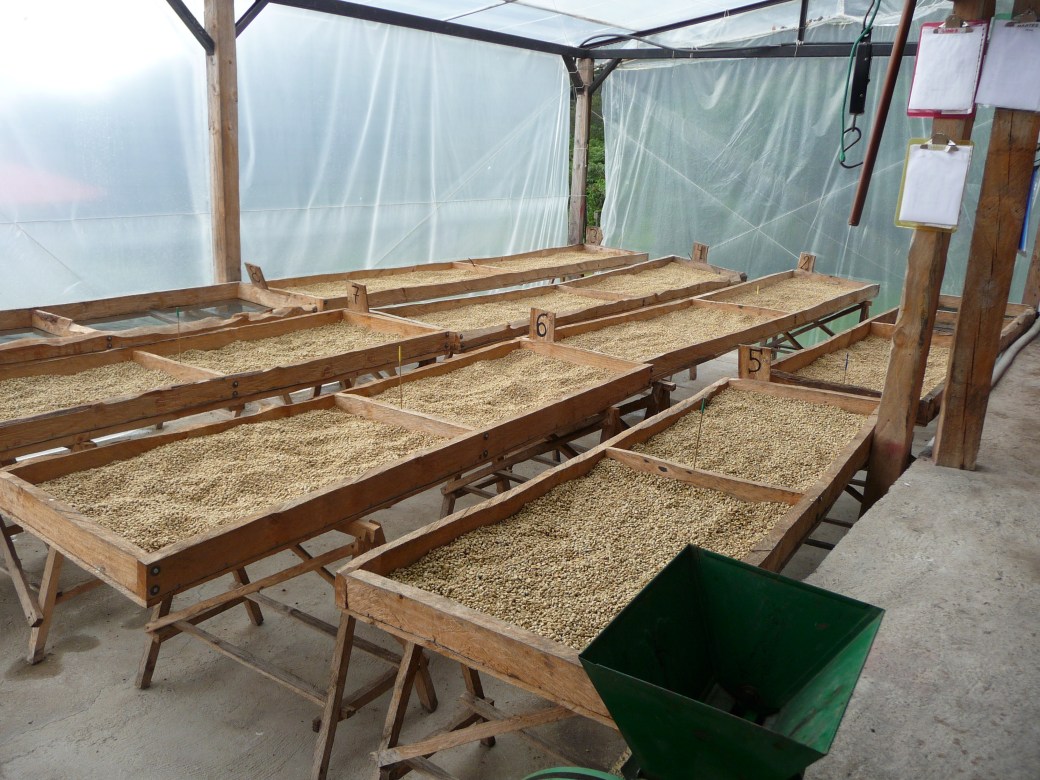
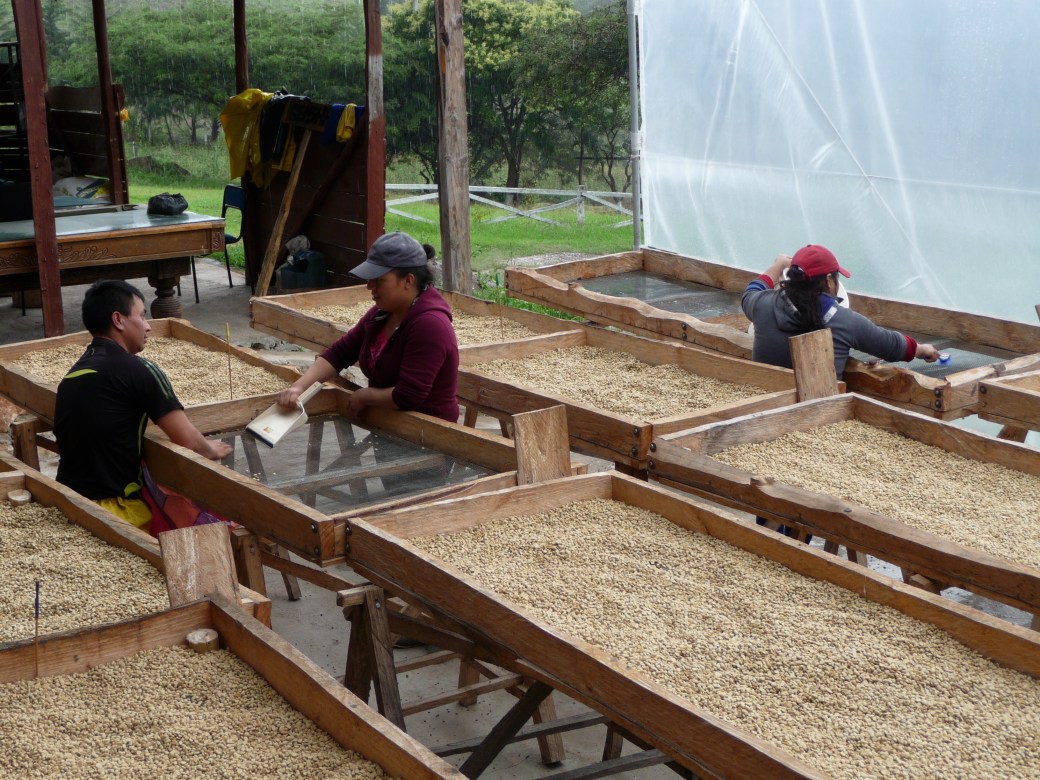
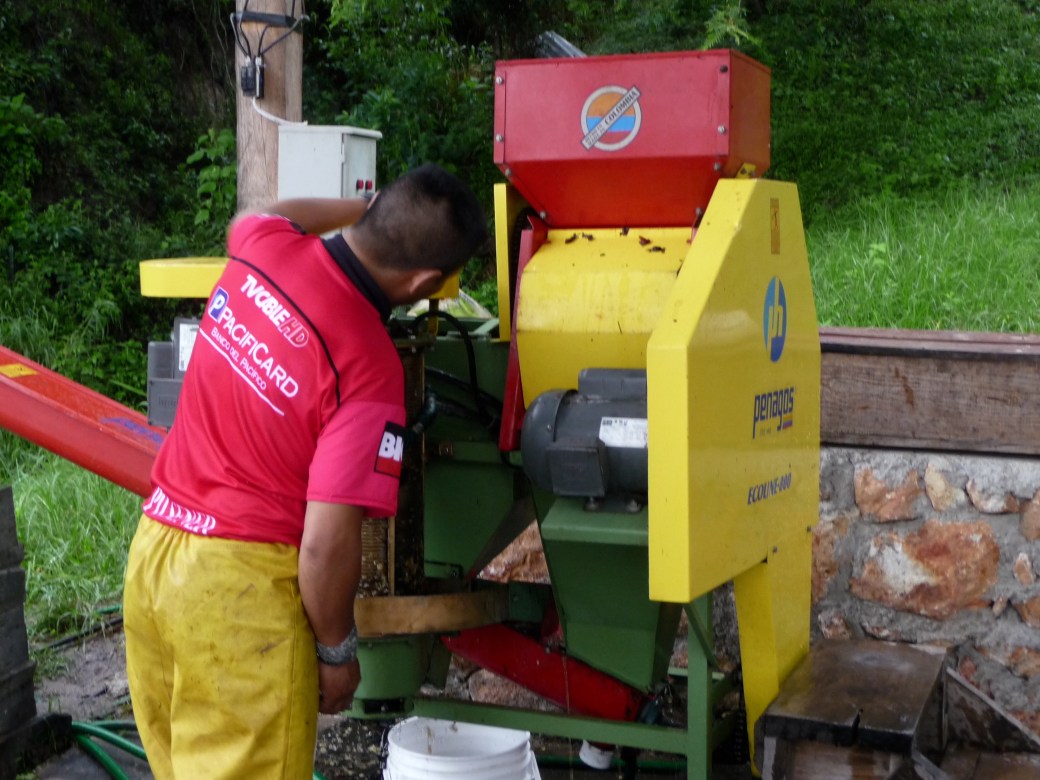
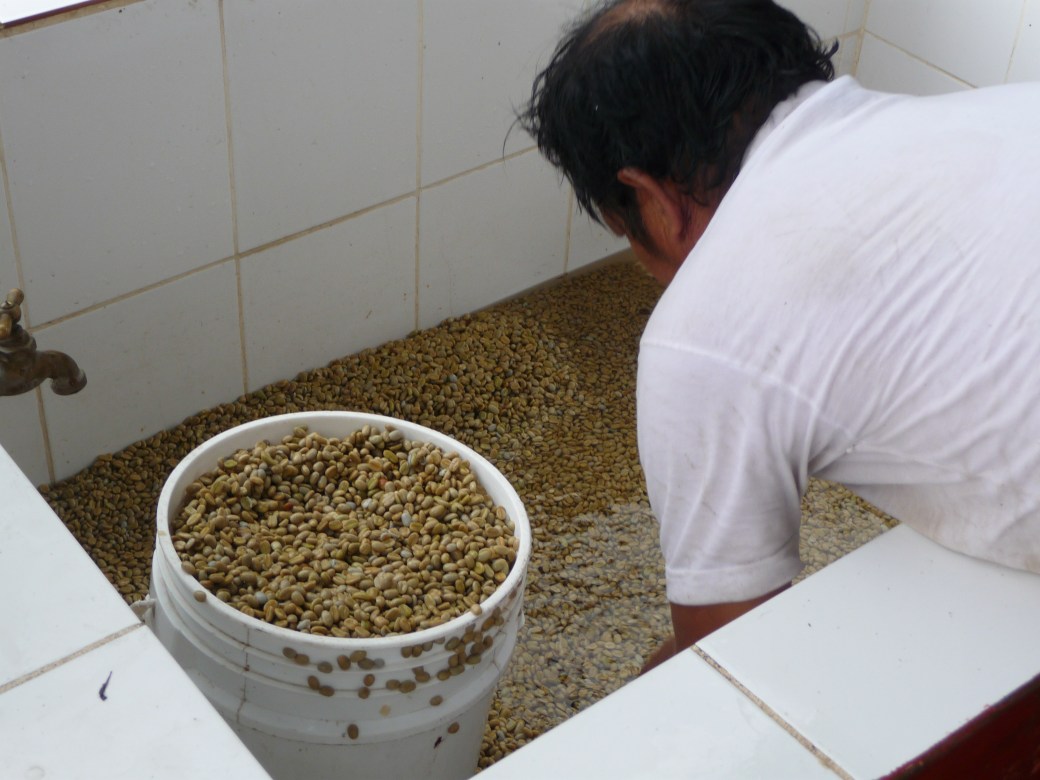
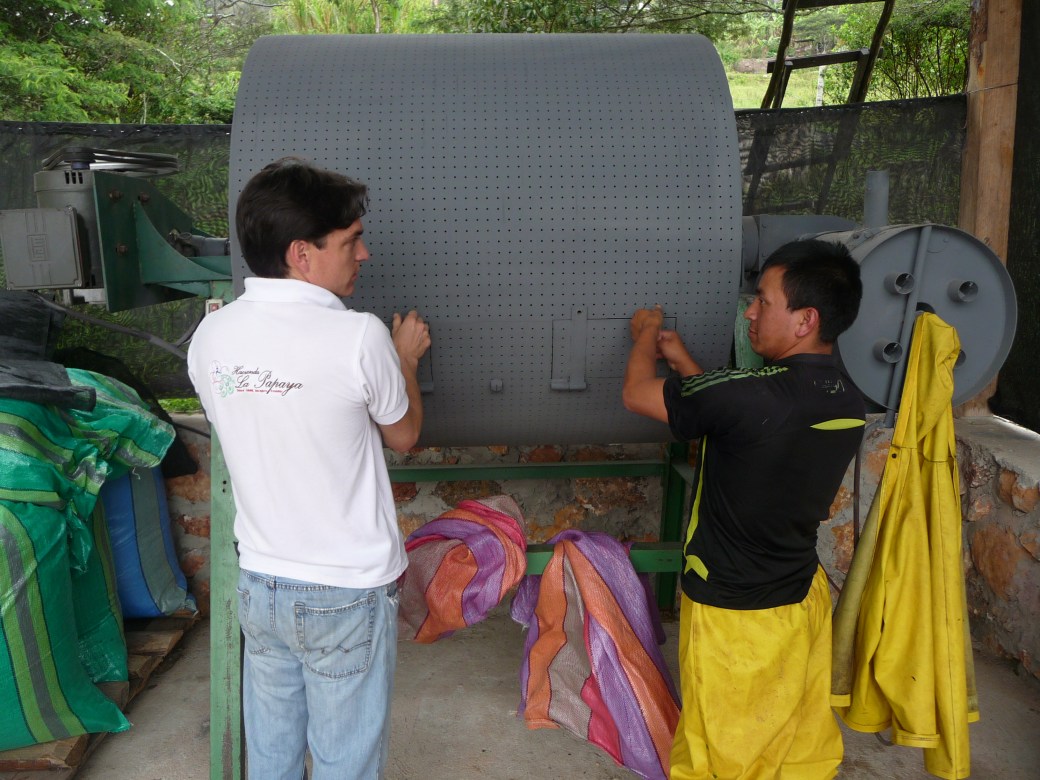
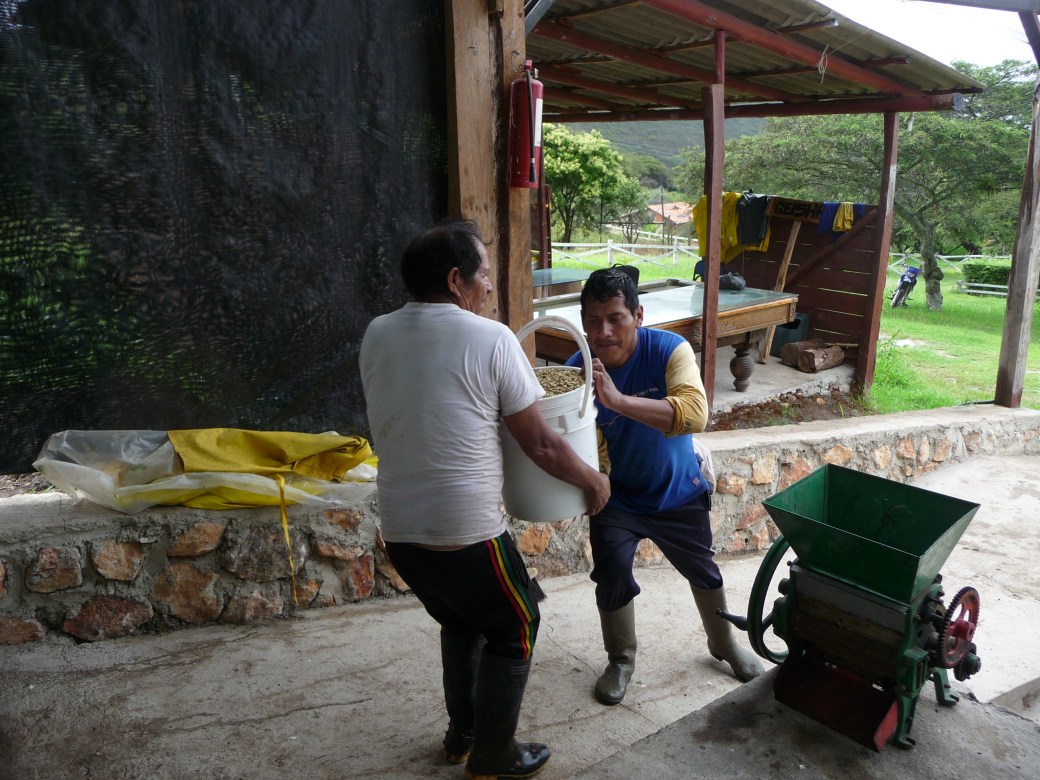
Workers follow a structured schedule: picking begins at 8 a.m., continues until 12 p.m., resumes after a one-hour lunch break, and finishes at 4 p.m. Processing begins immediately afterward, with floaters removed, depulping, fermentation, and drying on raised beds until the moisture reaches 10–11%. Juan has implemented a meticulous system to assign duties and document all activities, ensuring every aspect of the farm runs efficiently. Pulp from cherries is composted and returned to the coffee trees, giving back to the land.
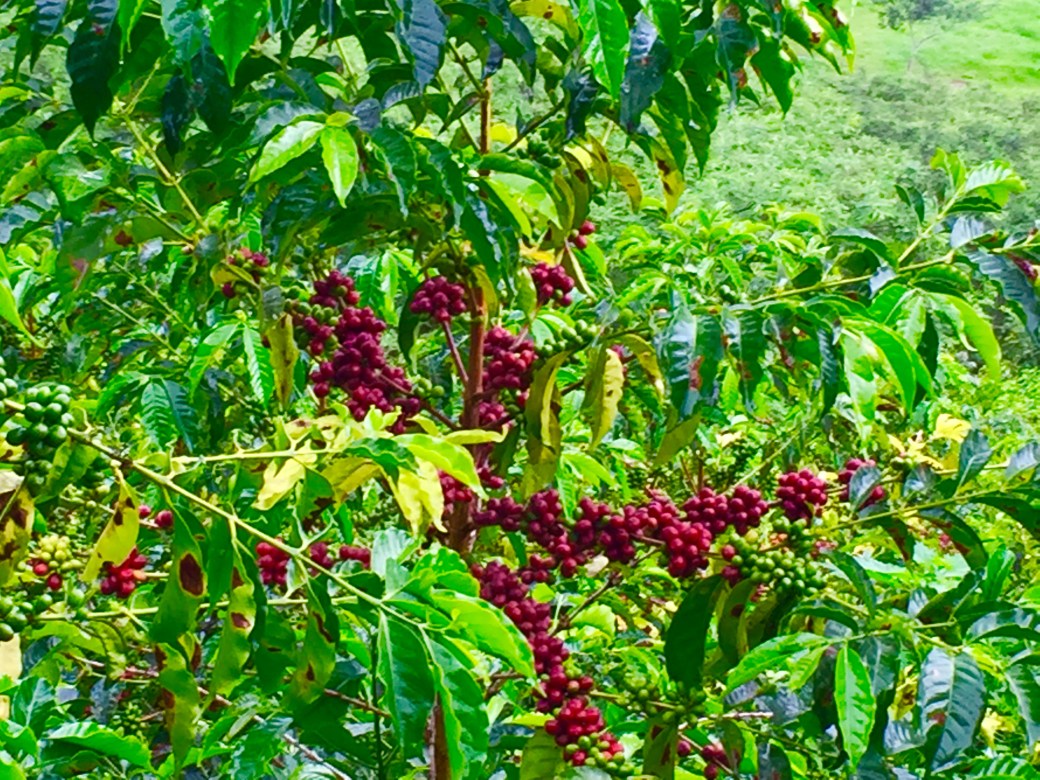
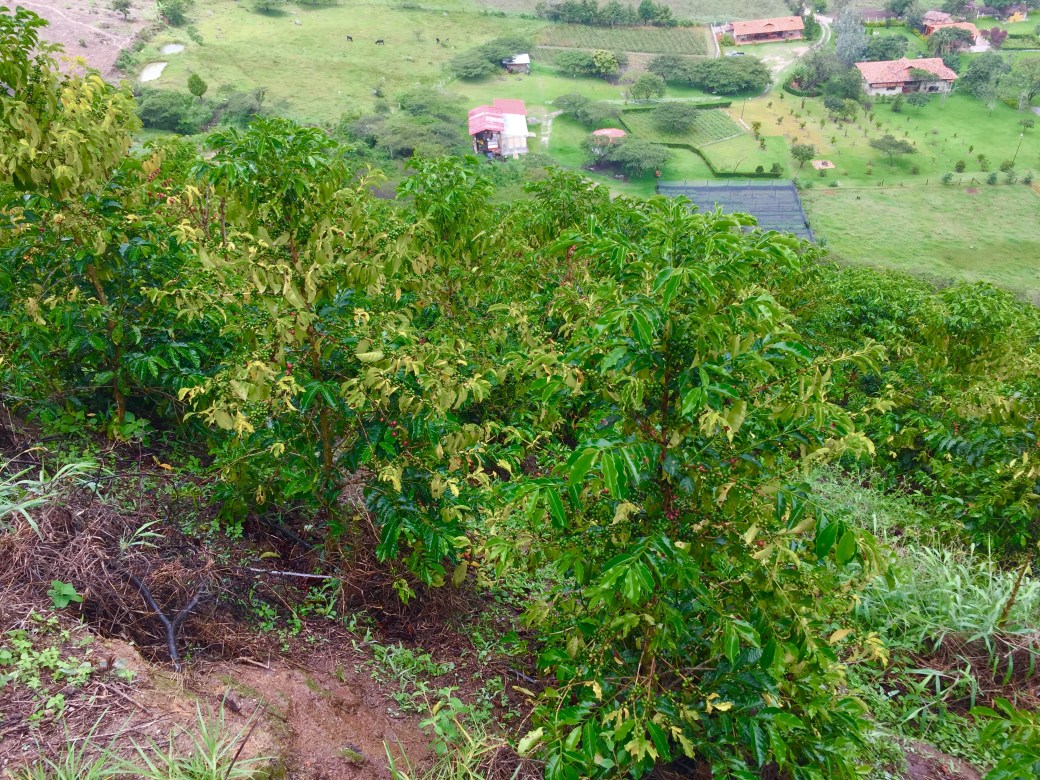
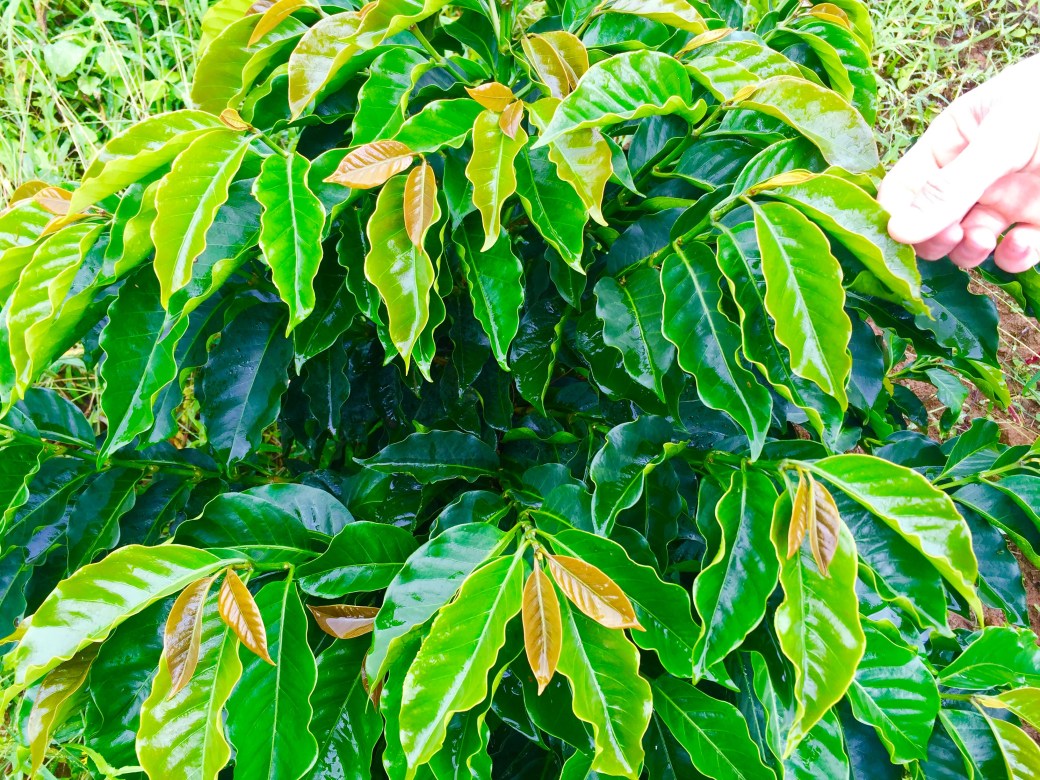
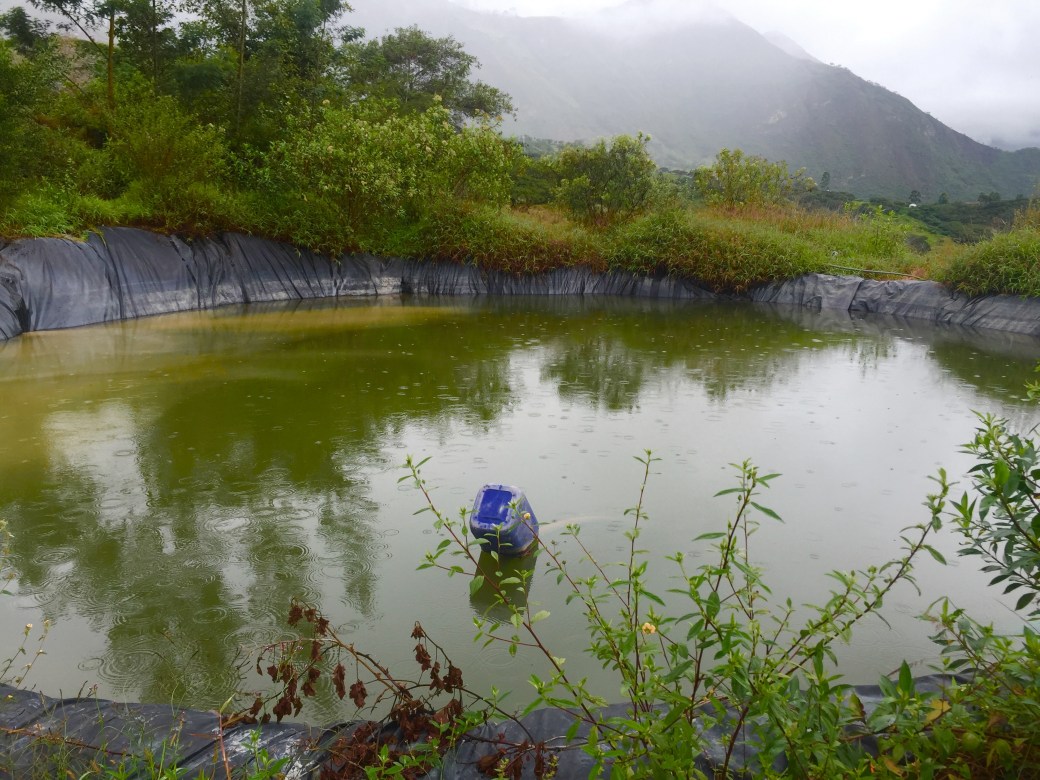
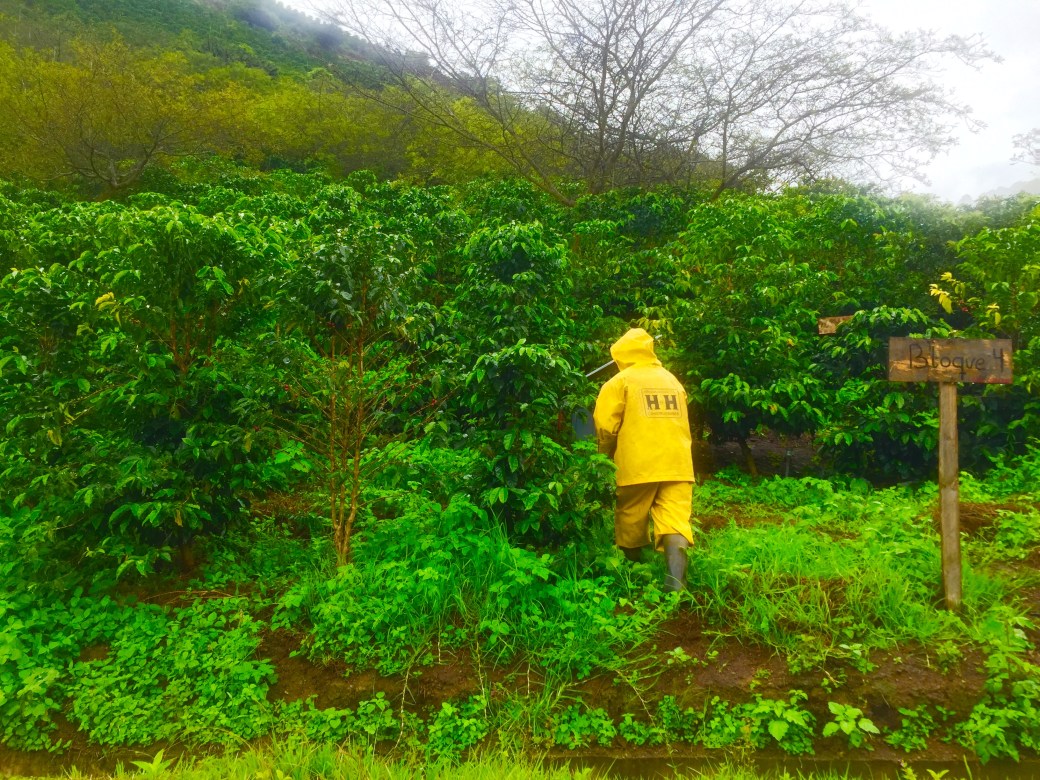
Hacienda La Papaya has no leaf rust issues, thanks to preventive spraying, and Broca beetle is managed through daily picking and regular cleaning under the trees. The farm has four main reservoirs to collect rainwater for irrigation and chemical spraying when necessary. Surrounding trees, including pines and fruit trees (oranges, lemons, mandarins), complement the farm’s ecosystem. Some Typica trees display yellow or dark green leaves depending on sun exposure, not disease. A few Geisha varietals have also been planted, with seeds I provided to Juan to continue expanding the farm’s offerings.
Hacienda La Papaya is a testament to dedication, precision, and passion in specialty coffee farming. Experiencing this farm firsthand was an honor, and the Typica coffee I tasted was unforgettable. Any roaster or coffee enthusiast visiting Ecuador should make it a point to contact Juan and discover the exceptional quality and charm this farm has to offer.































 Coffee @ Farmer