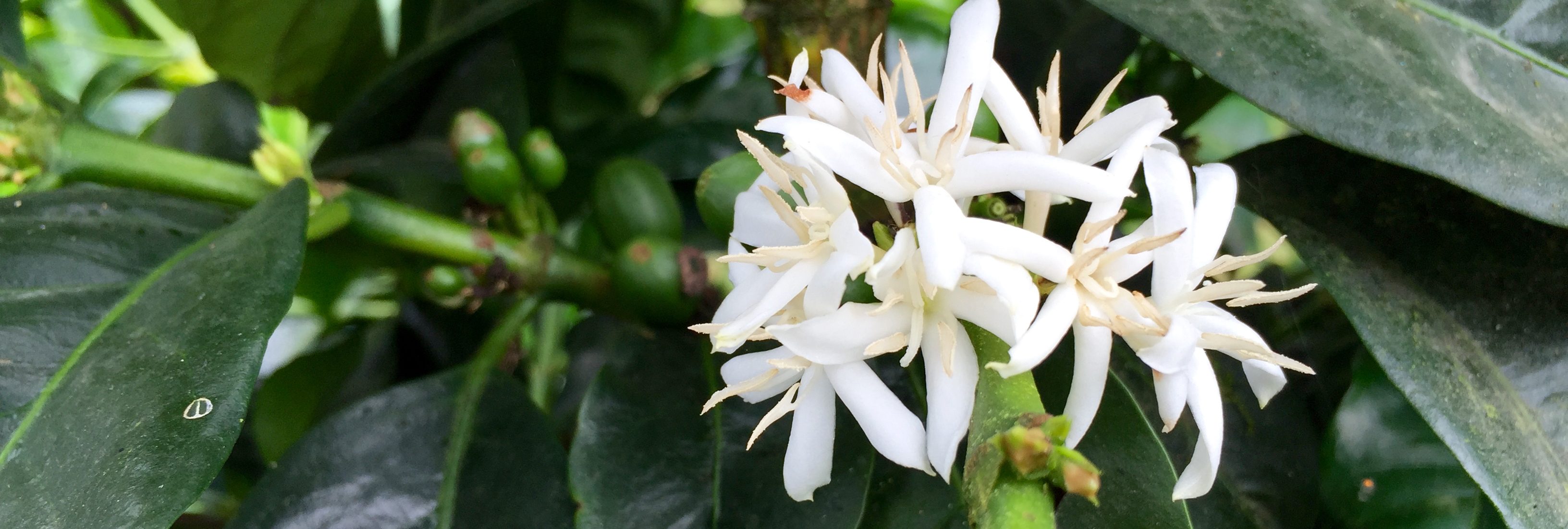
There are coffee regions we all know well, but there are also regions where violence, inaccessibility, and extreme poverty have severely hindered coffee production. In this post, we’ll highlight coffee-producing countries facing these challenges and explore how producers are persevering. We’ll also examine the role of baristas, nonprofit organizations, and international initiatives in helping make coffee from these regions viable, more profitable, and accessible to a wider market.

The specialty coffee culture in Nepal is still small. Until 2002, most farmers didn’t consider coffee a viable source of income. Limited market demand made it difficult for producers to invest in coffee as a main crop. However, by 2002, a substantial increase in both exports and domestic consumption encouraged farmers to view coffee as a potential major income source and gradually integrate into the specialty coffee market. Despite this progress, Nepal’s limited financial resources make it extremely challenging to acquire the equipment and infrastructure needed to meet international standards for high-quality beans. As a result, the Nepali specialty coffee market faces ongoing hurdles in both quality improvement and sustainable production.
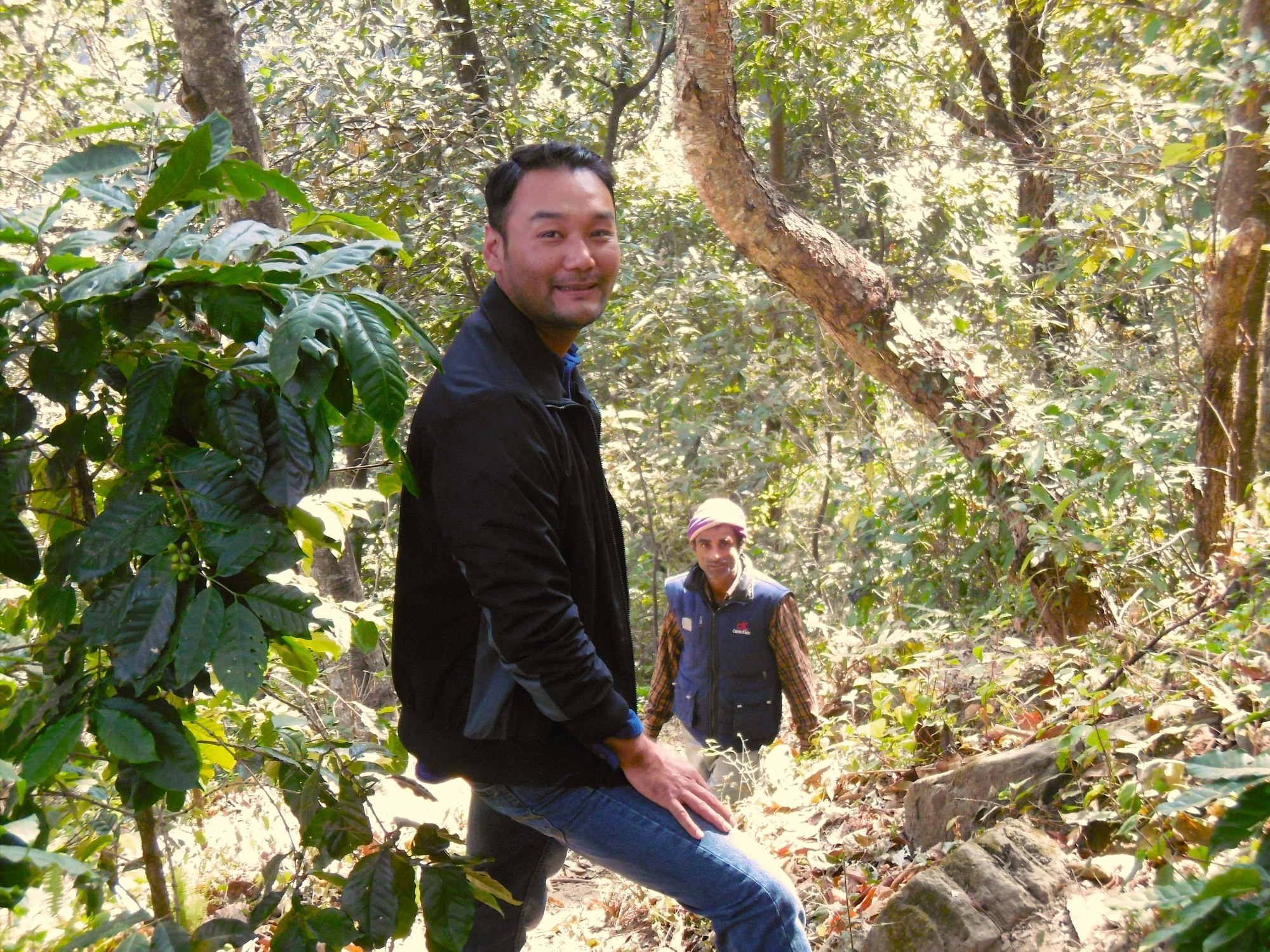
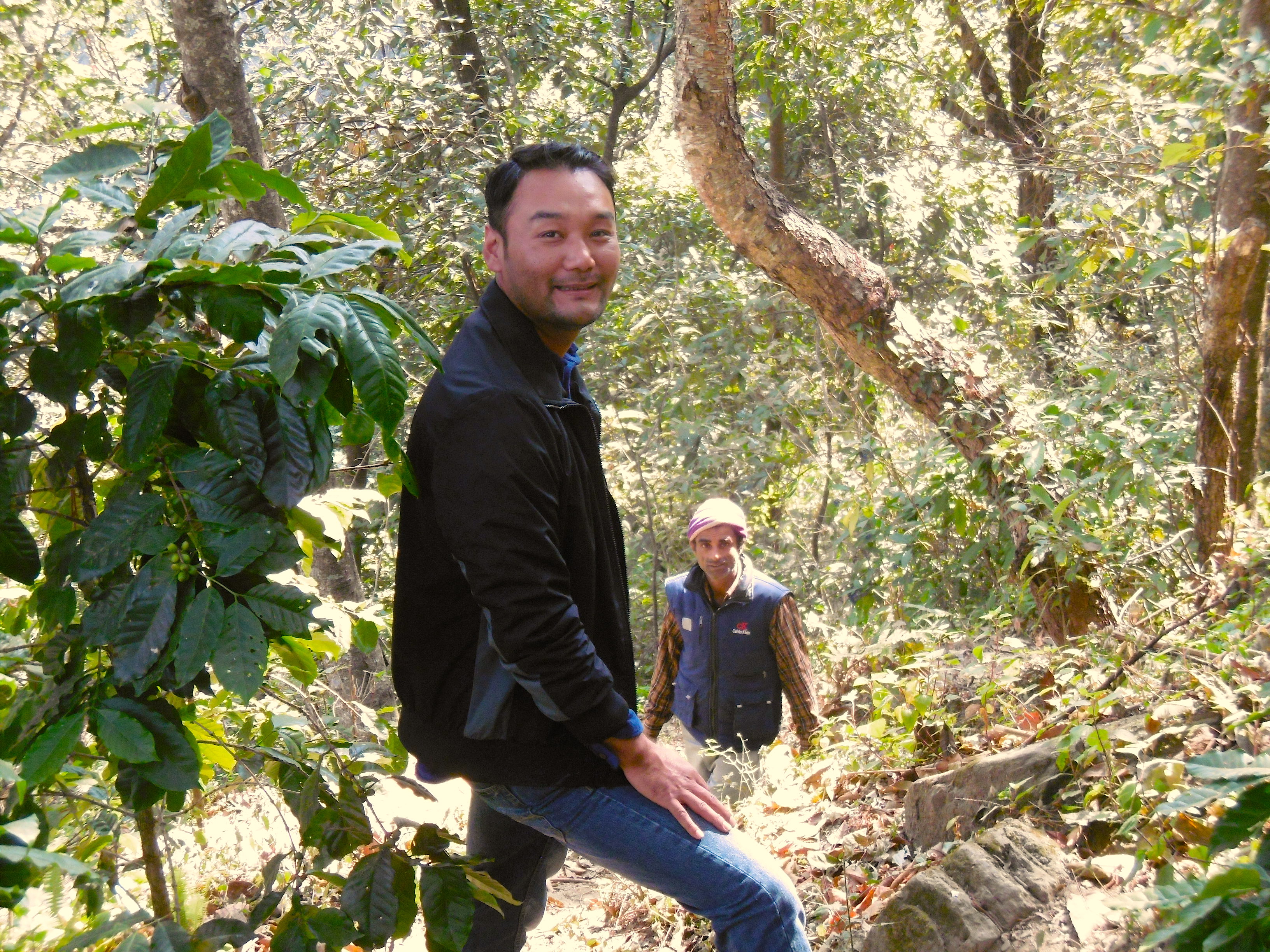
In early January, I had the opportunity to visit a coffee farm in Nepal and meet Nima Sherpa, the owner of the country’s only specialty coffee farm. After earning a degree in Business Administration in the U.S., Nima returned to Nepal with the mission of developing the specialty coffee market in his homeland. He is an exceptionally knowledgeable and passionate individual, dedicated to creating meaningful change in Nepal’s emerging coffee industry.
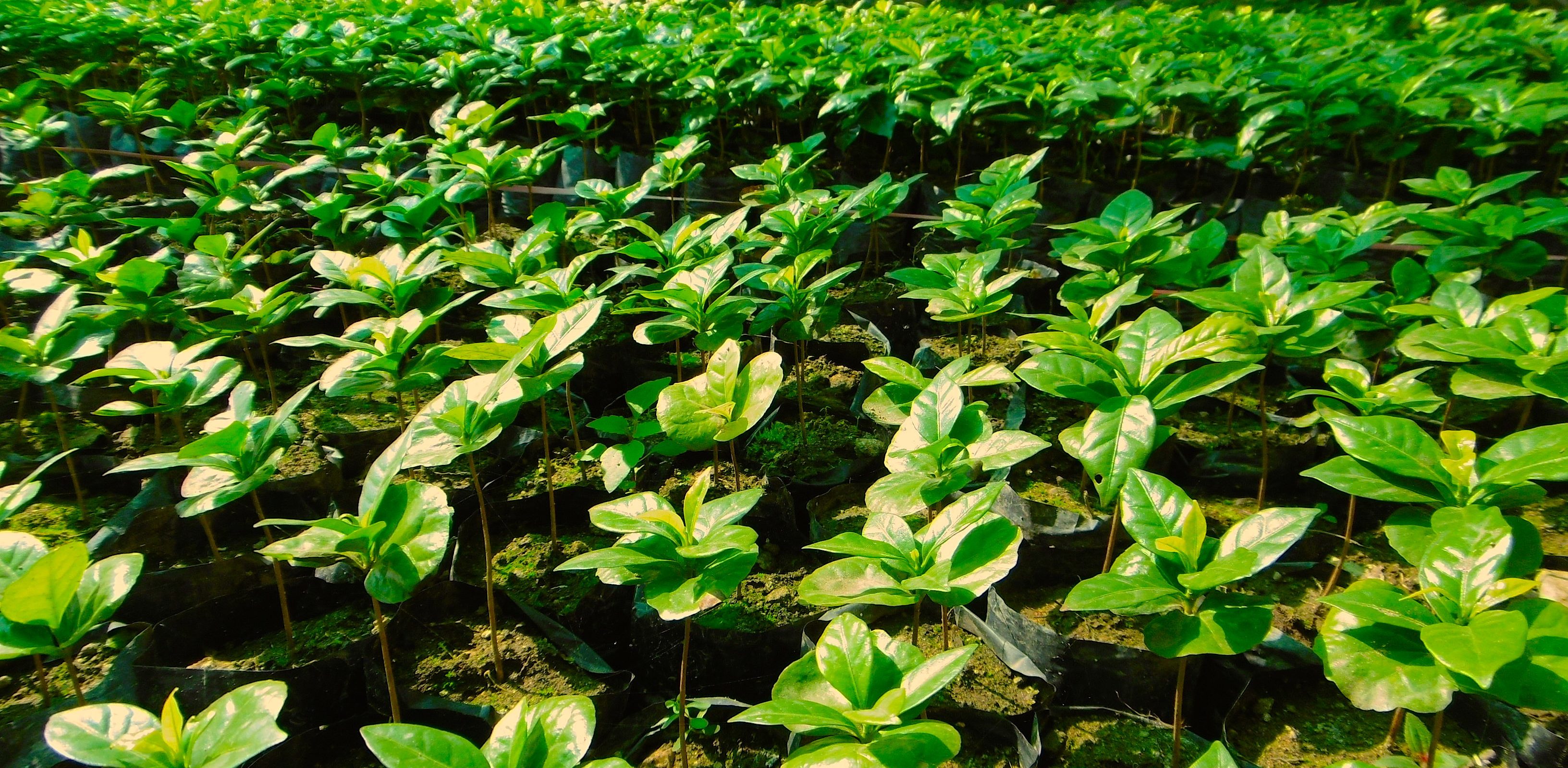
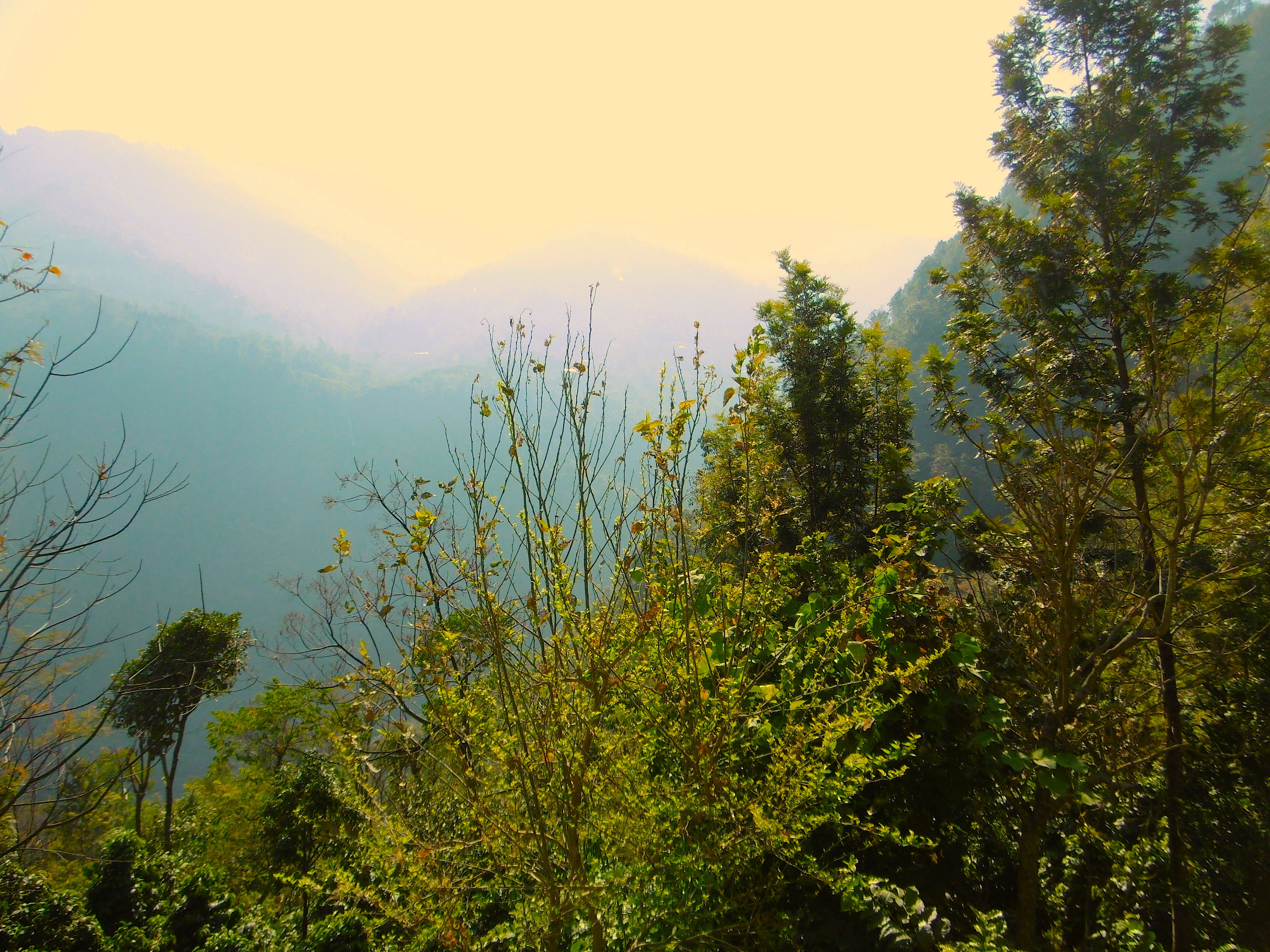
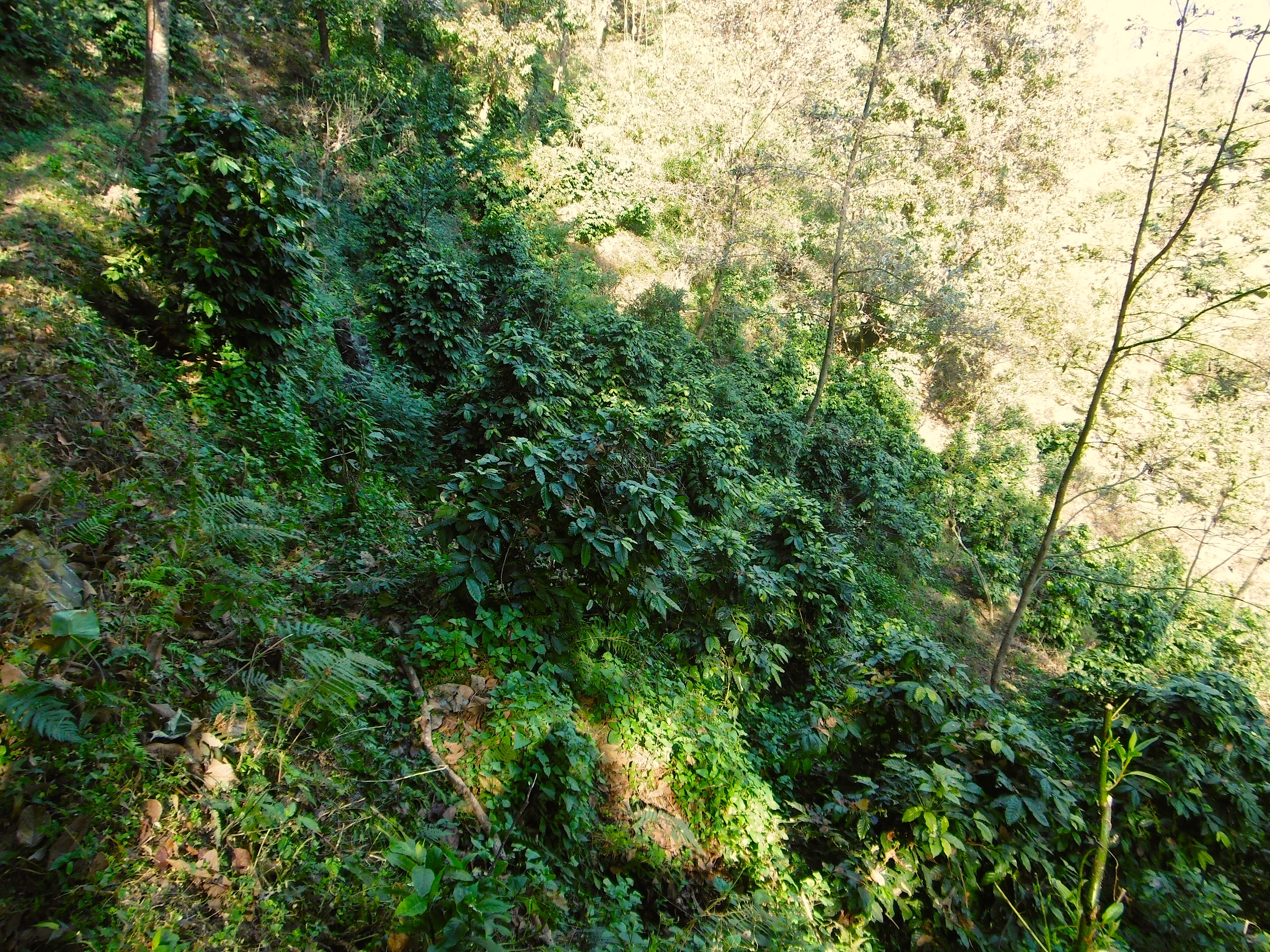
Nima Sherpa runs the only specialty coffee farm in Nepal. Around eight in the morning, he arrived on his motorbike to pick me up from the hotel and begin our journey. We traveled to Lekali Coffee Estate, located about two hours from Kathmandu on the slopes of Bhirkune Village in the Nuwakot district. The estate follows fully organic practices, using a natural mixture of cow manure, molasses, and decomposed tree leaves as fertilizer. The farm is planted entirely with Arabica coffee trees, nurtured carefully in Nepal’s high-altitude climate.
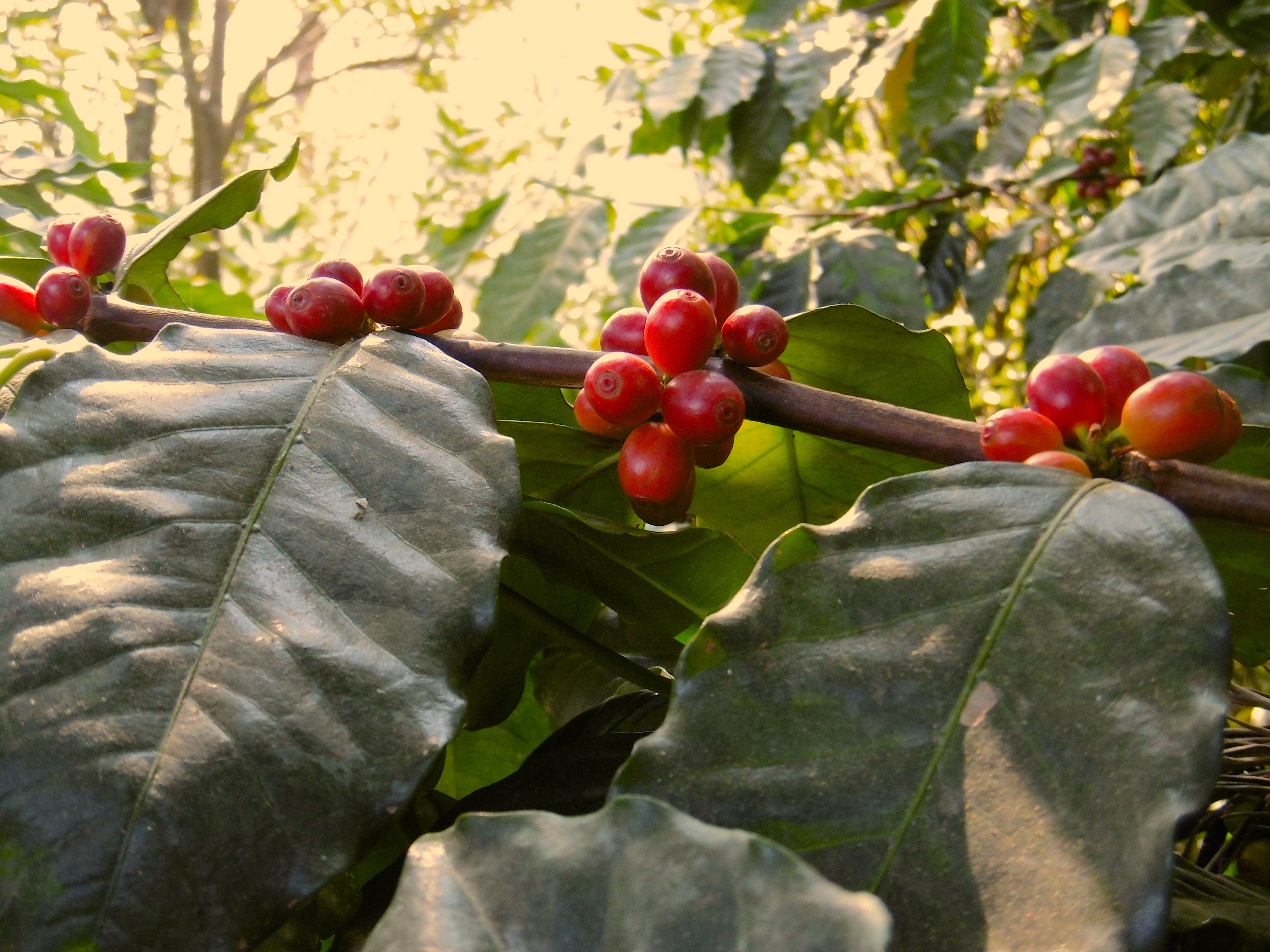
The most common varietals grown at Lekali Coffee Estate are Typica and Bourbon, though Nima also cultivates Caturra, with a few Pacamara plants scattered throughout the farm. Thanks to the estate’s diverse microclimates, even sections just a few meters apart experience slightly different temperatures, creating subtle variations in coffee development. Both shade-grown and sun-grown coffee can be found across the estate. Walking through the farm, I observed the dominant Arabica varietals—Typica and Caturra—alongside the occasional Bourbon and Pacamara.
The estate primarily employs the washed processing method. Coffee pickers are carefully trained to select only ripe cherries at their peak of maturation. After harvesting, the cherries are depulped and the mucilage layer removed, followed by a fermentation process that breaks down any remaining mucilage. Once fermentation is complete, the beans are pre-dried to remove surface moisture and then carefully dried on raised beds until they reach a final moisture content of 12 percent. This slow and meticulous drying ensures the beans retain their complex flavors and high quality.

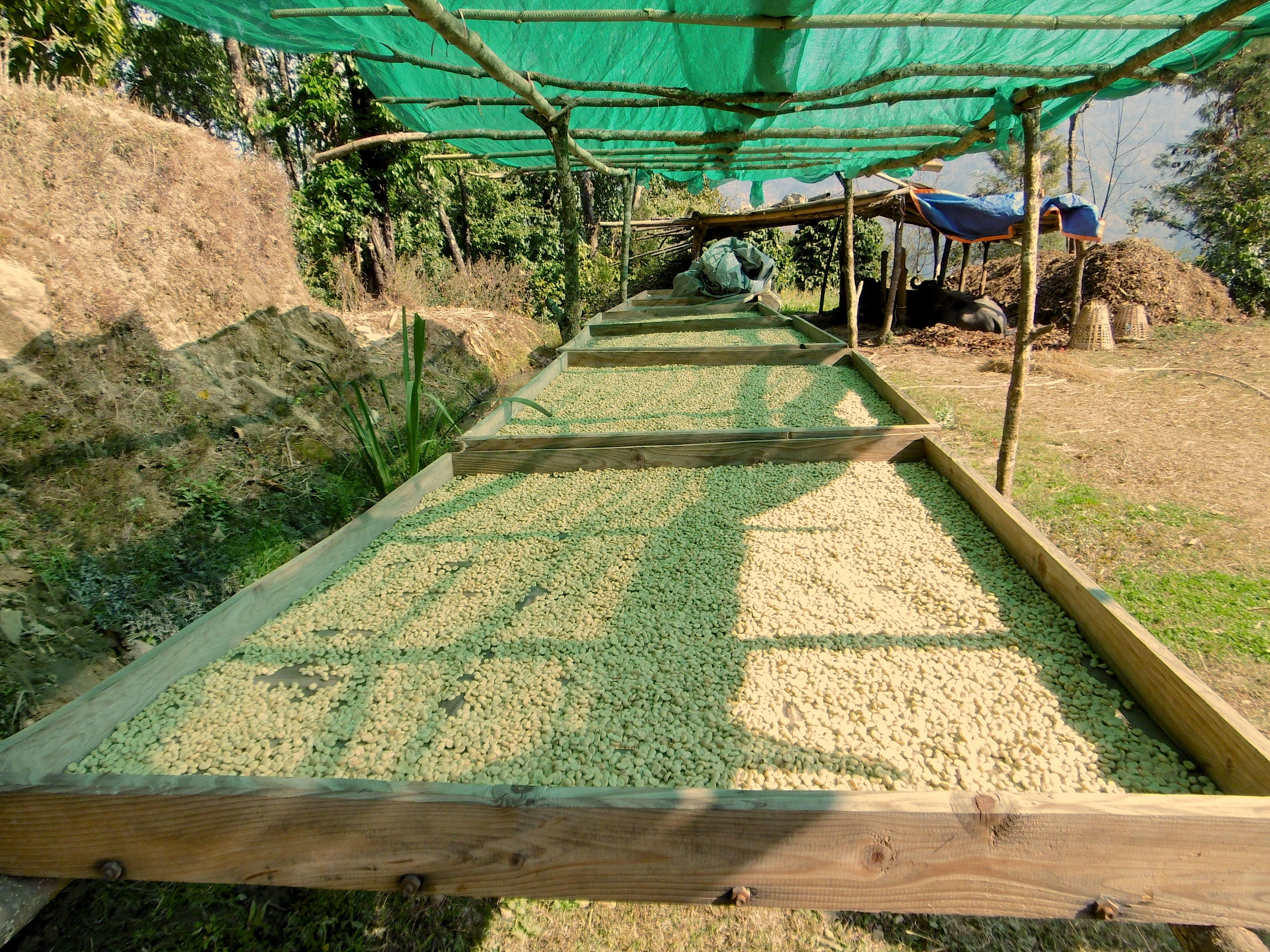
Most coffees in Nepal are fully washed, depulped, and dried on raised beds, laying the foundation for exceptional quality. Yet, the specialty coffee scene in Nepal is still in its early stages of development. Nima Sherpa stands out as one of the few pioneers working to transform the industry, but he cannot do it alone. Despite his dedication, there is very little support from international NGOs or government programs to help improve coffee quality and expand the market.
Recently, the Coffee Quality Institute, in collaboration with USAID, has made notable strides in improving specialty coffee in Myanmar. If such targeted investments and training programs can elevate Myanmar’s coffee sector, there is no reason Nepal could not see similar improvements. With a structured plan to provide assistance, train farmers, and establish Q Grader examinations in Nepal, both the specialty coffee market and local communities would benefit. Empowering Nepalese farmers would not only improve the quality of coffee but also strengthen livelihoods and create sustainable economic opportunities.

There’s still much work to be done in Nepal, and investment from NGOs and government organizations could make a significant difference in growing and sustaining the coffee market. If you want to experience coffee from Nepal, you can contact Nima Sherpa directly—he is always happy to guide enthusiasts through the unique flavors and story of Nepali coffee. Supporting coffee producers is essential; without them, we wouldn’t have the high-quality coffee we enjoy every day. To help or learn more about Lekali Coffee Estate, reach out to Nima at info@lekalicoffee.com
Article by Mikhail Sebastian Okunuga. World barista traveler, coffee educator, barista trainer, author, coffee farmer consultant. Spent one month of February, 2017 in Nepal assisting Lekali Coffee Estate.
COFFEE MAGAZINE:
Specialty Coffee in Nepal: A hidden treasure in the Himalayas
 Coffee @ Farmer
You must be logged in to post a comment.