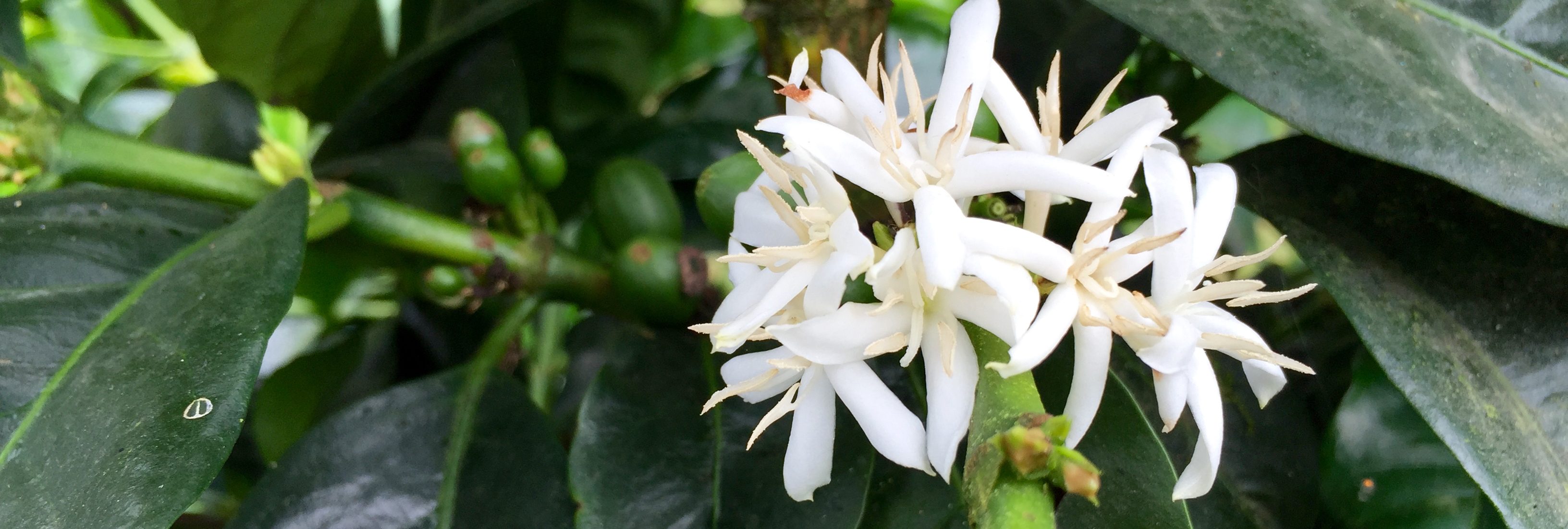
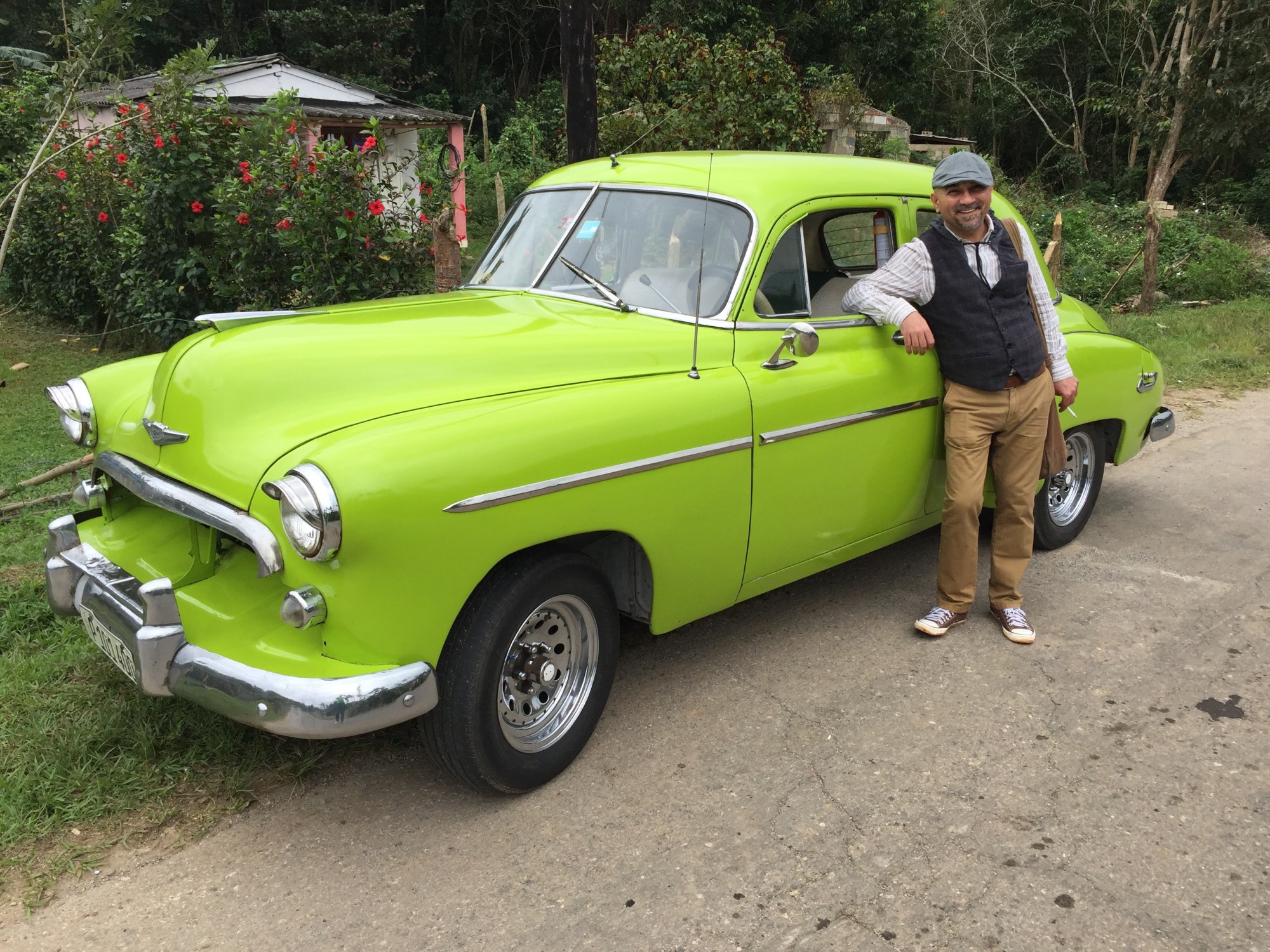
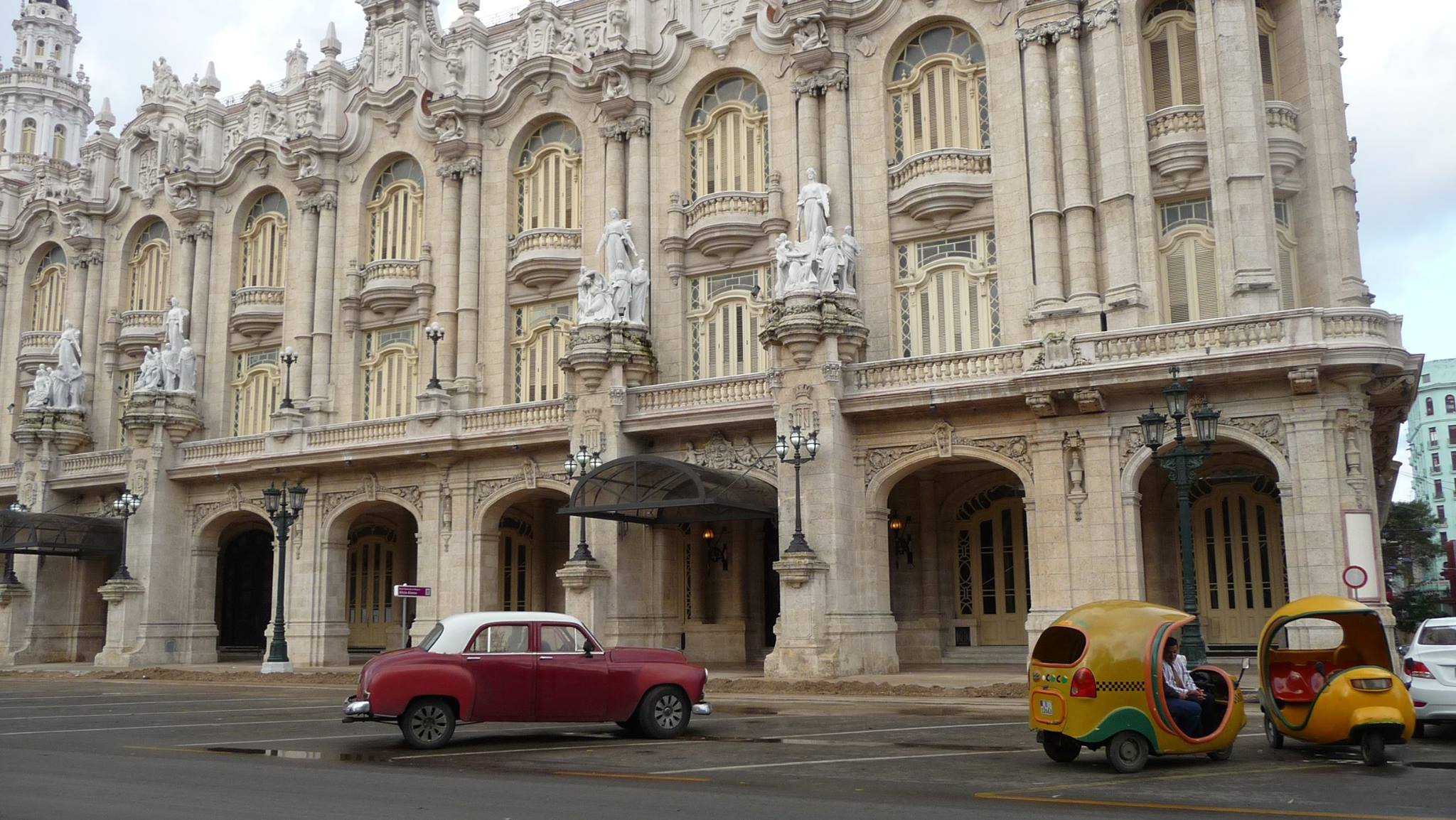
Cuba is the most fascinating country to visit, and not due to embargo and disgraceful economic blockade imposed by imperialistic American Government but for its charm, beauty, warm hospitality, and pride of Cuban people to preserve their identity in spite of American failure to take down the Castro regime and impose its own capitalistic ideology to the nation who stands firmly to defend socialism and to protect the integrity of Cuban people.
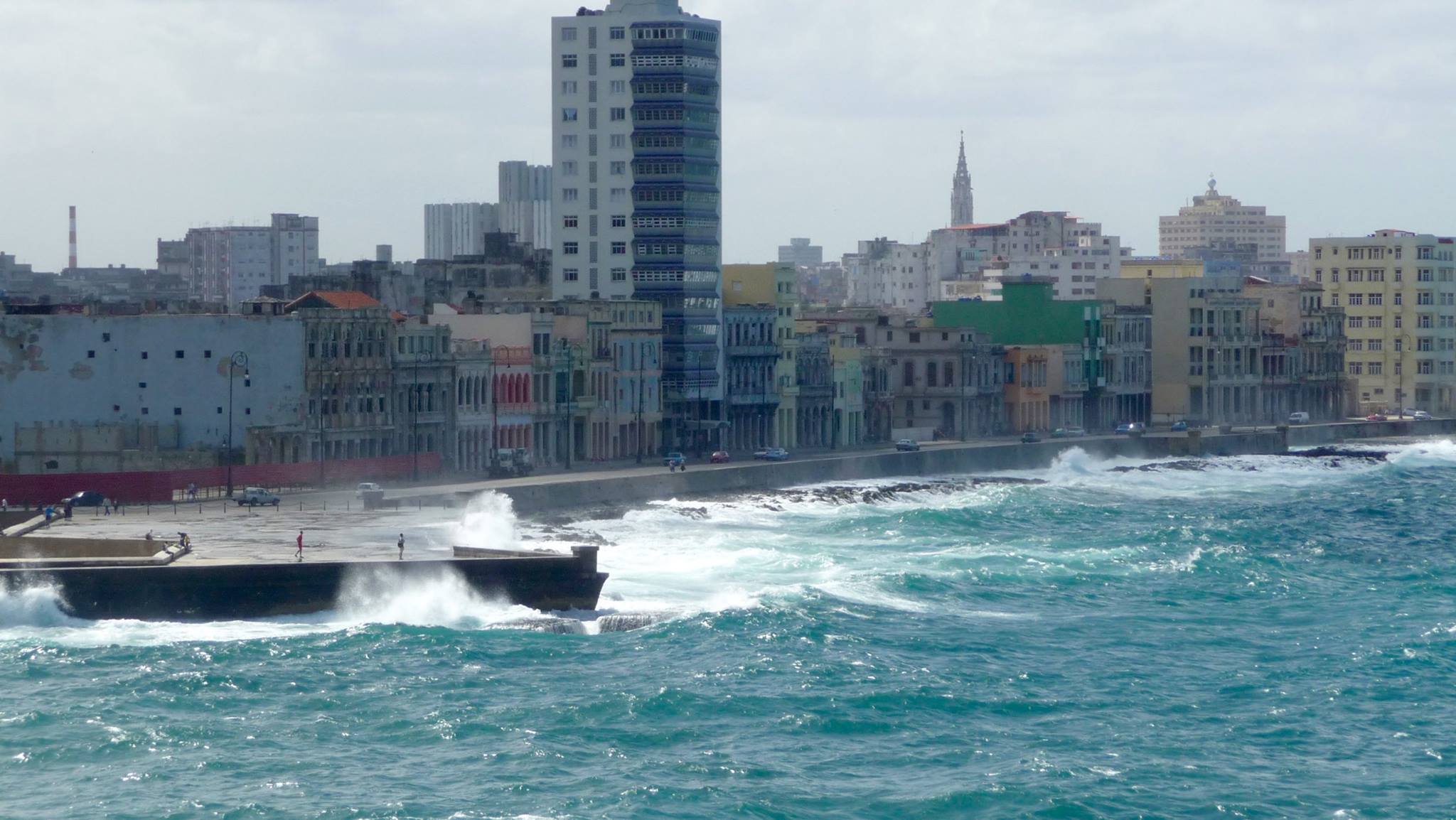
Cuba is the largest independent country in the Caribbean, located south of the U.S. and the Bahamas, west of Haiti, and north of Jamaica. Culturally, it is part of Latin America, with a rich diversity and a multiethnic population. Economically, Cuba faces many obstacles due to the ongoing U.S. embargo, and poverty remains visible in much of the capital, Havana. However, with recent reforms introduced by President Raul Castro, the country is on a path of gradual development aimed at long-term benefits. Private enterprise is growing, particularly in the hospitality and food sectors. Increasingly, Cubans are running licensed private AirB&B lodgings and small restaurants, often converting living rooms of their homes into eateries known as “paladares.”
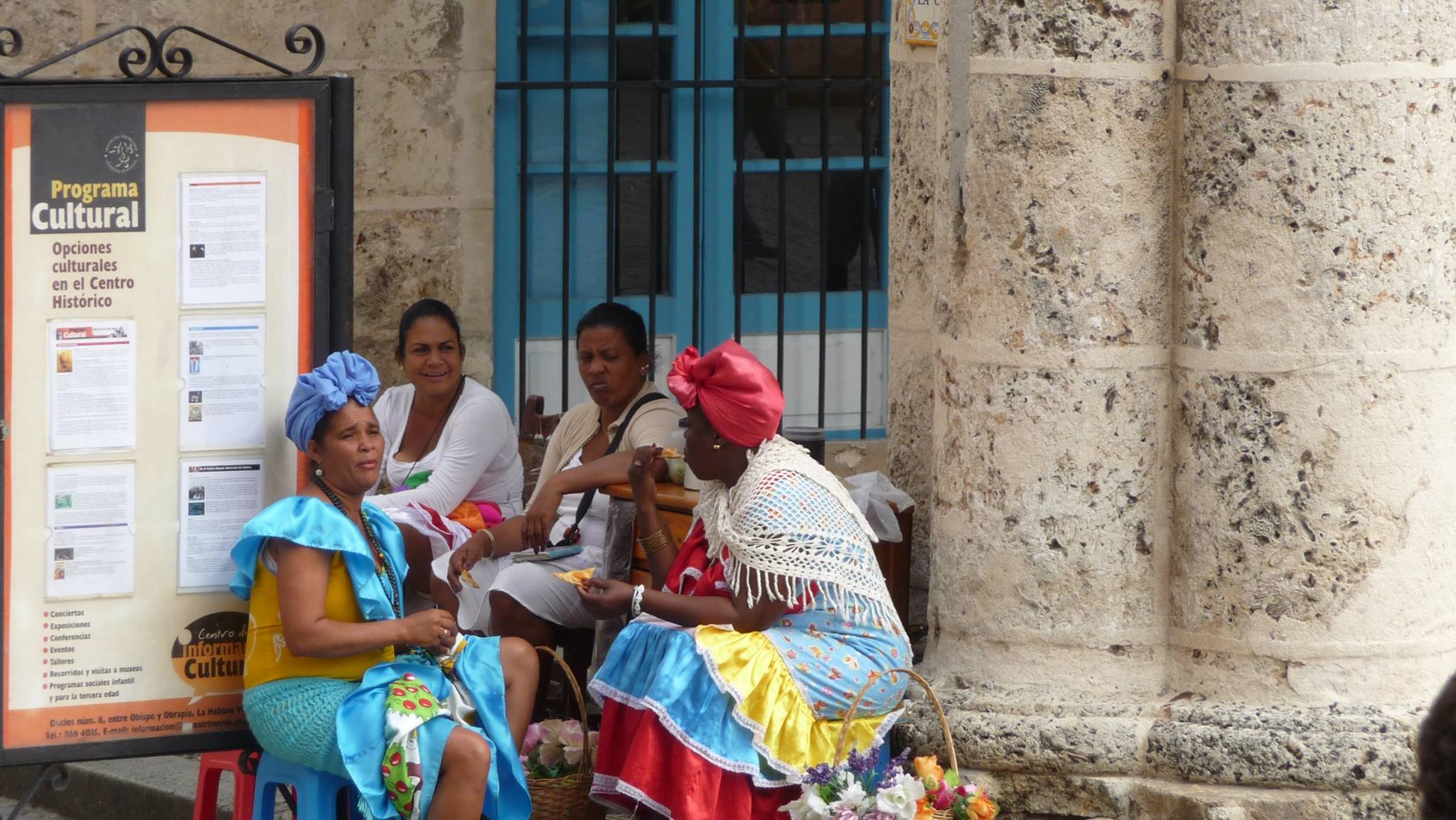
But let’s get to the main reason I brought up Cuba: coffee, and the struggle of the Cuban coffee industry to reclaim its former prominence as a producer and exporter. Before I landed in Havana in January 2016, I researched the history and challenges behind Cuban coffee. Coffee was first grown in Cuba in the mid-18th century, introduced by French farmers fleeing the Haitian Revolution. During that upheaval, slavery was abolished in Haiti, which became the first independent Black republic, and French colonists sought refuge in Cuba, bringing their coffee expertise with them. Even earlier, in 1748, Don José Antonio Gelabert is credited with introducing coffee to the island by bringing seeds from Santo Domingo.
Thanks to Cuba’s fertile soil and ideal climate, Arabica coffee thrived, becoming one of the country’s major cash crops. Historical records show that by the mid-19th and early 20th centuries, Cuban coffee had a distinctive profile—lush, elegant, and aromatic—and production grew steadily, reaching approximately 22,000 tons per year by the mid-1950s. However, following the revolution that overthrew the Batista regime, the coffee industry was nationalized. Farmers lost their private lands and the incentives to sustain production; the private sector, which once drove economic growth and quality, was dismantled. Without ownership, competition, or motivation, Cuban coffee production declined sharply.
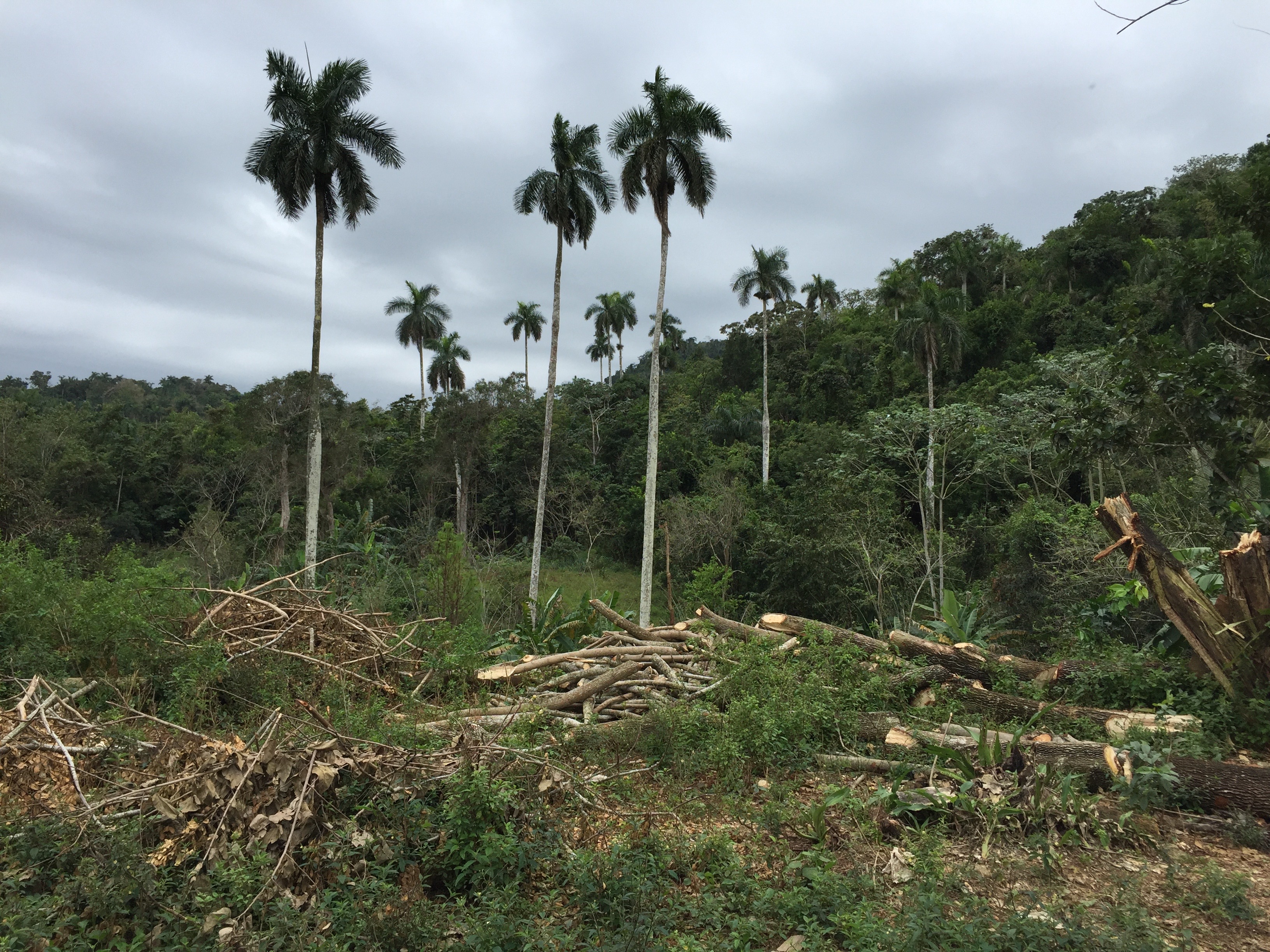
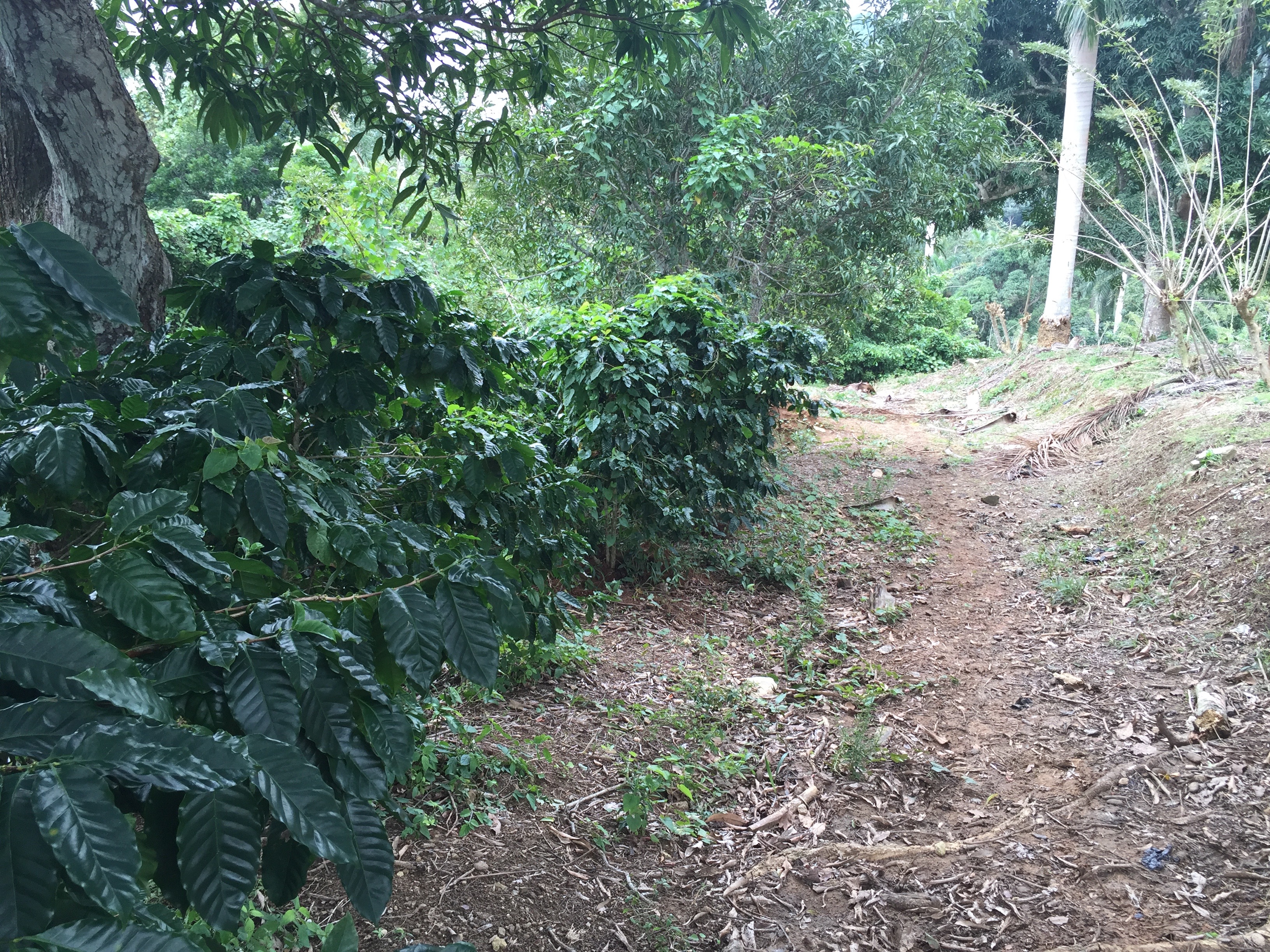
When I arrived in Cuba, my main purpose was to learn more about the coffee sector and understand the struggles and burdens this Caribbean island faces. I didn’t know exactly what to expect, but my eagerness to learn and be part of the emerging specialty coffee movement motivated me to embark on the journey and gather as much first-hand information as possible.
All coffee in Cuba is controlled and exported by the government agency Cubaexport, established in 1965 under the Ministry of Foreign Trade to regulate agricultural exports. I did not have the opportunity to visit any milling or washing stations, as visiting government-owned mills requires special permission from the Department of Agriculture. With limited time and the bureaucratic process being lengthy, I decided to take a more practical approach: I hired a taxi to drive me from Havana to Cuba’s westernmost province, Pinar del Río, a region famous not only for its coffee but also for producing some of the finest Cuban tobacco.
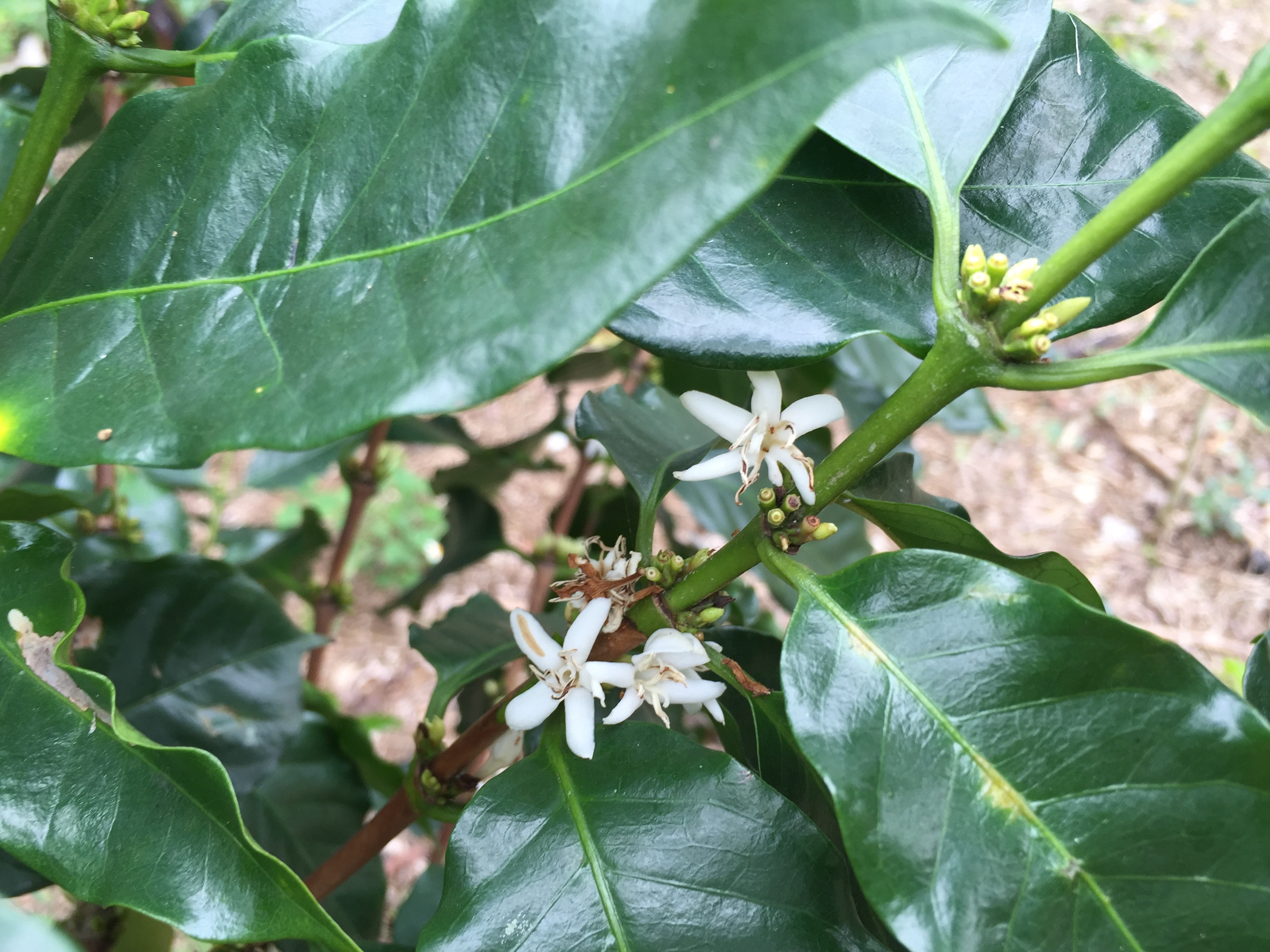
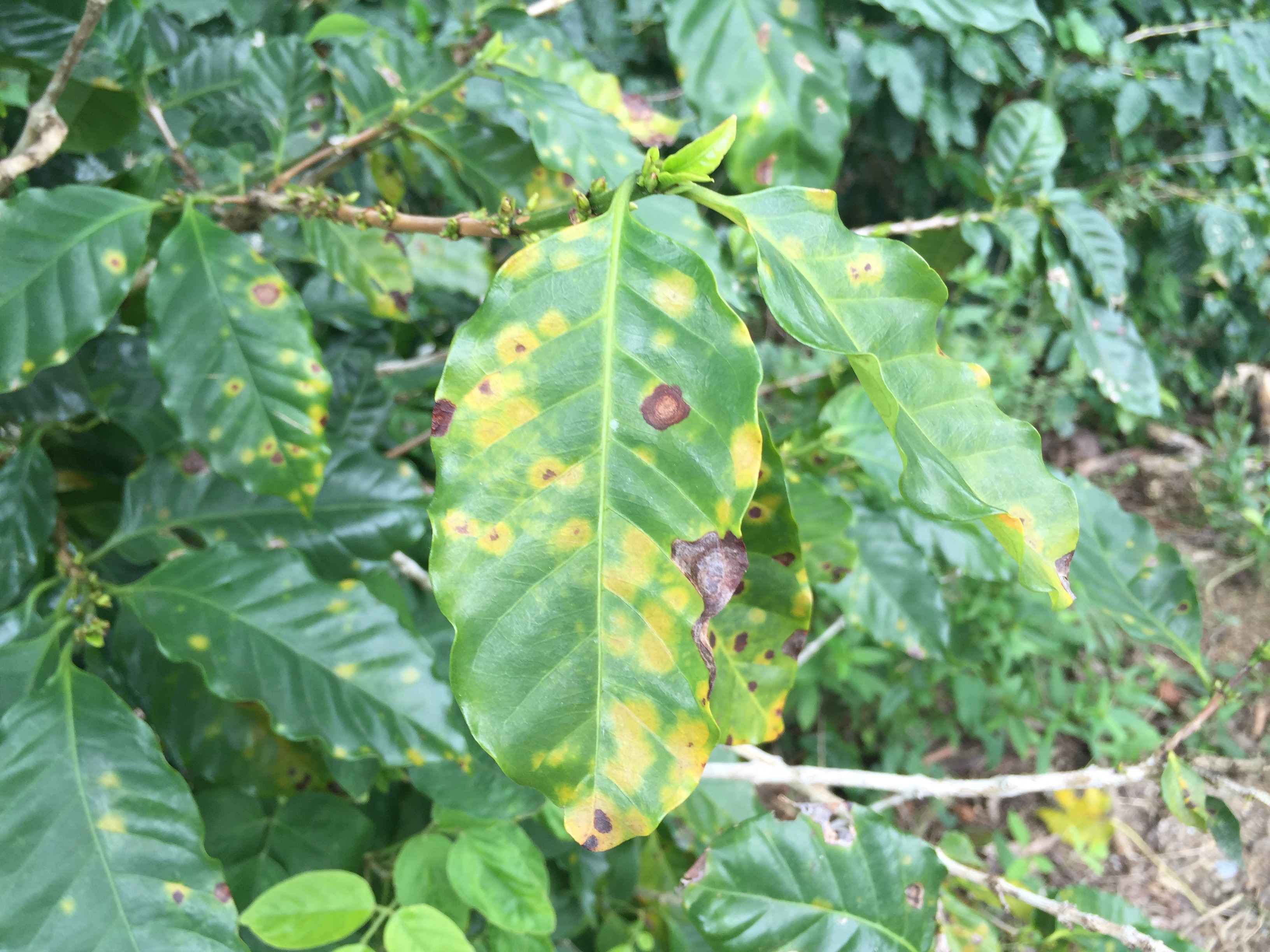
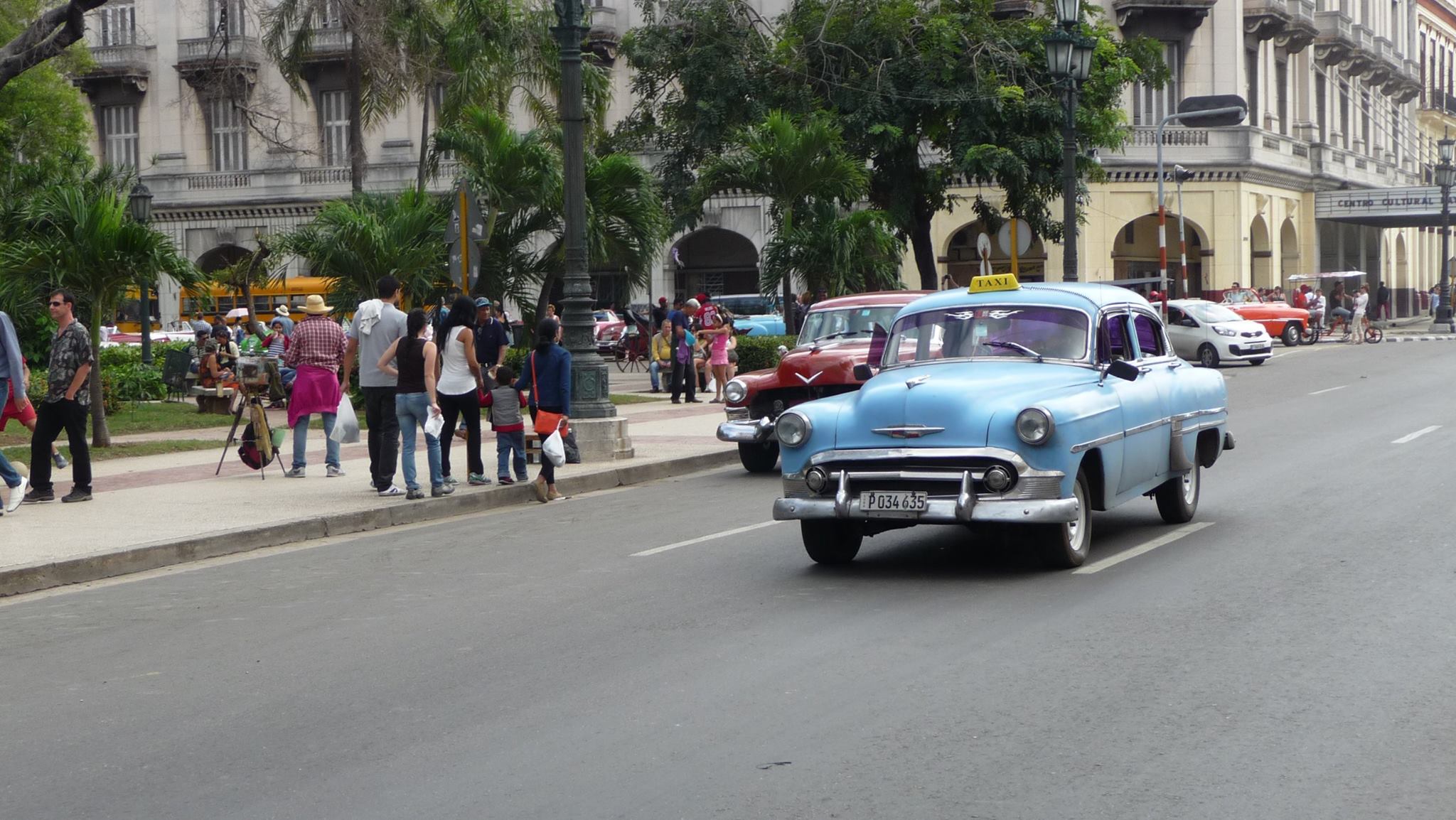
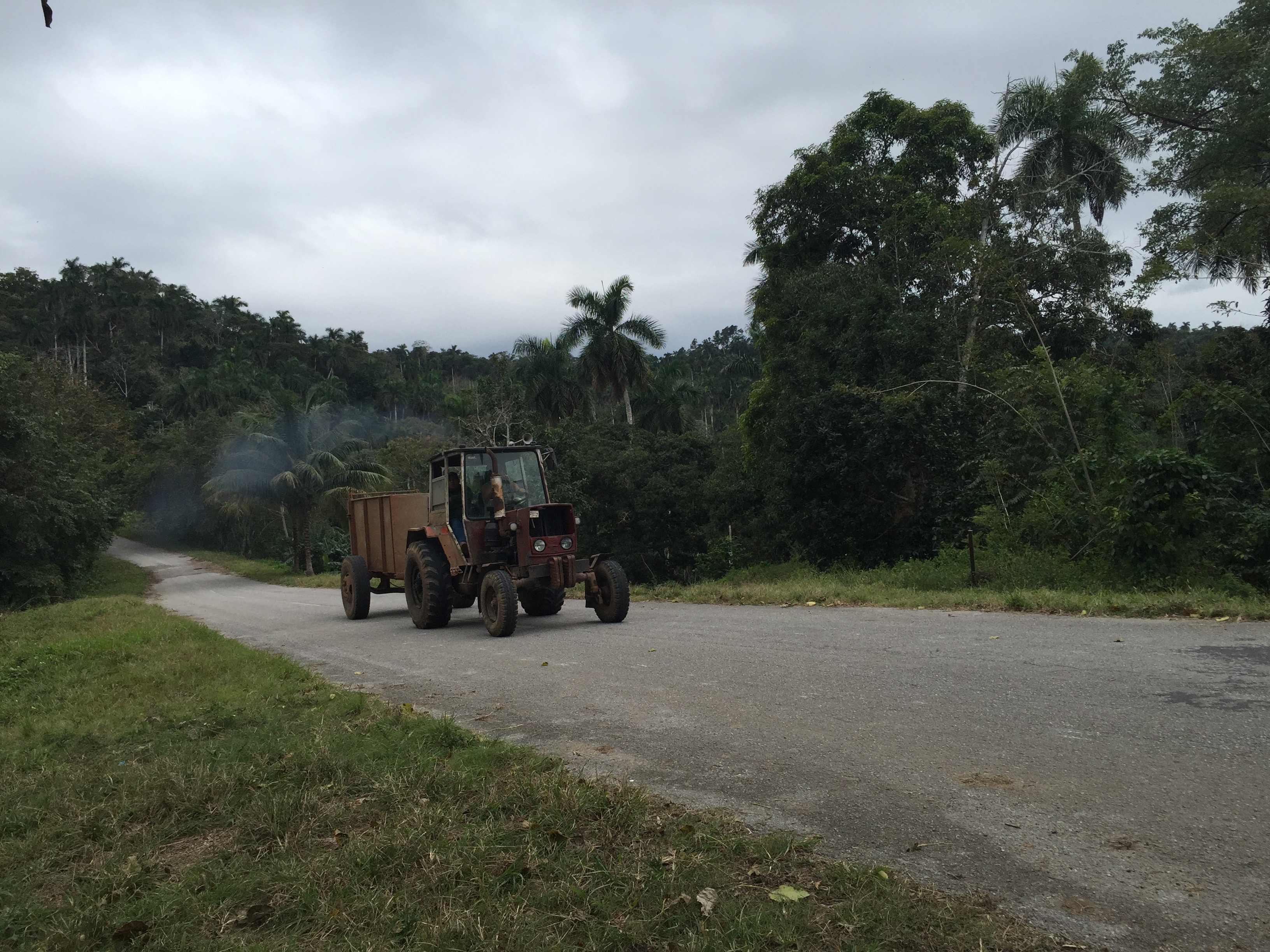
Rough and bumpy roads made reaching Cuba’s coffee farm areas a challenge, as infrastructure is poorly developed and the main source of transport for locals often relies on mules. These difficult roads add another layer of hardship to the already labor-intensive work on Pinar del Río’s coffee plantations. After driving about an hour and a half from Havana in a classic 1950s American car, I finally arrived—and my heart sank at what I saw.
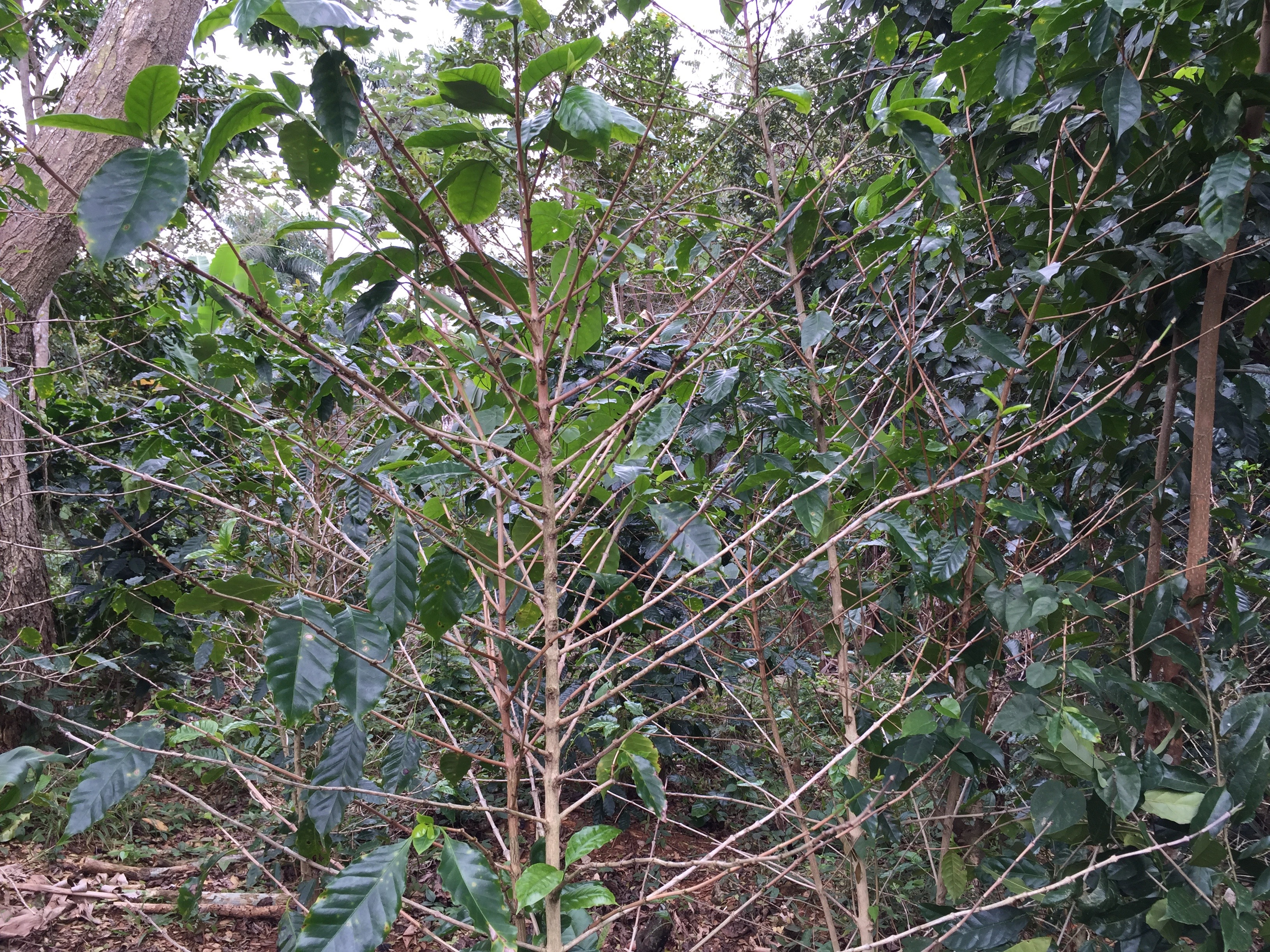
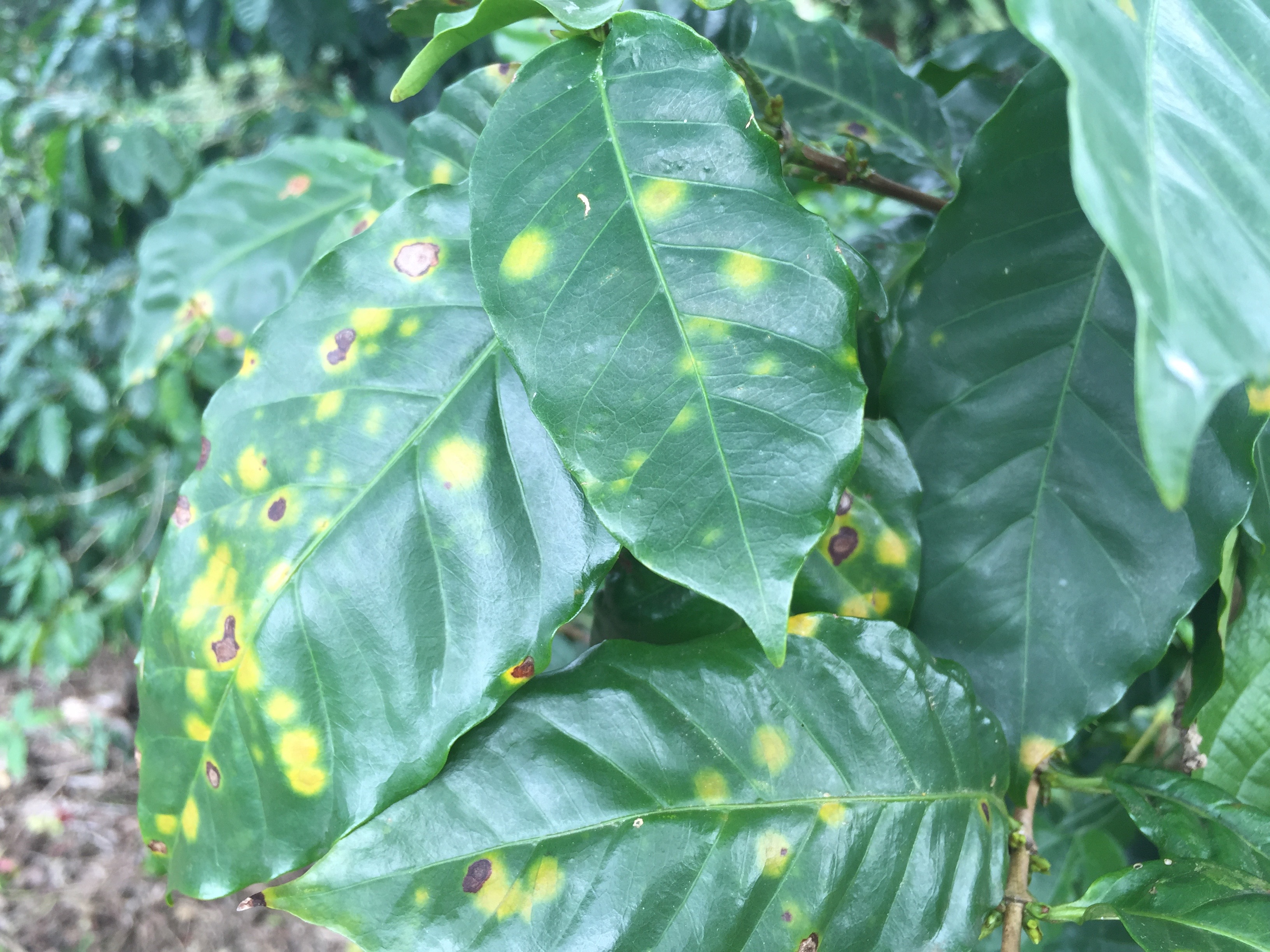
The outbreak of La Roya, or coffee leaf rust (Hemileia vastatrix), is a severe threat that can devastate most coffee plantations in Cuba if not properly managed. Leaf rust was first reported in Sri Lanka in 1867 and historically caused catastrophic damage to the country’s coffee sector. The fungus attacks coffee leaves, showing yellow spots that gradually enlarge and destroy the foliage. Organic treatments and fertilizers are largely unavailable, leaving chemical fungicides—the toxic substances used to combat the rust—as the only option.
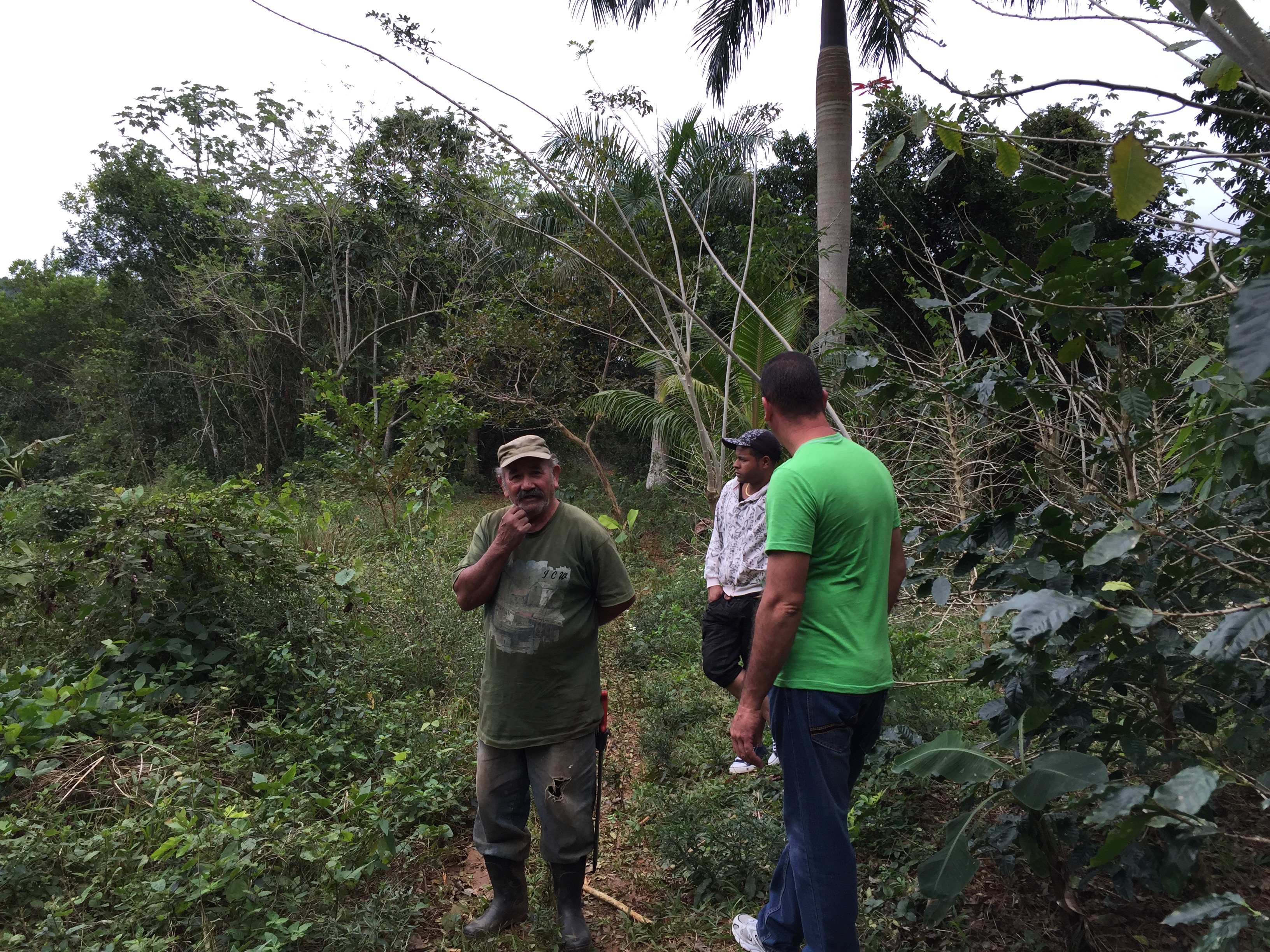
Even under Cuba’s government-controlled system, the spread of La Roya is relentless. As one farmer explained, the use of chemicals is mandatory but often yields only modest results. For this reason, the primary varietal currently grown in Cuba is Catimor, a cross between Robusta Timor and Arabica Caturra, with some Robusta planted as well. While Catimor is resistant to coffee berry disease, it demands heavy fertilization and produces a less complex flavor profile, making it difficult to gain acclaim in the specialty coffee market.
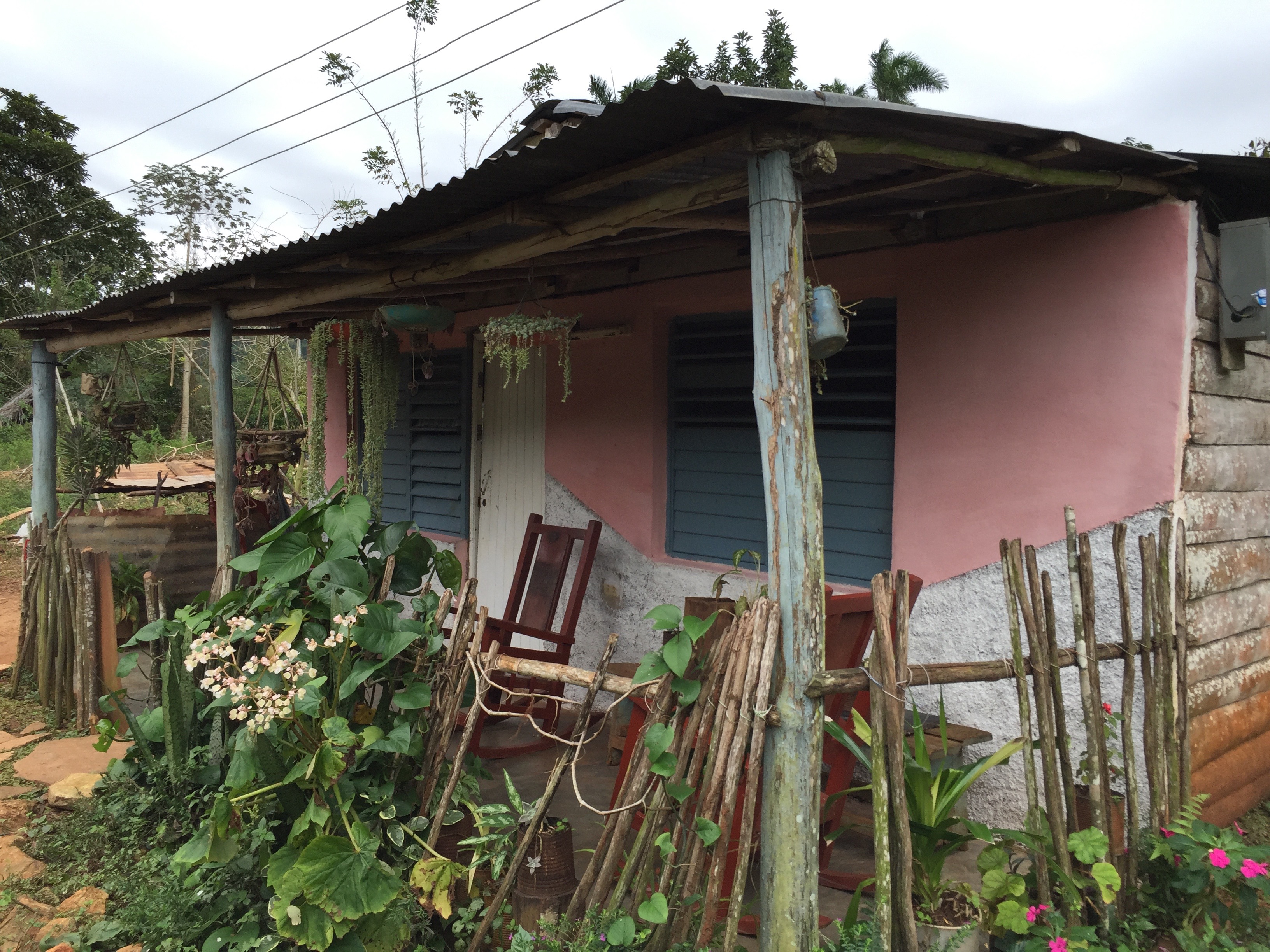
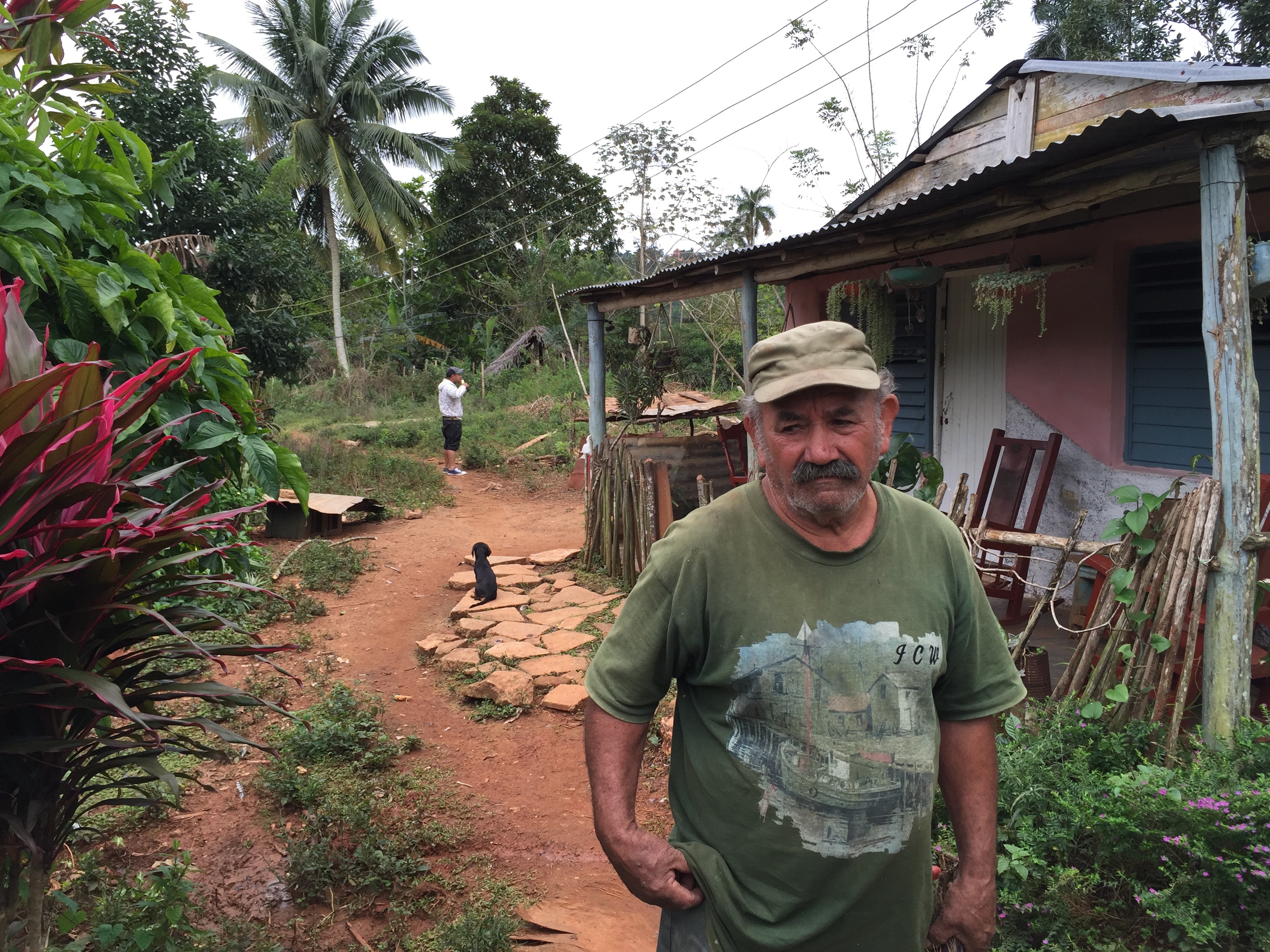
A new approach to reviving Cuba’s coffee market has been spearheaded by former British Member of Parliament Phillip Oppenheim, who provides his own financial support to help rebuild what he calls the “specialty” coffee sector in Cuba. In 2014, I conducted an interview with Mr. Oppenheim about the Cuban specialty coffee market. He explained:
“The Cubans have taken some national measures recently, such as raising prices and providing equipment. Our project is due to start as soon as it is signed off and includes improved and new labs for testing and cupping, better logistics ranging from new vehicles to support for mule breeding, training programs, nurseries, and processing equipment from micro-depulpers up to large central depulpers. The final sorting and bagging plant is relatively new, so there is no investment planned for that.”
I had been eager to meet Mr. Oppenheim in Havana to learn more firsthand, but due to schedule conflicts, our paths unfortunately did not cross.
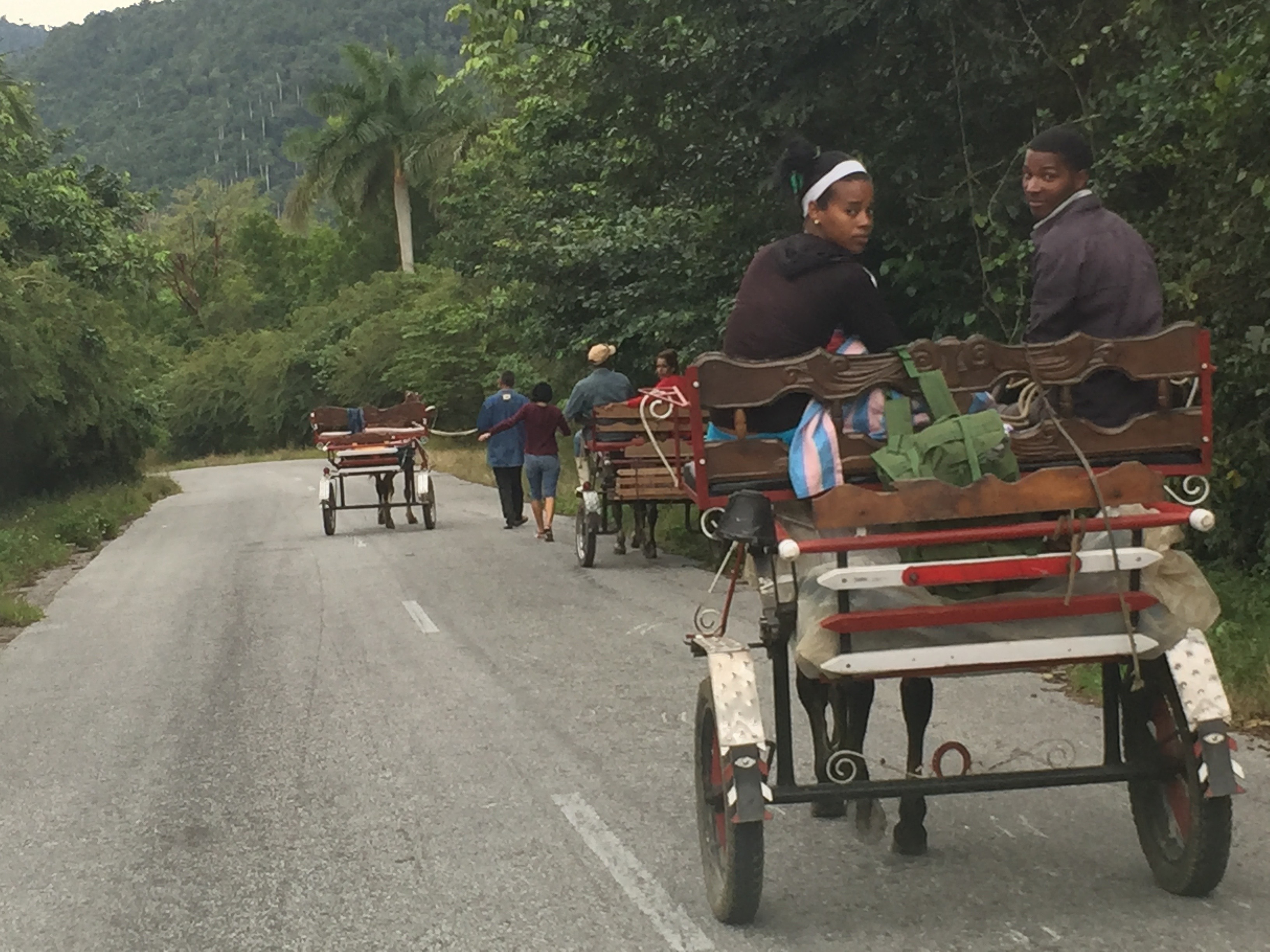
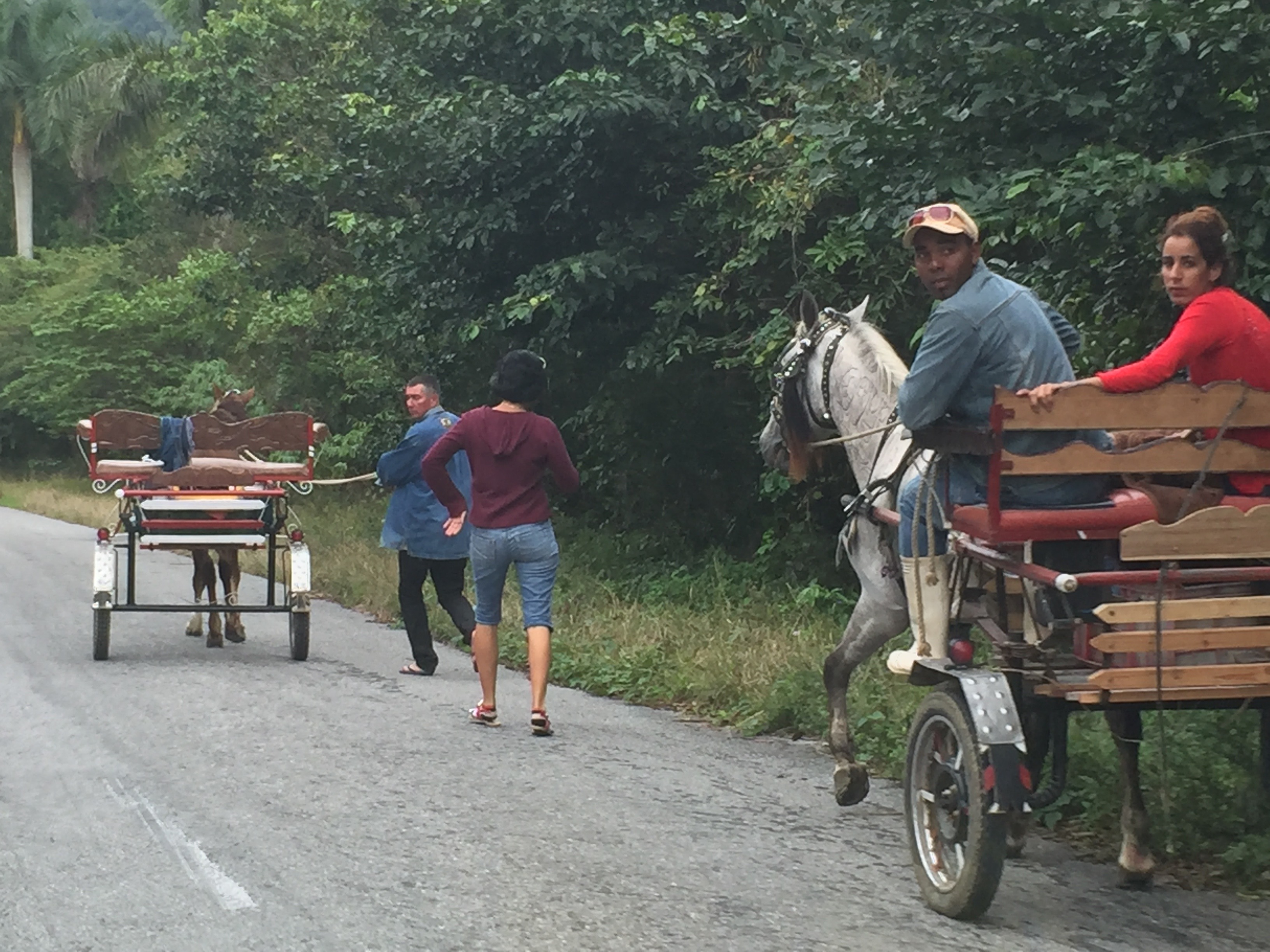
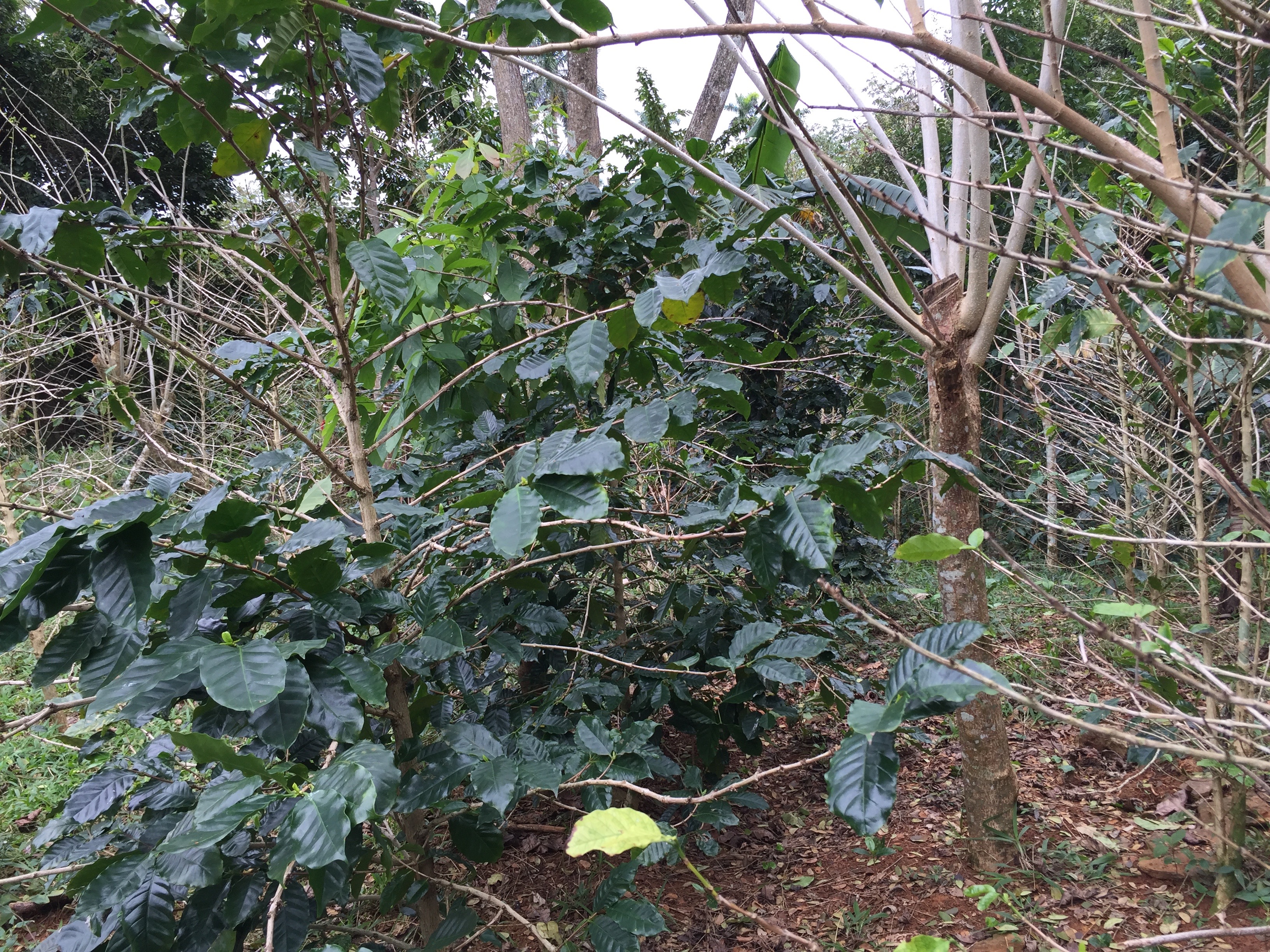
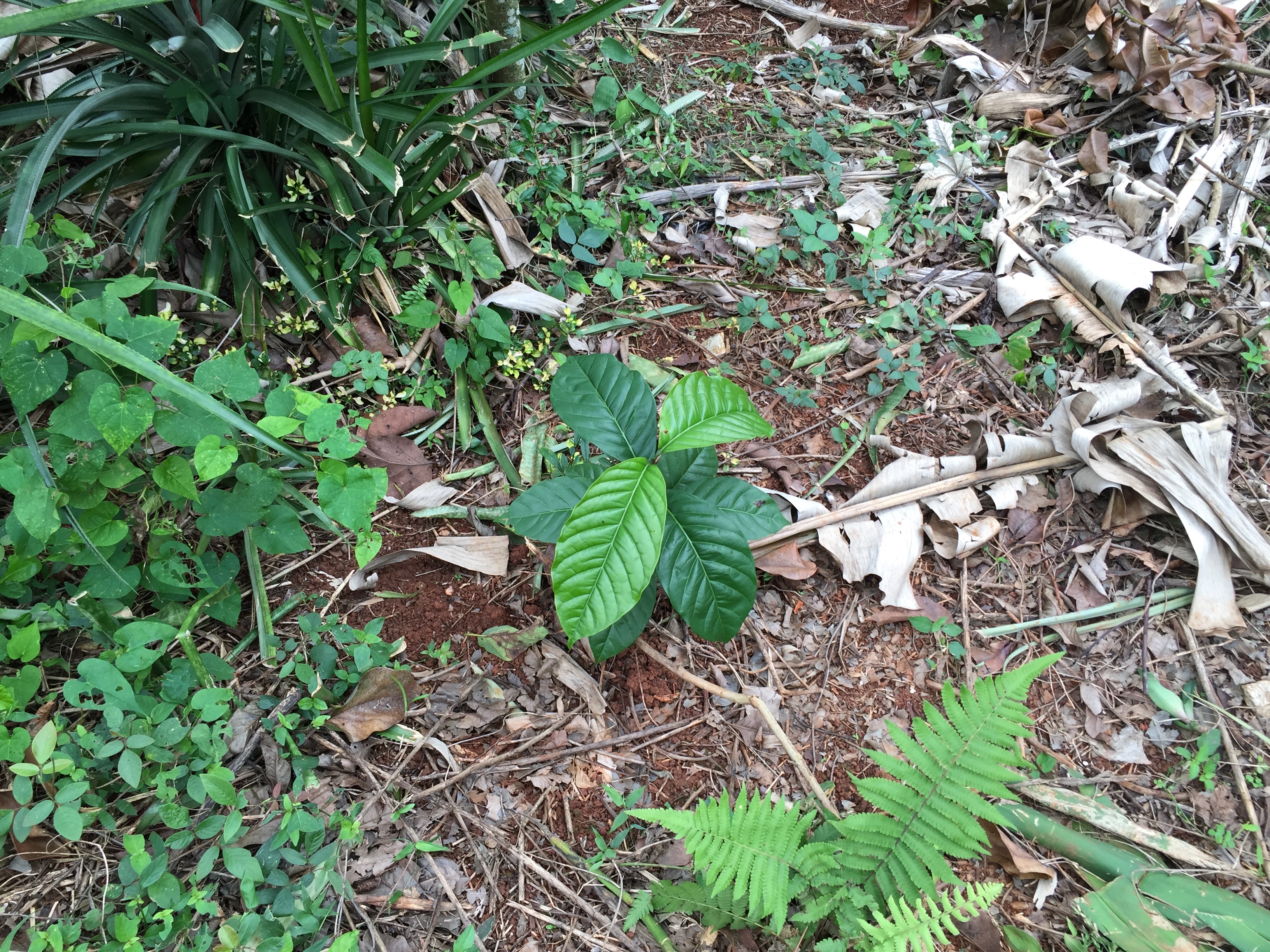
Coffee consumption in Cuba is high, but production does not meet demand. As a result, I was told, the Cuban government imports coffee from other regions, such as Guatemala and Mexico, and blends it with local coffee to satisfy the highly caffeinated population. Cuba has enormous potential to enter the specialty coffee market, but a lack of financial support and resources holds production back. On top of that, the widespread threat of leaf rust requires significant investment to combat—something that Cuban farmers and the government simply cannot afford. With more enthusiastic investors like Mr. Oppenheim, or NGOs willing to take risks to revive Cuba’s coffee market, the country could produce higher yields and superior quality coffee, potentially positioning Cuban coffee alongside the world’s leading producers. As Mr. Oppenheim noted, “Cuban coffee is sustainable as it is pretty much all currently grown with very low inputs and shade grown in forests.”
Currently, there are no true specialty coffee shops in Cuba. Most local baristas lack knowledge of proper brewing techniques or espresso extraction. Limited and costly internet access makes it difficult for Cubans to keep up with global trends, so barista work is often treated as just a regular job rather than a profession requiring skill and continuous learning. Walking through Havana’s cafés, I saw firsthand that poor equipment, inadequate attention to cleanliness, and lack of focus on coffee preparation make Cuban coffee less appealing to specialty coffee enthusiasts.
However, with new opportunities, international cooperation, and knowledge exchange—particularly between the U.S. and Cuba—these challenges could be overcome. Establishing the first specialty coffee school in Cuba would provide proper training, elevate the barista profession, and create meaningful jobs in the local coffee industry. This could not only strengthen Cuba’s specialty coffee market but also offer young Cubans viable economic opportunities at home rather than feeling compelled to leave the country for better prospects abroad.
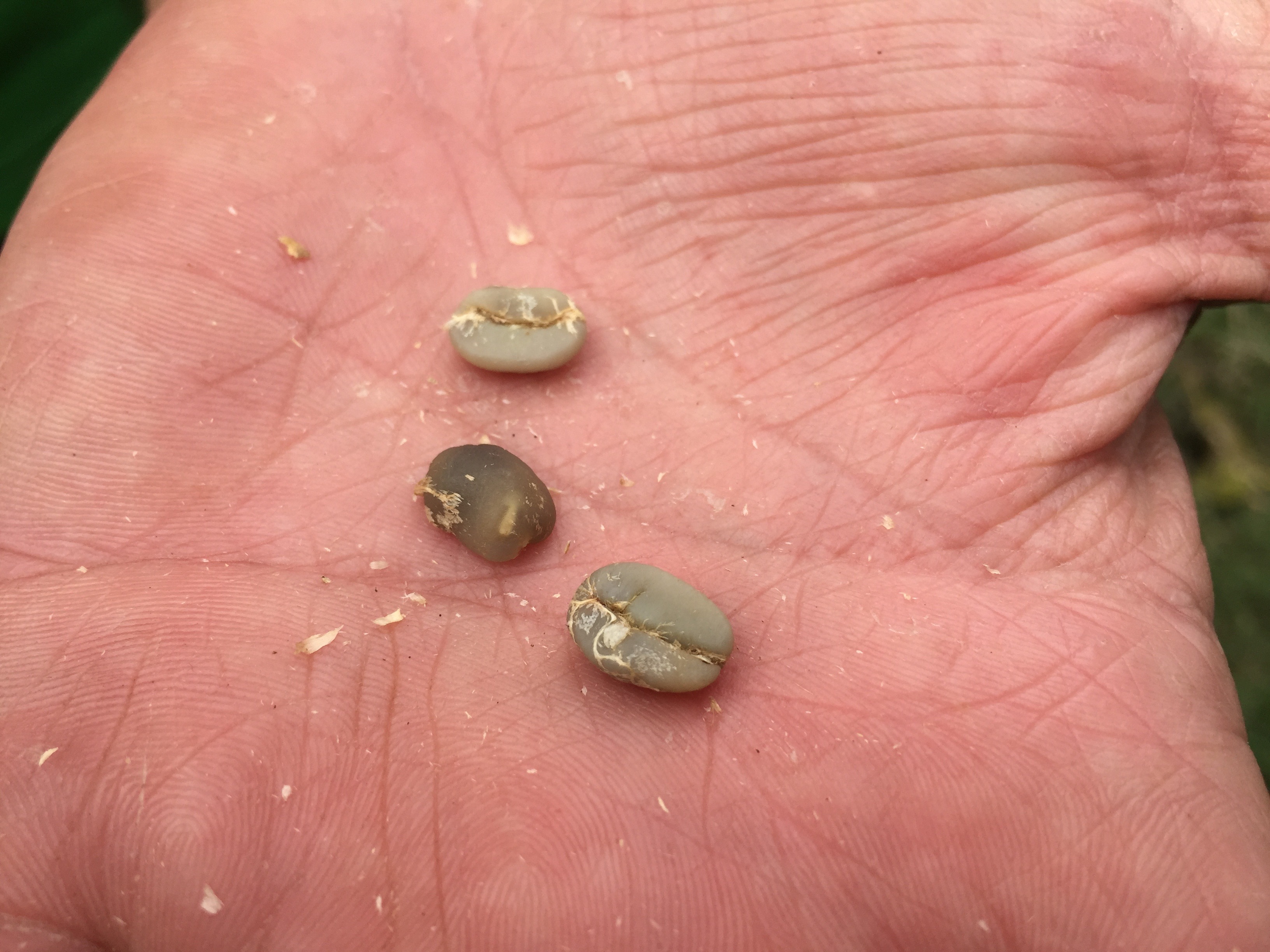
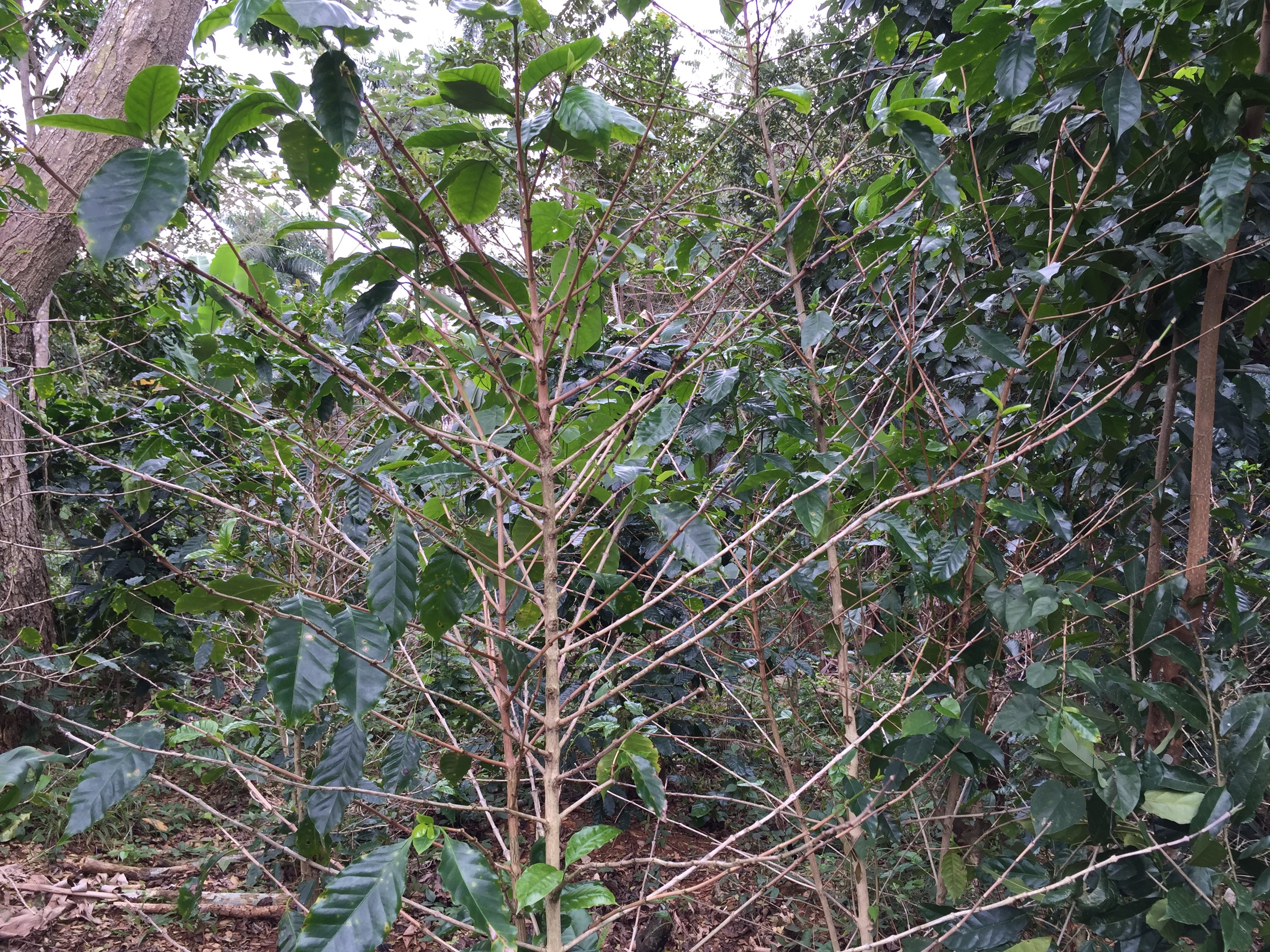
I strongly encourage USAID and other European government organizations to step forward and provide the support Cuba’s agricultural sector desperately needs. Yes, you can help. Yes, you can provide the resources to give Cuba’s struggling coffee industry the lift it needs to enter the specialty market. Make this happen—build a bridge of economic collaboration, and you will be rewarded. Great coffee does not happen by chance, and Cuban coffee should not merely be “coffee that tastes like coffee.” It deserves to reclaim its unique identity, just as it once held in its golden era.
Viva Cuba. Por libertad y solidaridad. Por unidad y prosperidad de Cuba

By Mikhail Sebastian Okunuga
 Coffee @ Farmer
You must be logged in to post a comment.