You probably heard that the best vanilla in the world comes from Madagascar. You have also learned that some great cacao beans are produced in Madagascar. But have you tried coffee from this not well known part of the world where besides acclaimed spices, the fertile and organic soil along with proper elevation gives favorable condition for Arabica coffee to thrive?

The first time I encountered coffee from Madagascar was during my search for roasters who offered exotic coffees from lesser-known origins—regions often overlooked in the specialty coffee world by baristas and industry professionals. That search led me to Sea Island Coffee in the United Kingdom. I had never heard of them before, but I was immediately drawn to their philosophy: showcasing coffees shaped by the unique combination of soil, topography, and climate that define exceptional terroir. Sea Island specializes in rare and hard-to-source coffees from regions that remain largely unfamiliar to most of us—places like St. Helena and Madagascar, where extraordinary coffee exists but is not easily accessible.

Sea Island Coffee explains their philosophy in these words: “Cup quality is an essential feature, but just as important to our coffees is their combination of scarcity with extraordinary stories and exotic locations – story-centric rather than cup-centric coffees.”
Ordering coffee from Madagascar through Sea Island two years ago was not difficult, but the experience left me disappointed. Their roast profile was extremely dark—so dark that it masked the unique characteristics and potential of Arabica from a country still unfamiliar to most of the coffee world. After tasting that cup, I made myself a promise: one day I would travel to Madagascar and learn firsthand about coffee production in this far-off land.
When planning my African journey for 2017–2018, Madagascar was the very first destination on my list. But unexpectedly, a severe outbreak of pneumonic plague struck in August 2017, spreading rapidly and taking many lives, particularly among people who lacked timely access to treatment. Out of caution, I canceled my original trip scheduled for December 30, 2017.
I continued following the news closely, monitoring updates from the World Health Organization (WHO) about the plague and its preventative measures. Eventually, as the situation improved, I felt safe to proceed. I booked a new flight for January 10, 2018, traveling with Kenya Airways from Accra, Ghana—where I had just finished exploring coffee plantations in São Tomé and Príncipe, a story I shared with you earlier.

With my flight to Madagascar finally confirmed, the excitement was overwhelming. I was eager to learn more about a country rarely discussed in the specialty coffee world. If Madagascar could produce exceptional vanilla beans and cacao—renowned worldwide—then surely its coffee held untapped potential as well. I couldn’t wait to taste and understand it for myself.
I landed in Antananarivo, the capital, on January 11, 2018. Madagascar is a vast island nation in the Indian Ocean, just off the southeast coast of Africa. As I prepared for the trip, my research into the country’s coffee production led me to Zebu Coffee. After exchanging a few emails, I arranged to meet with members of their team who were directly involved in the plantation. It felt like the beginning of a journey into a coffee origin still largely undiscovered.

As a former French colony, Madagascar recognizes French as one of its official languages, alongside Malagasy, the national language spoken throughout the island. Before colonization, Madagascar was a kingdom ruled by a succession of Merina nobles. The monarchy came to an end in 1897 when the island was absorbed into the French colonial empire, from which it eventually gained independence in 1960.
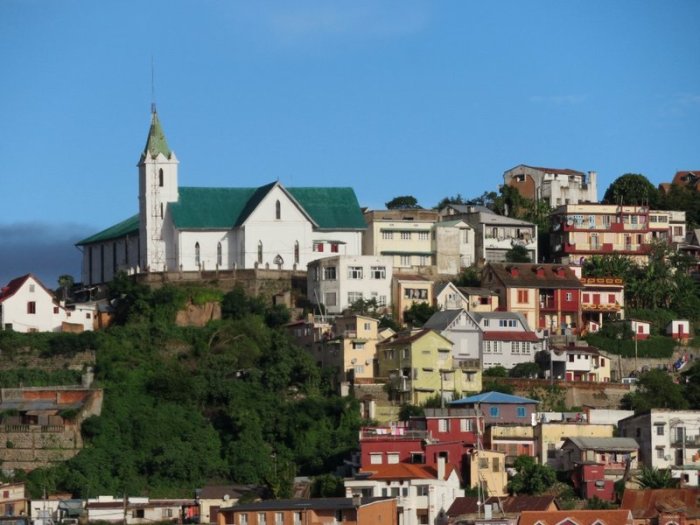
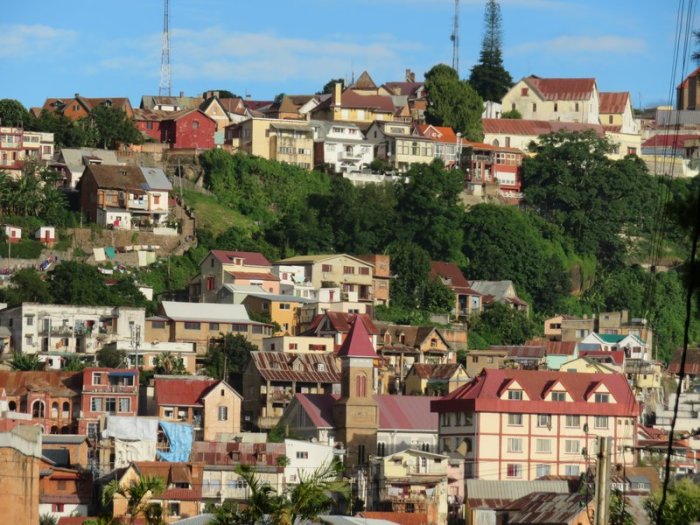
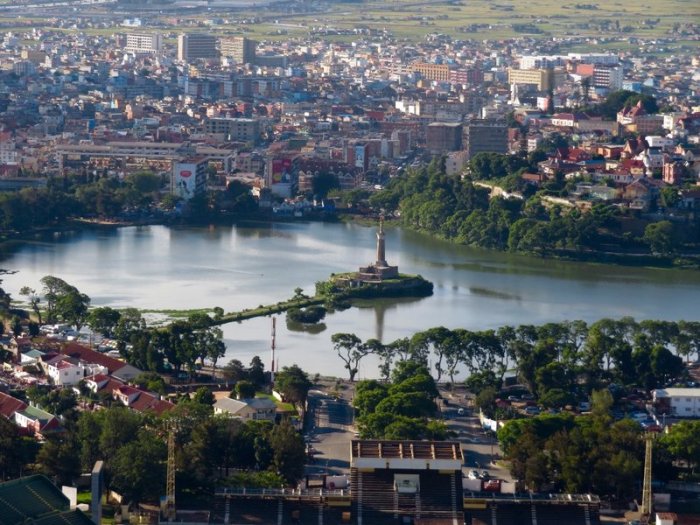
Today, Madagascar remains one of the world’s least developed countries, despite its tremendous potential. With its rich natural resources and vibrant landscapes, the country could prosper significantly if corruption were reduced and governance improved to better serve the people rather than personal interests. The island’s breathtaking greenery, dramatic scenery, and preserved 19th-century French colonial architecture create an enchanting atmosphere where African, Asian, and European influences blend into a unique cultural mosaic.
My research into Madagascar’s coffee sector began in September 2017, long before I even departed the United States for Kenya, the first stop on my journey across the African continent. During this search, I was introduced to Danny Skutelis—a Latvian living in London—who is one of the key figures behind Zebu Coffee and its farm operations in Madagascar.

After visiting Madagascar for his honeymoon in 2013, Danny Skutelis, realized the amazing potential of this land within the Bean Belt. He came back 6 months later and partnered with local entrepreneurs Haja Rasambainarivo and Njaka Ramandimbiarison to create the Zebu Coffee company. They moved the project forward to start growing a quality Arabica coffee and develop the necessary infrastructure for the village to thrive.
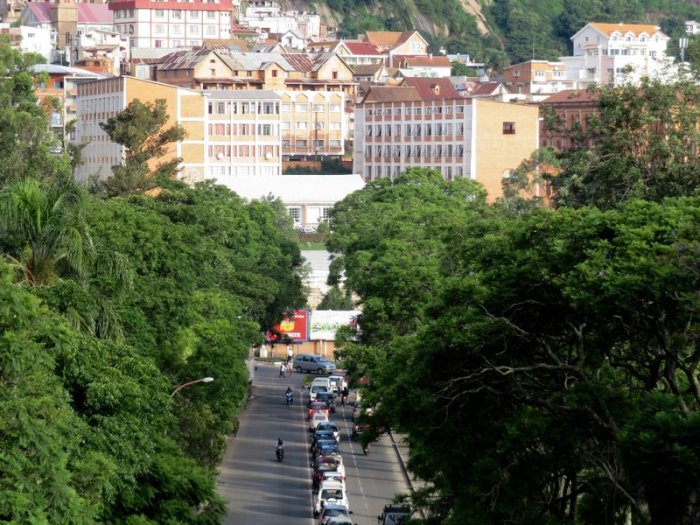
On January 12, 2018 I was picked up from my hotel room La Pavillion de l’Emyrne in the capital of Antananarivo by Haja and Njaka and we started our journey into the world of Madagascar Coffee. Born in 2014 in Madagascar, Zebu Coffee is a creation of like-minded individuals from different parts of the world who share a true passion for not only growing quality coffee but also helping the local community. We left at 6 in the morning trying to bit the heavy traffic of Antananarivo as it becomes really impossible to drive. People from villages make long journey to come to the capital and sell their produce in order to make money to survive. There are no jobs and unemployment rate in the country is high. Madagascar unemployment rate was at level of 2.4 % in 2017, up from 2.2 % previous year. In Madagascar, the unemployment rate measures the number of people actively looking for a job as a percentage of the labour force.
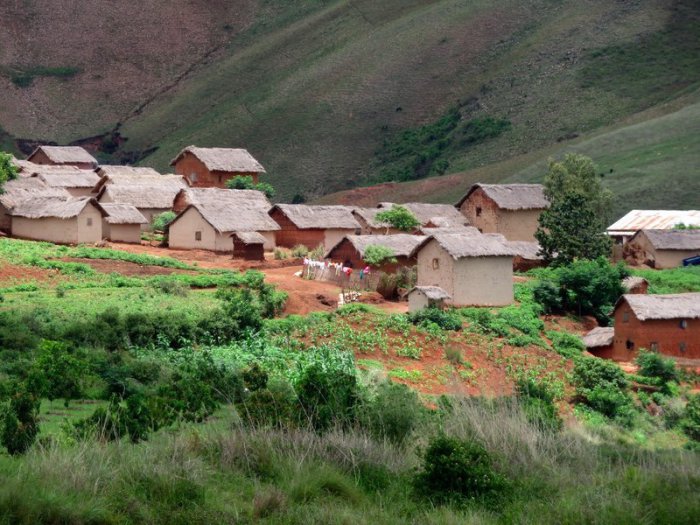
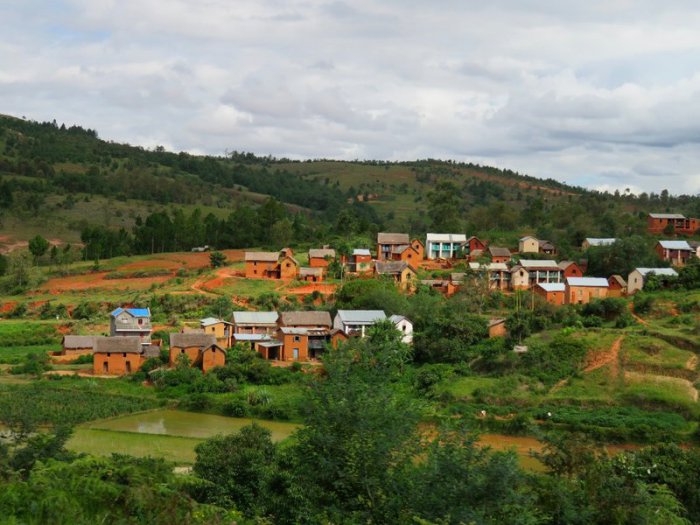
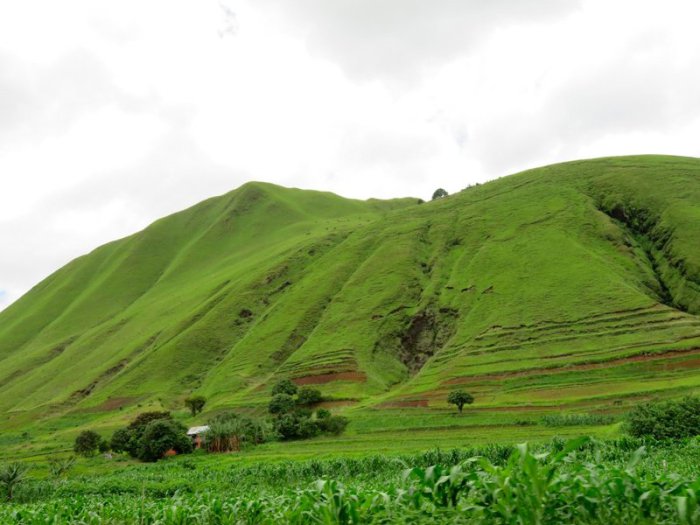
Driving through picturesque and perfectly laid out green land of evenly planted rice fields, incredible hills, evenly paved roads with about 3 hours journey and one obstacle on the way where our car got stuck in the mud, and help of villagers needed in order to move the car out of the way, we finally made it to Zebu Coffee Farm, or new project for Madagascar coffee, new plantation and new development. I have asked Haja to share with me his and Njaka story, their vision and why they decided to end up in getting into specialty coffee scene. After his computer science undergraduate studies in Madagascar, Haja Rasambainarivo graduated in E-business at HEC Montréal in Canada and worked as an IT engineer for a non-profit organization based in Washington DC. Njaka Ramandimbiarison studied administration and finance in Madagascar before moving to Canada to pursue a MBA in marketing at the University of Moncton. He worked several years in the skincare sector in Canada and the IT industry in South Africa. Together, their diverse experiences and shared passion laid the foundation for Zebu Coffee’s mission to produce exceptional coffee while uplifting the local community.


 Coffee @ Farmer
One thought on “Land of Enchantment. Coffee of Madagascar”